

By Rachel Bull, Head of Gardens, Homes & Gardens
As the calendar turns toward September and the vibrant high-energy hum of summer slowly mellows into the rustic, golden hues of autumn, a profound shift takes place in the British and global gardening calendar. For many horticulturists, this period signals a winding down; however, for those in the know, September represents one of the most exciting, high-yield windows of the entire horticultural year.
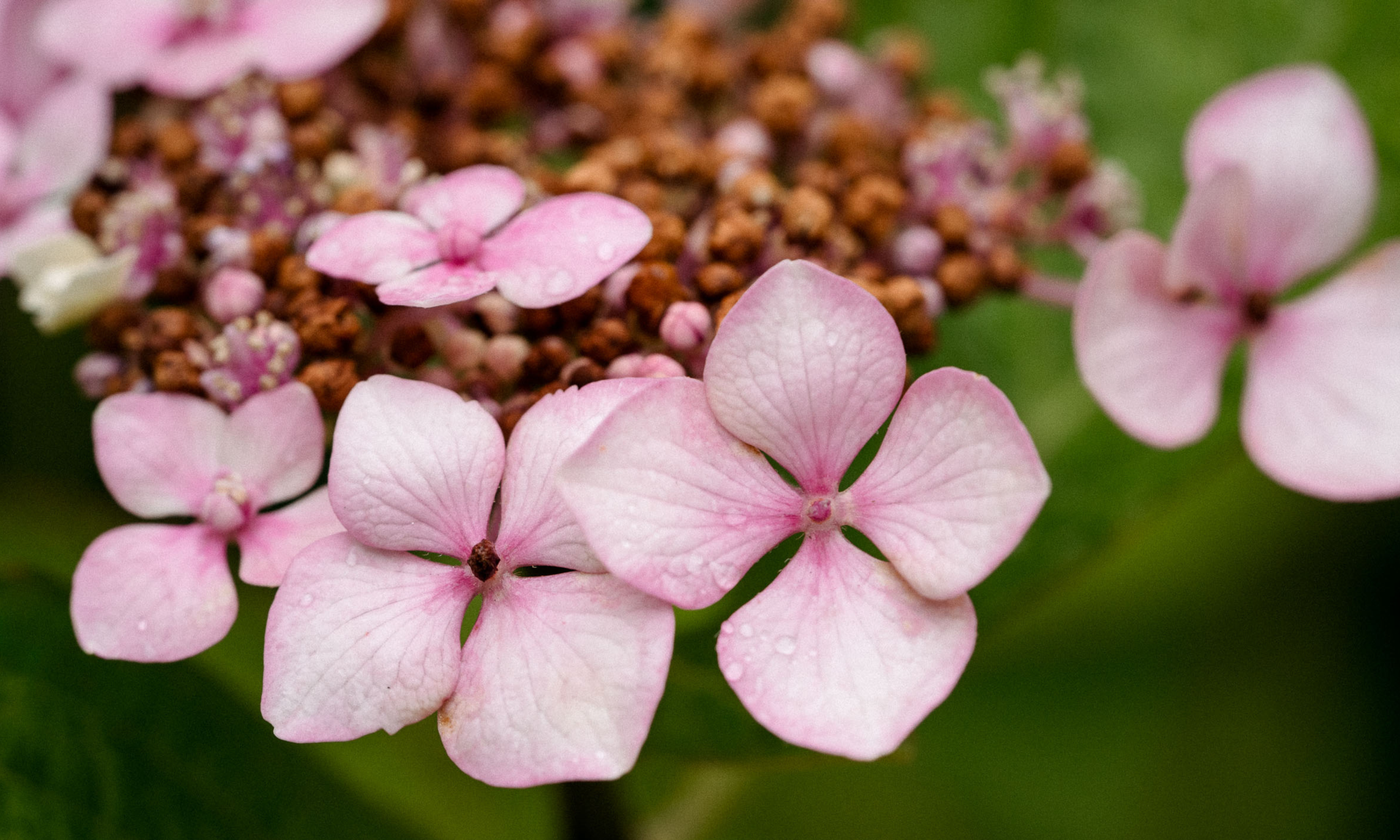
It is the prime season for taking cuttings. As garden beds transition, plants produce an abundance of healthy, semi-ripe stems that are robust enough to survive the rooting process yet pliable enough to form new roots before winter dormancy sets in. In the latest episode of the Homes & Gardens digital video series, Petals & Roots, I dive headfirst into this rewarding seasonal ritual, demonstrating just how easy it is to fill your potting bench to the brim—without spending a single penny at the commercial garden center.
Main Facts: The Economics and Science of Autumn Propagation
The core premise of September propagation is simple: botanical self-sufficiency. Rather than purchasing mature shrubs and perennials at peak retail prices to fill out sprawling garden borders, savvy gardeners can leverage their existing plant stock through the technique of repeat planting.
- The Timing: September offers the ideal environmental sweet spot. Soil and ambient temperatures remain warm enough to encourage root growth, while cooler nights and higher atmospheric humidity reduce the stress of water loss (transpiration) on freshly snipped stems.
- The Target Species: While hydrangeas remain the undisputed star of the autumn propagation bench due to their nostalgic charm and high success rate, a wide variety of garden favorites—including lavender, salvias, Verbena bonariensis, sedum, cotoneaster, and Spiraea japonica—are primed for multiplication.
- The Techniques: Depending on the plant species and the gardener’s preference, propagation can be achieved using traditional free-draining compost mixes or modern water-propagation methods, both of which offer high success rates when executed with proper sanitary and environmental controls.
Chronology: A Step-by-Step Guide to Hydrangea Propagation
Hydrangeas are universally adored for their massive, colorful globes and delicate lacecap variations. They are also exceptionally generous when it comes to cloning. In Petals & Roots, I outline two distinct, highly accessible pathways for propagating hydrangeas from home-grown stock.
Phase 1: Selecting and Preparing the Cutting
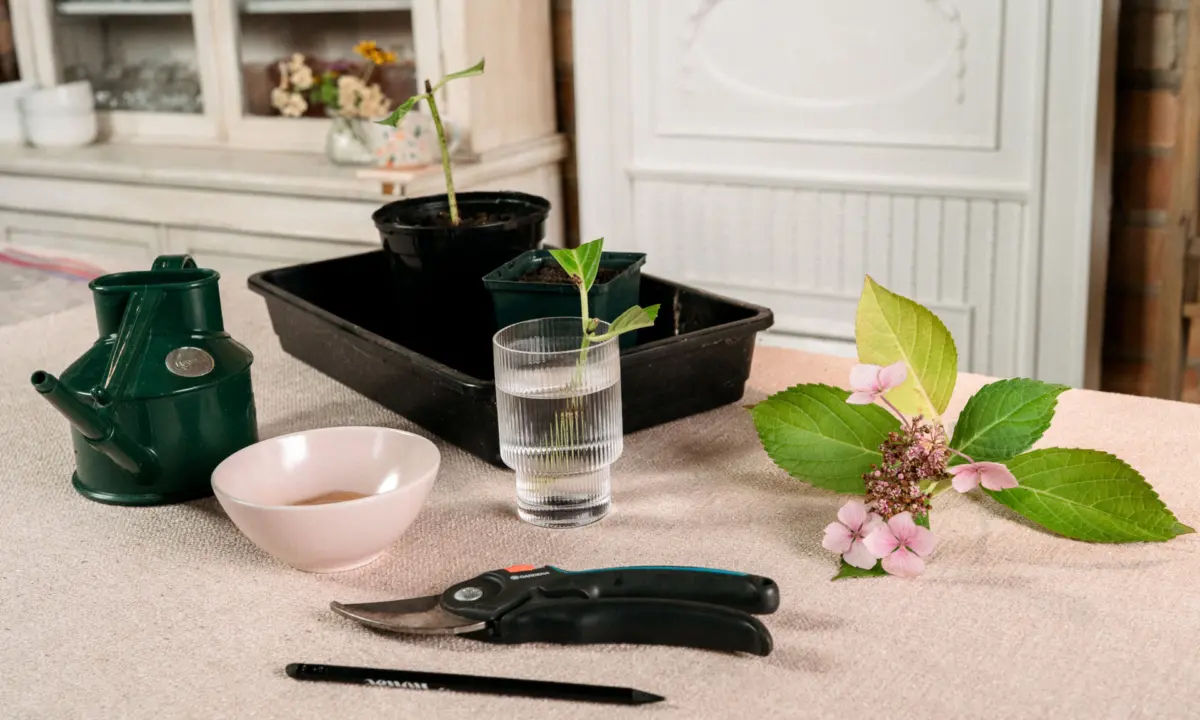
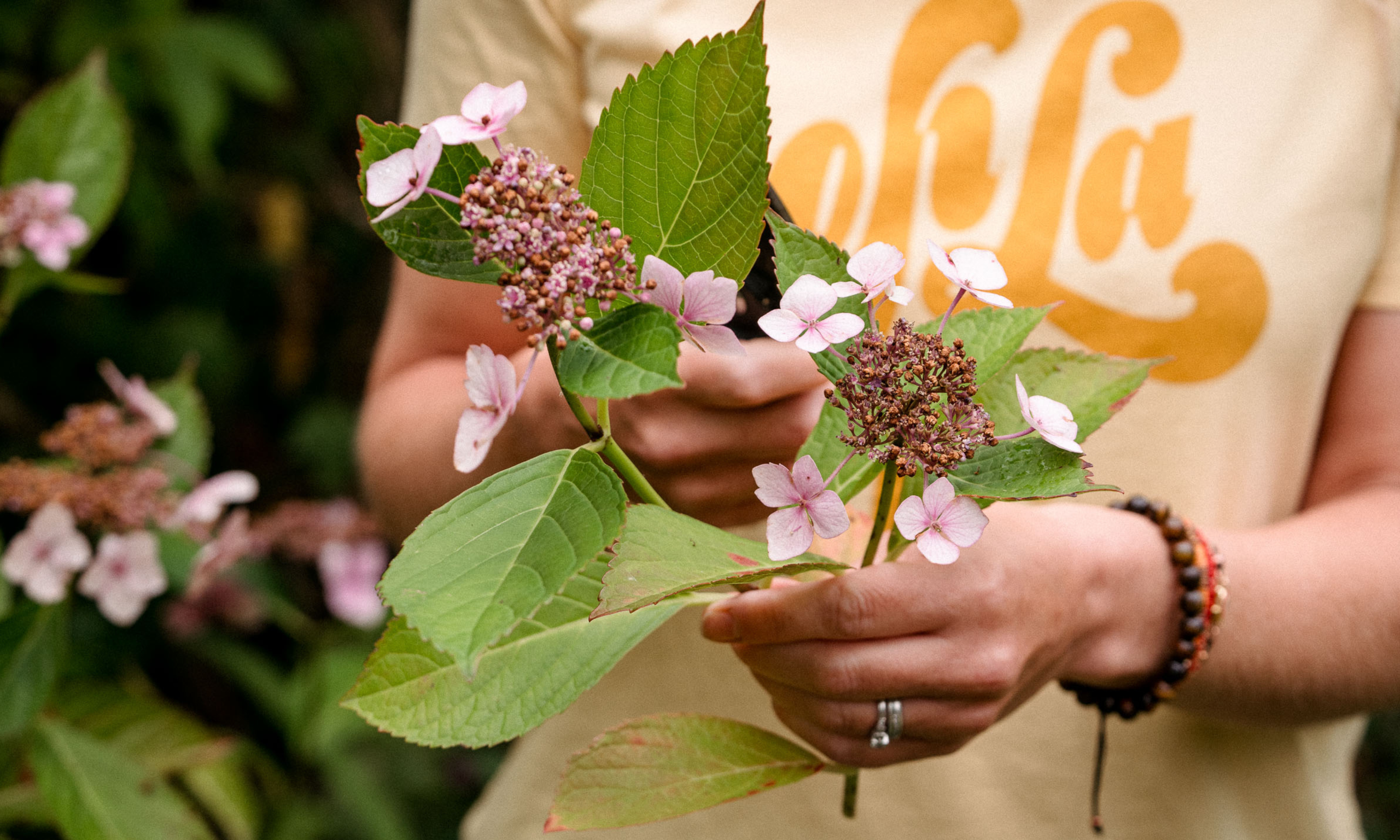
- The Selection Process: Walk out to your established hydrangeas and identify a healthy, vigorous stem. Ideally, choose a non-flowering shoot (often referred to as a vegetative shoot), as these direct all their biological energy into root and leaf development rather than flower production. Note: If non-flowering stems are scarce, you can still use a flowering stem by simply snipping off the terminal flower head.
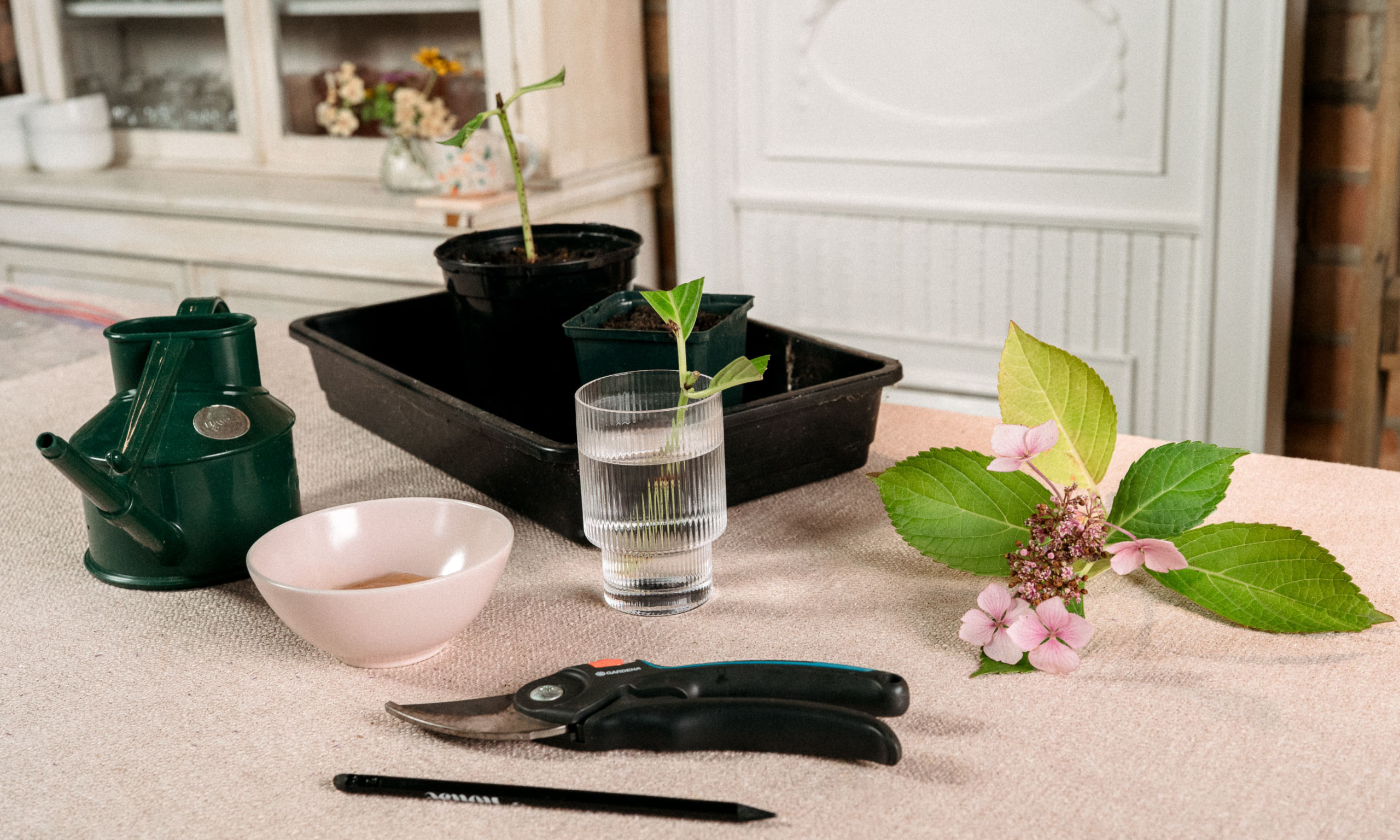
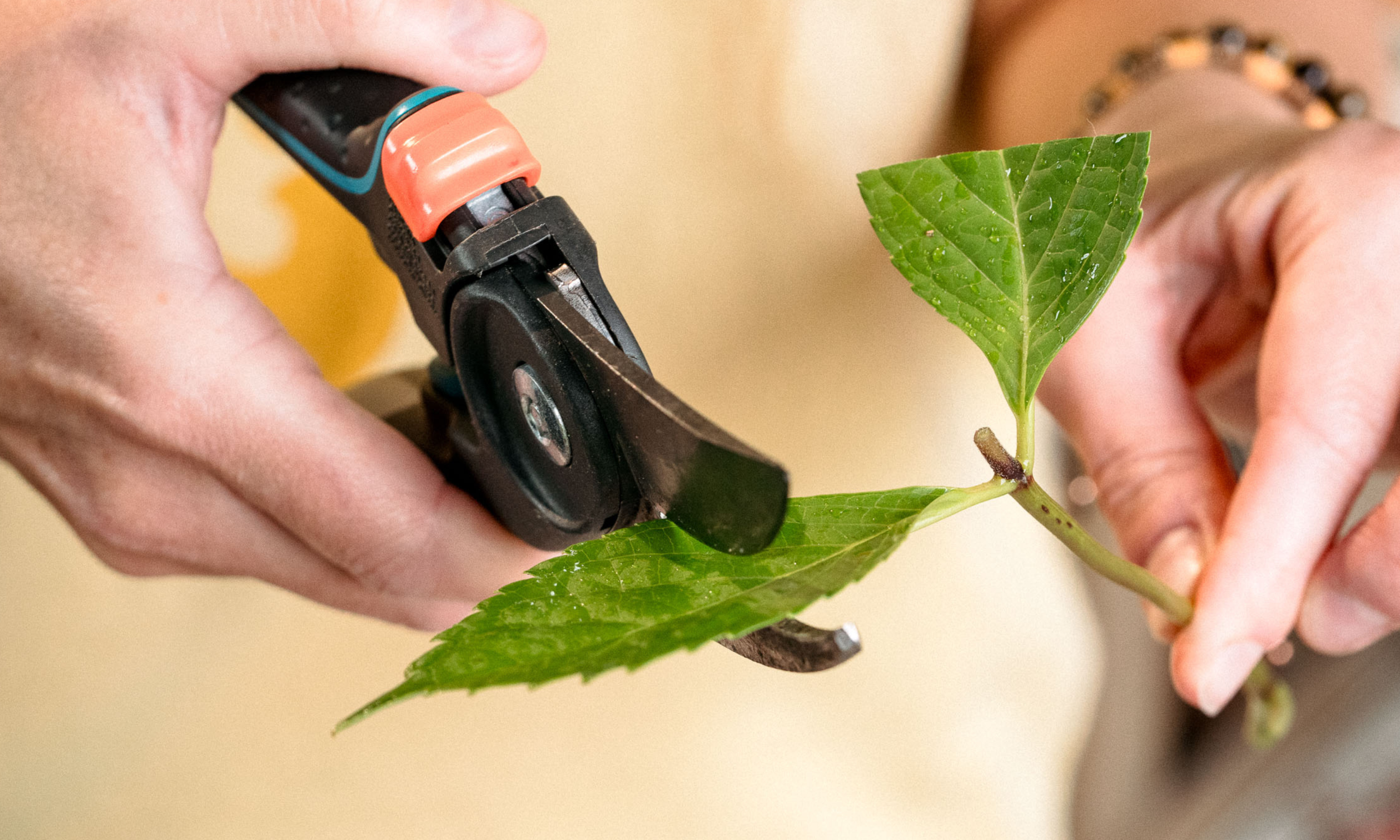
- The Snip: Using a pair of clean, sharp secateurs or pruning shears, cut a 4-to-6-inch section of the stem just below a leaf node. Clean cuts prevent crushing the vascular system of the plant, which is crucial for nutrient and water uptake.
- Foliage Reduction: Strip away the lower leaves from the stem, leaving only one or two pairs of leaves at the very top. This minimizes moisture loss while allowing the remaining leaves to photosynthesize.
Phase 2: Choosing Your Rooting Medium
Method A: The Traditional Compost Route
- Fill a clean pot with a specialized, free-draining propagation compost or a 50/50 mix of multi-purpose compost and perlite.
- Insert the prepared cuttings around the edge of the pot (the inner rim provides optimal aeration and drainage).
- Water the compost lightly and place the container in a bright, sheltered spot out of direct, scorching sunlight. Ensure the medium is kept moist but never waterlogged.
Method B: The Water Propagation Route
- Take your prepared stem cutting and place it directly into a clean vase, glass, or jar filled with fresh, cool water.
- Position the glass in a warm, bright indoor location.
- Maintenance: Change the water at least once a week to prevent bacterial or fungal growth.
- The Advantage: The primary benefit of water propagation is the visual transparency it offers; you can watch the delicate white roots emerge in real-time. Once the root system is robust, carefully pot the cutting into compost.
Supporting Data: Expanding Beyond Hydrangeas
While hydrangeas steal the spotlight, a successful garden redesign relies on structural diversity. My September propagation list has expanded significantly this year, incorporating both trusted perennials and ambitious new trials.
- Lavender and Salvias: These Mediterranean staples thrive on propagation. Taking semi-ripe cuttings in early autumn produces compact, bushy new plants that are ideal for lining pathways and filling gaps in dry, sunny borders.
- Verbena bonariensis: Valued for its tall, see-through stems and late-summer purple clusters, this plant is a magnet for pollinators. Crucially, propagating Verbena bonariensis now ensures a supply of resilient stock proven to withstand extreme summer heatwaves.
- Sedum (Hylotelephium): Sedums possess thick, fleshy leaves and stems that store water efficiently. They are arguably the easiest perennial to multiply; their stems root readily when pushed directly into free-draining garden beds or the outer edges of patio containers.
- New Trials—Cotoneaster and Spiraea japonica: Stepping outside my comfort zone, this autumn I am experimenting with woody shrubs like cotoneaster and Spiraea japonica. By taking semi-ripe cuttings during this transitional window, I aim to establish hardy structural shrubs for future garden layouts.
Official Recommendations and Expert Insights
Successful propagation is not merely about making cuts; it is about managing the microclimate of the cutting during its most vulnerable weeks. According to horticultural best practices outlined in our seasonal guides, several golden rules must be observed:
- Hygiene is Paramount: Always sterilize pruning shears with rubbing alcohol or a mild bleach solution before moving from plant to plant. This prevents the transmission of viral and fungal pathogens.
- Moisture Management: The most common cause of propagation failure is neglect. It is easy to pot up cuttings and place them on a bench, only for them to dry out. A dry cutting cannot draw up water without roots and will quickly wither. Maintain constant, light moisture.
- Frost Protection: While September is mild, sudden early autumn frosts can shock unestablished roots. Keep pots in a sheltered outdoor location, a cold frame, or an unheated greenhouse until root systems are fully formed.
Implications: The Long-Term Benefits of Autumn Gardening
Engaging in large-scale propagation during September carries profound implications for both the household budget and environmental sustainability.
Economically, the savings are transformative. Establishing dozens of new hydrangeas, lavender plants, and ornamental grasses from existing garden stock eliminates hundreds of pounds in retail costs. For owners of large properties or blank-slate gardens, propagation is the ultimate hack for achieving a mature, cohesive landscape design within a tight budget.
Environmentally, home propagation reduces the carbon footprint associated with commercial plant production, long-distance transport, single-use plastic nursery pots, and intensive commercial fertilizers. By closing the loop within your own garden ecosystem, you cultivate a deeper, more resilient connection to the natural cycles of the earth.
What to Shop
-
- Petals & Roots Video Series: Join me, Rachel Bull, Head of Gardens at Homes & Gardens, every weekend across our social media channels as I share hands-on seasonal advice, flower-arranging tips, and expert outdoor guidance.
-
- Stay Connected: Want more inspiring garden ideas and outdoor maintenance advice delivered straight to your inbox? Sign up for the Homes & Gardens newsletter to receive our latest features, expert columns, and seasonal guides directly.
