

By the Home Technology & Innovation Desk
Published: August 2026
For the better part of the past decade, video doorbells from industry heavyweights like Ring, Google Nest, and Arlo have served a singular, straightforward purpose: giving homeowners eyes on their front steps without requiring them to get off the couch. Primarily deployed as digital peepholes to screen unexpected visitors, keep tabs on package drop-offs, and deter opportunistic "porch pirates," these connected devices quickly became a staple of modern residential security.
However, beneath the surface of basic motion alerts and live-streaming video feeds lies a surprisingly robust ecosystem of secondary software integrations, artificial intelligence applications, and hidden platform capabilities. Today, industry experts say these gadgets are quietly transforming from simple surveillance tools into central command hubs for the entire modern household.
By linking video doorbells to a growing wave of third-party apps and cross-platform smart home systems, homeowners can now leverage their front-porch cameras for everything from localized yard management and wildlife tracking to sophisticated home automation and early environmental threat detection.
Main Facts: The Unlocked Potential of Modern Video Doorbells
The evolution of the video doorbell is largely driven by advances in edge computing, computer vision, and open application programming interfaces (APIs). While manufacturers ship these hardware devices with standard proprietary software, an emerging market of developer-built applications and deeper ecosystem cross-talk allows users to repurpose existing camera hardware.
Key capabilities now accessible through standard video doorbells include:

- AI-Powered Landscape and Yard Monitoring: Specialized software can identify pet waste, scattered debris, and unmaintained lawn features in real time.
- Smart Ecosystem Integration: Advanced thermostats, smart lighting, and centralized security panels can now pull live feeds and interact directly with doorbell hardware.
- Precision Motion Zoning: Modern algorithms filter out environmental noise—such as swaying trees, passing traffic, and pedestrian sidewalks—to drastically reduce false alarms.
- Voice Assistant Automations: Doorbells can act as triggers for smart home routines, simulating occupancy by turning on interior lights and audio systems.
- Wildlife and Environmental Analytics: Computer vision extensions can identify specific bird species, track local mammals, and even spot early indicators of regional wildfires.
Despite these advanced features, security professionals emphasize that expanding a home’s digital footprint requires a careful balance between convenience, data privacy, and system resilience.
Chronology: From Digital Peepholes to Smart Home Hubs
To understand how video doorbells reached this crossroads of home automation and environmental monitoring, it is helpful to look at the technology’s developmental timeline over the last ten years:
- 2014–2017 (The Surveillance Era): Video doorbells emerge primarily as standalone Wi-Fi cameras. The core value proposition is simple: remote video streaming and cloud-stored motion clips to combat package theft. False alarms are rampant, often triggered by passing cars or neighborhood pets.
- 2018–2021 (The Integration Phase): Major tech acquisitions—such as Amazon’s purchase of Ring and Google’s consolidation of Nest—lead to tighter hardware integration. Voice assistants like Alexa and Google Assistant begin broadcasting doorbell rings to smart speakers and displays.
- 2022–2024 (The Rise of Computer Vision): Localized AI and cloud-based machine learning models allow doorbells to differentiate between humans, packages, animals, and vehicles. Manufacturers introduce customizable motion zones to cut down on notification fatigue.
- 2025–Present (The Command Center Era): Open ecosystems, third-party micro-apps, and cross-industry partnerships (such as thermostat-to-doorbell streaming and automated environmental alerts) transform the video doorbell from a reactive security tool into a proactive, multi-functional home management hub.
Supporting Data & Expert Insights: Navigating the Trade-offs
As video doorbells absorb more household responsibilities, industry leaders caution that added convenience often introduces complex technical considerations.
The Security Ecosystem and Points of Failure
Laura Finson, director of product and strategy at Brinks Home in Topeka, Kansas, points out that modern security is shifting away from isolated devices toward cohesive, interconnected networks.
"Rather than a door lock here and a camera there, smart security is increasingly part of a cohesive network, combining sensors, alerts, and automation like lights and alarms, with oversight from anywhere," Finson explains.
She notes that cutting-edge systems now use advanced presence-sensing AI to determine whether occupants are home, automatically adjusting indoor climate controls and setting perimeter alarms. However, Finson warns that this interconnectivity carries hidden risks.
"The tradeoff is that more integrations mean more points of failure, and interoperability across devices and providers is something homeowners should evaluate carefully rather than assume."
— Laura Finson, Brinks Home
To mitigate these risks, Finson recommends looking beyond the front-door device. Homeowners should verify that their broader security setup includes a 24-hour backup battery in the main control panel, dual-path communication (utilizing both local Wi-Fi and cellular networks to survive broadband outages), and hardware designed for long-term resilience rather than just optimal operating conditions.
Refining Motion Detection
Tanner Fischbeck, a home technology designer and consultant at Automated Environments in Phoenix, Arizona, highlights motion zoning as one of the most underutilized features built into modern doorbell software.
"A motion zone lets you ignore areas of the camera so you only get alerts when something moves within that zone, which helps reduce false alarms for things like trees, sidewalks, and streets with constant motion," Fischbeck says.
He adds that applications like the Ring platform take this a step further by generating concise, push-notification text descriptions of what the camera detects directly on a smartphone lock screen. This allows users to triage alerts efficiently without opening the app for every passing leaf or stray cat.
Official Responses and Specialized Integrations
Manufacturers and developers are actively responding to consumer demand for cross-functional smart home hardware.
Climate Control Meets Front-Door Security
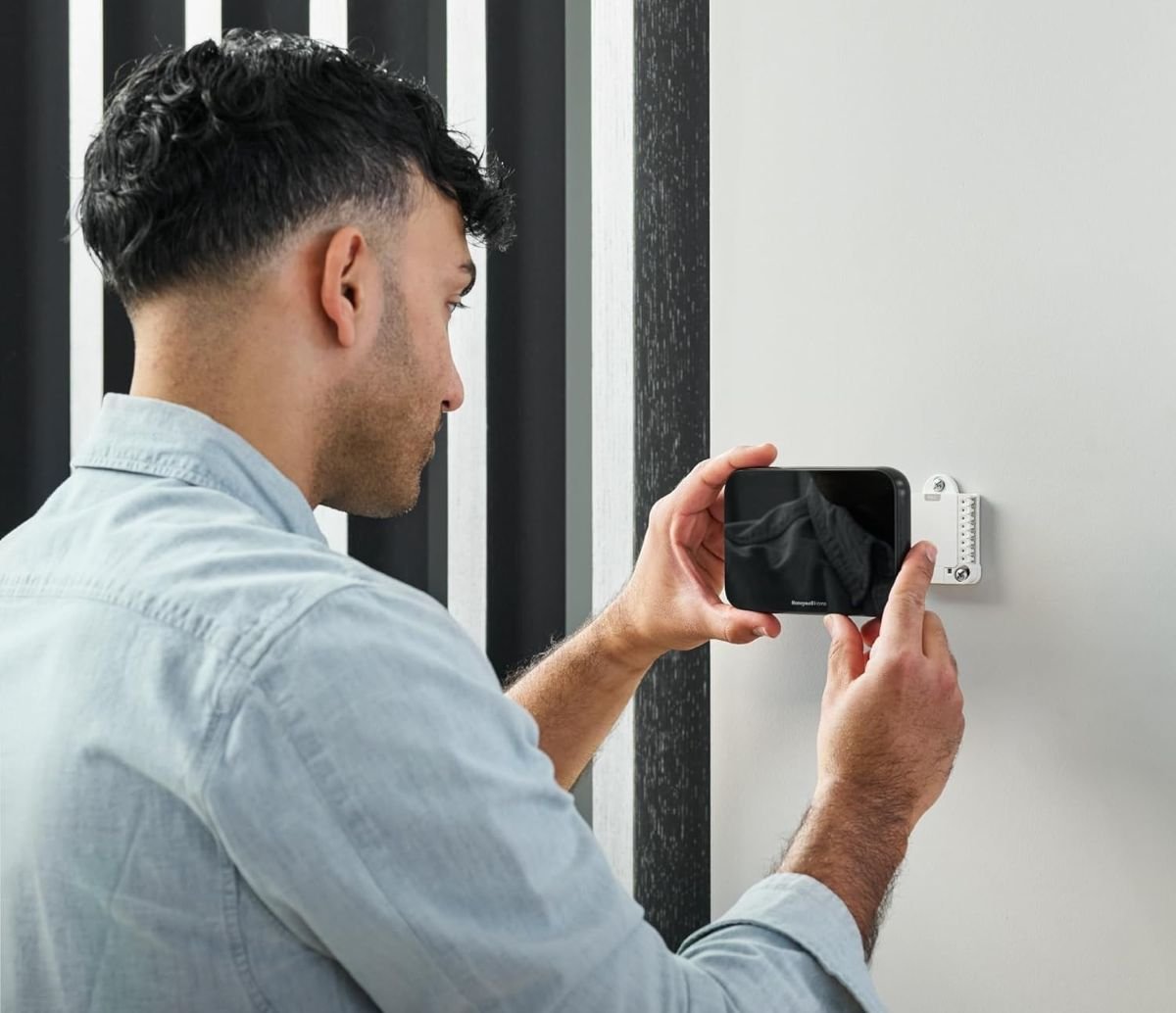
In the heating and cooling sector, hardware manufacturers are bridging the gap between comfort and visibility. Paige Allbright, speaking on behalf of Resideo, points to the integration seen in smart climate devices like the Honeywell Home X8S thermostat.
This system features a 5-inch touchscreen capable of streaming live video directly from compatible doorbells, alongside two-way audio support.
"This can be especially useful when a homeowner is cooking, working, or simply doesn’t have their phone nearby when someone arrives at the door," Allbright notes, while reminding consumers that these components are typically sold as modular units requiring compatible ecosystems.
Yard Management, Wildlife Tracking, and Early Warnings
Beyond standard security, a new wave of software add-ons is redefining what a camera can observe:
- Lawn and Garden Maintenance: Utility apps like LawnWatch by AllScout utilize AI alerts to flag trash, pet waste, and stray debris—helping homeowners stay compliant with strict neighborhood Homeowners Association (HOA) guidelines. Meanwhile, Greenlapse provides daily visual logs and timelapse tools to track plant growth and catch landscaping diseases early.
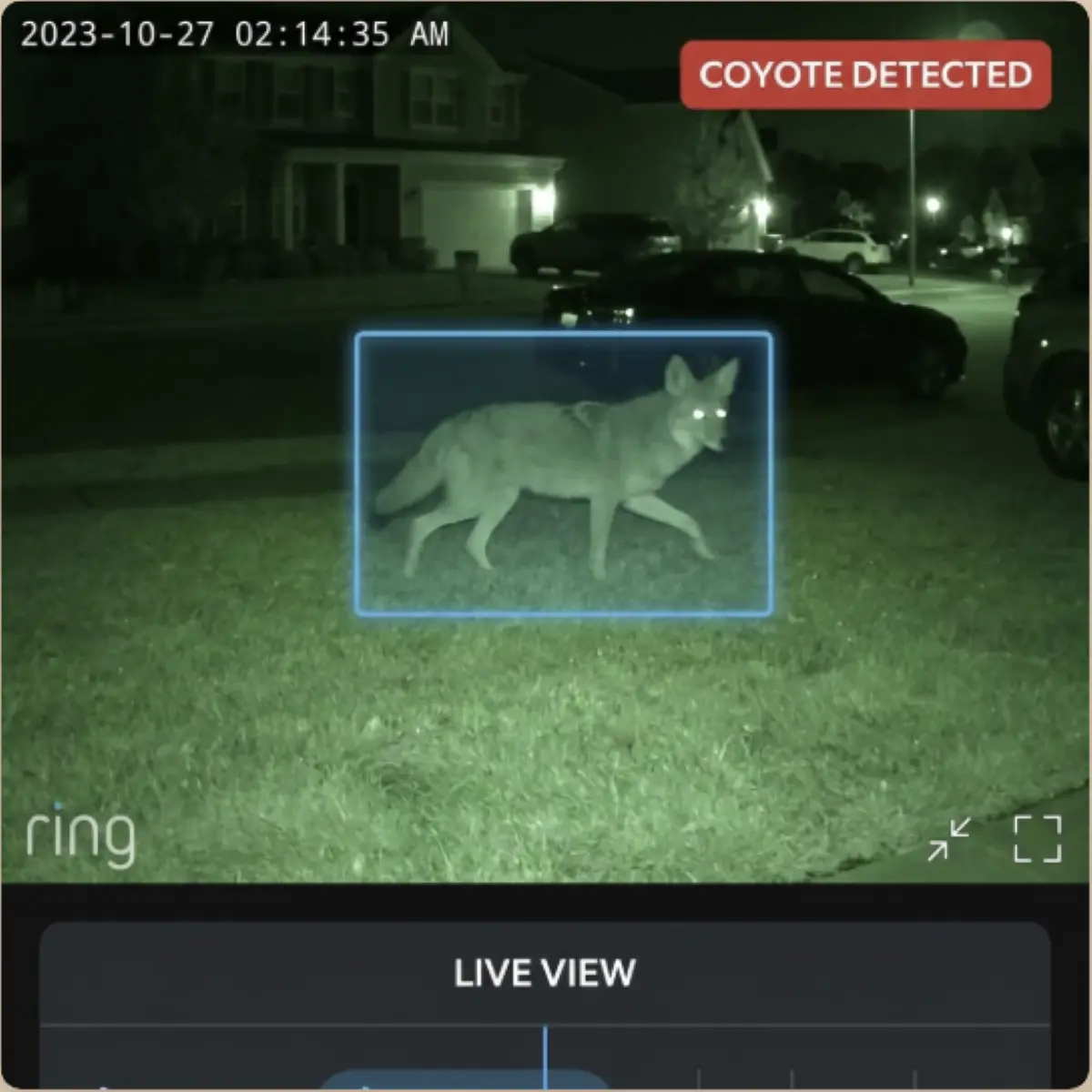
- Wildlife Monitoring: Apps such as WhatsThatBird.AI and YardWild use computer vision to catalog local fauna, identifying hundreds of bird species, mammals, reptiles, and amphibians passing through a property. Conversely, Wildlife Alert offers targeted warnings for potentially hazardous animals, such as coyotes, bears, bobcats, and mountain lions, providing essential safety margins for pet owners and rural residents.
- Environmental Emergency Awareness: Features such as Ring’s emerging Search Party tool attempt to leverage optical AI to detect the early visual signs of regional wildfires, providing secondary alerts that allow residents to share visual intelligence with first responders and neighbors.
Implications for the Future of Smart Real Estate
The transition of the video doorbell from a standalone security gadget to a multi-faceted operational hub carries significant implications for homeowners, property developers, and the smart home industry at large.
- Ecosystem Lock-In vs. Open Standards: As doorbells become deeply intertwined with thermostats, lighting, security panels, and external AI apps, consumers face a growing challenge regarding platform lock-in. Choosing one manufacturer’s ecosystem can limit a homeowner’s ability to integrate best-in-class software from competitors.
- Data Privacy and Surveillance Concerns: With doorbells increasingly scanning yards for wildlife, monitoring lawn aesthetics, and analyzing public or semi-public right-of-ways, questions surrounding data collection, cloud storage security, and neighborhood privacy continue to mount.
- Redefining Home Maintenance: Routine property upkeep is becoming increasingly digitized. Homeowners no longer need to physically inspect every corner of their exterior spaces; instead, automated AI routines can flag yard debris, plant health issues, or perimeter breaches directly to a centralized dashboard.
Ultimately, while the video doorbell began as a simple tool to answer who was knocking at the door, today’s advanced software ecosystem ensures it will play a foundational role in how we manage, monitor, and secure our living spaces for years to come.
