


By Home & Real Estate Investigative Desk
Published: October 2026
Main Facts
When homeowners spot a mysterious smudge, a patch of cloudiness, or a tiny pile of dust near their windows, the instinctive reaction is almost always the same: grab a microfiber cloth, a bottle of glass cleaner, and wipe it away. For most, a clean window is synonymous with a clean home. However, according to leading home inspectors, restoration experts, and pest control specialists, this compulsive tidying can frequently backfire.
Wiping away unexplained markings, damp spots, or structural debris on window glass, sills, and frames can unintentionally erase the crucial early warning signs of far more serious, systemic issues. What appears to be harmless grime is often a symptom of underlying threats, including structural water infiltration, failing insulated glass units (IGUs), and active wood-destroying insect infestations. Rather than simply reaching for a rag, homeowners need to learn to decode these visual cues. Industry experts have identified five critical window red flags that should never be scrubbed away without first investigating the root cause.
Chronology and Diagnostic Evaluation: How Hidden Window Problems Progress
Window damage rarely happens overnight; it follows a predictable trajectory from a minor environmental or structural failure to a costly home repair emergency. Understanding this timeline is vital for early intervention.
Phase 1: The Incipient Stage (Months 1–3)
The problem usually begins silently. A microscopic breach in exterior caulking, a compromised roof flashing channeling water downward, or indoor relative humidity creeping above recommended thresholds initiates the trouble. During this phase, subtle signs appear: occasional morning condensation, a faint dark watermark in the corner of a sill, or the very first microscopic pinches of frass kicked out by wood-boring insects.
Phase 2: The Symptomatic Stage (Months 3–12)
If these early markers are wiped away repeatedly without investigation, the underlying phenomenon accelerates. Condensation pooling continuously on wooden sills begins to rot the finish and feed microscopic mold spores. Inside dual-pane windows, thermal stress breaks down the primary and secondary seals, allowing ambient moisture to bypass the desiccant and fog the inner glass permanently. Simultaneously, carpenter ants or beetles expand their galleries within the framing, dropping more sawdust and occasional shed wings onto the sill.
Phase 3: The Structural Failure Stage (Year 1 and Beyond)
Left unaddressed, minor surface nuisances mature into expensive structural nightmares. Window frames lose their load-bearing integrity, wood sills turn spongy and disintegrate under finger pressure, mold colonies infiltrate surrounding drywall, and window assemblies leak air and water directly into the building envelope. What could have been resolved with a $20 hygrometer or a tube of exterior sealant now requires professional remediation, pest eradication, and thousands of dollars in window and wall replacement.

Supporting Data & Deep Dive: The Five Critical Visual Cues
To prevent homeowners from falling into the trap of superficial cleaning, home restoration professionals break down the five most dangerous window symptoms and how to properly diagnose them.
1. Persistent Condensation on Windows
While morning condensation can sometimes be a normal, temporary reaction to a cold night and a warm interior, chronic moisture is a red flag.
"If you don’t wipe it away, water can run down onto the frame and sill, and over time, that moisture can damage the finish and lead to mold," warns Constantine Anest, owner of Ethos Roofing and Restoration in Denver, Colorado.
How to Investigate:
- Measure Humidity: Use a hygrometer to check indoor relative humidity levels, which ideally should hover between 30% and 50%.
- Inspect Ventilation: Verify whether kitchen and bathroom exhaust fans are venting properly to the outdoors.
- Isolate the Window: "If the humidity is normal but one window is still constantly wet, its weatherstripping may be damaged or the window may have been improperly installed," Anest notes.
2. Small Piles of "Sawdust" (Frass)
Finding tiny, repeating piles of granular material near a window frame or sill is rarely ordinary household dust. It is almost always frass—excrement and wood shavings pushed out by boring insects.
"If small piles of sawdust keep reappearing near a window frame or sill even after you clean them up, then carpenter ants, wood-boring beetles, or even carpenter bees may be damaging the wood," says Anest.
How to Investigate:
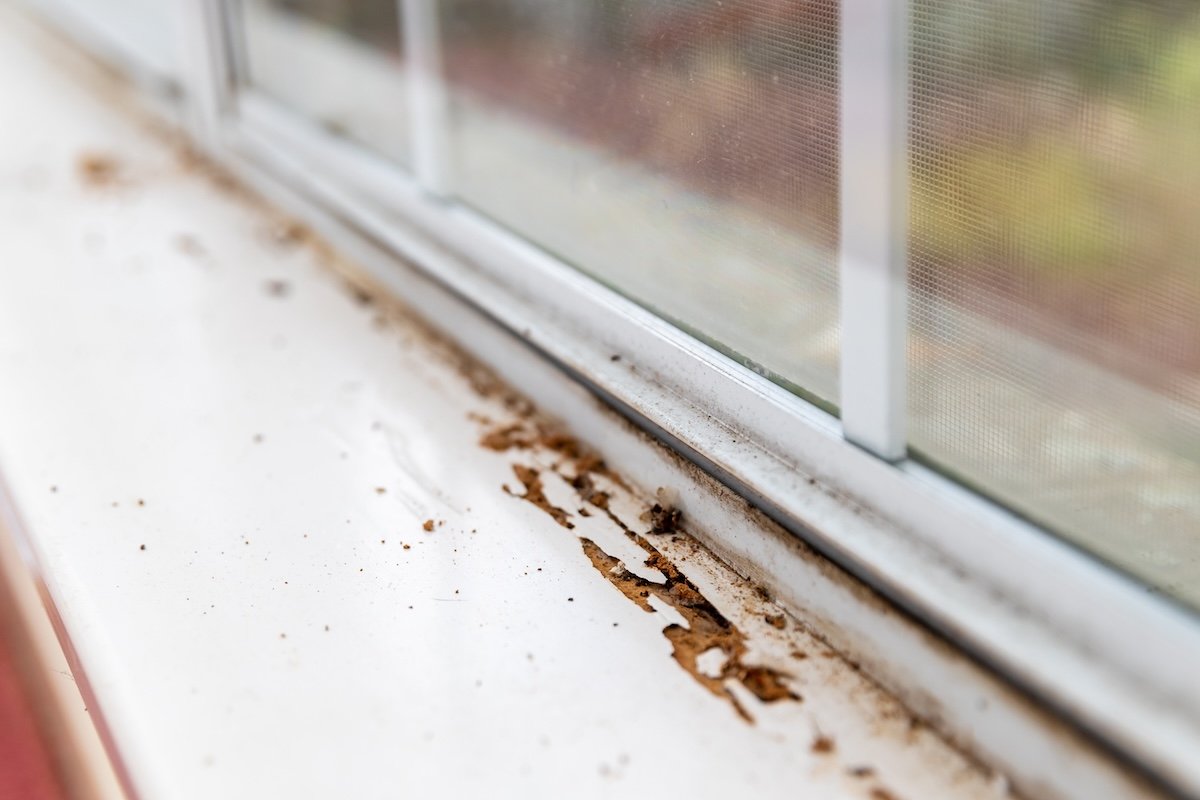
- Trace the particles upward to locate entry or exit holes in the wooden trim.
- Determine if the accumulation is interior (indicative of carpenter ants or powderpost beetles) or exterior (frequently pointing to carpenter bees).
- Avoid DIY spraying immediately; contact a licensed pest control professional to identify the specific vector and establish a targeted eradication plan.
3. Fog and Cloudiness Trapped on the Glass
When a hazy patch refuses to disappear despite vigorous cleaning with ammonia-based glass cleaners, the problem is not on the surface.
"If you’ve cleaned the inside and outside of a window and that cloudy patch is still staring back at you, it’s probably between the panes," explains Corbett Proctor, owner of Window World Panama City in Florida.
How to Investigate:
- Observe the window at different times of day and under varying lighting conditions.
- Check for a distorted reflection or warped view through the glass.
- If the fog persists, the insulated glass unit (IGU) has lost its hermetic seal, allowing moisture-laden air to compromise the gas fill between the panes. The entire glass unit will typically need to be replaced.
4. Mold, Mildew, and Dark Staining Around Frames and Sills
Dark discolorations, fuzzy mold patches, or peeling paint around window corners signal that organic materials are remaining wet long enough to foster fungal growth.
How to Investigate:
- Differentiate between high indoor humidity condensation run-off and actual exterior water infiltration.
- Check the areas after a heavy rainfall. "If they’re wet after it rains but the glass is dry, water may be getting in where the window meets the wall," Anest explains.
- The Golden Rule of Remediation: "If there is a leak, repair it and dry the affected area before cleaning up the mold, or it will keep coming back."
5. Insect Wings, Droppings, Egg Sacs, and Webs
Windows act as natural light traps, making them prime gathering spots for insects seeking escape or attempting to colonize warm, sheltered wood framing.
"Many pests leave their ‘marks’ on windows, so checking windows is one of the first things to do when it comes to pest infestation," notes Nicole Carpenter, president of Black Pest Prevention in Charlotte, North Carolina.
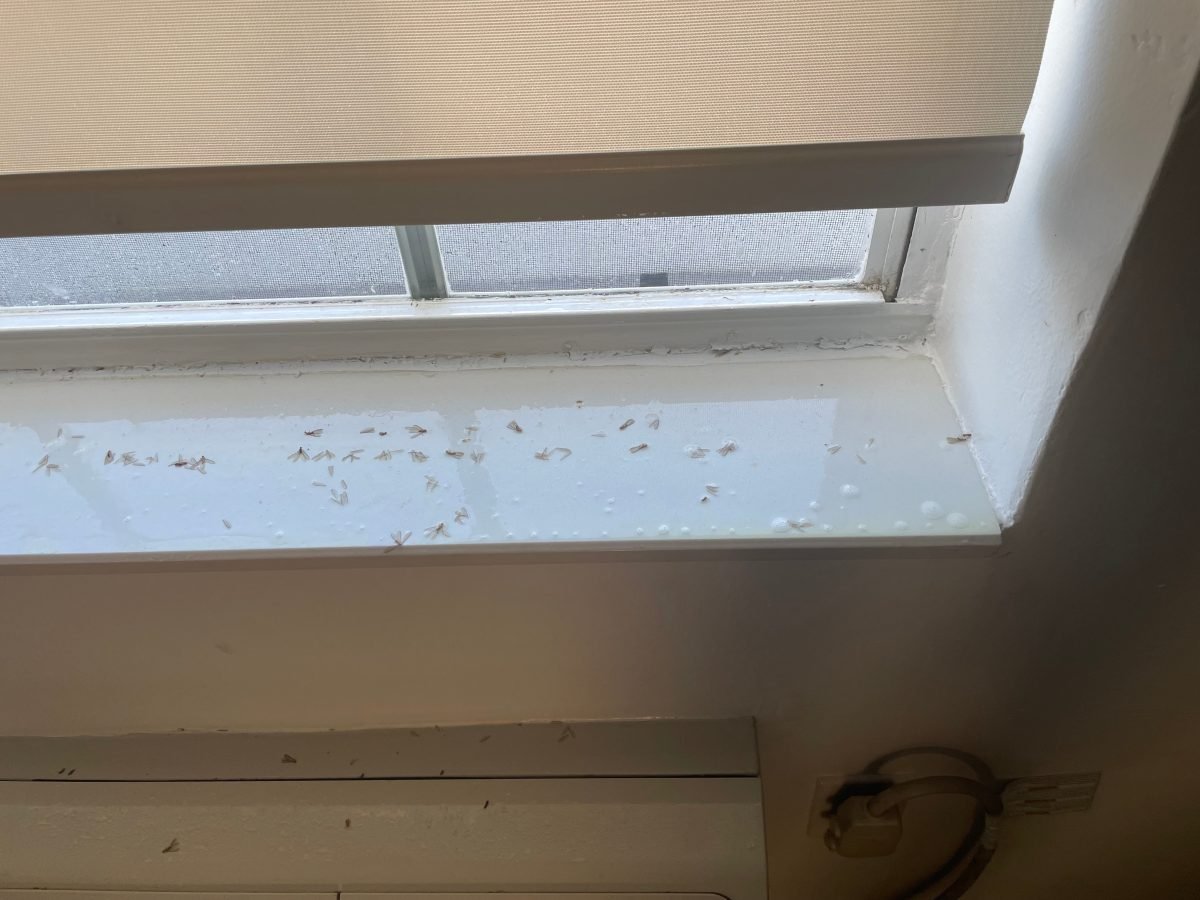
How to Investigate:
- Look closely at discarded wings (a major indicator of termite or carpenter ant swarms looking to establish satellite colonies).
- Check for tiny black or brown fecal specks left by flies, spiders, or roaches.
- Inspect corners for cryptic spider egg sacs that can hatch hundreds of indoor pests overnight.
Official Responses and Expert Insights
Industry bodies and consumer protection advocates have increasingly emphasized proactive home maintenance over reactive cosmetic cleaning. According to building science engineers, modern energy-efficient homes are built tightly to reduce utility bills, but this airtight construction traps moisture if mechanical ventilation is neglected.
Pest control associations echo these concerns, noting that structural wood-destroying organisms cause billions of dollars in damage annually in North America alone. Most of these infestations go unnoticed precisely because homeowners sweep away the initial visual evidence—such as frass or stray wings—treating the cleanup as a housekeeping chore rather than an environmental diagnostic test.
Contractors and window manufacturers stress that building codes require proper flashing, integration with house wraps, and correct sloping of exterior sills. When these installation parameters fail, nature finds the path of least resistance, routing rainwater directly behind interior drywall and window casings.
Implications for Homeowners and the Real Estate Market
Ignoring the deeper significance of window blemishes carries severe financial and safety implications:
- Escalating Repair Costs: Addressing a minor exterior caulking failure costs pennies and takes minutes. Replacing rotted structural framing, remediating black mold, and replacing water-damaged insulation can quickly scale into thousands of dollars.
- Home Valuation and Inspections: During a real estate transaction, home inspectors routinely check window sills for moisture meters and evidence of wood rot or insect frass. Hidden window damage can stall or kill a home sale, resulting in mandatory price concessions or expensive pre-closing repairs.
- Indoor Air Quality and Health: Chronic mold growth around window sills releases spores into the indoor air supply, exacerbating asthma, allergies, and other respiratory ailments for occupants.
- Energy Efficiency Degradation: Failed window seals and compromised weatherstripping destroy the thermal envelope of a home, driving up heating and cooling utility bills year-round.
Final Takeaway
The next time you spot a strange smudge, an unusual accumulation of dust, or a persistent haze on your windows, pause before reaching for the cleaning spray. Take a closer look, investigate the source, and consult a professional if necessary. Taking five extra minutes to look beneath the surface can save you from a structural disaster.
