

By Global Risk & Insurance Desk
Updated and Expanded Report
Main Facts
While the current Atlantic hurricane season has experienced an uncharacteristically quiet start—with the National Hurricane Center tracking only a single nascent system east of Bermuda—the global insurance and reinsurance industry is sounding alarms over a looming threat of unprecedented scale.
According to a comprehensive risk report released this week by the Zurich-based global reinsurer Swiss Re, a hypothetical Category 5 hurricane striking heavily populated metropolitan areas in Florida, such as Miami or Tampa Bay, could generate insured losses exceeding $300 billion. This figure would shatter all historical records, making it the most expensive insured-loss natural catastrophe event in global history.
The staggering projection is not merely the product of severe weather forecasting; it is a stark reflection of demographic shifts and economic development. Swiss Re highlights that a century of explosive population growth, paired with high-end real estate development along fragile coastal corridors, has exponentially increased the financial vulnerability of the Sunshine State.
While historical benchmarks like the 1926 Great Miami Hurricane and 1992’s Hurricane Andrew left indelible marks on the region, experts warn that a repeat of those storms today would carry price tags nearly four times higher when adjusted for inflation, modern asset values, and population density. Nevertheless, the report also underscores that the insurance industry is better capitalized today, leveraging advanced catastrophe modeling, traditional reinsurance, and alternative capital markets like catastrophe bonds to shoulder the shifting risk landscape.
Chronology: A Century of Vulnerability
To understand the magnitude of the modern hurricane threat facing Florida, risk analysts look back at pivotal historical benchmarks that shaped the state’s structural and financial resilience.
1926: The Great Miami Hurricane
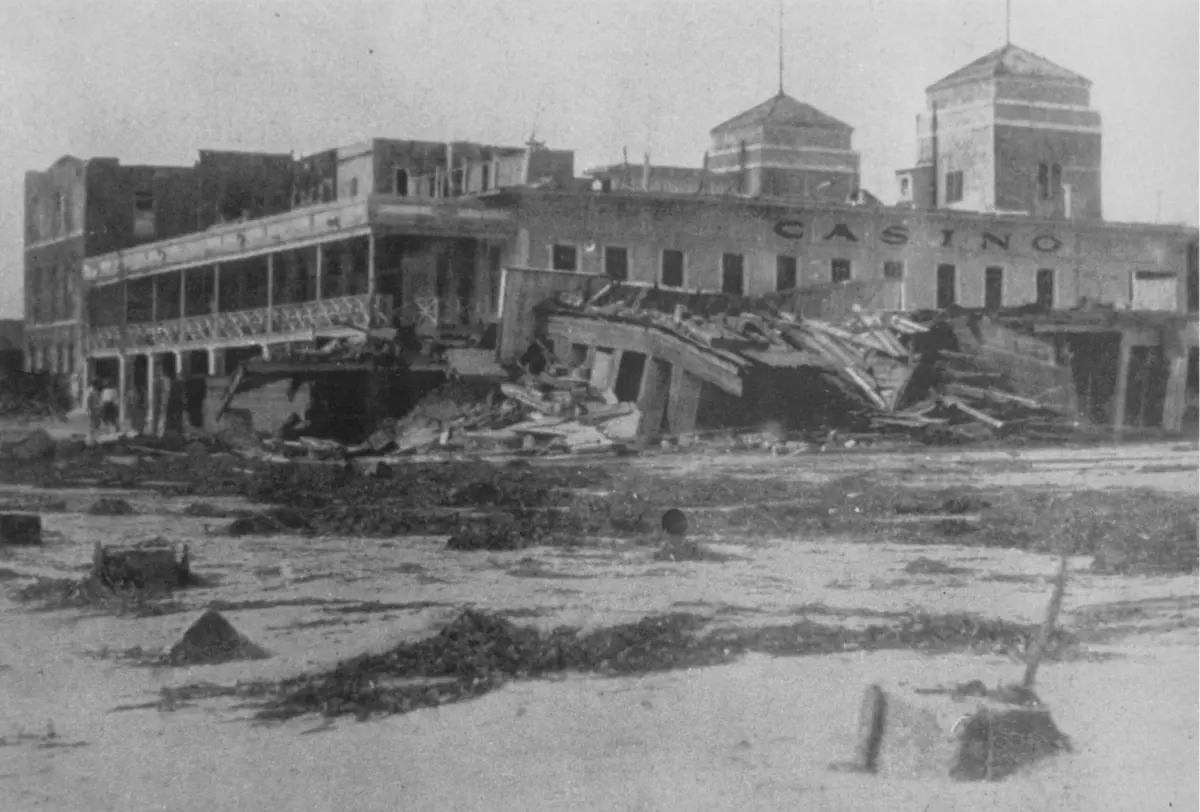
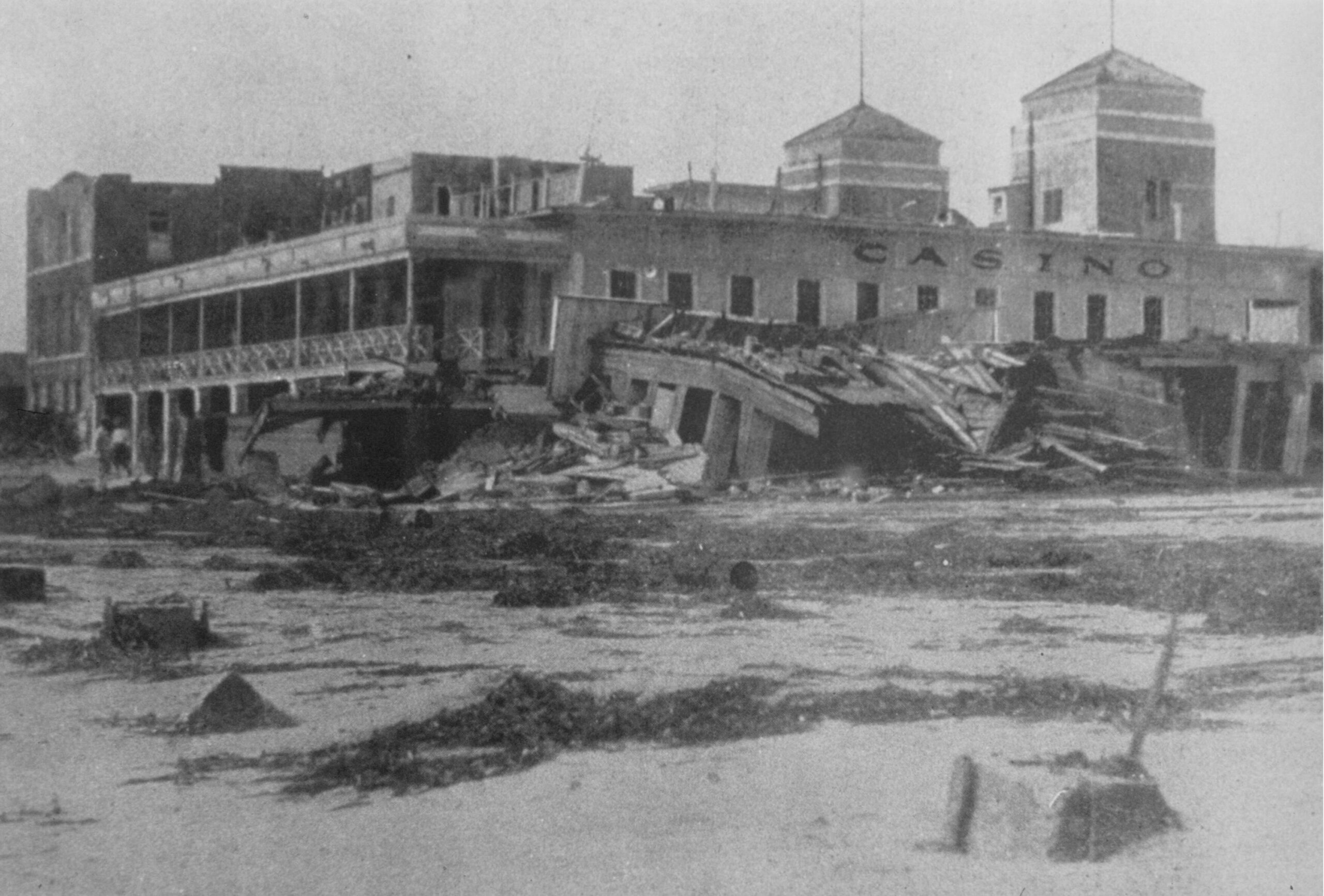
One hundred years ago, a catastrophic Category 4 storm known as the Great Miami Hurricane tore through South Florida. At the time of landfall, Miami-Dade County was a nascent frontier community housing roughly 100,000 residents. The storm devastated local infrastructure, ending the Florida land boom of the 1920s and leaving widespread wreckage in its wake. Swiss Re estimates that if a storm of identical strength and physical dimensions were to strike the region today, it would trigger approximately $200 billion in insured losses.
1992: Hurricane Andrew and the Code Revolution
Sixty-six years after the Great Miami disaster, Hurricane Andrew made landfall south of Miami as a Category 5 storm (subsequently recalculated as a catastrophic Category 4). Andrew caused an estimated $25 billion in insured losses at the time—roughly $100 billion in today’s currency. The storm served as a brutal wake-up call for municipal planners, civil engineers, and the insurance industry. It catalyzed a complete overhaul of Florida’s building codes, introducing rigorous wind-resistant construction standards designed to protect structures from catastrophic uplift and envelope failure.
2022: Hurricane Ian’s Modern Test
More recently, Hurricane Ian struck western Florida as a powerful Category 4 storm, battering the barrier islands and inland communities of Southwest Florida. According to calculations by Karen Clark & Co. and other catastrophe modeling firms, Ian generated approximately $63 billion in insured losses. While devastating, the storm provided a vital real-world stress test for the building codes implemented in the wake of Andrew, proving that newer structures built to modern standards fared significantly better than older, unmitigated properties.
Present Day: The Quiet Atlantic and Looming Risks
As the Atlantic basin experiences a temporary lull in tropical activity, the National Hurricane Center has identified a developing system east of Bermuda that could soon organize into a tropical storm. While this specific system poses no immediate threat to the U.S. mainland, it serves as a timely reminder that the peak of the hurricane season remains active, and the broader macro-trend of coastal exposure continues to compound.
Supporting Data: The Anatomy of a $300 Billion Disaster
The escalation of potential loss costs is driven by a convergence of severe exposure accumulation, demographic shifts, and economic inflation. Swiss Re Institute authors Lucia Bevere (senior catastrophe data analyst), Erik Lindgren (wind perils lead), and James Finucane (head of life and health economic research) break down the numbers fueling this unprecedented risk profile.
- Population Explosion: In 1926, Miami-Dade County was home to barely 100,000 people. Today, that population has surged to approximately 2.8 million residents, vastly expanding the footprint of human settlement in harm’s way.
- Asset Concentration: More than two million homes in the broader Miami metropolitan area are currently classified as being at moderate or greater risk of hurricane wind damage. The combined reconstruction cost of these properties exceeds $600 billion.
- Comparative Loss Scenarios:
- Category 5 Direct Strike (Miami/Tampa): $300 billion+ in insured losses.
- 1926 Great Miami Equivalent (Modern Day): $200 billion in insured losses.
- Hurricane Andrew Equivalent (Modern Day): $100 billion in insured losses.
- Hurricane Ian (2022 Actuals): $63 billion in insured losses.
- The Cat-Bond Market: U.S. wind risk remains the dominant asset class in the global $60 billion catastrophe bond market. Furthermore, Florida tail-risk capacity within traditional reinsurance and retrocession markets relies heavily on alternative capital inflows to maintain liquidity.
Official Responses and Industry Perspectives
Insurance executives, risk modelers, and catastrophe experts have responded to the Swiss Re findings with a mixture of cautionary warnings and guarded optimism regarding the industry’s preparedness.
Balz Grollimund, head of catastrophe perils at Swiss Re, emphasized that the core challenge facing coastal regions is no longer just meteorological intensity, but socioeconomic exposure.
“One hundred years after the Great Miami Hurricane, the question is not simply how powerful the next major hurricane will be, but what it will encounter when it reaches shore,” Grollimund stated upon the release of the report. “That lesson extends well beyond Florida: As populations and asset values increase in areas exposed to natural catastrophes, so does the potential for large insured losses.”
Addressing the financial mechanisms required to absorb such an unprecedented shock, Swiss Re noted that property insurance and reinsurance carriers are structurally better equipped than they were in past decades—provided they maintain stringent risk management protocols.
“Growth in both traditional and alternative reinsurance capital may help keep pace with rising natural catastrophe risks,” the report observed. However, the authors stressed that capital alone is not a silver bullet. Financial capacity must operate in tandem with advanced catastrophe modeling, disciplined accumulation management, and aggressive mitigation strategies.
Engineering and data specialists emphasize that proactive hardening of infrastructure remains the most effective defense against catastrophic loss inflation. The Swiss Re report credits updated building standards for helping newer residential properties withstand the fury of Hurricane Ian, noting that widespread roof replacements, retrofitting programs, and impact-resistant windows have demonstrably reduced building vulnerability across the state.
Implications for Policyholders, Insurers, and Regulators
The sobering projections outlined by Swiss Re carry profound implications for every tier of the property and casualty ecosystem, from individual homeowners to state legislators and global reinsurers.
1. Insurance Affordability and Availability
As the upper limits of potential insured losses approach $300 billion, private insurance and reinsurance markets face mounting pressure regarding pricing and capacity. Reinsurers providing retrocession and catastrophe excess-of-loss coverage are likely to demand higher risk-adjusted premiums for Florida wind exposure. Consequently, primary carriers may pass these costs down to consumers, exacerbating the state’s ongoing property insurance affordability crisis.
2. The Vital Role of Mitigation and Building Codes
The report reinforces the undeniable value of stringent building codes. Mitigation is no longer viewed merely as a localized safety measure, but as a critical macro-economic stabilizer. Regulators and municipal planners are under increasing pressure to enforce and even strengthen Florida’s building codes, ensuring that new developments in flood-prone and wind-exposed zones are engineered to withstand extreme meteorological events. Furthermore, state-backed mitigation grant programs—such as those subsidizing wind-resistant roof upgrades—play an essential role in lowering aggregate portfolio vulnerability.
3. Expansion of Alternative Capital and Cat-Bonds
With traditional reinsurance markets tightening periodically in response to global loss trends, the alternative risk transfer market has become indispensable. The expansion of insurance-linked securities (ILS) and catastrophe bonds provides a vital shock-absorber for Florida tail risk, connecting institutional investors directly to the state’s wind exposure. Maintaining investor confidence in these instruments will require transparent risk modeling and disciplined underwriting.
4. A Global Warning Beyond Florida
Ultimately, Swiss Re’s findings serve as a macro-economic caution for coastal and riverine communities worldwide. As urbanization drives populations toward natural hazard zones—whether along the Atlantic coastline, the Gulf of Mexico, or global floodplains—the financial stakes of natural catastrophes will continue to escalate. For Florida, the countdown to the next major hurricane is a test of resilience, pitting a century of unprecedented growth against the unforgiving forces of nature.
