

By Staff Tech & Gaming Desk
Published: Thursday
Main Facts
The Pokémon Company is diving deeper into the intersection of health, gaming, and wearable technology. In a major partnership announced Thursday, the gaming giant has teamed up with Google and Fitbit to launch the special-edition Pokémon Sleep Fitbit Air, priced at $129.
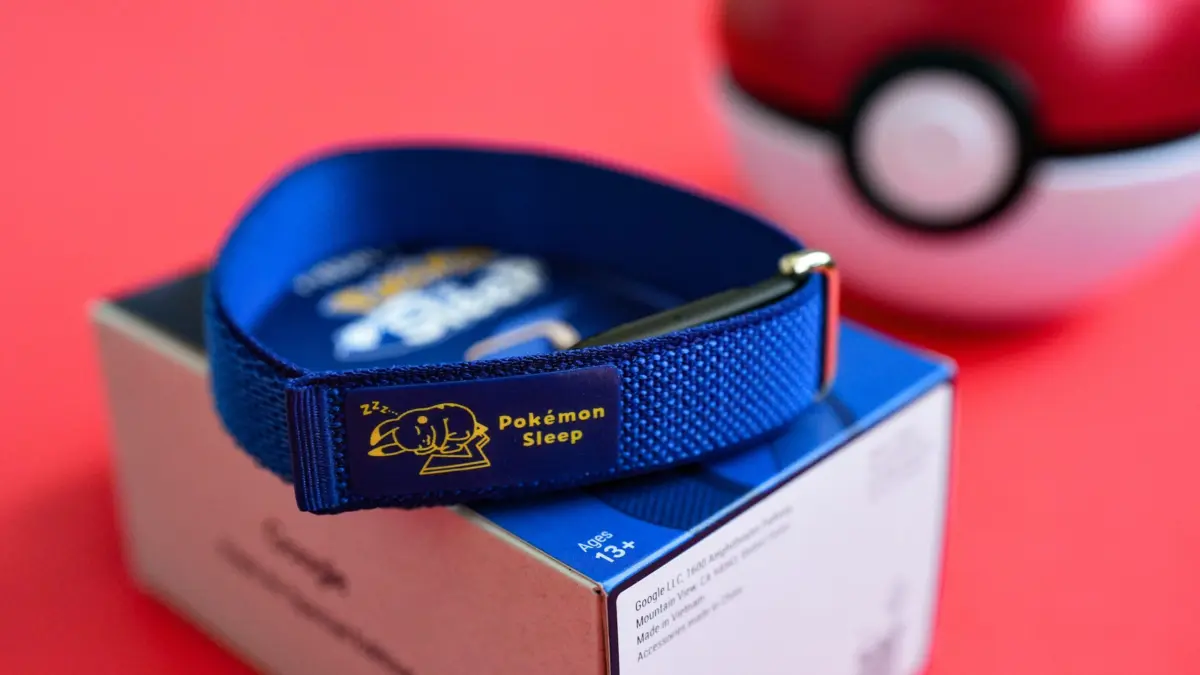
Designed to blend health-tracking utility with pop-culture fandom, the $129 wearable aims to help users take their nighttime rest more seriously without sacrificing the whimsical charm of the Pokémon franchise. The device features a deep-blue "Sleepy Blue" woven wristband, a subtle Pikachu etching, and integrated syncing capabilities with both the Google Health platform and the wildly popular Pokémon Sleep application.
While standard health trackers focus purely on metrics like cardio load, steps, and resting heart rate, this collaboration directly bridges the gap between clinical-grade sleep tracking and gamified motivation. Users who purchase the special-edition device will not only receive the themed hardware but also gain access to exclusive in-game content, including a special Pikachu Incense code for Pokémon Sleep and a three-month trial of Google Health Premium.
Preorders for the device opened on Thursday through the Google Store and Target, with official shipments scheduled to begin on September 15.

Chronology: From Real-World Streets to Dreamland
To understand the magnitude of this hardware partnership, it is necessary to look back at how Pokémon expanded from handheld consoles into real-world lifestyle habits.
2016: The Augmented Reality Revolution
The blueprint for gamified real-world engagement was established with the launch of Pokémon Go. Niantic’s augmented-reality mobile game successfully forced millions of players out of their houses, transforming neighborhood streets, parks, and landmarks into active gaming zones. It proved that millions of consumers were willing to use their physical bodies—specifically their step counts—as currency within a Pokémon ecosystem.
2019: Dreaming Too Big?
When The Pokémon Company first announced Pokémon Sleep in 2019, industry analysts expressed skepticism. While walking and catching digital creatures in the park felt intuitive, monitoring hours spent asleep seemed like a much tougher sell. Critics wondered if the company behind one of history’s most iconic animations was stretching its brand too thin. Did consumers really care about logging their resting hours as much as they cared about their daily steps?
2023: A Global Sleep Phenomenon
Following multiple developmental delays, Pokémon Sleep finally launched in the summer of 2023. The app defied early skepticism, drawing massive user interest and ultimately claiming the crown as the most downloaded sleep-gaming app in the world, according to data published by the Japanese gaming outlet Famitsu.
2024–2026: The Wearable Evolution
Prior to the introduction of Google and Fitbit integrations, Pokémon Sleep relied on clunky tracking methods. Users were forced to either place their fragile smartphones face-down beside their pillows or purchase the now-discontinued Pokémon Go Plus + accessory. By partnering with Google and Fitbit, The Pokémon Company is shifting its sleep-tracking ecosystem toward mainstream, high-end consumer wearables, culminating in Thursday’s announcement of the Pokémon Sleep Fitbit Air.

Supporting Data & Hardware Specifications
For tech enthusiasts and fitness trackers alike, the underlying hardware of the special-edition Fitbit Air remains fundamentally sound, building upon the baseline established by Google and Fitbit earlier this year.
Design and Comfort
- Form Factor: The tracker retains the slim, lightweight "pebble" design praised by reviewers for its all-day and all-night comfort. The core tracking unit houses the optical heart rate monitor, gyroscope, and essential health sensors, and it can be easily popped out to swap wristbands.
- Aesthetics: The special-edition version introduces a deep-blue woven wristband, paired with a miniature Pikachu etching positioned just above the adhesive strap.
- Packaging Easter Eggs: Unboxing enthusiasts will find subtle nods to the franchise, including illustrations of various sleepy Pokémon—such as Psyduck and Slowpoke—hidden on the reverse side of the packaging cover, alongside a stealthy Mew graphic located directly on the wristband holder.
Pricing Breakdown
At $129, the special-edition Fitbit Air represents a $30 premium over the standard retail model’s baseline cost. However, that price tag includes:
- The exclusive Sleepy Blue woven band.
- A redeemable code for Pikachu Incense inside Pokémon Sleep.
- A three-month trial subscription to Google Health Premium.
Note for existing owners: Google has confirmed that the Sleepy Blue Pokémon-themed wristband will not be sold separately, meaning fans who already own a standard Fitbit Air must purchase the entire special-edition bundle to secure the official band.
Official Responses & Ecosystem Integration
The collaboration is built upon a mutual desire to make wellness data more approachable. By fusing Fitbit’s advanced biometric tracking with The Pokémon Company’s engagement loop, both tech and gaming leaders hope to combat modern sleep deprivation.
Expanding the Pokémon Sleep Ecosystem
Previously, Pokémon Sleep relied heavily on its own proprietary peripheral or raw smartphone placement. With the new update, Google has announced that the app will seamlessly sync not only with the special-edition Fitbit Air, but also across all Google and Fitbit wearables, including the flagship Pixel Watch lineup.

This expanded compatibility changes the core gameplay loop:
- Daytime Tracking: Wearers can monitor daily movement, resting heart rates, and cardio loads using standard Google Health metrics.
- Overnight Logging: High-accuracy sleep stage tracking directly influences Drowsy Power—the core in-game mechanic that dictates which wild Pokémon appear around the user’s virtual campsite each morning, as well as the rarity of their unique sleeping postures.
"It’s a pairing that makes a lot of sense," notes tech reviewer Kerry Wan. "The minimal design of the Fitbit Air is tailored for extended wear, including for sleep tracking, and Pokémon Sleep gamifies the resting experience so you hopefully rest for longer each night."
Implications for the Tech and Gaming Industries
The launch of the Pokémon Sleep Fitbit Air carries several long-term implications for how consumer electronics manufacturers approach wellness, IP collaborations, and gamified health.
1. Mainstreaming Sleep Technology
While smartwatches have long dominated step-counting and workout logs, sleep tracking has historically suffered from compliance issues. Many users dislike wearing bulky, rigid smartwatches to bed. By utilizing the lightweight, unobtrusive Fitbit Air platform, Google is lowering the physical barrier to entry for nightly biometric monitoring. Gamification acts as the psychological carrot, encouraging users to hit their sleep goals simply to unlock rare digital rewards.
2. The Power of Cross-Brand Ecosystems
This partnership demonstrates how tech giants can leverage powerhouse entertainment franchises to drive hardware sales. By timing the shipment window for September 15—just one day before the anticipated release of Pokémon’s milestone 30th-anniversary Trading Card Game (TCG) set—The Pokémon Company is capitalizing on a massive wave of nostalgic consumer spending and brand celebration.

3. Redefining Wearable Personalization
The decision to keep the Sleepy Blue wristband exclusive to the bundle—rather than selling it as a standalone accessory—signals a shift toward high-value, limited-edition collector packaging in the wearable tech space. Much like limited-edition smartphone designs or themed console drops, health trackers are no longer viewed purely as sterile medical tools; they are fashion statements and collectibles.
As preorders roll out across the Google Store and Target, the success of the Pokémon Sleep Fitbit Air will serve as a bellwether for whether consumers are ready to fully merge their physical wellness routines with their digital fandoms.
