

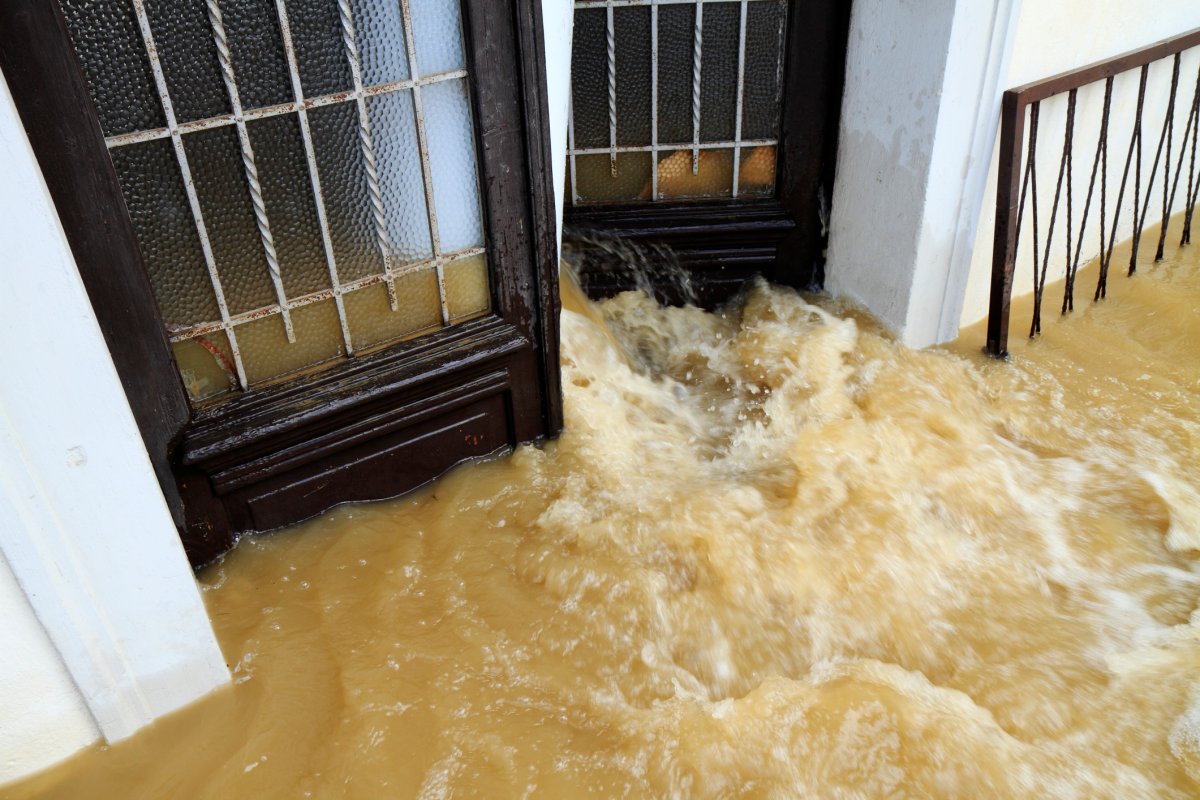
Dealing with a flooded home is one of the most overwhelming challenges a property owner can face. Whether a severe weather event dumps feet of water into a living space or a sudden plumbing failure leaves a basement completely submerged, the physical and emotional toll is immense. Beyond the immediate shock, homeowners are thrust into a complex timeline of emergency response, structural triage, insurance documentation, and heavy-duty remediation.
While the cleanup process can feel like an insurmountable mountain, having the right gear, safety protocols, and a clear chronological plan can mitigate further destruction and protect your health. From initial safety gear and heavy-duty extraction tools to mold prevention and insurance documentation, this comprehensive guide outlines everything you need to know to safely navigate flood recovery.
Main Facts: The Anatomy of Flood Damage
Floodwaters rarely consist of clean, clear H₂O. Depending on the source—be it overflowing rivers, torrential storm runoff, or backed-up municipal sewers—water inside a home introduces a host of immediate and long-term hazards.
Health and Safety Hazards
- Biological and Chemical Contamination: Floodwaters frequently carry agricultural runoff, raw sewage, heavy metals, and hazardous household chemicals (like paint thinners, motor oil, and pesticides). Direct contact can cause severe skin infections, gastrointestinal illness, and respiratory complications.
- Electrical Shock: Submerged outlets, extension cords, and electrical panels pose a lethal electrocution risk. Water is an exceptional conductor of electricity; entering a flooded room before power is completely isolated at the main breaker can be fatal.
- Structural Compromise: Saturated drywall, swollen wood framing, and water-logged subflooring lose structural integrity rapidly, creating cave-in hazards for ceilings and floors.
- Secondary Invaders: Excess moisture attracts pests, rodents, and insects looking for high ground, while mold and mildew can begin colonizing organic materials within 24 to 48 hours.
Chronology: The Step-by-Step Flood Recovery Timeline
To minimize permanent structural damage and health risks, homeowners must approach cleanup methodically. The recovery process generally follows a strict chronological framework:
Phase 1: Immediate Safety and Power Isolation (Hours 0–12)
Before setting foot in a flooded home, personal safety is paramount. Do not enter standing water until local authorities or a licensed electrician confirm that the power grid and the home’s electrical system have been safely shut off.
- Equip yourself with proper personal protective equipment (PPE), including an N95 respirator mask, heavy-duty rubber gloves, safety glasses, and tall, insulated waterproof boots.
- If water levels inside the home are high, check that your boots are tall enough to prevent contaminated water from spilling over the top. If contact occurs, wash exposed skin immediately.
Phase 2: Rapid Water Extraction (Hours 12–48)
Once power is isolated and the area is deemed safe to enter, the race against mold begins. Removing standing water as quickly as possible dictates how much of your home can be saved.
- Manual Removal: For broad areas, buckets, mops, and heavy-duty towels allow multiple family members or helpers to pitch in. While inefficient compared to mechanical pumps, this keeps the cleanup moving.
- Mechanical Extraction: Deploying a wet/dry shop vacuum is vital for sucking water off hard floors and pulling deep-seated moisture out of rugs, upholstered furniture, and carpets before hanging them out to dry.
Phase 3: Demolition and Debris Removal (Days 2–5)
If water has lingered for more than a day, porous materials like insulation, wall-to-wall carpeting, and lower sections of drywall are typically unsalvageable.
- Use a durable pry bar to peel away water-damaged drywall, baseboards, and soaked flooring. Removing these materials exposes the wall cavities, allowing structural studs to dry out.
- Deposit all debris directly into heavy-duty contractor bags. Proper bagging prevents insects and rodents from nesting in wet piles and keeps the workspace manageable.
- Utilize shovels if thick layers of silt, mud, and dirt have washed into basements or lower levels. Shovels make quick work of heavy sediment, helping you scoop sludge into buckets or waterproof bins for disposal.
Phase 4: Structural Drying and Dehumidification (Days 5–19)
Surface dryness is deceptive; moisture trapped deep inside concrete foundations, subfloors, and framing lumber will cause lingering damage if not actively extracted.
- Whole-House Dehumidifiers: Standard portable dehumidifiers are insufficient for major floods. Homeowners need commercial-grade or whole-house dehumidifiers capable of continuous drainage via a hose. These units may need to run continuously for up to two weeks.
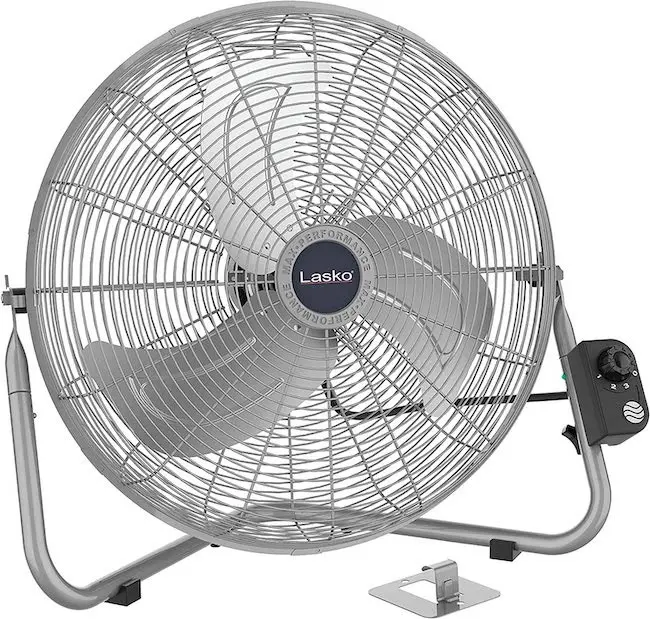
- High-Velocity Air Movers: Position industrial fans strategically to push stagnant air out of windows and open doors. Combining air movers with dehumidifiers creates cross-ventilation, rapidly evaporating moisture from furniture and structural elements.
Phase 5: Sanitation, Mold Prevention, and Reconstruction (Weeks 2 and Beyond)
Once humidity levels normalize and structural elements are dry, biological remediation must take place.
- Scrub all exposed framing, subfloors, and concrete with an EPA-registered disinfectant or mold cleaner.
- Follow up with a dedicated mold-inhibiting treatment to protect against future fungal growth behind new walls.
- Only after thorough testing confirms low moisture content should insulation, drywall, and finish flooring be reinstalled.
Supporting Data: Essential Gear Checklist for Homeowners
Being prepared can cut days off your recovery time. Every homeowner should keep a localized emergency kit containing the following essential tools:
| Equipment Category | Purpose / Function | Recommended Tool / Product |
|---|---|---|
| Personal Safety | Protects against biological contaminants, debris, and chemical hazards. | Insulated waterproof boots, N95 masks, heavy-duty gloves, safety glasses. |
| Water Removal | Suctions standing water from floors and fabrics; handles bulk mud. | Wet/dry shop vac (e.g., Vacmaster), heavy-duty shovels, buckets, mops. |
| Demolition | Tears out saturated drywall, baseboards, and warped flooring. | Durable pry bar, claw hammer, utility knives. |
| Containment | Safely stores biohazardous debris, ruined carpets, and soggy insulation. | 3-mil to 6-mil thick contractor trash bags. |
| Environmental Control | Pulls deep moisture from the air and structures; circulates stale air. | Whole-house continuous-drain dehumidifier, high-velocity floor fans. |
| Sanitation | Kills bacteria, prevents mildew, and halts fungal spores. | EPA-registered disinfectants and mold-inhibiting sprays. |
| Documentation | Records physical losses for insurance claims without relying on phones. | Dedicated digital camera stored in a waterproof, easily accessible case. |
Official Responses and Insurance Considerations
Dealing with insurance adjusters after a disaster can be stressful, but proper documentation protects your financial investment.
The Importance of Visual Evidence
Insurance experts emphasize that policyholders should never rely solely on memory or verbal accounts of flood damage. Initial impressions of destruction often underestimate long-term structural and cosmetic costs. Furthermore, smartphones can easily become water-damaged or lose battery power during an emergency, rendering them useless for capturing immediate evidence.
Best Practice: Keep a dedicated digital camera stored in a high, flood-safe location (such as a top-shelf emergency bin or upper-level closet). Immediately following a flood, fire, or structural impact, use this camera to capture wide-angle and close-up photos of:
- High-water lines on walls and furniture.
- Saturated flooring, buckling hardwood, and sagging ceilings.
- Damaged personal belongings before they are discarded into contractor bags.
- Exterior structural issues, such as compromised foundations or fallen trees.
Saving damaged materials (such as small pieces of ruined carpet or cabinetry panels) in a garage or shed can also provide physical proof for adjusters if disputes arise over the extent of the loss.
Implications: Long-Term Outlook for Flood-Prone Properties
As extreme weather events become more frequent due to shifting global climate patterns, homeowners across the country face heightened risks of property flooding. The implications of a single major flood extend far beyond the immediate financial hit of repairs:
- Property Value Impacts: Homes that experience repeated flooding often see a decline in market value and face stricter disclosure requirements when sold. Investing in proactive mitigation—such as installing sump pumps with battery backups, grading soil away from foundations, and elevating electrical systems—protects long-term equity.
- Insurance Realities: Standard homeowner insurance policies notoriously exclude flood coverage. Property owners living in designated flood zones must carry separate policies through the National Flood Insurance Program (NFIP) or private insurers. Understanding policy limits and exclusions before a disaster strikes is critical.
- Health Implications: Failing to properly remediate mold and mildew can transform a home into a chronic health hazard, triggering asthma, chronic sinusitis, and long-term respiratory distress for occupants.
By prioritizing safety, deploying the correct drying and extraction technology, and adhering to a strict chronological cleanup plan, homeowners can reclaim their spaces and secure a healthier, more resilient future.
