

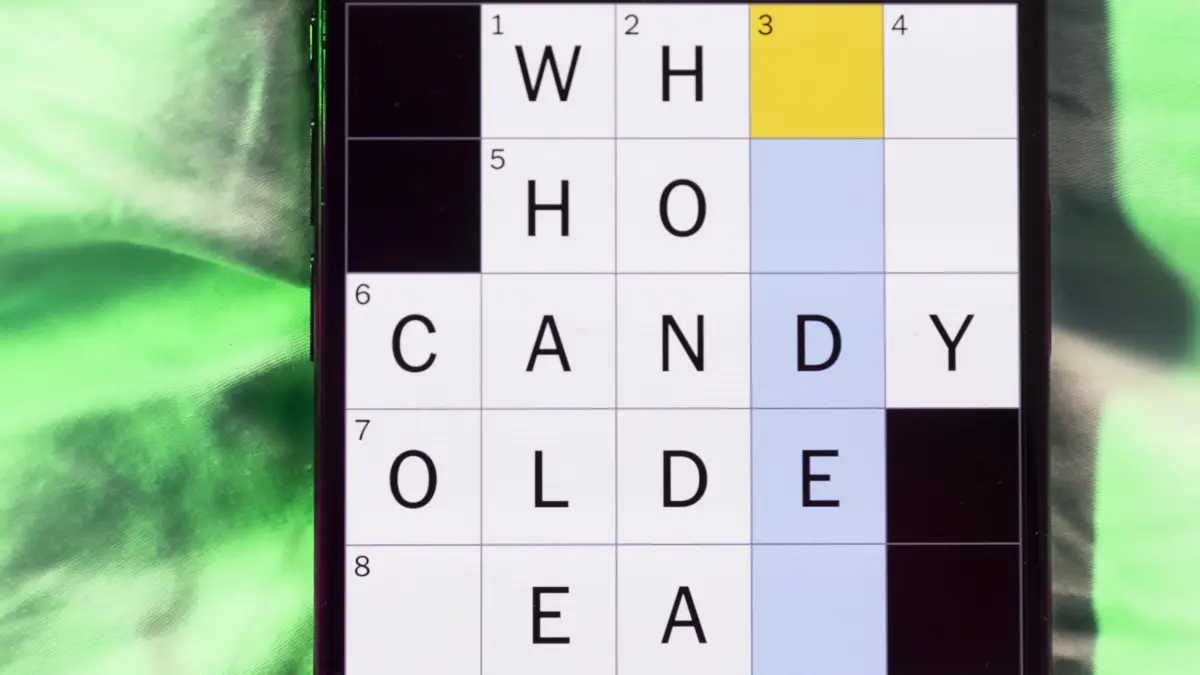
For millions of daily puzzle enthusiasts, the New York Times Mini Crossword has become an indispensable morning ritual. Offering a swift, bite-sized intellectual workout compared to its formidable Sunday cousin, the Mini has carved out a permanent niche in the digital routines of commuters, students, and professionals alike. Whether you are racing against the clock for a personal best or simply trying to untangle a stubborn clue over your morning coffee, navigating today’s grid requires a blend of vocabulary, pop culture fluency, and lateral thinking.
This comprehensive guide provides all the answers, clues, contextual breakdowns, and strategic insights you need to conquer today’s puzzle, alongside a broader look at the daily puzzle ecosystem that keeps millions coming back for more.
Main Facts: Deconstructing Today’s Grid
Stumped by a tricky corner of the board? Before diving into the full solution set, it helps to understand the architecture of today’s puzzle. Featuring a compact grid layout, the New York Times Mini Crossword relies heavily on wordplay, contemporary cultural touchstones, and snappy definitions.
For puzzle solvers working through today’s specific challenge, a few clues stand out as pivotal roadblocks—most notably 5-Down, which bridges contemporary country music culture directly into the crosshairs of the puzzle grid. Knowing your modern chart-toppers is no longer just for Spotify users; it is a requisite skill for modern word-game aficionados.
Below is the complete, verified answer key for both Across and Down clues to help you check your work or clear your remaining hurdles.
Across Clues and Answers
- 1A Clue: Old-fashioned business?
- Answer:
BAR
- Answer:
- 4A Clue: Start of a tennis point
- Answer:
SERVE
- Answer:
- 6A Clue: Basic bagel variety
- Answer:
PLAIN
- Answer:
- 7A Clue: Like the most famous Hollywood celebrities
- Answer:
ALIST
- Answer:
- 8A Clue: “Hoo-boy!”
- Answer:
MAN
- Answer:
Down Clues and Answers
- 1D Clue: It’s in your head
- Answer:
BRAIN
- Answer:
- 2D Clue: Car rental option
- Answer:
AVIS
- Answer:
- 3D Clue: Monthly expense
- Answer:
RENT
- Answer:
- 4D Clue: Many a call from an unknown number
- Answer:
SPAM
- Answer:
- 5D Clue: ___ Langley, singer with the 2026 #1 hit “Choosin’ Texas”
- Answer:
ELLA
- Answer:
Chronology: The Evolution of the Daily Puzzle Habit
To understand why millions of people eagerly seek out puzzle hints and walkthroughs every single morning, one must examine the modern evolution of daily digital gaming habits. The phenomenon of the daily bite-sized puzzle did not happen overnight; it is the culmination of decades of newspaper traditions meeting the fast-paced demands of smartphone culture.
The Print Era to the Pocket Screen
For generations, the New York Times Crossword was a fixture of the Sunday broadsheet—a sprawling, deeply intellectual challenge that required an eraser, a cup of coffee, and often an advanced vocabulary. While loyal subscribers cherished the traditional format, the lifestyle shifts of the 21st century demanded something faster.

Enter the New York Times Mini Crossword. Launched to capture the attention of younger, faster-paced digital readers, the Mini stripped away the intimidating real estate of the standard grid, offering a 5×5 or similarly compact layout that could be completed in under a minute.
The Rise of the Daily Puzzle Ecosystem
The launch of the Mini paved the way for a broader cultural obsession with daily web-based games. When Josh Wardle introduced Wordle to the world in late 2021, it sparked a global awakening. Overnight, sharing color-coded emoji grids became a universal social media language. Recognizing the immense cultural and traffic value of these digital pastimes, major media outlets quickly expanded their offerings.
Today, platforms like CNET and other leading digital publishers do not merely report the news; they actively participate in the daily ritual by publishing comprehensive hints, walkthroughs, and answers for a suite of games—including Wordle, Connections, Connections: Sports Edition, Strands, and, of course, the New York Times Mini Crossword. This ecosystem has transformed solo puzzling into a communal, global event where players compare times, troubleshoot tricky clues, and share strategies online.
Supporting Data: Dissecting the Clues
A closer look at today’s puzzle reveals the clever mechanics that editors use to keep solvers on their toes. Let’s break down the linguistic tricks, cultural references, and definitions behind the answers.
Wordplay and Definitions
- 1A (“Old-fashioned business?” — BAR): A classic piece of crosswording misdirection. While "business" often conjures images of corporate boardrooms, tech startups, or brick-and-mortar retail shops, an "old-fashioned" points directly to the classic cocktail, which is famously served at a bar.
- 4D (“Many a call from an unknown number” — SPAM): A universally relatable modern annoyance. As robocalls and telemarketing campaigns have evolved, the word "spam" has seamlessly transitioned from canned meat and junk email to unwanted telephone interruptions.
- 1D (“It’s in your head” — BRAIN): Another playful double entendre. Taken literally, the brain resides inside the skull. However, phrasing clues as physical riddles is a staple of mini crosswords designed to make solvers second-guess straightforward physiological terms.
Pop Culture Integration
The intersection of music and crosswords has always been fertile ground for puzzle constructors. Consider 5-Down: ___ Langley, singer with the 2026 #1 hit “Choosin’ Texas.”
Incorporating contemporary musical acts keeps the Mini feeling fresh and culturally relevant. While older generations of crossword solvers might rely strictly on historical trivia and classical literature, today’s puzzles actively require fluency in current entertainment trends. Knowing that Ella Langley stands behind a modern chart-topping anthem allows solvers to instantly drop four letters into the grid, opening up intersecting across-clues like 6A (“PLAIN”) and 7A (“ALIST”).
Official Responses: The Philosophy of the Mini Crossword
How do creators approach designing a puzzle that must appeal to both hardcore lexicographers and casual smartphone gamers? Editors of the New York Times games division have frequently noted that crafting a Mini requires a delicate balance of accessibility and wit.

According to puzzle editors, the primary goal of the Mini is to lower the barrier to entry into the world of word games. Unlike the regular crossword, which can feature obscure historical figures, archaic terminology, and complex cross-referencing, the Mini relies on conversational language, current pop culture, and universally understood concepts.
Furthermore, editorial guidelines emphasize fairness. Every clue must have a logical justification, whether through direct definition, pun, or pop-culture touchstone. When a puzzle introduces a contemporary reference—such as a breakout musical artist—it is paired with reliable, highly accessible anchor words elsewhere in the grid (like RENT at 3D or AVIS at 2D) to ensure that even solvers unfamiliar with the specific music reference can still complete the puzzle using intersecting letters.
Implications: Why We Crave the Daily Grid
The enduring popularity of the New York Times Mini Crossword and its companion games carries broader implications for how we consume media, manage stress, and build digital communities in the 2020s.
Mental Break and Cognitive Refresh
In an era defined by doomscrolling, endless email notifications, and an overwhelming influx of breaking news, the human brain desperately seeks micro-breaks that offer a sense of control and accomplishment. Completing a Mini Crossword takes only a fraction of the time required for a traditional puzzle, but it delivers an immediate dopamine hit. Successfully resolving a tricky clue or finishing an entire grid provides a tangible sense of closure—a rare commodity in the modern digital workspace.
The Social Currency of Puzzles
Daily games have also redefined digital watercooler culture. Long gone are the days when people bonded exclusively over television recaps or morning newspapers. Today, colleagues, family members, and online communities bond over shared struggles with specific Wordle words, tricky Connections categories, or fast Mini Crossword completion times.
When websites publish daily walkthroughs and hints, they are not merely offering cheat codes; they are fueling a global conversation. Whether you use hints as a safety net when you are truly stuck or read them afterward to appreciate the cleverness of the constructor’s wordplay, these guides are an integral part of the modern puzzle-solving experience.
Looking Ahead
As digital gaming continues to evolve, the humble crossword grid has proven remarkably resilient. By blending timeless linguistic traditions with hyper-current pop culture references, the New York Times Mini Crossword ensures that wordplay remains vibrant, engaging, and accessible for generations to come. So the next time you find yourself staring at an unfamiliar name at 5-Down or scratching your head over a clever bit of misdirection at 1-Across, remember: you are part of a massive, global community sharing in the daily joy of the grid.
