

WASHINGTON — In the vast arsenal of home improvement supplies, few materials are as universally underestimated and underutilized as caulk. While novice homeowners often view it merely as a finishing agent for bathtubs and kitchen sinks, seasoned contractors and renovation experts know that this rubbery, versatile substance is a premier line of defense against structural decay, energy loss, and costly household damage.
Available in a wide array of specialized formulations—including silicone, latex, acrylic, butyl rubber, polyurethane, and heavy-duty construction adhesives—caulk possesses the unique ability to bond with virtually any building material. Whether addressing a minuscule gap in interior trim or protecting a roof from seasonal moisture intrusion, the right tube of caulk can solve an astonishing variety of domestic problems.
Industry data from home maintenance authorities highlights that proactive caulking is among the highest-return investments a homeowner can make. By understanding the chemical properties of different sealants and applying them to strategic trouble spots, residents can prevent premature wear, lower energy bills, and maintain structural integrity.
Main Facts: The Anatomy of Modern Caulk
To understand why caulk is the ultimate DIY multi-tool, one must examine its diverse formulations. Selecting the wrong type of sealant for a specific job is the leading cause of premature failure in home repairs.
- Acrylic Latex and Vinyl Latex: Best utilized indoors for dry or mildly damp environments. Acrylic latex provides exceptional flexibility and paintability, making it the top choice for baseboards, crown molding, and minor wall cracks. Vinyl latex handles moisture slightly better in low-stress areas.
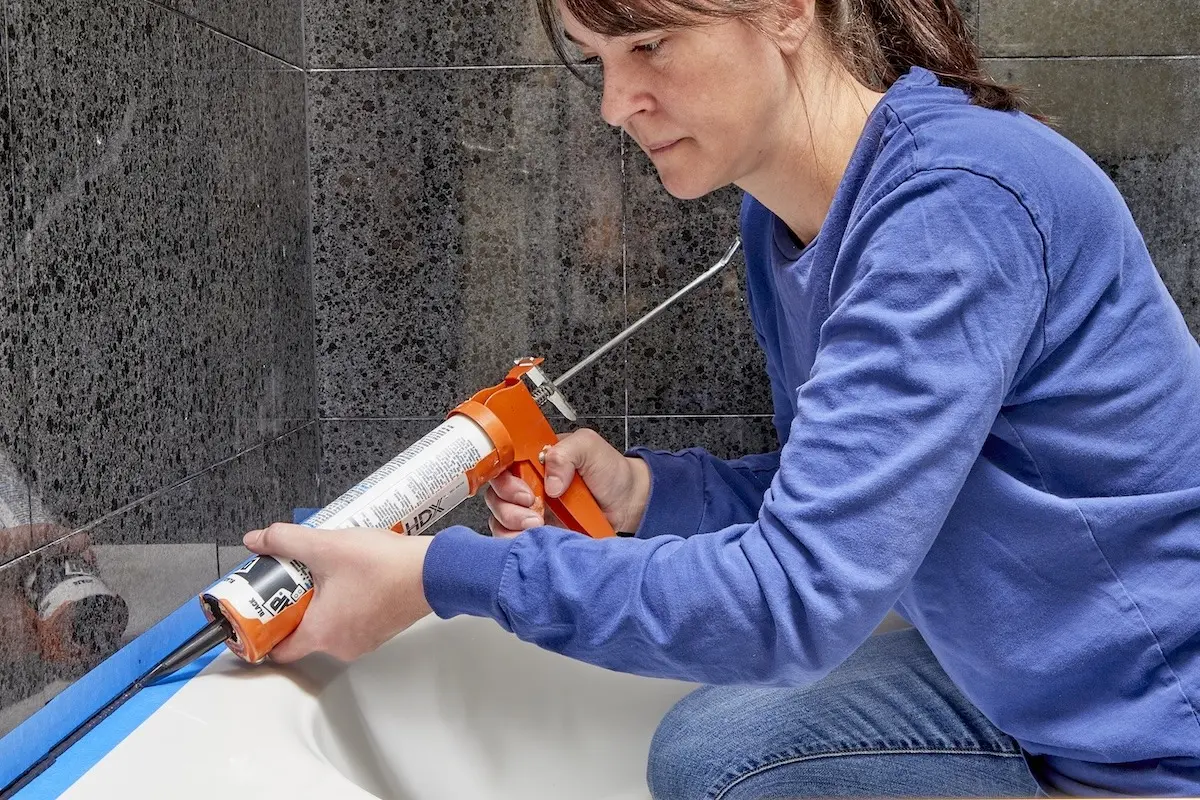
- 100% Silicone: The gold standard for wet environments such as bathrooms and kitchens. It forms a permanently flexible, waterproof seal that resists mold and mildew, though it cannot be painted over.
- Concrete, Mortar, and Asphalt Repair Sealants: Specially textured and formulated to mimic masonry and pavement, these elastomeric compounds expand and contract with fluctuating outdoor temperatures to seal foundation fissures and driveway cracks.
- Butyl Rubber and Polyurethane: Heavy-duty champions designed for extreme outdoor conditions. They offer superior weatherproofing for metal junctions, roof flashing, and gutters.
- Fire Barrier Sealants: Intumescent formulations engineered to expand when exposed to high heat, physically blocking flames and toxic gases from migrating through structural wall cavities.
Chronology: The Evolution of Household Sealing
The history of caulking spans centuries, evolving from primitive natural remedies to advanced polymer chemistry.
- Ancient Beginnings: Early maritime and domestic builders utilized natural fibers packed into gaps, sealed with pitch, tar, beeswax, or animal fat to keep out water and drafts.
- The Mid-20th Century Boom: The post-World War II housing boom accelerated the development of synthetic chemicals. Oil-based putties gave way to the first generation of latex and acrylic caulks, making home weatherization accessible to the average consumer.
- The Silicone Revolution (1970s–1990s): The introduction of moisture-curing silicone sealants revolutionized kitchen, bath, and exterior construction by offering unprecedented longevity, flexibility, and resistance to fungal growth.
- Modern Specialty Formulations (2000s–Present): Today, manufacturers engineer task-specific products—such as paintable silicone hybrids, fire-retardant barriers, and textured masonry caulks—transforming a once-generic hardware store item into a precision engineering tool.
Supporting Data: The Cost of Neglected Gaps
According to the Consumer Federation of America and regional energy audits, air leaks account for a significant percentage of a home’s heating and cooling losses.
- Energy Efficiency: Air infiltration through unsealed windows, doors, and rim joists forces HVAC systems to work up to 20% harder, directly driving up monthly utility bills.
- Moisture Damage: A gap as small as 1/32 of an inch around a shower tile or window frame can allow thousands of moisture droplets to enter wall cavities annually through vapor diffusion, leading to extensive wood rot and toxic mold remediation expenses that routinely exceed thousands of dollars.
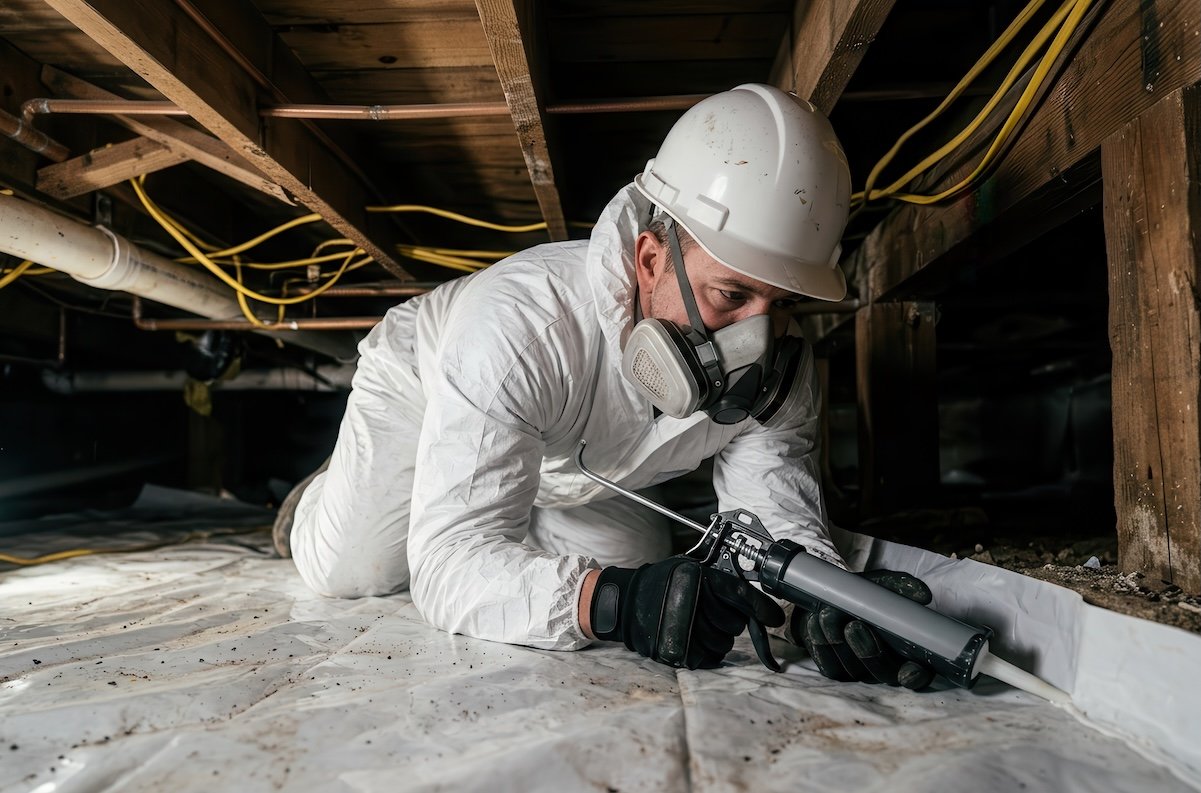
- Pest Prevention: Rodents can compress their skeletons to squeeze through openings no larger than a dime. Sealing foundation and crawlspace cracks with appropriate concrete or mortar repair caulk is cited by pest control agencies as the most effective non-chemical preventative measure.
Expert Insights and Official Perspectives
Industry groups and consumer advocacy organizations consistently emphasize maintenance over major reconstruction. Bob Vila and other home preservation experts frequently stress that preventive inspections can catch minor cracks before they morph into major structural liabilities.
"The beauty of modern caulking technology is that it bridges the gap between amateur DIY capability and professional-grade durability," notes a senior technical advisor for national building standards. "When applied correctly to clean, dry surfaces, a five-dollar tube of sealant can literally save a homeowner thousands of dollars in averted water damage, energy waste, and pest eradication."
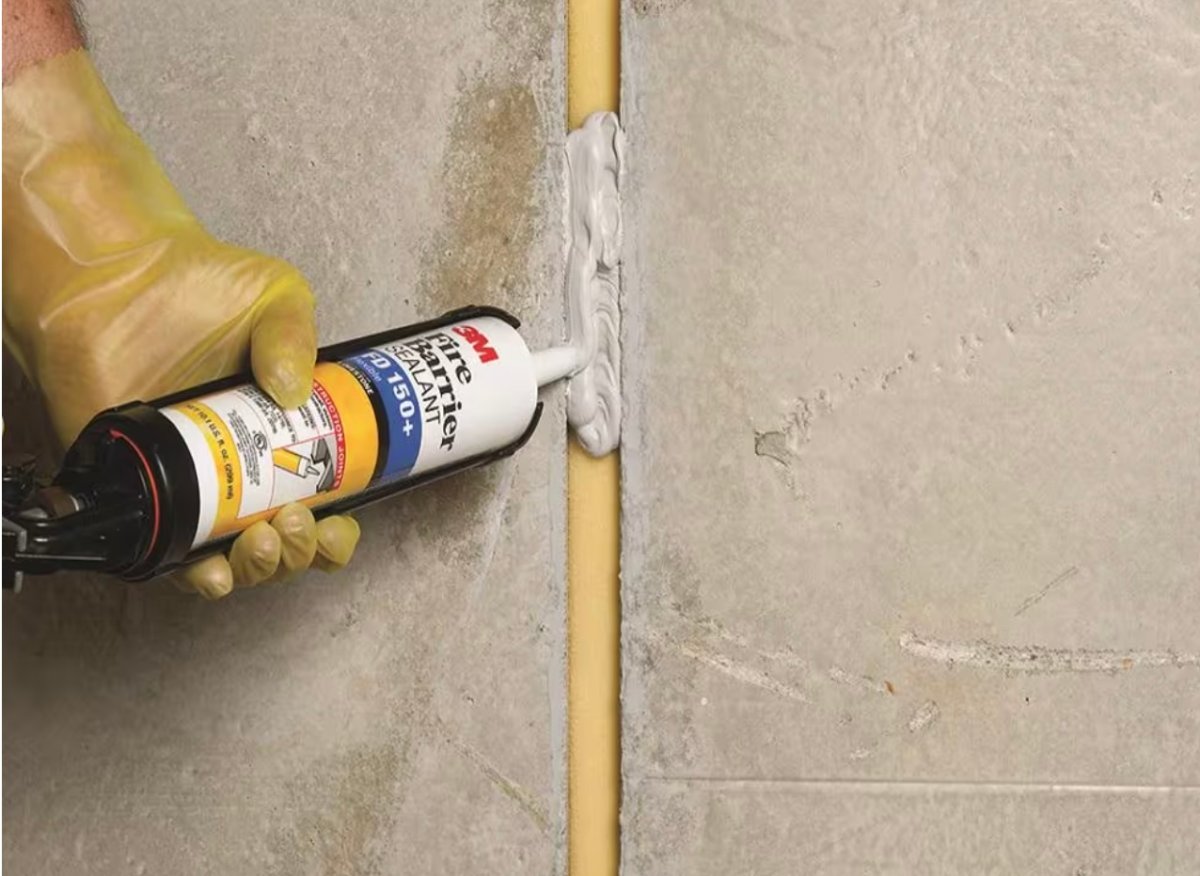
Building code officials also underscore the critical nature of specialized applications, such as fire barrier sealants. Code compliance requires penetrations in fire-rated walls—around electrical conduit and plumbing lines—to be strictly sealed to maintain compartmentalization during a structural fire.
Implications: 15 Everyday Problems Solved by Caulk
With the correct product in a caulk gun, homeowners can systematically tackle the following domestic challenges:
1. Drafty Windows and Doors
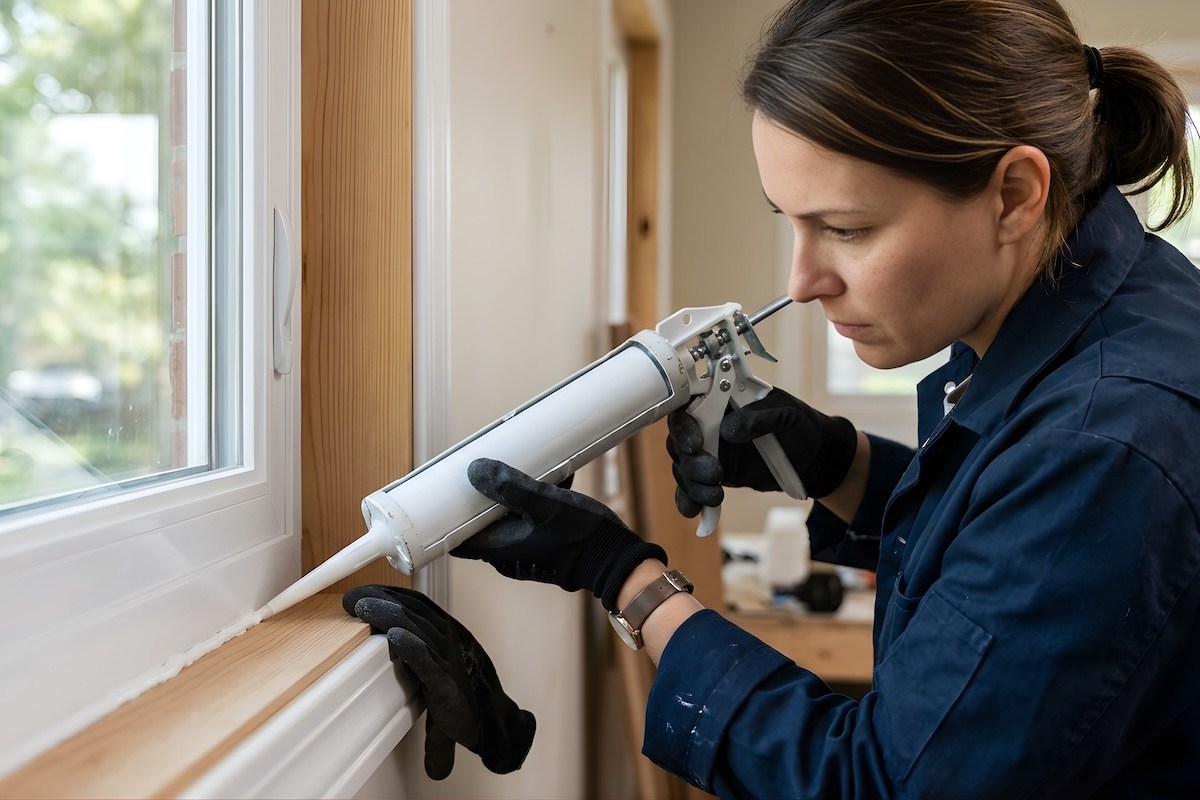
Applying acrylic latex or vinyl latex caulk around window frames and exterior door trim eliminates air drafts. This single task enhances residential energy efficiency, lowers carbon footprints, and reduces heating and cooling costs.
2. Pest Ingress Points
Insects and rodents frequently exploit tiny fissures in foundations, basements, and exterior brickwork. Concrete and mortar repair caulk fills these voids permanently, providing a textured, paintable surface that locks pests out.
3. Gaps Around Baseboards
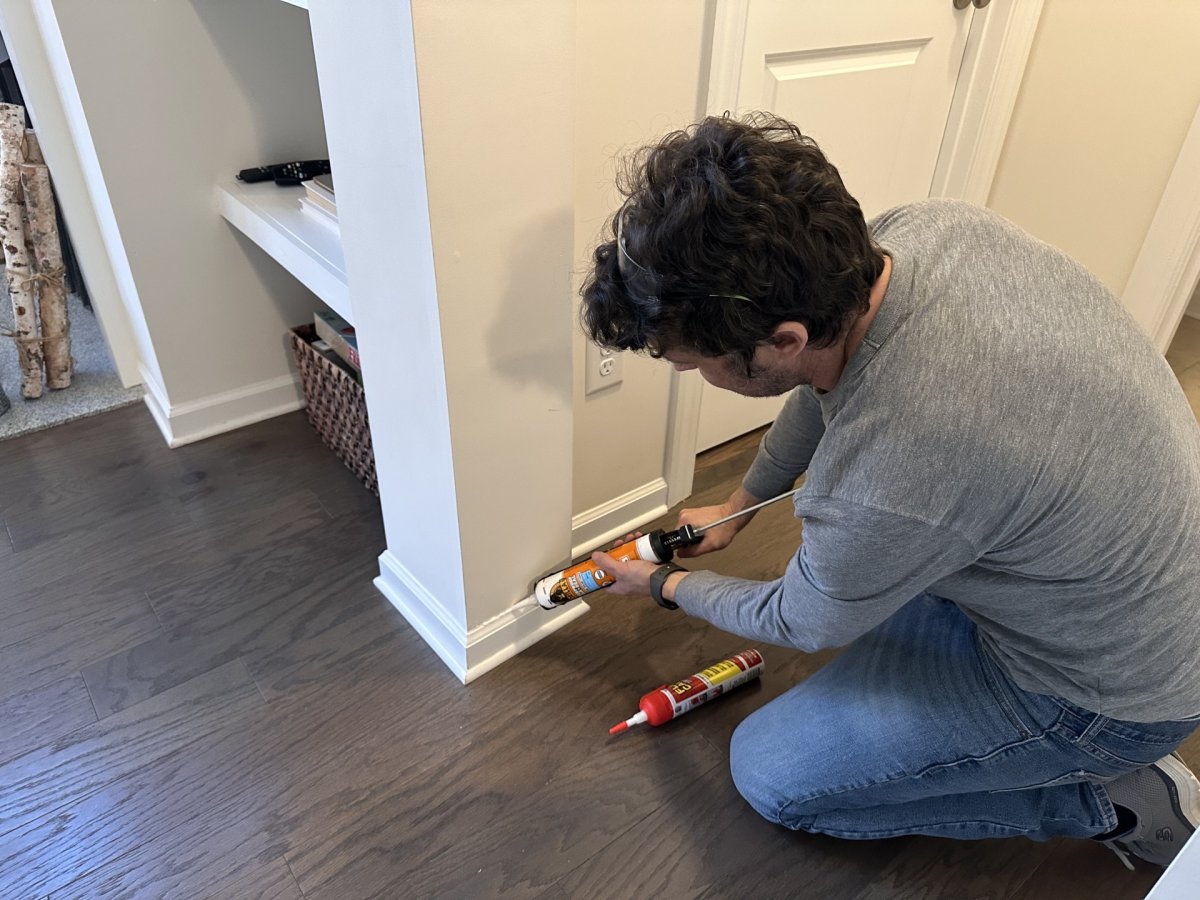
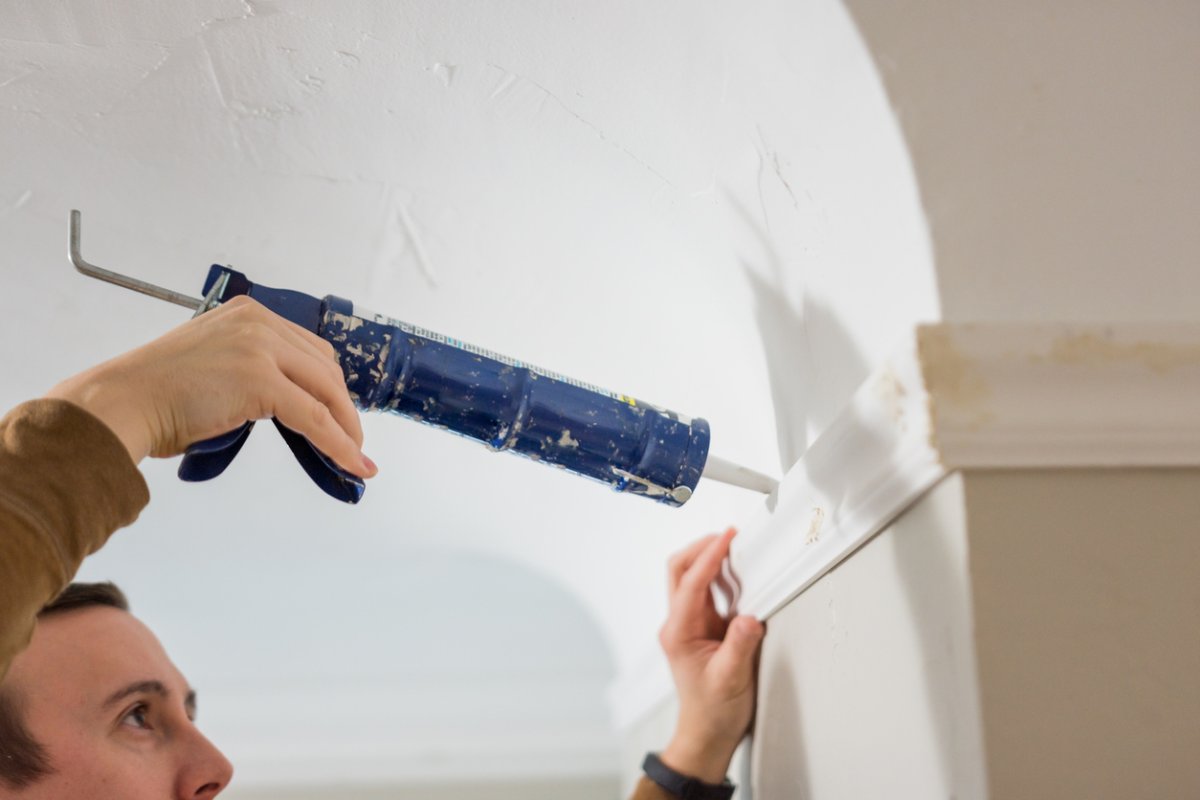
Uneven framing often leaves unsightly gaps above and below baseboards and molding. Flexible acrylic latex caulk fills these spaces seamlessly, accepts paint within hours, and can be color-matched to trim.
4. Moisture and Mold Behind Bathroom Tile
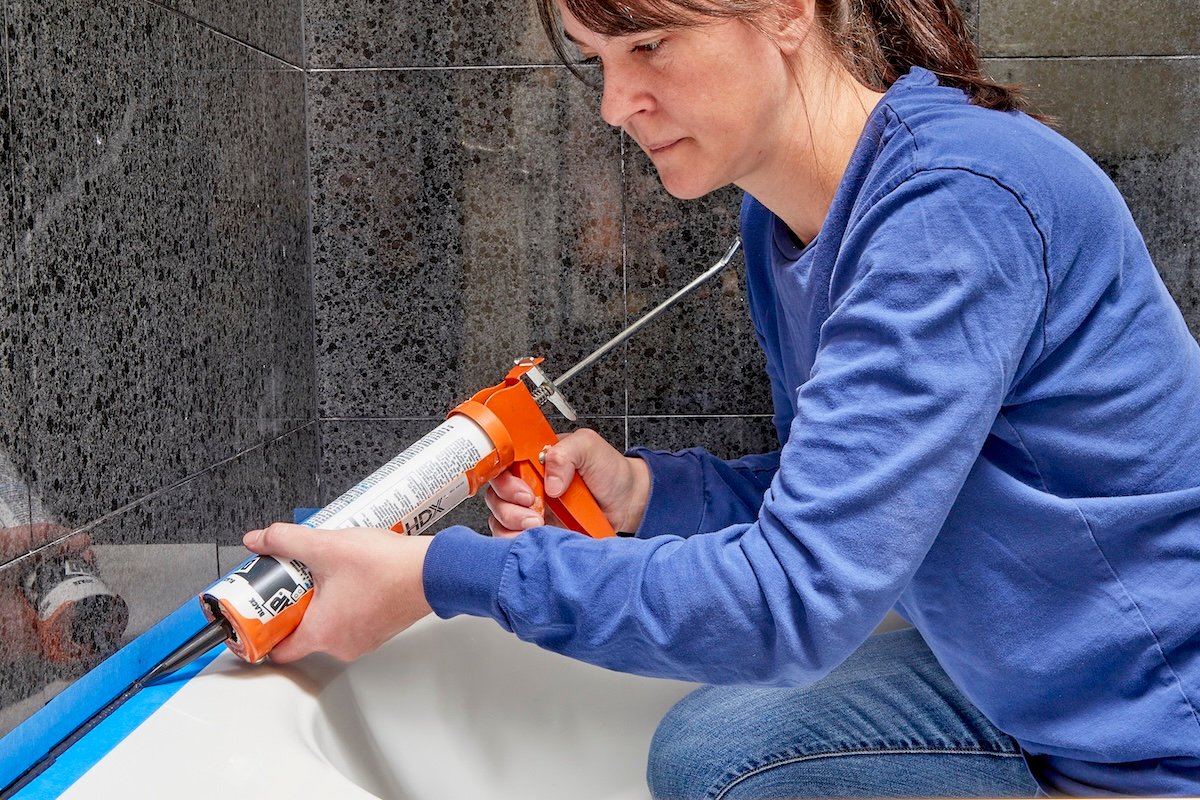
Eroded grout and tile joints invite destructive mold behind shower walls. 100% silicone or siliconized acrylic caulks create a watertight, mold-resistant barrier that protects nonporous surfaces like ceramic and glass.
5. Cracks and Holes Prior to Painting
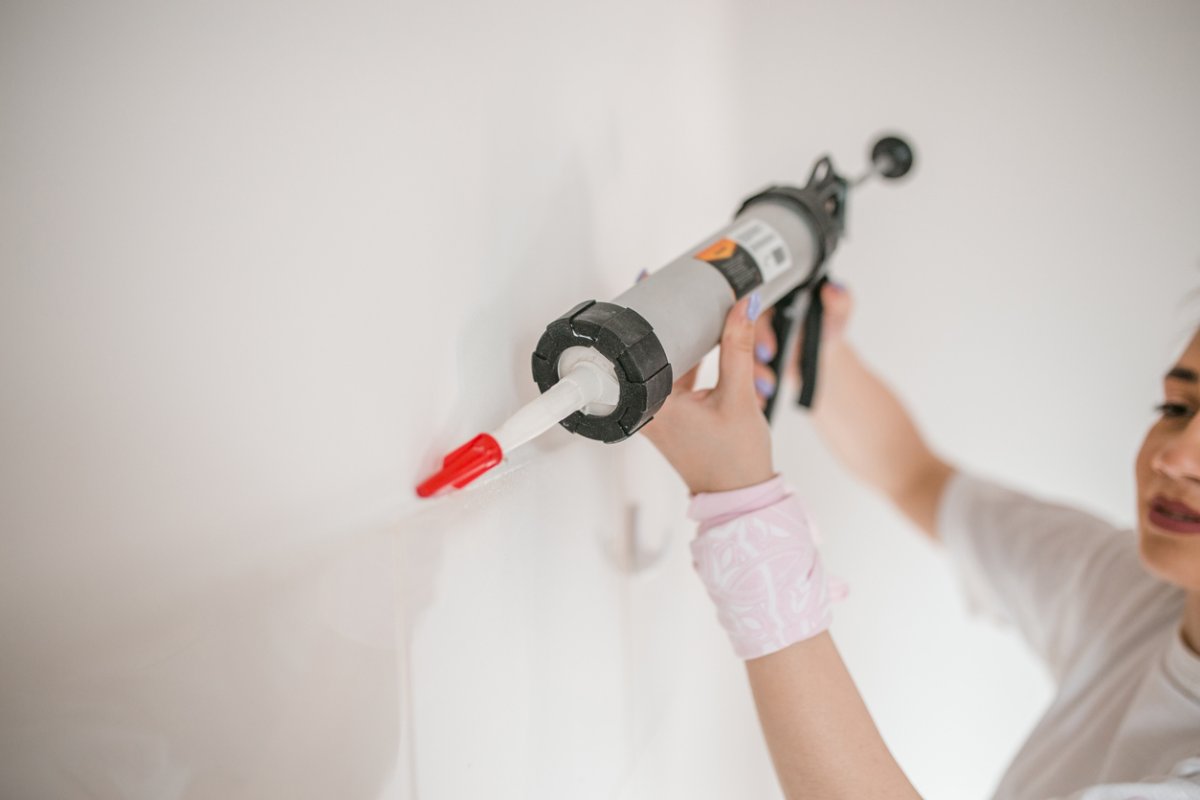
Painter’s caulk (an acrylic latex compound) adheres smoothly to drywall, wood, and masonry, filling minor surface flaws so that interior paint jobs look crisp and professional.
6. Fire Migration Through Wall Cavities
Intumescent fire barrier sealants actively expand under high heat, sealing off internal structural pathways around electrical boxes and plumbing pipes to slow the spread of fire.
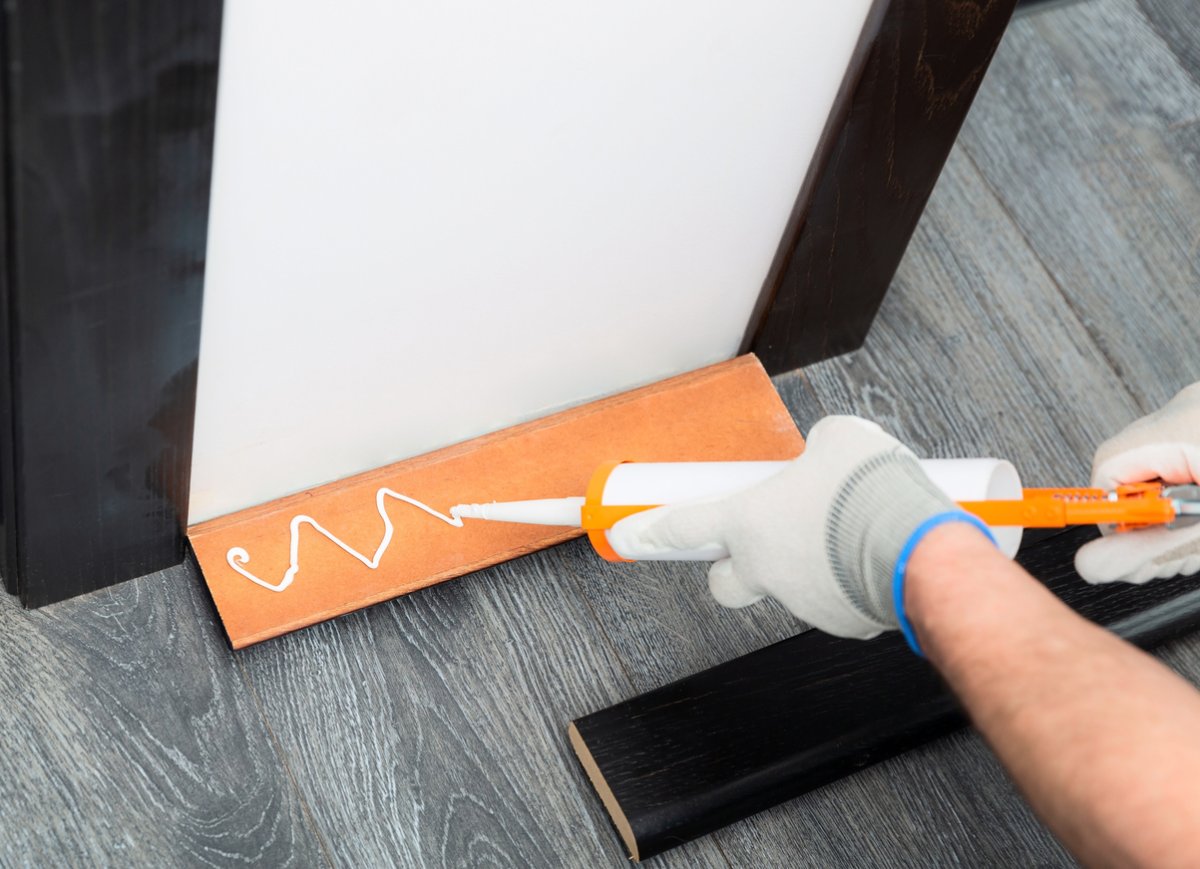
7. Loose Carpets, Tiles, and Molding
When a corner of carpet lifts or a piece of wood trim loosens, a dab of all-purpose construction caulk or silicone works as an effective immediate adhesive.
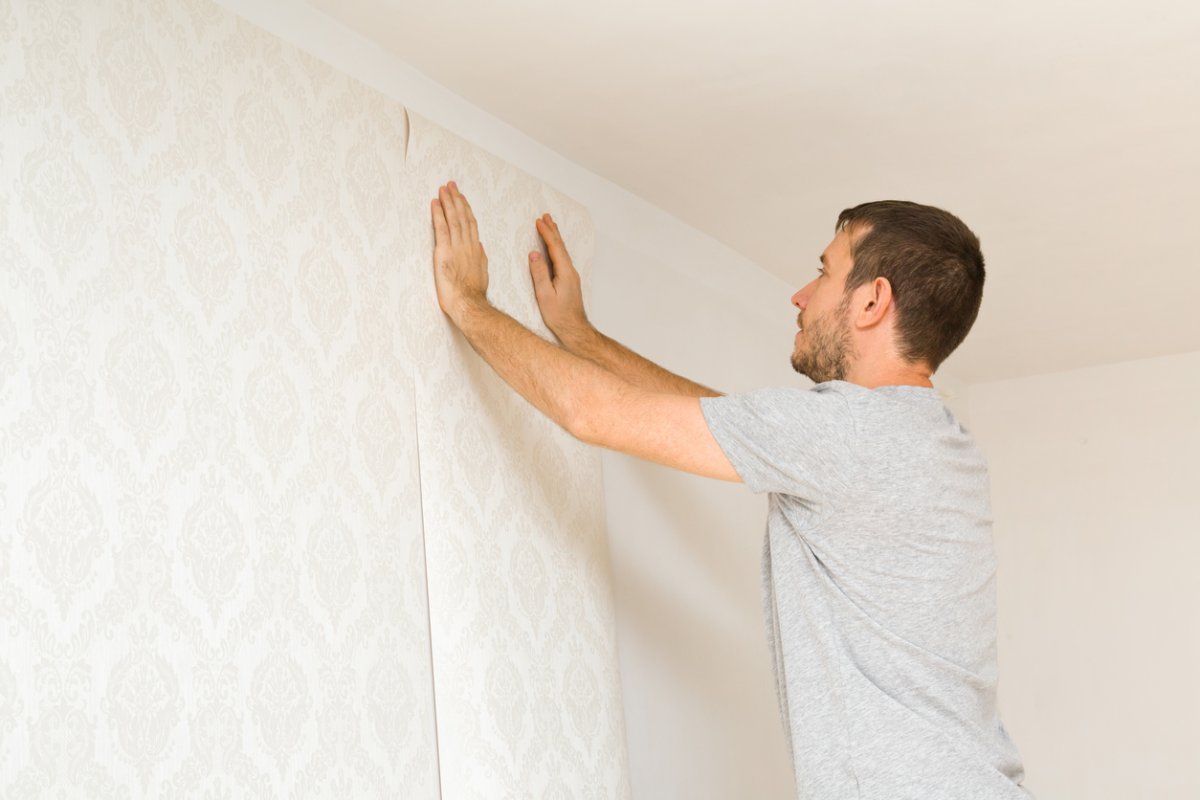
8. Peeling Wallpaper Seams
Running a thin bead of decorator’s caulk along trimmed wallpaper corners and smoothing it with a damp sponge prevents edges from curling as the adhesive dries.
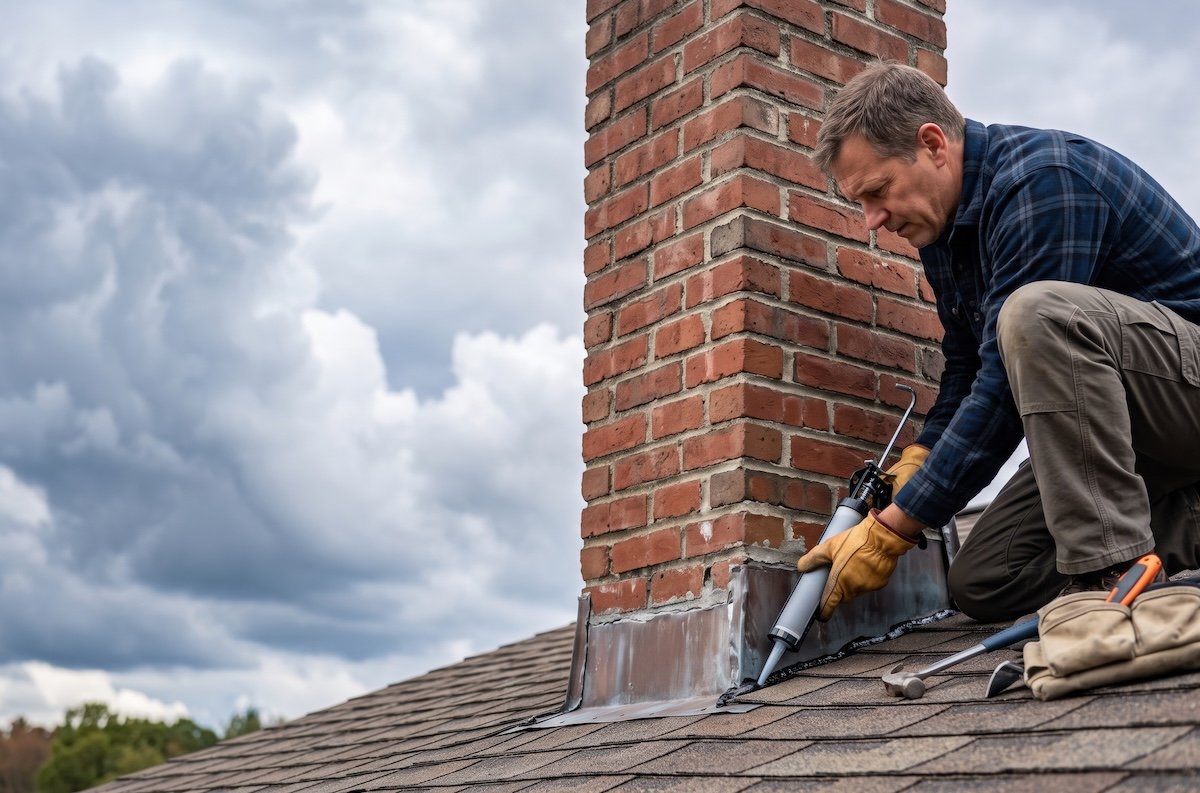
9. Cracks in Roof Flashing and Shingles
Weatherproof roof cement caulk provides emergency and routine reinforcement for vulnerable areas around skylights, chimneys, and shingle edges, keeping water out of the attic.
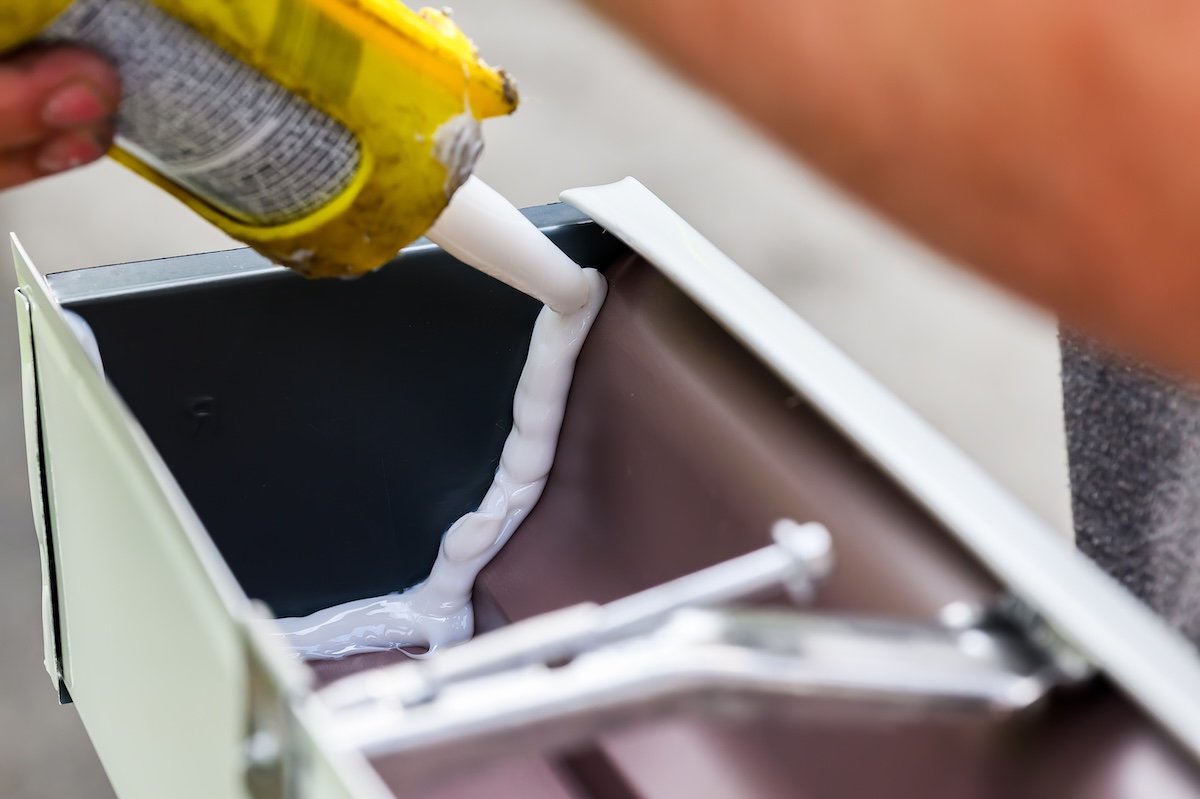
10. Leaky Rain Gutters
Aged gutters develop leaks at joint seams and downspouts. Applying butyl rubber caulk creates a heavy-duty waterproof seal that redirects rainwater safely away from the foundation.
11. Gaps in Crown Molding
Decorator’s caulk remains flexible over time, making it the ultimate tool for hiding the natural expansion and contraction gaps that appear along ornate crown molding and chair rails.
12. Holes in Vinyl Siding
Minor nail punctures or larger tears in exterior vinyl siding can be patched using color-matched exterior caulk, either by direct filling or by adhering a matching scrap piece behind the damage.
13. Debris and Mildew in Kitchen Crevices
Sealing the seam between a kitchen countertop and a tile backsplash with moisture-resistant silicone stops crumbs, bacteria, and water from decaying underlying cabinetry.
14. Scratched Hardwood Floors
Applying tiny dabs of silicone caulk to the undersides of heavy ceramic flower pots and letting them cure creates custom, non-slip protective pads that prevent abrasive scratches on wood flooring.
15. Driveway and Pavement Cracks
Asphalt or concrete cracks left unsealed will expand due to freeze-thaw cycles. Filling these gaps promptly with a flexible, water-resistant crack sealant preserves the lifespan of the driveway.
Conclusion
Caulking is far more than a routine chore; it is an essential pillar of preventative home maintenance. By understanding the specific formulations required for each task—from silicone in the shower to butyl rubber on the roof—homeowners can safeguard their properties against energy loss, water infiltration, and structural degradation with minimal expense and maximum efficiency.
