

By: Global Technology & Consumer Trends Desk
Updated: October 2023
Main Facts
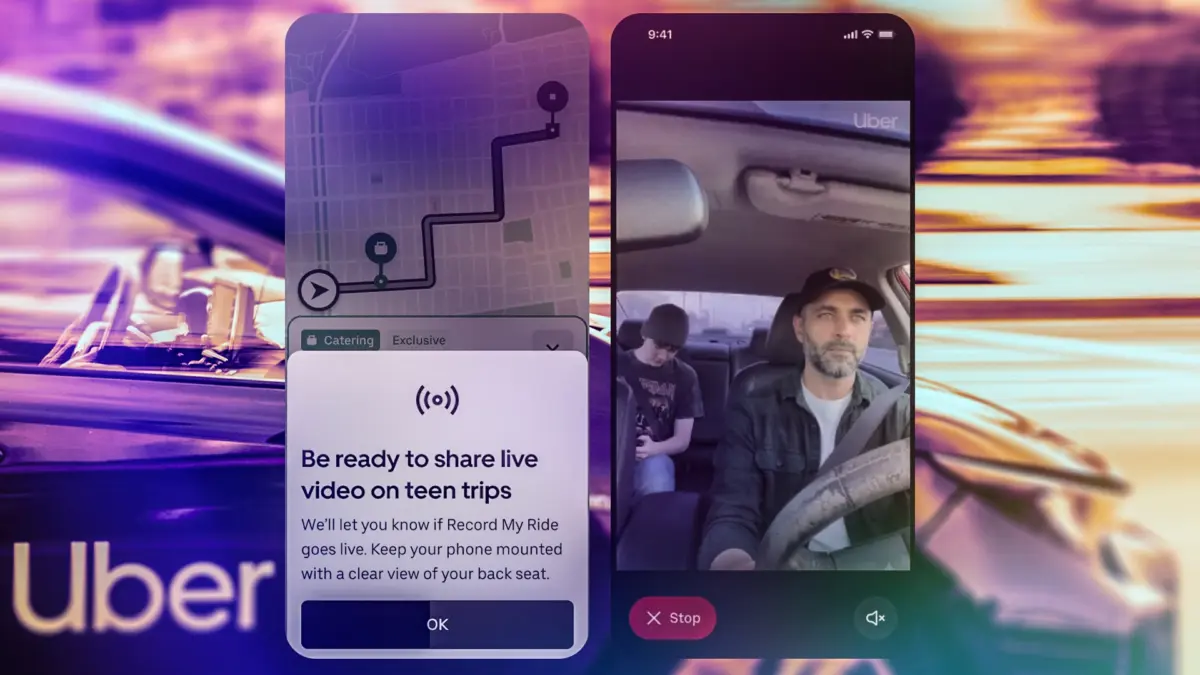
In an aggressive push to capture the family demographic and alleviate anxieties surrounding youth independent transit, Uber has introduced a real-time video streaming feature specifically tailored for its teen accounts. Announced on Tuesday, the new tool allows parents and legal guardians to bypass traditional text messages or phone calls to check in on their adolescents. Instead, authorized adults can view a live video feed directly from the driver’s smartphone selfie camera, offering a visual window into the vehicle’s cabin while a trip is underway.
The rollout builds upon Uber’s dedicated teen accounts, which first debuted in 2023 to give adolescents aged 13 to 17 the ability to hail rides under parental supervision. While the service previously relied on GPS tracking, text updates, and estimated time of arrival (ETA) notifications, the addition of live video streaming represents a significant escalation in how ride-hailing platforms approach passenger safety, privacy, and digital oversight.
Initially, the feature is being launched as a pilot program across nine distinct US markets:
- Atlanta, Georgia
- Phoenix, Arizona
- Orlando, Florida
- Raleigh-Durham, North Carolina
- Portland, Oregon
- El Paso, Texas
- San Antonio, Texas
- Cleveland, Ohio
- The state of Rhode Island
According to corporate communications from Uber, the pilot is intended to stress-test the technology, server loads, and user interface before a broader nationwide rollout scheduled for the coming weeks.
To ensure user trust and address potential legal or privacy concerns, Uber has emphasized strict operational guardrails. The video feed is encrypted end-to-end, and neither the driver, the parent, nor the teen can access or save a recording of the stream after the trip concludes. Furthermore, access is strictly limited to the parent or guardian linked directly to the teen’s account.
Chronology: The Evolution of Teen Ride-Hailing and Safety
The journey toward independent teen mobility has been marked by a careful balancing act between corporate expansion, regulatory compliance, and risk mitigation. Understanding how Uber arrived at live video streaming requires looking back at the timeline of youth-focused transport services and in-app safety innovations.
Pre-2023: The Lockout Era
For the first decade of the modern ride-hailing boom, companies like Uber and Lyft enforced strict terms of service stipulating that all primary account holders must be at least 18 years of age. Minors attempting to ride unaccompanied routinely faced account bans if drivers reported them. Despite these rules, informal workarounds—such as parents ordering rides for their teenagers from their own accounts—were common, creating significant insurance and accountability grey areas in the event of an accident or dispute.
2023: The Launch of Uber Teen Accounts
Recognizing a massive market of busy parents juggling school drop-offs, sports practices, and after-school jobs, Uber officially launched specialized "Teen Accounts" in 2023. This product fundamentally shifted the paradigm by allowing parents to invite their teenagers (ages 13–17) to set up a sub-account linked to the family profile.
Crucially, these accounts came bundled with heightened safety features unavailable on standard accounts:
- Real-time GPS tracking: Parents could monitor the vehicle’s trajectory on a map.
- PIN verification: Drivers were required to enter a specific PIN provided by the teen before starting the trip to prevent mistaken identity pickups.
- Ride Check: Automated sensors detected anomalies such as unexpected long stops or route deviations, prompting safety check-ins from Uber’s automated systems.
- Audio recording capabilities: Riders and drivers could record audio during trips if they felt unsafe, with files encrypted and stored securely for safety investigations.
Late 2023 to Present: Expansion and Visual Oversight
Following the successful adoption of teen accounts, competitors began adjusting their offerings, and consumer expectations shifted toward higher visibility. The introduction of live video streaming in late 2023 marks the next logical step in this chronological progression, moving from passive data tracking (GPS) and reactive evidence gathering (audio recordings) to proactive, real-time visual monitoring.
Supporting Data and Industry Context
The market for family-oriented transportation solutions is vast and largely underserved by traditional public transit or yellow cab services. Modern suburban sprawl, coupled with dual-income households where both parents work outside the home, has created a high-stakes logistics crisis for families with adolescents.

Market Demographics and Consumer Pain Points
According to internal market research data cited by ride-hailing firms, millions of trips are taken daily by teenagers navigating between school, extracurricular activities, and social engagements.
- The "Taxi Mom/Dad" Fatigue: Surveys indicate that parents spend upwards of 5 to 10 hours per week driving children to and from various commitments.
- Safety Anxiety: While convenience is a primary driver of adoption, safety remains the single greatest barrier for parents considering rideshare options for minors. A 2022 consumer sentiment survey conducted by transportation analysts found that nearly 78% of parents would refuse to let an unaccompanied minor use a ride-hailing service unless robust, verifiable safety mechanisms were guaranteed.
Technological Infrastructure
The technical implementation of Uber’s live video streaming feature relies on several complex digital layers:
- Device Integration: The system leverages the inward-facing selfie camera of the driver’s mobile device, requiring drivers to dock their phones in a position that captures the cabin environment.
- Bandwidth Optimization: To ensure smooth streaming even in areas with fluctuating 4G or 5G cellular coverage, Uber utilizes adaptive bitrate streaming, dynamically lowering video resolution if network congestion threatens to interrupt the feed.
- Encryption Protocols: Data transmitted during the live stream is protected by Advanced Encryption Standard (AES) protocols, mirroring the security standards used in modern financial transactions and secure messaging apps.
Official Responses and Stakeholder Perspectives
The rollout of a feature that places a camera inside a vehicle shared by an adult stranger and an adolescent has naturally elicited a wide range of reactions from company executives, privacy advocates, drivers, and parents.
Uber’s Official Stance
In its official product release, Uber framed the feature as a tool for peace of mind rather than constant surveillance. "The feature is designed for quick check-ins, giving parents another way to feel confident everything on their teen’s trip is going smoothly," the company stated.
Company representatives have repeatedly stressed that the feature is optional for parents and that drivers are fully briefed on its mechanics before opting into the teen ride network. Uber maintains that the privacy of both drivers and teens is safeguarded by the strict prohibition against permanent storage or recording of the video streams.
Driver Associations and Privacy Concerns
Reaction from the driving community has been mixed, reflecting broader tensions regarding surveillance in the gig economy.
- The Pro-Safety Argument: Many drivers welcome features that increase transparency, arguing that having a live video feed protects them just as much as it reassures parents. In the event of false accusations, unruly passenger behavior, or disputes over vehicle cleanliness, a verified visual record can serve as an objective witness.
- The Surveillance and Privacy Backlash: Conversely, labor advocates and driver unions have expressed unease over the normalization of in-cabin monitoring. Critics argue that pointing a camera at the driver—even if restricted to certain trips—adds another layer of digital surveillance to an already heavily monitored profession. Privacy groups have also raised questions about consent, noting that while drivers agree to terms of service when opting in, the psychological pressure to accept monitored trips in order to maintain earnings remains high.
Parent and Consumer Reactions
Among consumers, initial reactions have generally trended positive among early adopters of teen accounts. For working parents who cannot leave their offices to pick up a teenager from soccer practice, the ability to open an app and visually confirm that their child is safely in the backseat provides an unmatched level of reassurance. However, some parents have questioned whether the feature might foster helicopter-parenting tendencies or whether teens themselves might feel overly restricted by digital oversight.
Implications for the Future of Ride-Hailing and Urban Mobility
The introduction of live video streaming for teen accounts is far more than a localized product update; it signals broader structural shifts in how technology companies approach liability, demographic targeting, and privacy within the transportation sector.
1. Broadening the Demographic Base
By successfully integrating teenagers into their regular service loops, companies like Uber and Lyft are cultivating brand loyalty among a generation of consumers who will soon transition into primary adult riders. Furthermore, ride-hailing platforms have concurrently targeted older demographics—such as the late-2023 rollout of simplified interfaces and live phone support for adults over 65 (often referred to in the industry as "Silver" ride initiatives). By catering to both ends of the age spectrum—teens and seniors—ride-hailing apps are actively transforming from niche urban transport alternatives into universal family mobility utilities.
2. The Normalization of In-Cabin Surveillance
The normalization of live-streamed cabin video represents a major milestone in the evolution of shared spaces. As autonomous vehicles (AVs) draw closer to widespread commercial deployment, remote monitoring and cabin-facing cameras are becoming standard expectations for passenger safety. Features like Uber’s live video streaming serve as a psychological bridge, conditioning consumers to accept in-vehicle digital observation as a normal, necessary component of safe transit.
3. Regulatory and Legal Frontiers
As these features scale nationwide and potentially expand globally, they will inevitably invite increased scrutiny from regulatory bodies, particularly regarding data privacy laws such as the European Union’s GDPR or state-level regulations in the United States like the California Consumer Privacy Act (CCPA). Ensuring that encrypted streams cannot be intercepted, hacked, or improperly accessed will remain an ongoing engineering and legal challenge for platform developers.
Conclusion
Uber’s launch of live video streaming for teen accounts marks a definitive step forward in the ongoing quest to make independent youth mobility secure, transparent, and socially acceptable. By bridging the gap between digital tracking and real-time visual confirmation, the company has established a new benchmark for safety features in the gig economy. As the pilot program expands from its initial nine markets to a nationwide footprint, its success will likely dictate the standard operating procedures for the entire ride-hailing industry for years to come.
