Main Facts: The Deceptive Danger of the Common Housefly
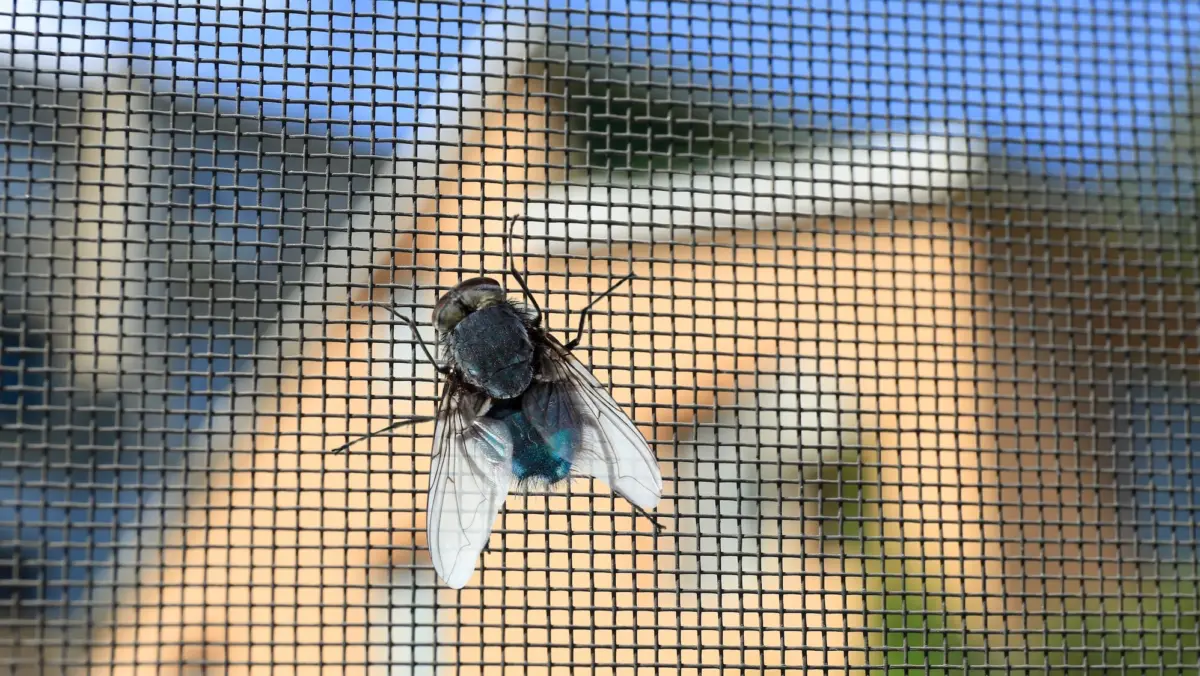
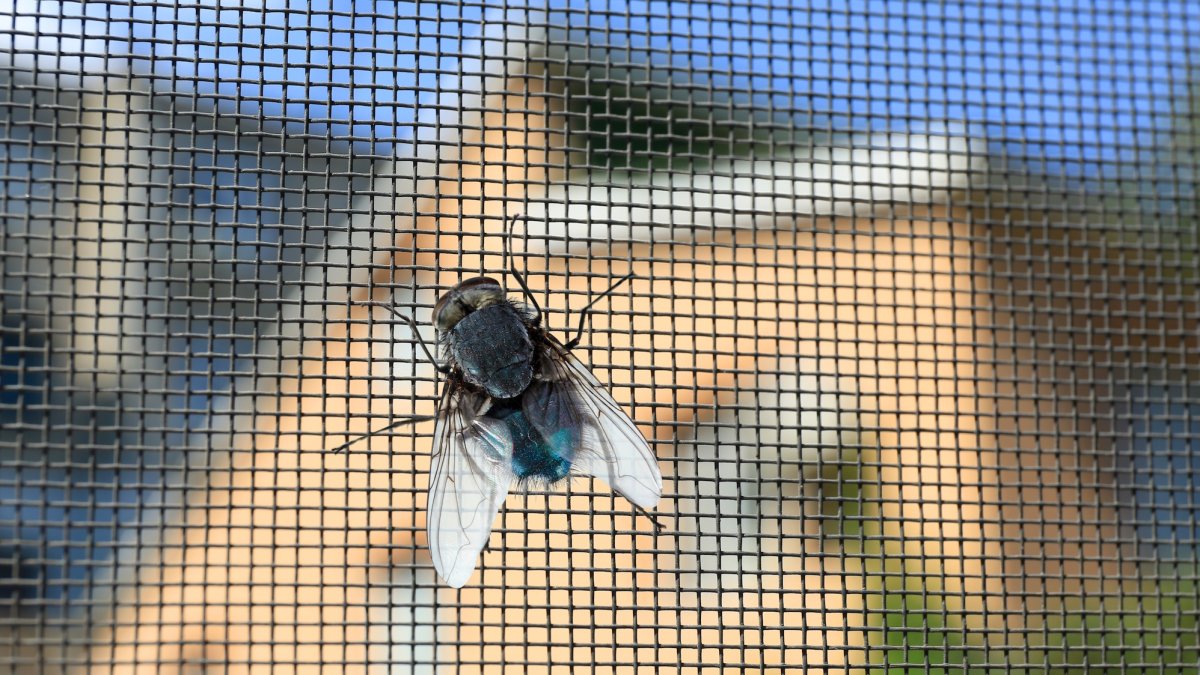
While houseflies lack the aggressive, painful sting associated with bees, wasps, or horseflies, they pose a far more insidious threat to human health. Unlike their venomous counterparts, houseflies are prolific vectors for disease. They constantly shuttle between decomposing organic matter, animal manure, and household trash, accumulating millions of pathogens on their bodies and in their digestive tracts.
When a housefly lands on a surface—or directly on human food—it transmits these pathogens by regurgitating digestive fluids and defecating. This unsanitary feeding mechanism is a primary transmission route for dangerous pathogens, including Campylobacter, Escherichia coli (E. coli), Salmonella, and the organisms responsible for typhoid fever and dysentery.
What begins as a seemingly harmless single visitor can rapidly escalate into a full-scale domestic crisis. Female houseflies are capable of laying multiple batches of approximately 100 eggs at a time. Under optimal conditions, these eggs hatch within 12 to 24 hours, turning a minor nuisance into a rapid infestation before homeowners can react.
Chronology: From Infestation to Mitigation
Understanding the timeline of a housefly problem is crucial for effective intervention. The lifecycle of a housefly moves at an alarming pace:
Day 0: A single adult female enters the home through an open door, unsealed window, or tear in a screen.
Day 1 to 2: The female locates a breeding site—such as an unwashed trash can, overripe fruit on the counter, or pet waste—and lays her first batch of up to 100 eggs.
Day 3 to 7: The eggs hatch into larvae (maggots), which feed voraciously on the surrounding organic material before burrowing into a darker, drier area to pupate.
Day 10 to 14: Adult flies emerge from their pupal cases, ready to mate, feed, and repeat the cycle.
To break this cycle, homeowners must implement an immediate, multi-layered defense strategy combining environmental hygiene, physical barriers, and targeted traps.
Supporting Data: Climate Change and the Escalating Fly Threat
The threat posed by houseflies is not static; it is projected to grow significantly in the coming decades due to shifting global weather patterns. According to a landmark 2019 Canadian study published in Royal Society Open Science, researchers modeled fly population sizes and activity under various climate change scenarios.
The models yielded alarming projections:
A 30 percent increase in the transmission rates of Campylobacter—a leading bacterial cause of severe gastrointestinal illness—is anticipated globally by the year 2050 as temperatures rise.
Warmer ambient temperatures accelerate the reproductive cycle of Musca domestica (the common housefly), reducing the time it takes for eggs to hatch and for larvae to reach adulthood.
Extended warm-weather seasons mean that fly mating seasons are lengthening in temperate regions, lengthening the window during which households are vulnerable to invasions.
Experts emphasize that as the climate warms, historical baselines for pest management will no longer suffice, requiring proactive and sustainable home-hardening techniques.
Official Responses and Expert Perspectives: Sustainable Home Management
As environmental awareness grows, pest control experts and home improvement authorities are shifting their focus away from heavy, chemical-laden pesticides toward sustainable, eco-conscious management strategies.
Organizations like BobVila.com and its parent company, Recurrent Ventures, champion a philosophy of conservation and sustainability in home maintenance. Editorial experts recommend beginning with the least intrusive, non-toxic solutions, escalating to chemical interventions only when strict necessity demands it.
Chase Brush, a contributing writer and home maintenance specialist, shares practical insights on balancing natural pest control with everyday living:
"I prefer to keep my windows open in the summer, but with the sunshine and breeze comes flies. I’ve tried various methods for keeping them out, including DIY fly traps using apple cider vinegar, and natural repellents like lavender and eucalyptus. The best defense, I’ve found, is a combination of these things. Keep a few DIY traps out where the flies tend to congregate, and at the same time cultivate a few houseplants that have natural repellent properties. The added benefit of this strategy is that you’ll always have herbs around to use for other purposes, such as cooking or making aromatics."
Implications: 7 Actionable Ways to Secure Your Home
To protect your household from health risks and manage infestations sustainably, experts recommend a comprehensive, seven-step approach to fly eradication and prevention.
1. Seal Pathways into the House
Preventing entry is the ultimate line of defense. Inspect all window and door screens for tears, holes, or loose frames. Ensure exterior doors close tightly, and install weatherstripping or door sweeps where gaps allow insects to slip underneath.
2. Clear Out Food Debris and Garbage
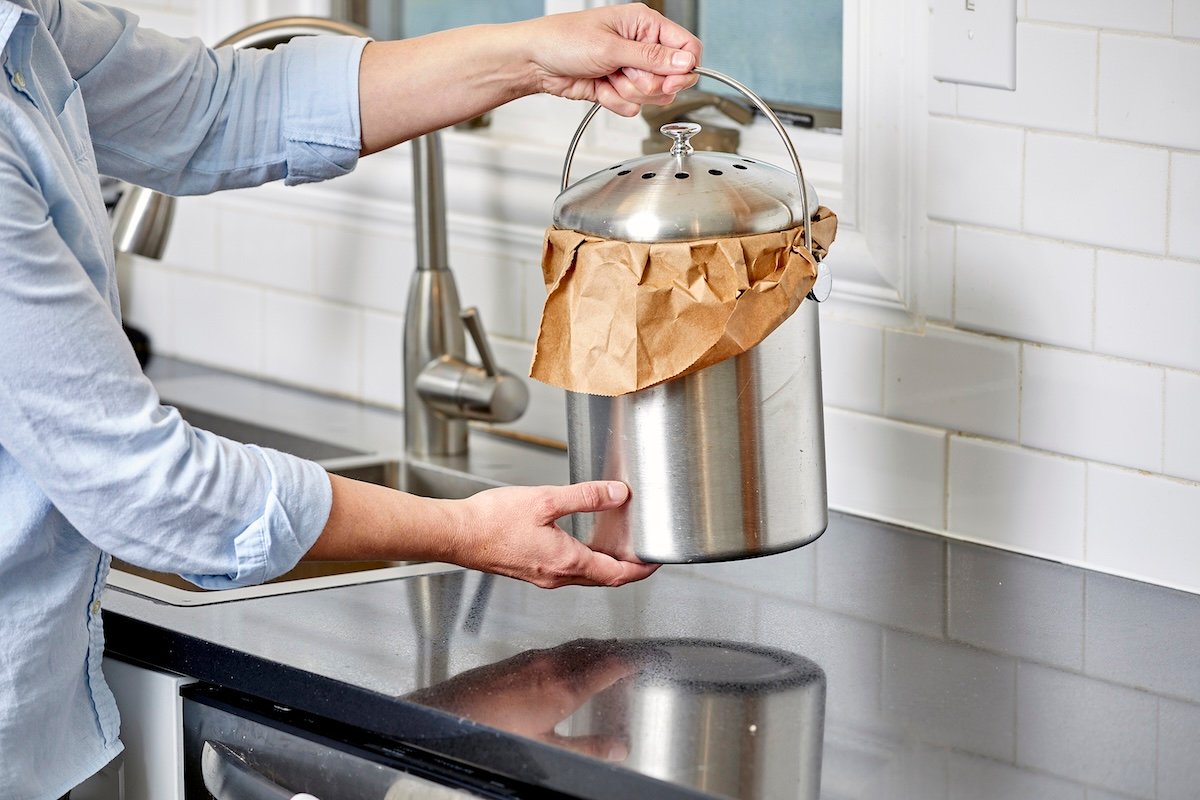
Flies are drawn to strong odors and organic decay. Never leave food debris on kitchen counters or dining tables. Keep fruit—especially apples and bananas—stored inside the refrigerator or in tightly sealed containers. Clean indoor and outdoor garbage bins regularly with a disinfectant, and ensure lids close securely.
3. Lure Them with Light
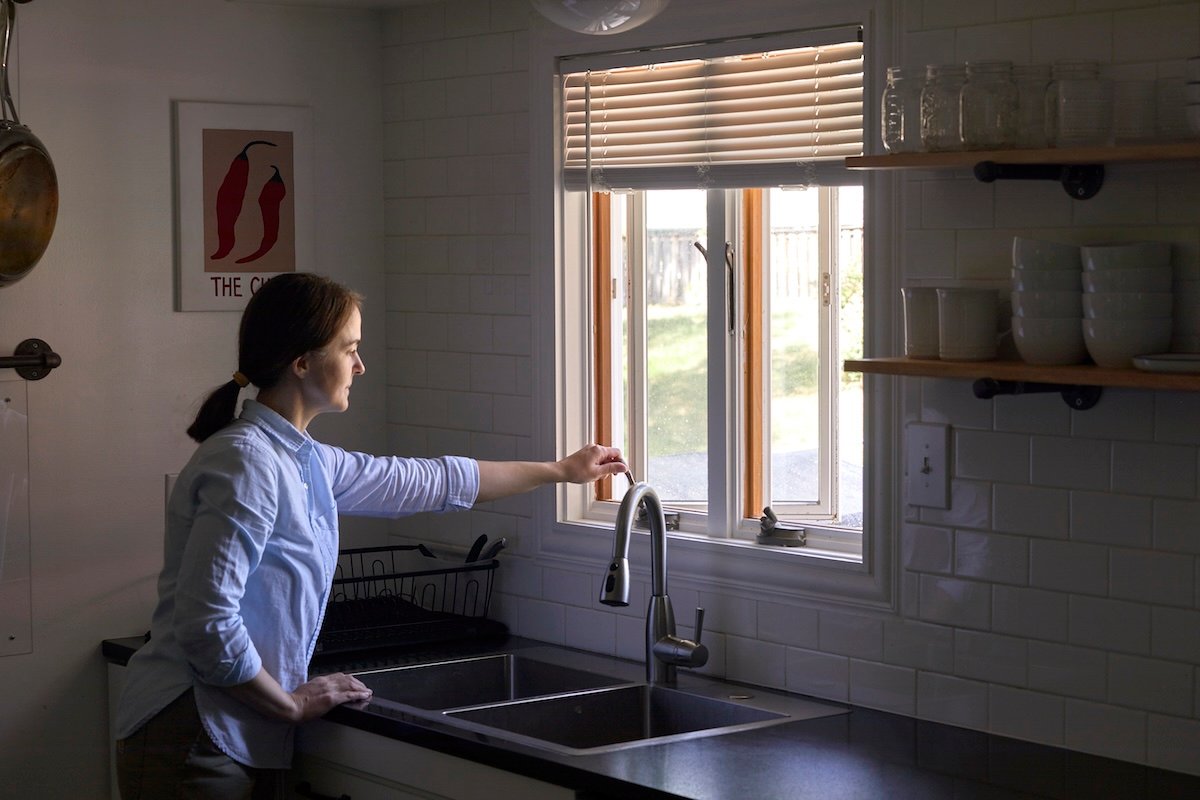
On a sunny day, close all window blinds and curtains in the infested room, leaving a single window open to the bright outdoors. The flies, naturally attracted to the light, will head straight out the opening. Alternatively, utilize plug-in UV light traps equipped with sticky glue cards to discreetly capture indoor pests without using chemicals.
4. Master the Art of the Swat
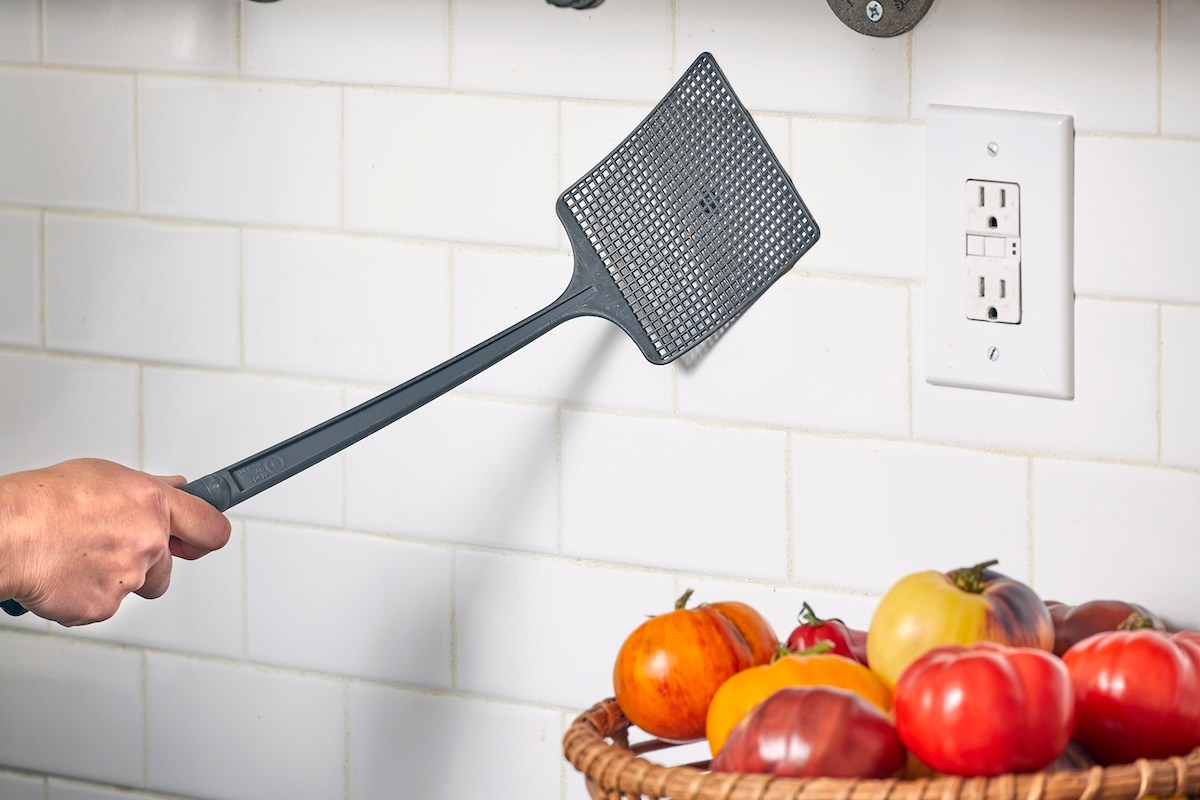
While old-fashioned, a quality flyswatter remains effective when used with proper technique. Houseflies possess nearly 360-degree vision, meaning they easily spot frontal attacks. Approach slowly from behind and slightly above the insect, utilizing a neutral-colored swatter to maintain stealth, before executing a swift, decisive strike.
5. Stick or Vacuum Them Up
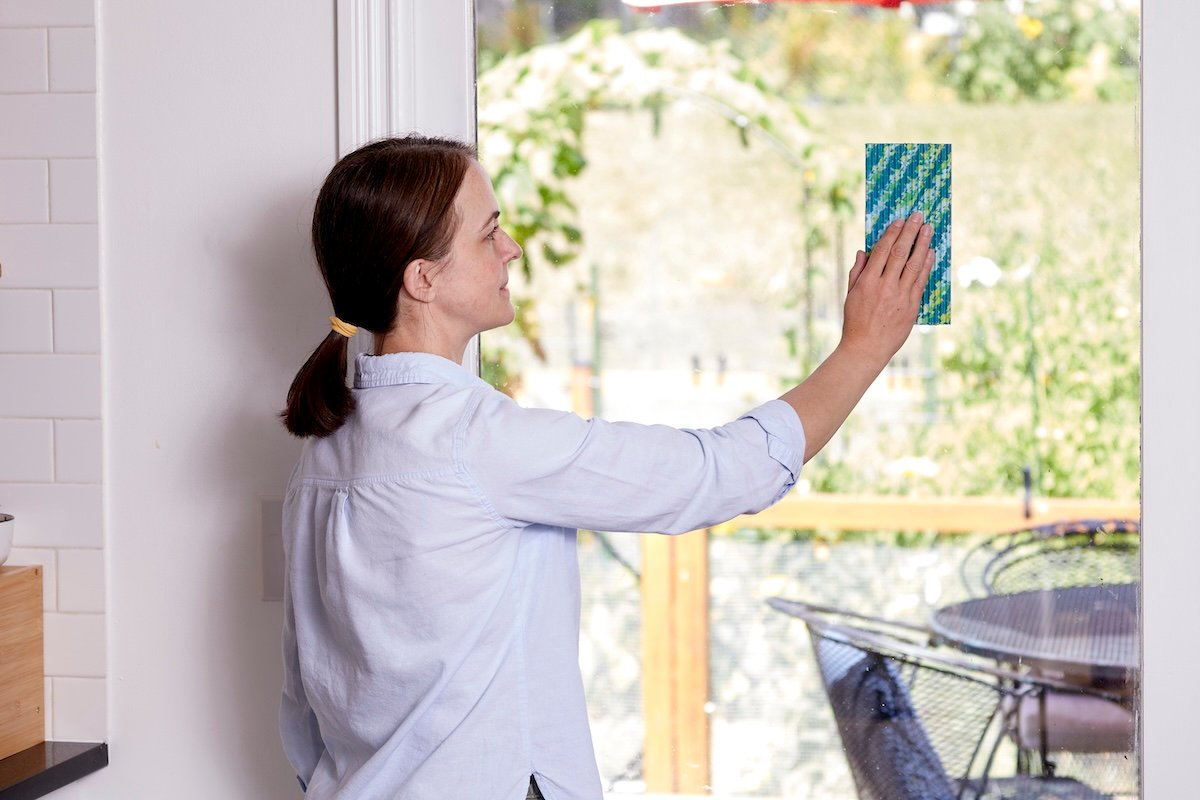
Hang traditional flypaper near high-traffic areas, or craft your own using strips of heavy kraft paper coated in a sticky mixture of water, sugar, and honey. For an immediate knockdown of flying pests, use a bag-equipped vacuum cleaner to gently suck them out of the air—then immediately dispose of the vacuum bag outdoors.
6. Build and Bait a Natural Trap
Construct a simple, eco-friendly trap using an empty plastic water bottle. Cut the top third off, invert it like a funnel, and tape it back onto the base. Pour a sweet or fermented bait inside—such as apple cider vinegar, sugar water, or small pieces of overripe fruit. Flies will easily enter through the funnel but fail to escape.
7. Grow Aromatic Repellent Herbs
Incorporate natural botanical repellents into your home and garden. Cultivate potted herbs such as lavender, basil, mint, and rosemary on your kitchen windowsills. The strong aromatic compounds released by these plants naturally deter flies. You can also mix a few drops of eucalyptus or lavender essential oil with water in a spray bottle to mist doorframes and windows.
When Insecticides Become Necessary: Weighing the Risks
If preventative measures and natural traps fail to control a severe infestation, homeowners may need to turn to commercial insecticides. However, experts urge caution:
Permethrin Dangers: Products containing permethrin are exceptionally effective against flies but are highly toxic to cats. Pet owners must exercise extreme caution.
Indoor vs. Outdoor Formulas: Many commercial bug sprays and foggers are engineered exclusively for outdoor spaces. Utilizing outdoor-grade aerosols indoors can introduce harmful chemical residues into living areas.
Nontoxic Alternatives: If chemical intervention is required, select fast-acting, food-safe contact sprays that minimize lingering oily residues and pose minimal risk to human health when used strictly according to manufacturer directions.
Ultimately, the most sustainable and enduring solution to a housefly problem is rigorous environmental management. By eliminating the odors, food debris, moisture, and breeding grounds that attract these insects, homeowners can maintain a clean, healthy, and fly-free sanctuary year-round.