

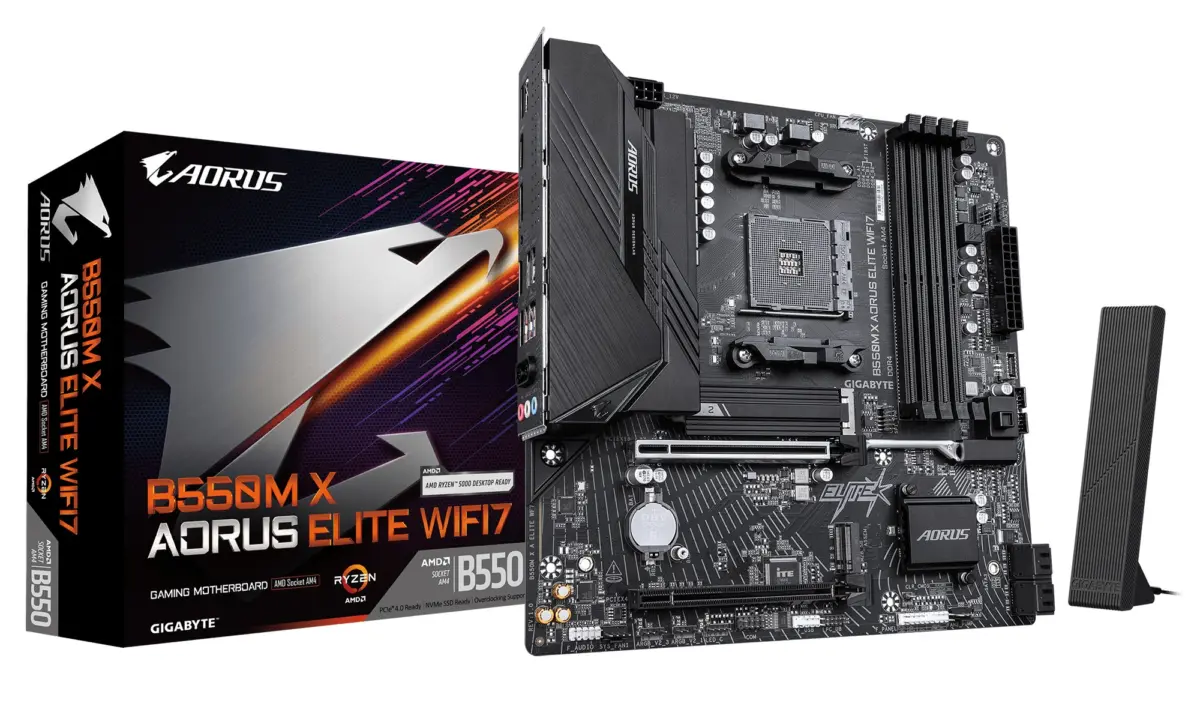
The global PC building community is bracing for yet another financial blow. Following months of skyrocketing costs for RAM and storage—a phenomenon grimly dubbed "RAMageddon" by industry analysts—recent reports indicate that PC motherboard prices could soon surge by up to 50%. Major hardware outlets including VideoCardz, Guru3D, and Digital Foundry have sounded the alarm, pointing to leaked supply chain intelligence that suggests top-tier Taiwanese manufacturers are preparing aggressive price adjustments for the upcoming quarters.
For gamers, enthusiasts, and DIY system builders who have already weathered historic component inflation, this latest development threatens to make assembling or upgrading a desktop PC an increasingly prohibitive luxury.
Main Facts: The Impending Motherboard Price Surge
The core of the crisis stems from an explosive convergence of surging material costs, geopolitical instability, and unrelenting demand from the artificial intelligence sector.
According to reports initially surfaced on the Chinese hardware forum Board Channels, major motherboard vendors—including industry heavyweights ASUS, Gigabyte, and MSI—are facing unprecedented pressure from rising production overhead. While the original forum post has since been taken down, archived screenshots circulated widely across enthusiast platforms, outlining plans by these manufacturers to offset escalating component expenses by passing costs down to consumers.
- Potential Price Increases: Industry insiders suggest base material and component costs could climb by as much as 50%, directly impacting retail motherboard pricing.
- The Component Domino Effect: Motherboards cannot be manufactured in a vacuum; they rely heavily on specialized memory chips, copper, printed circuit boards (PCBs), and critical chemical inputs. As these foundational elements grow scarcer and more expensive, finished motherboards inevitably follow suit.
- The Broader Market Context: This potential hike does not happen in isolation. It arrives on the heels of dramatic price hikes for dynamic random-access memory (DRAM) and solid-state drives (SSDs), creating a cumulative financial barrier for anyone looking to build a modern PC.
Chronology of a Crisis: How We Got Here
To understand how the PC hardware market arrived at this precipice, it is necessary to trace the compounding pressures that have battered global electronics supply chains over the past several years.
Phase 1: The AI Gold Rush and Memory Scarcity
The genesis of modern component inflation began with the generative AI boom. As tech giants raced to build out massive server farms to train and deploy large language models, the demand for high-bandwidth memory (HBM), enterprise-grade NAND flash, and specialized RAM skyrocketed. Semiconductor foundries diverted significant production lines away from consumer-grade silicon to fulfill lucrative data center contracts, creating artificial scarcity and driving consumer RAM and SSD prices to historic highs.
Phase 2: Material Shortages and Geopolitical Friction
As the hardware ecosystem reeled from memory shortages, foundational material costs began to climb. The electronics manufacturing sector relies heavily on raw commodities like copper and specialized industrial chemicals—many of which are processed or manufactured in volatile regions, including parts of the Middle East. Recent conflicts, notably involving Iran, have inflicted physical damage on manufacturing facilities and severely disrupted critical international shipping routes.
Phase 3: The Board Channels Leak
The most recent chapter in this ongoing saga unfolded when industry monitors caught wind of internal supply chain chatter on Board Channels. The forum report detailed how leading motherboard architects were no longer able to absorb the compounding costs of PCBs, power delivery components, and localized logistics. Despite the original thread being scrubbed, the information aligned with broader economic indicators, triggering widespread concern across Western tech media outlets.
Supporting Data and Expert Analysis
To gauge the legitimacy of the leaked reports, leading technology publications and market researchers consulted industry veterans and manufacturing executives. Their consensus is unanimous: the warnings are not only credible, but the projected price increases are entirely consistent with current macroeconomic realities.
The Manufacturing Perspective
Cassandra Cummings, CEO of electronics design and manufacturing firm Thomas Instrumentation Inc., emphasized the absolute dependency of motherboard production on constrained global supply chains.
"You can’t make PC motherboards without memory chips or copper, so its base pricing will follow what’s happening in those markets," Cummings explained via email.
She further highlighted how regional conflicts have compounded these pressures. "Some of those factories have been damaged in the war, and shipping logistics are struggling, so I believe those chemicals are also in short supply these days, causing more cost increases for the industry."
The Economic Outlook
Joshua Goshorn, senior director at Quandary Peak Research, echoed these sentiments, noting that the structural demand for printed circuit boards (PCBs) leaves manufacturers with little room to maneuver.
"With so much demand generally for PCBs and materials and processes needed to create the PC motherboard, it seems reasonable that the cost of the PC motherboard from MSI, ASUS, etc. will increase," Goshorn stated.
However, Goshorn offers a minor note of relative optimism, suggesting that while motherboard prices will almost certainly rise, the percentage increases may not match the catastrophic spikes seen in the RAM and storage sectors. Nevertheless, he warned that consumers should not expect economic relief anytime soon, as structural production backlogs continue to prop up high price floors.
Official Responses and Market Reactions
While major motherboard vendors like ASUS, Gigabyte, and MSI have yet to issue formal, public statements acknowledging sweeping retail price adjustments, the downstream effects are already being monitored closely by pre-built system integrators who operate on razor-thin margins.
William Santos, CEO of custom PC builder Maingear, noted that while motherboard prices have remained relatively stable compared to the volatile swings of the memory market thus far, the buffer zone is shrinking rapidly.
"Motherboards have stayed relatively flat compared to storage and memory," Santos said. "If you’re looking into upgrading your PC, we recommend acting sooner rather than later to avoid the next component cost increase. Waiting doesn’t seem to pay off in this market."
Pre-built system manufacturers typically possess a distinct advantage over individual DIY builders due to bulk purchasing power and pre-existing component stockpiles. However, as these reserves dwindle and contract renewals approach, boutique builders will inevitably be forced to adjust their catalog pricing to reflect true replacement costs.
Implications for PC Gamers, Builders, and the Industry
The potential escalation of motherboard prices carries profound implications for the broader personal computer ecosystem.
1. The Erosion of the Budget PC Build
For years, the primary appeal of building a custom PC was the ability to scale components to a specific budget—starting with an affordable motherboard and entry-level RAM, with plans to upgrade later. As the baseline costs of motherboards, memory, and storage all simultaneously shift upward, the entry barrier for budget-conscious gamers rises significantly. Building a competent mid-range gaming rig risks becoming an expensive luxury rather than a cost-effective alternative to consoles.
2. Widening Disparity Between DIY Builders and Enterprise Buyers
Consumer-grade PC builders are uniquely vulnerable to these market shocks. Unlike massive multinational conglomerates or cloud service providers that secure multi-year component allocations at fixed rates, independent builders must purchase retail hardware at dynamic, market-driven prices. This dynamic forces DIY enthusiasts to compete directly with enterprise supply chains for the foundational building blocks of personal computing.
3. A Shift in Upgrade Philosophies
The era of frequent incremental upgrades may be drawing to a temporary close. When users face inflated costs for core supporting architecture—such as a new motherboard required to support a modern CPU socket—the financial calculus changes. Consumers are likely to hold onto their existing hardware platforms for longer periods, squeezing out extra years from older generations of processors and chipsets to bypass the current financial turbulence.
Outlook: The Wisdom of Proactive Action
As the industry digests the implications of the Board Channels leaks and the persisting strain of AI-driven resource allocation, the immediate future of PC hardware pricing remains bleak. Whether building a high-end enthusiast rig or assembling a modest 1080p gaming machine, market analysts and industry insiders offer a consistent piece of advice: procrastination is costly.
For those currently contemplating a system overhaul or a fresh build, securing components now—before the next wave of supply chain adjustments hits retail shelves—may prove to be the most prudent financial strategy in an increasingly unpredictable market.
