

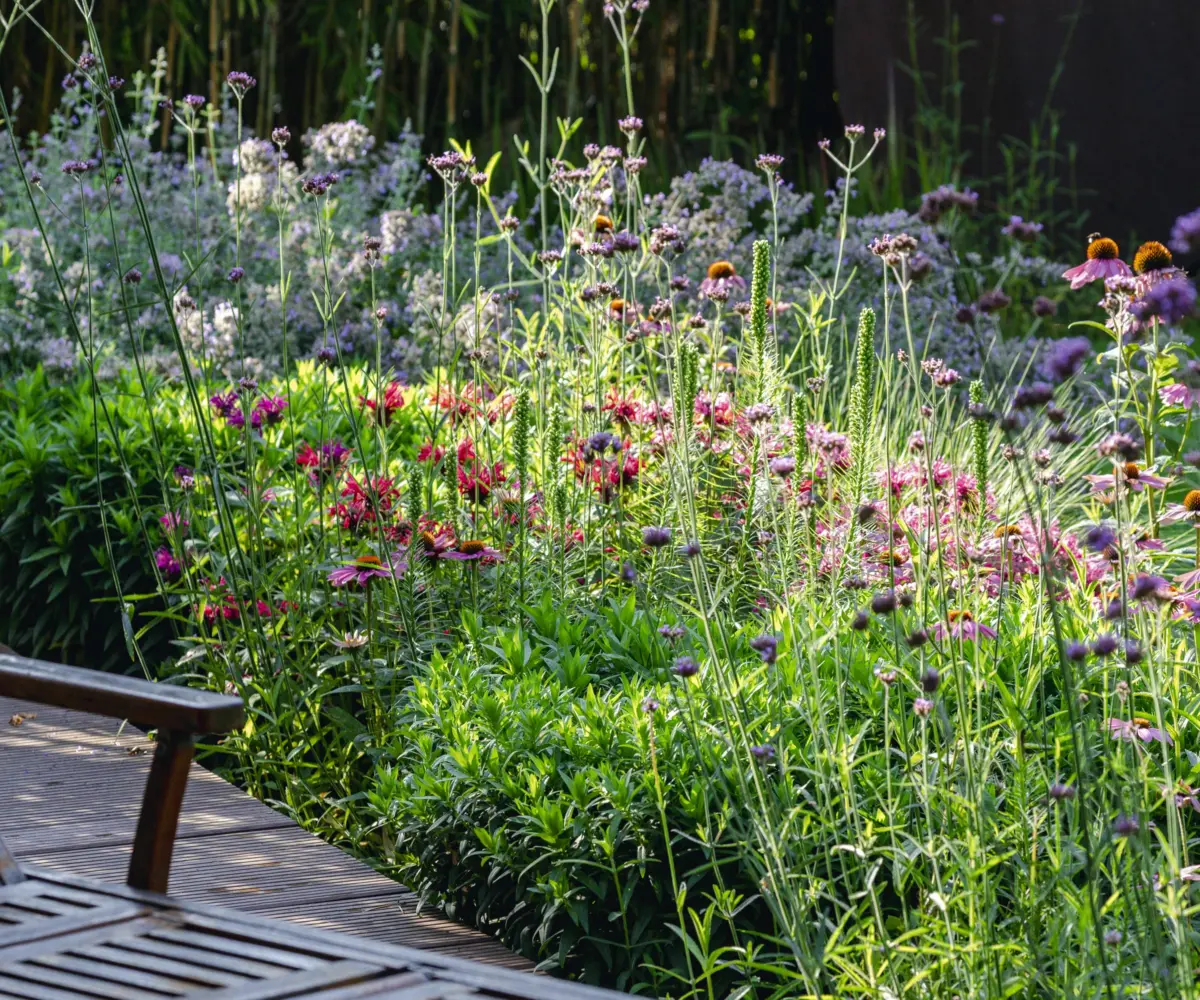
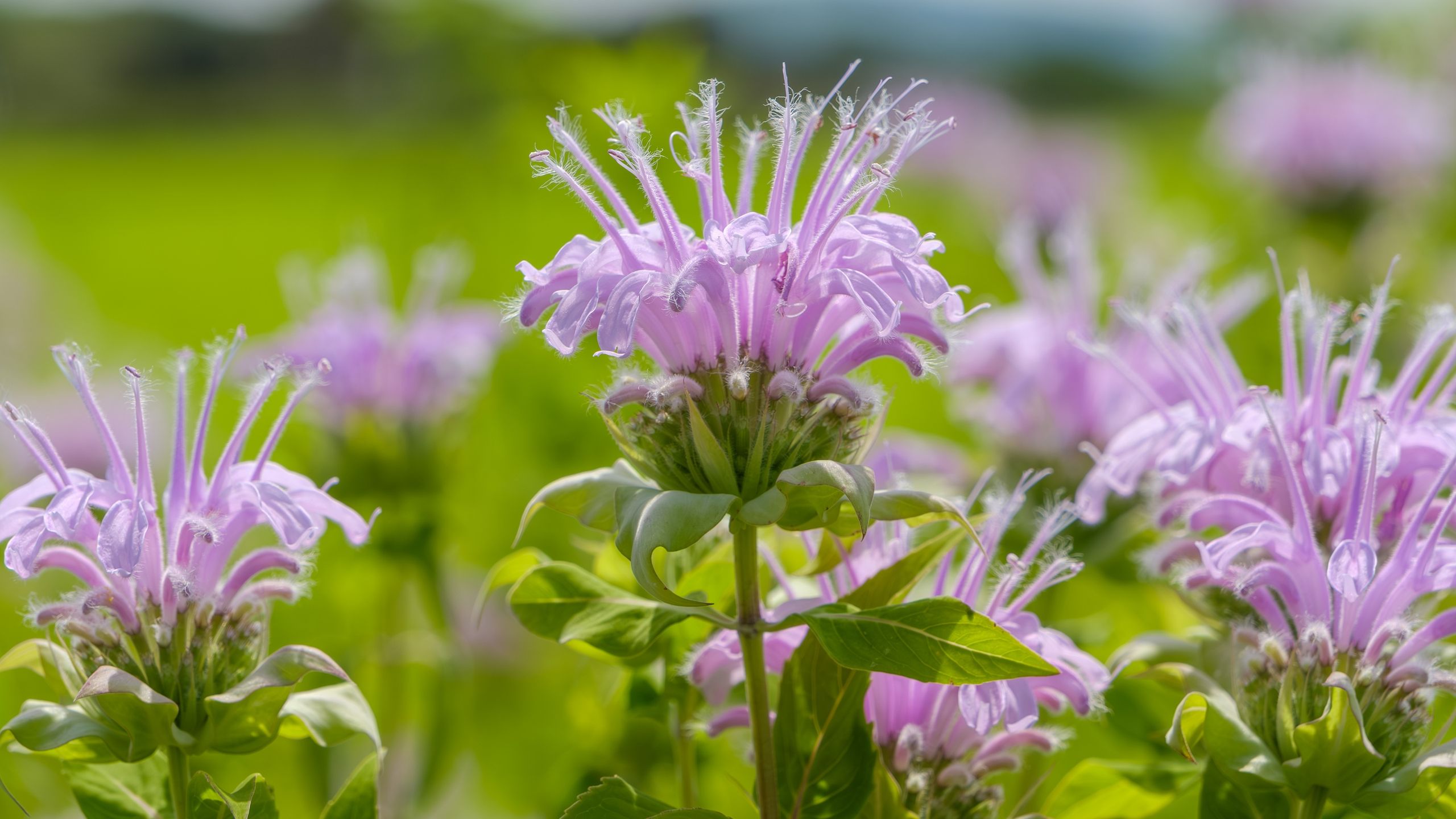
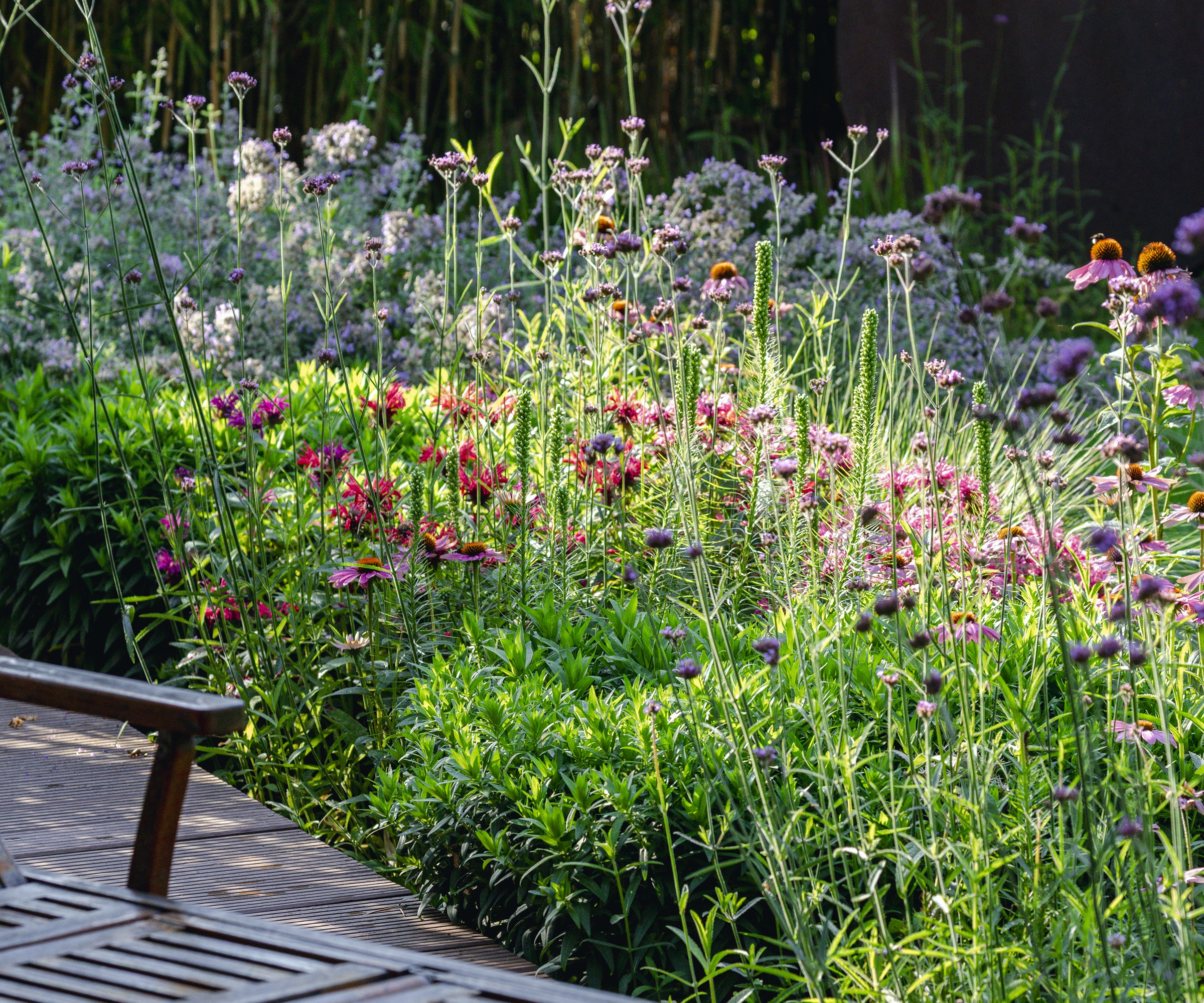
By August, gardens across the country reach a dramatic crescendo, and few perennials command attention quite like bee balm. Scientifically known as Monarda didyma—and frequently referred to as bergamot, Oswego tea, or simply wild bergamot—this vibrant member of the mint family (Lamiaceae) puts on an arresting late-summer spectacle. Featuring distinctive, crown-like whorls of tubular petals in an array of saturated shades ranging from electric scarlet and pristine white to delicate lilac and deepest carmine, bee balm is a showstopper. Whether anchoring a mixed perennial border, spilling over the edges of a raised bed, or providing vertical interest in a patio container, its striking aesthetics make it a prized addition to the landscape.
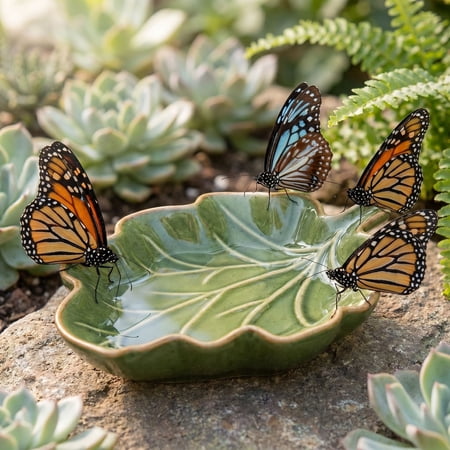
Beyond its visual appeal, mastering how to grow and maintain bee balm yields incredible ecological dividends. The nectar-rich blooms act as a magnet for a diverse array of pollinators, drawing honeybees, native bumblebees, fluttering butterflies, sphinx moths, and even dazzling hummingbirds directly into the yard. Furthermore, its fragrant foliage and long-lasting stems make it a phenomenal cut flower for indoor arrangements.
However, as the dog days of August test the resilience of even the hardiest garden flora, bee balm requires specific, attentive care to thrive through the remainder of the growing season and transition successfully into fall.
Main Facts: The Anatomy and Ecological Value of Bee Balm
To properly care for Monarda, gardeners must first understand its natural tendencies and vulnerabilities. Evolving natively along moist stream banks, damp thickets, and rich woodlands across North America, bee balm is naturally adapted to environments with consistent moisture and rich organic soils.
- Botanical Profile: Perennial herb with upright, rigid stems and bristly, lance-shaped leaves that release a pleasant, citrus-like aroma when crushed (owing to compounds like thymol and carvacrol).
- Blooming Season: Typically peaks in mid-to-late summer (July through August), providing a critical food source when many spring-blooming perennials have faded.
- Wildlife Impact: High nectar production supports an extensive web of pollinators and local wildlife, including seed-eating birds like American goldfinches that forage on dried seed heads during autumn and winter.
- Primary Challenge: High susceptibility to powdery mildew (Erysiphe cichoracearum or Podosphaera macularis) during periods of high humidity, fluctuating temperatures, and soil drought stress.
Chronology of Late-Summer Care: A Week-by-Week Guide
Managing bee balm through the final stretch of summer requires a strategic shift in routine. As day lengths shorten and seasonal temperatures begin to fluctuate, gardeners should follow a structured timeline to protect plant health.
Early August: Moisture Management and Mildew Prevention
As temperatures peak, the primary objective is preventing environmental stress.
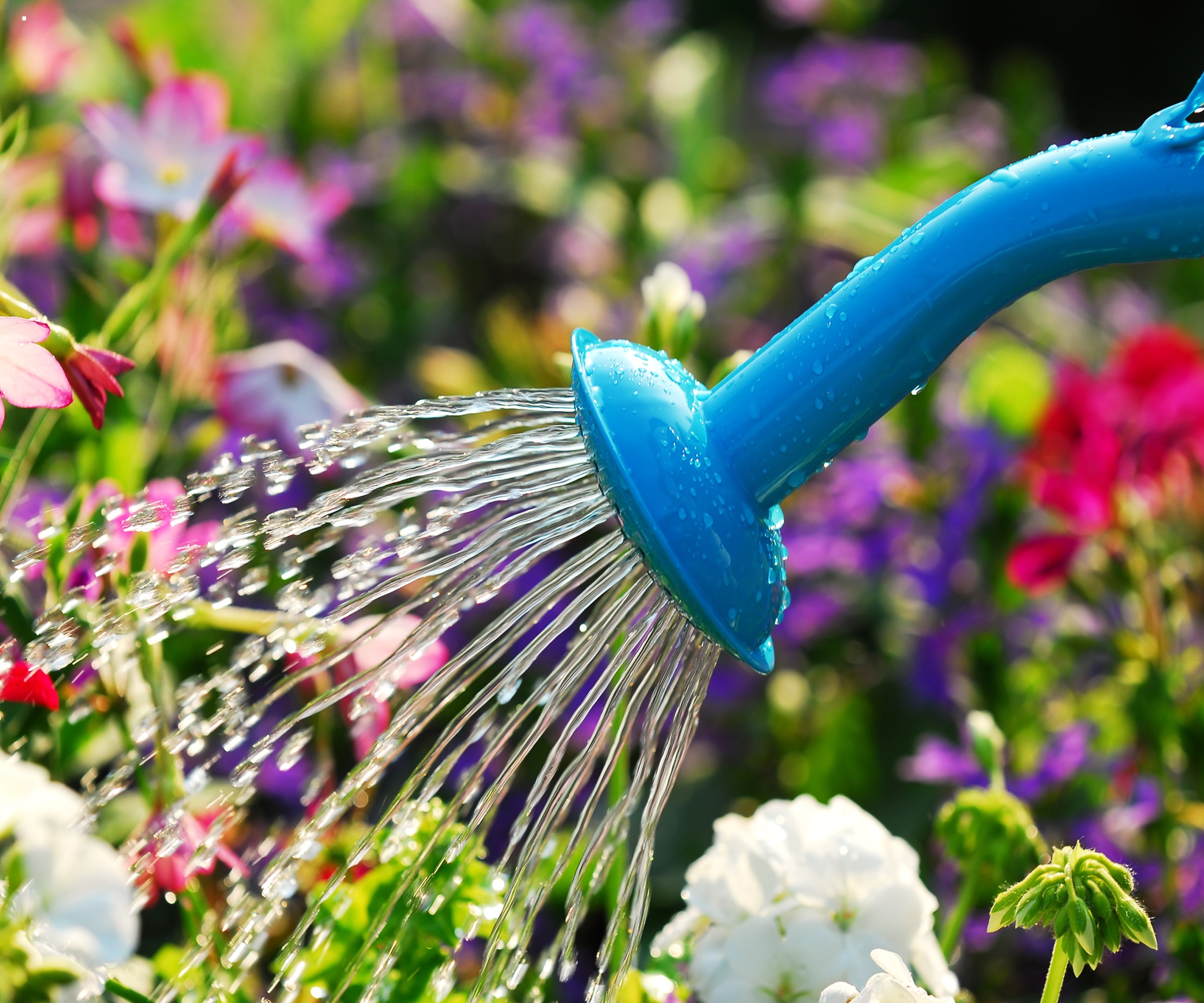
- Deep Soaking: Transition away from frequent, shallow surface sprinklings. Implement a deep-watering regimen targeting the root zone at the base of the plant once or twice weekly.
- Spacing and Airflow: Inspect clumps for overcrowding. Adequate spacing prevents the stagnation of humid air around the lower foliage, which is the primary catalyst for fungal spore germination.
Mid-August: Pruning, Stamping Out Stragglers, and Fertilization Adjustments
By the middle of the month, the initial heavy flush of blooms begins to subside, and stems can become heavy or disheveled.
- Mid-Season Cutbacks: Prune back tired, spent, or mildew-touched stems by roughly one-third. This encourages a fresh flush of compact basal foliage.
- Cease Heavy Feeding: Suspend standard nitrogen-rich fertilizers immediately to prevent the stimulation of tender, frost-vulnerable late growth.
Late August to Early September: Deadheading and Wildlife Preparation
As autumn approaches, decisions must be made regarding structural cleanup versus wildlife provisioning.
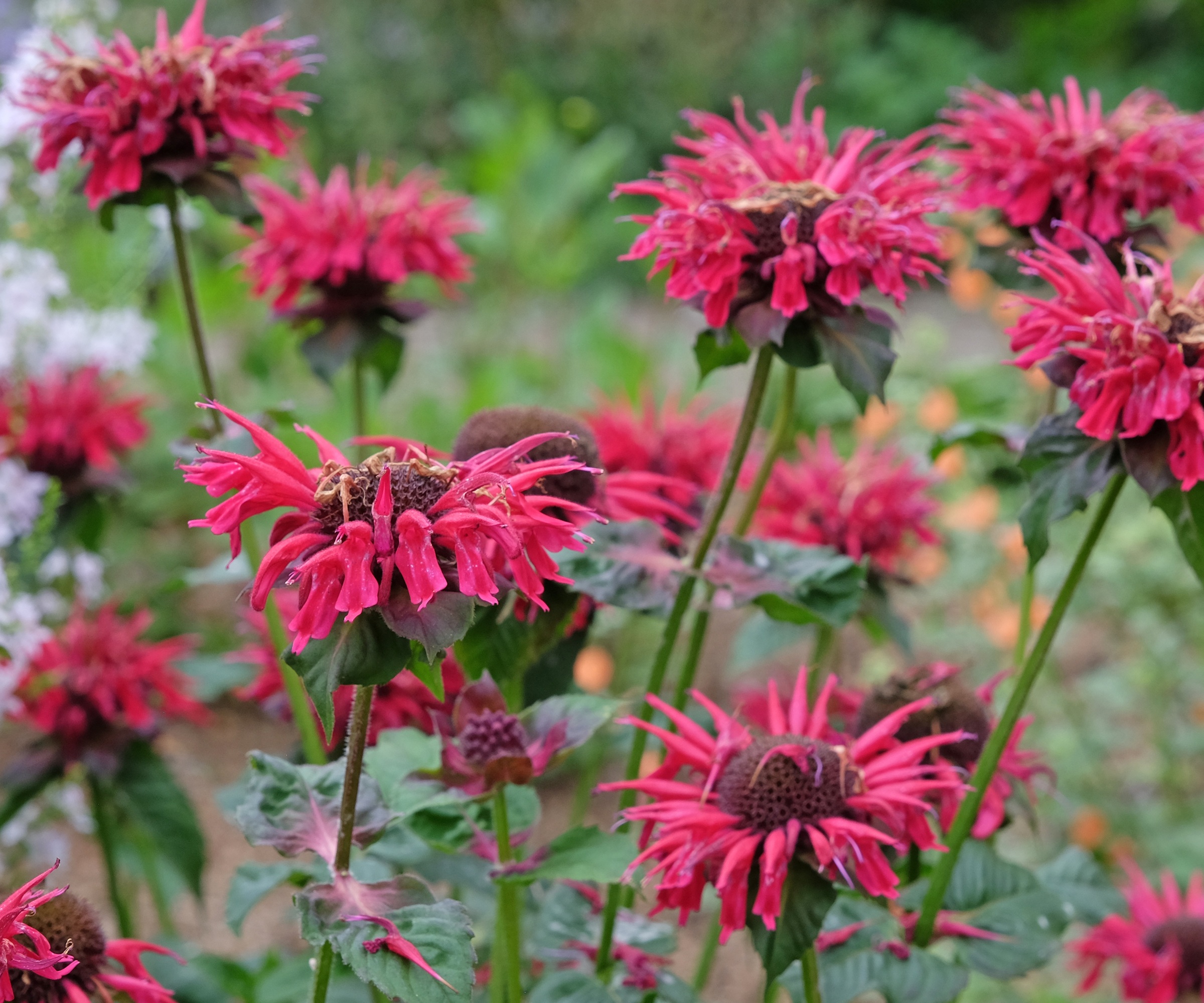
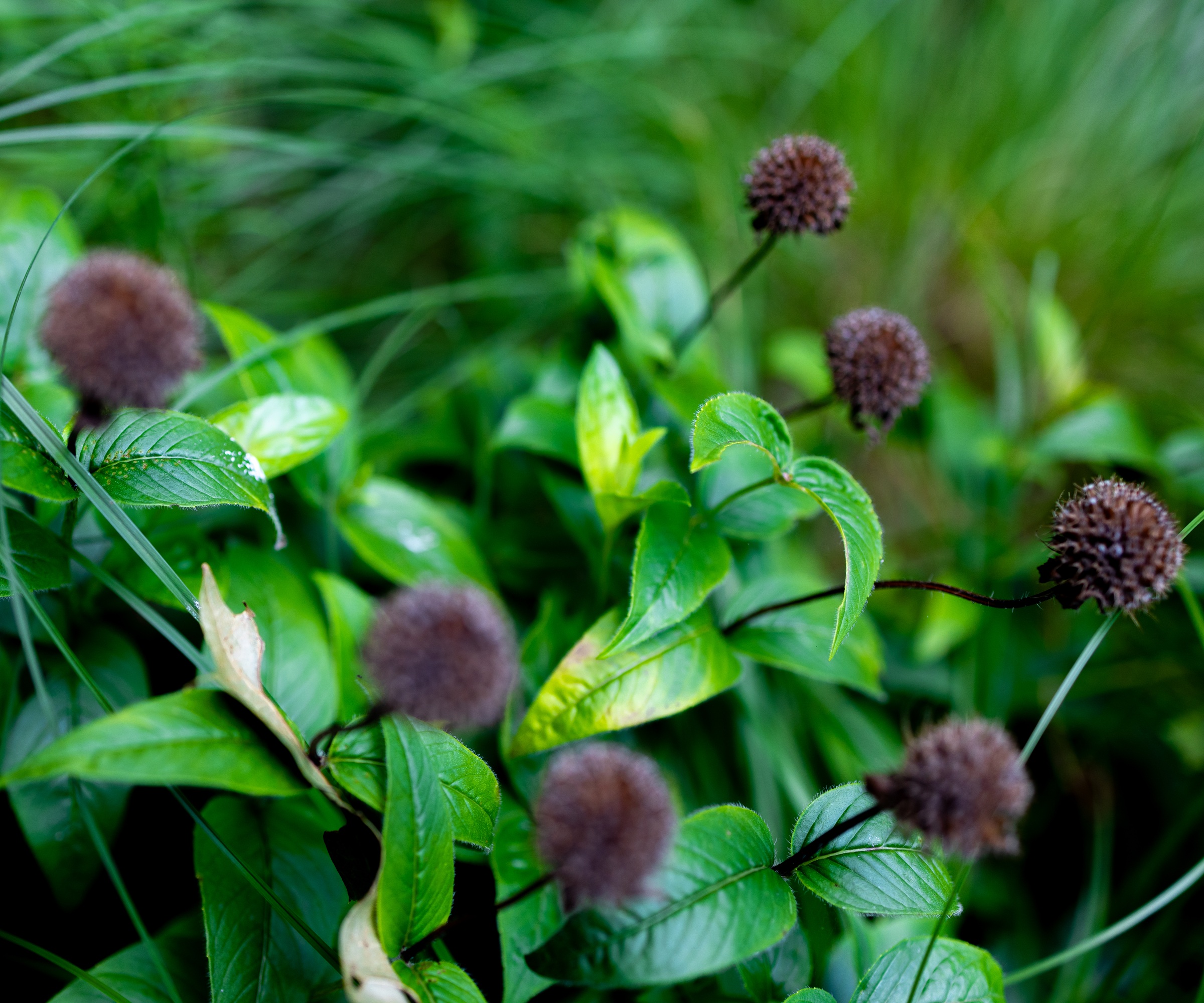
- Selective Deadheading: Snip spent flower heads back to the nearest lateral bud to encourage minor reblooming, but intentionally leave a selection of mature seed heads intact to nourish over-wintering birds.
Supporting Data & Expert Horticultural Insights
Navigating the nuances of late-summer perennial care can be challenging, but leading horticulturalists and environmental strategists offer clear, science-backed guidance to optimize plant health.
The Watering Paradox: Defeating Drought Stress
A common misconception among home gardeners is that withholding water during humid weather protects plants from fungal issues. Industry experts vehemently disagree.

"By August, Monarda’s biggest enemy is powdery mildew, and it isn’t about wet leaves; it’s humidity and drought stress," explains Laura Coggan, an environmental horticulture specialist for Park Seed. "Plants that dry out are more vulnerable, not less, so keep soil consistently moist with a deep soak once or twice a week and give plants room to breathe. Poor air circulation and a stressed, thirsty plant are the two conditions mildew loves most."
Master Gardener Tabar Gifford, Partnership Cultivator at American Meadows and High Country Gardens, elaborates on the plant’s evolutionary background:
"Bee balm evolved along stream banks and in moist meadows. Relatively shallow-rooted, it benefits from deep watering that thoroughly wets the root zone rather than frequent light irrigation. A deep soak at the base of the plant once or twice a week is far more useful than daily light watering."
Utilizing long-spout watering cans or extendable watering wands ensures moisture goes directly to the soil without splashing fungal spores from the ground onto the lower leaves.
The Fertilizer Trap: Avoiding Late-Season Nitrogen
Feeding routines that served plants well in May and June can become detrimental by late summer.
"Resist the urge to fertilize Monarda late in the growing season," warns Lindsay Del Carlo, Trial Garden Manager at Renee’s Garden, who has evaluated thousands of floral varieties since 2006. "While it may seem like a boost would encourage more flowers, feeding plants in late summer often has the opposite effect. Fertilizer stimulates tender new growth that is unlikely to harden off before winter, leaving the plant more vulnerable to cold damage."
If cutting plants back hard for a secondary flush of growth, experts recommend an extremely conservative, low-nitrogen fertilizer (where the first number in the NPK ratio—Nitrogen, Phosphorus, Potassium—is low), such as organic bone meal or a specialized bloom booster, applied strictly in moderation.
Official Responses and Ecological Perspectives: Managing Powdery Mildew
When powdery mildew—a white, talcum-powder-like coating—appears on bee balm leaves, it often causes panic among gardeners. However, official guidance from ecological and botanical authorities urges a measured response.
According to Mary Phillips, Head of Native Plant Habitat Strategy at the National Wildlife Federation, aesthetic damage should not be confused with fatal plant decline.

"Provide adequate spacing, and avoid overhead watering," advises Phillips. "If mildew does appear, remove severely affected leaves or stems, but avoid aggressive cleanup that unnecessarily eliminates habitat."
Tabar Gifford echoes this perspective, emphasizing the resilient nature of established specimens:
"The good news is, on otherwise healthy, established plants, powdery mildew is largely cosmetic. Unless the infection is severe enough to affect the majority of the foliage and visibly reduce the plant’s ability to photosynthesize, Monarda almost always returns vigorously the following spring."

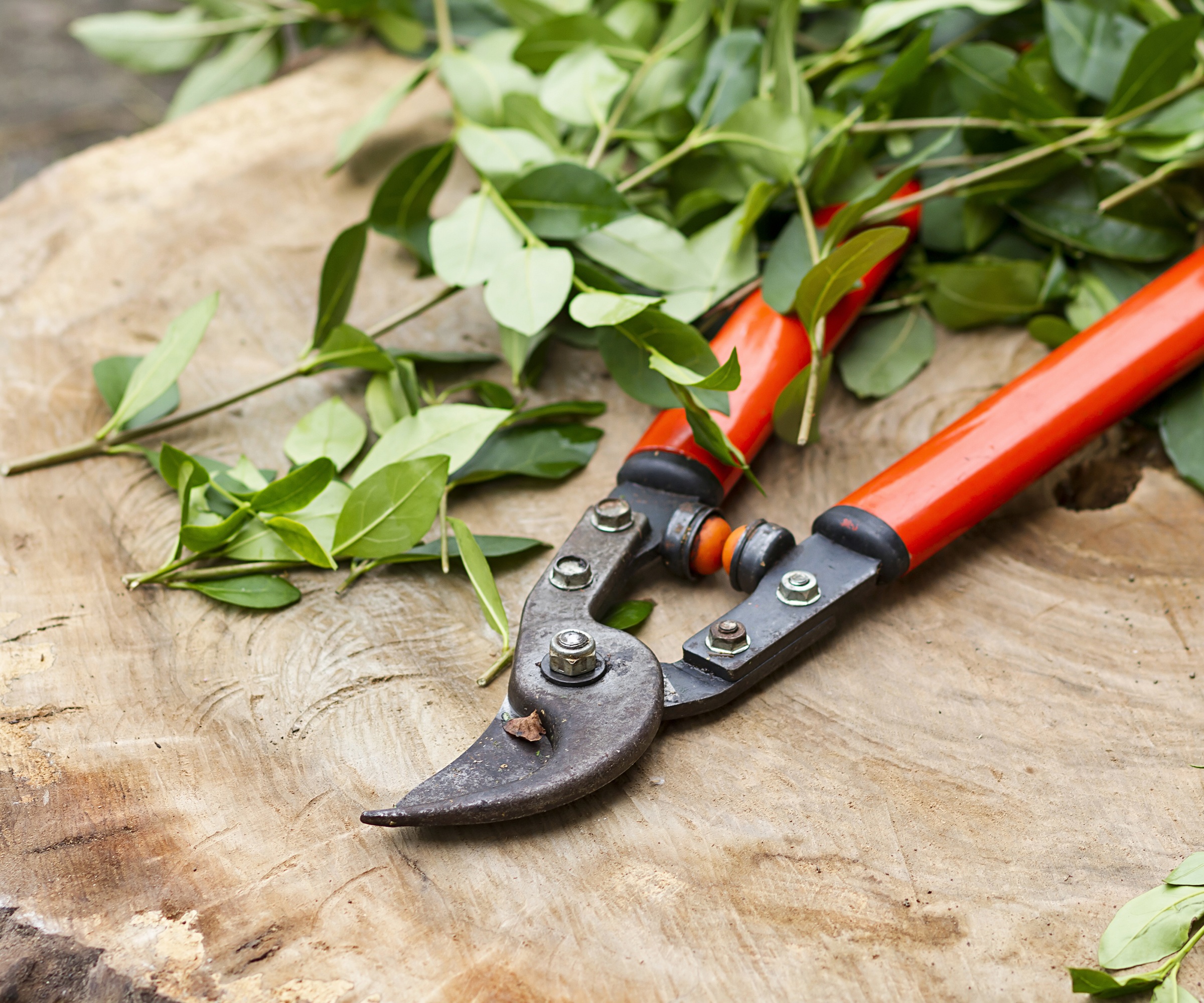
When disposing of heavily infected foliage, gardeners are advised to place cuttings directly into the municipal trash rather than standard backyard compost piles, as home compost systems frequently fail to reach the sustained internal temperatures required to neutralize stubborn fungal spores. Furthermore, selecting inherently disease-resistant cultivars—such as the striking, deep-crimson Monarda ‘Jacob Cline’—can drastically reduce susceptibility in future growing seasons.
Practical Implications for the Modern Gardener
Implementing these late-summer care practices transforms the garden landscape in several meaningful ways:
- Enhanced Aesthetic Longevity: Cutting back straggling stems and deadheading wisely prevents the garden from looking unkempt, extending visual interest well into the autumn transition.
- Robust Ecosystem Support: Leaving select seed heads intact provides critical sustenance for native birds like goldfinches during the lean winter months, aligning residential gardening with broader conservation goals.
- Reduced Chemical Dependence: Prioritizing deep root-zone watering, proper plant spacing, and resilient cultivar selection minimizes the need for chemical fungicides, fostering a healthier, more balanced backyard micro-ecosystem.
By understanding the physiological needs of bee balm and responding proactively to the environmental pressures of late summer, gardeners can ensure these magnificent perennials remain a vibrant, buzzing centerpiece of their outdoor spaces for years to come.
