

LOS ANGELES — At first glance, the former Hollywood Hills living room of actress Dakota Johnson should feel anything but cozy. Spanning an architectural era celebrated for stark lines and unyielding geometry, the 1947 residence—originally designed by master architect Carl Maston—is an exercise in transparency. Floor-to-ceiling glass walls dissolve the barriers between interior and exterior, exposing exposed structural beams and vast expanses of raw timber.
Yet, rather than reading as cold or overly austere, the room feels deeply settled, grounded, and intimate. Much of this atmospheric alchemy is credited to the acclaimed design firm Pierce & Ward, working alongside Johnson’s own intuitive eye. Instead of leaning into the clinical minimalism often associated with mid-century modernism, the space embraces a rich, cohesive palette of warm woods, camel-colored velvet, and vintage textiles. The result is a masterclass in how to honor historic architecture while creating a deeply personal, livable home.
Main Facts: The Anatomy of a Modernist Icon
The property itself is a textbook example of mid-century California modernism. Carl Maston’s original design prioritized structural honesty: clean lines, post-and-beam construction, and a seamless dialogue with the surrounding landscape.

However, transforming a mid-century glass box into a welcoming sanctuary is no small feat. Traditional design playbooks often dictate that clean architectural lines should be emphasized with stark white walls and high-contrast contemporary furniture to make statements pop. Johnson and her design team flipped this script entirely.
- The Palette: Dominated by honey-colored woods, monochromatic camel upholstery, and an aged, distressed-finish rug that establishes a natural visual flow from one surface to the next.
- The "Portra" Aesthetic: Interior design critics have likened the room’s chromatic warmth to Kodak Portra—a popular analog film stock renowned for its soft, golden-amber undertones and muted color graduation.
- The Architectural Integration: Low-slung, matte seating is intentionally positioned beneath the window lines, keeping exterior sightlines unobstructed and allowing the lush Southern California greenery to become a living, breathing component of the interior decor.
Chronology: From Carl Maston’s Blueprint to Pierce & Ward’s Touch
To understand the evolution of the space, one must trace its journey across decades of architectural and stylistic shifts.
- 1947 (The Conception): Architect Carl Maston conceptualizes and builds the Hollywood Hills residence, anchoring it firmly in the post-war California modernist movement. The home is engineered to celebrate light, timber, and structural transparency.
- Decades of Adaptation: Over the years, the house passes through various hands, experiencing the typical interior updates and stylistic overhauls characteristic of mid-century Los Angeles real estate.
- The Pierce & Ward Collaboration: When Dakota Johnson acquires the property, she enlists the celebrated interior design duo Pierce & Ward. Together, they embark on a renovation strategy that strips away unnecessary clutter while respecting Maston’s original framework.
- The Present Day: The living room emerges as a viral reference point in interior design circles, praised for proving that mid-century homes do not require cold, minimalist interventions to feel sophisticated.
Supporting Data & Design Elements: Replicating the Look
The magic of Johnson’s former living room lies not in high-contrast drama, but in tonal continuity. According to industry analysis, rooms built on a monochromatic, warm-toned foundation allow natural light to act as a dynamic design variable. Sunlight catching on velvet pile and polished timber shifts the room’s color profile throughout the day without requiring jarring decorative interventions.
For interior enthusiasts looking to channel this specific brand of vintage California ease, design experts recommend a curated edit of foundational pieces:
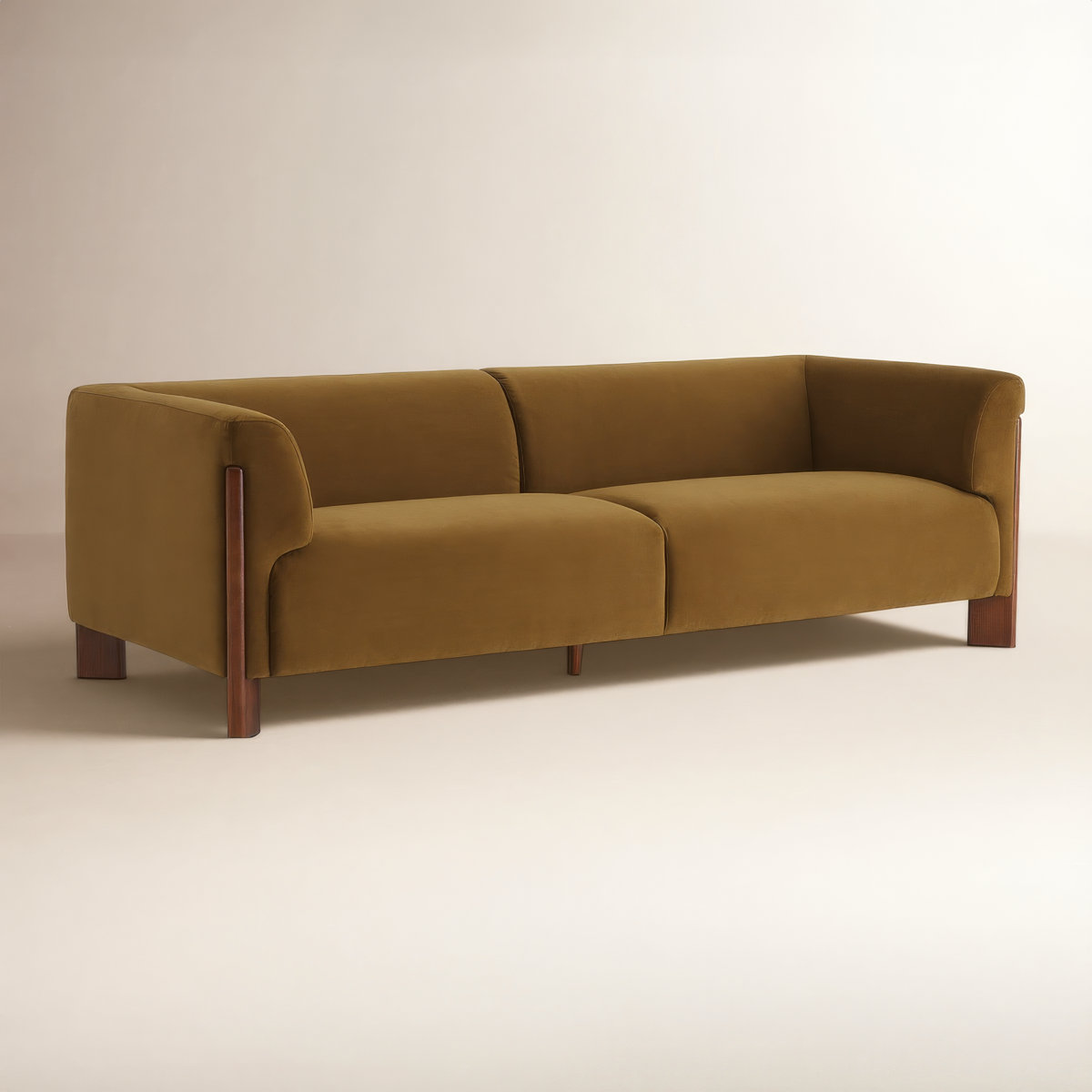
- The Anchor Seating: Low-profile, matte-textured seating—such as the AllModern Wanetta 88" Upholstered Sofa in Ochre Velvet—serves as a light-absorbing anchor. Its plush pile diffuses incoming daylight, generating an eternal "golden-hour" glow.
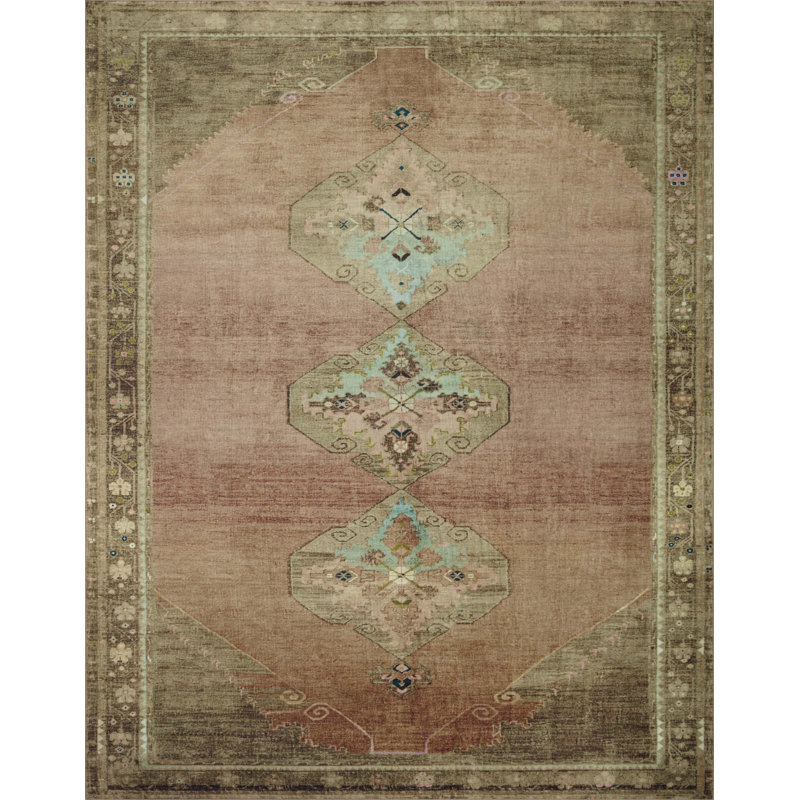
- Grounded Textures: Antique-inspired, machine-washable rugs in clay and tobacco tones (such as the Magnolia Home by Joanna Gaines X Loloi Sinclair collection) introduce pattern and historical depth without overwhelming the floor plan.
- Chromatic Bridges: Accent throw pillows in soft, 100% cotton weaves (like the AllModern Edgar Throw Pillow) act as chromatic bridges, maintaining visual harmony rather than shouting for attention with loud pop colors.
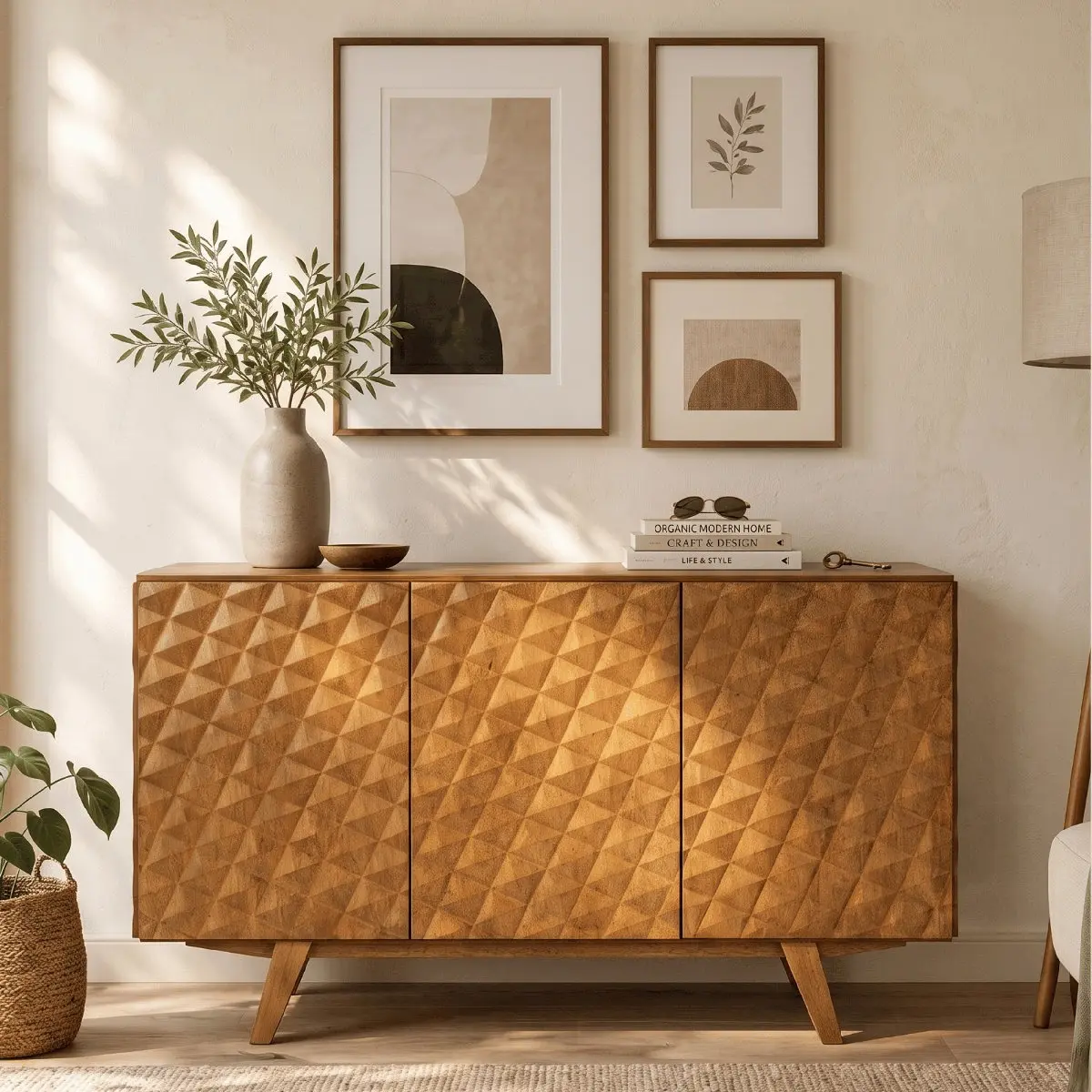
- Architectural Depth: Storage and display units featuring 3D-carved geometric wood doors (such as the Latitude Run Sapa Wood Sideboard) catch ambient light at varying angles, echoing the sculptural integrity of the home’s original timber beams.
- Organic Accents: Scalloped-edge ceramics and terracotta vessels (including the White Ruffle Large Bowl and the Camila Terracotta Vase) inject tactile warmth and earthy imperfection into tabletop styling.
Official Perspectives and Expert Responses
Interior design authorities have been quick to praise the restraint and sophistication of the space.
"I adore how Dakota’s room doesn’t try to soften the architecture by hiding it," explains Hebe Hatton, Head of Interiors at Homes & Gardens. "The mid-century modern decorating works with what is already there. The wood, camel upholstery, and muted rug all have a similar depth and warmth, so your eye moves naturally around the room rather than being drawn to one high-contrast piece."
Hatton notes that the space challenges common misconceptions about what makes a home feel comfortable.
"There’s a tendency to think a cozy living room needs lots of layers, darker colors, or plenty of decorative objects," Hatton observes. "This space proves that you can achieve the same feeling through color and material alone. Keeping everything within a considered palette gives the room a sense of ease, while the natural light and garden stop it from ever feeling flat."
Furthermore, the integration of the outdoor environment serves as a masterclass in spatial economy. By keeping furniture low-slung and restrained, the room avoids the trap of corner-to-corner clutter. The cool, vibrant greens of the Hollywood Hills garden provide a natural counterpoint to the warm honey tones inside, proving that visual warmth is achieved through harmony, not accumulation.

Implications for Modern Interior Design
The enduring fascination with Dakota Johnson’s former Hollywood Hills living room signals a broader cultural shift in how contemporary homeowners approach historical and architectural properties.
For years, the prevailing luxury aesthetic favored radical stripping—painting over rich wood grains in stark white, installing high-gloss finishes, and treating historic architecture as a blank canvas rather than an active collaborator. Johnson’s design philosophy offers a compelling counter-narrative. By leaning into the historical DNA of a 1947 Carl Maston creation and respecting its material palette, the space achieves a timeless quality that fast-moving micro-trends cannot replicate.
As urban living spaces shrink and homeowners increasingly seek out environments that promote mental well-being and psychological decompression, the "Portra palette" approach provides a blueprint. It demonstrates that true luxury in interior design is found in cohesion, tactile honesty, and a willingness to let architecture—and nature—speak for itself.
