

Main Facts
Every year on August 9, the global community observes the International Day of the World’s Indigenous Peoples, an annual commemoration established by UNESCO in 1994 to honor, protect, and raise awareness of the rights, cultures, and contributions of indigenous populations worldwide. While the United Nations has not adopted a single, rigid definition for "Indigenous peoples"—owing to the immense anthropological, geographical, and historical diversity of these groups—it relies on a framework of social recognition and historical continuity. This framework identifies indigenous communities as self-identified, non-dominant groups possessing distinct languages, cultures, and belief systems, who are organized under separate social, economic, and political structures.
Crucially, the UN defines these groups through their historical continuity with pre-colonial or pre-settler societies and their profound, symbiotic connection to local territories and natural resources. Today, despite comprising roughly 370 to 500 million individuals—representing some 5,000 distinct cultures speaking nearly 7,000 languages across 22% of the global land area—indigenous populations face universal struggles. These include the defense of ancestral lands, the preservation of self-determination, and active resistance against systemic racism embedded within traditional global institutions.
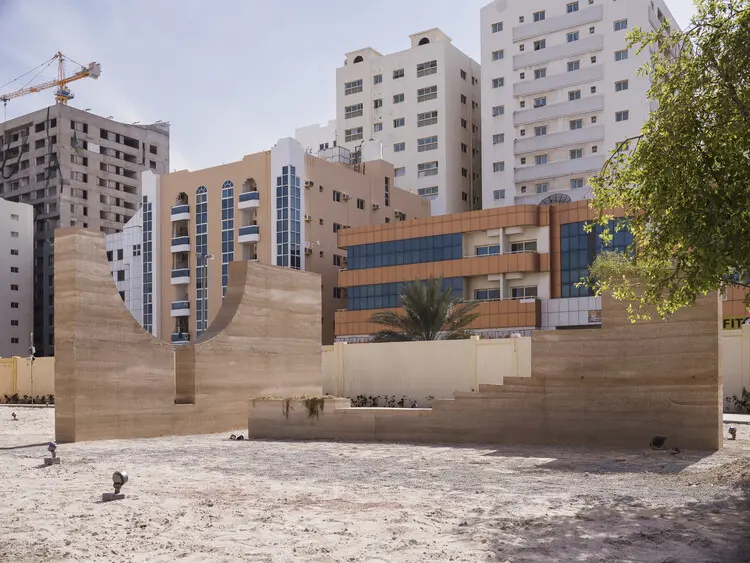
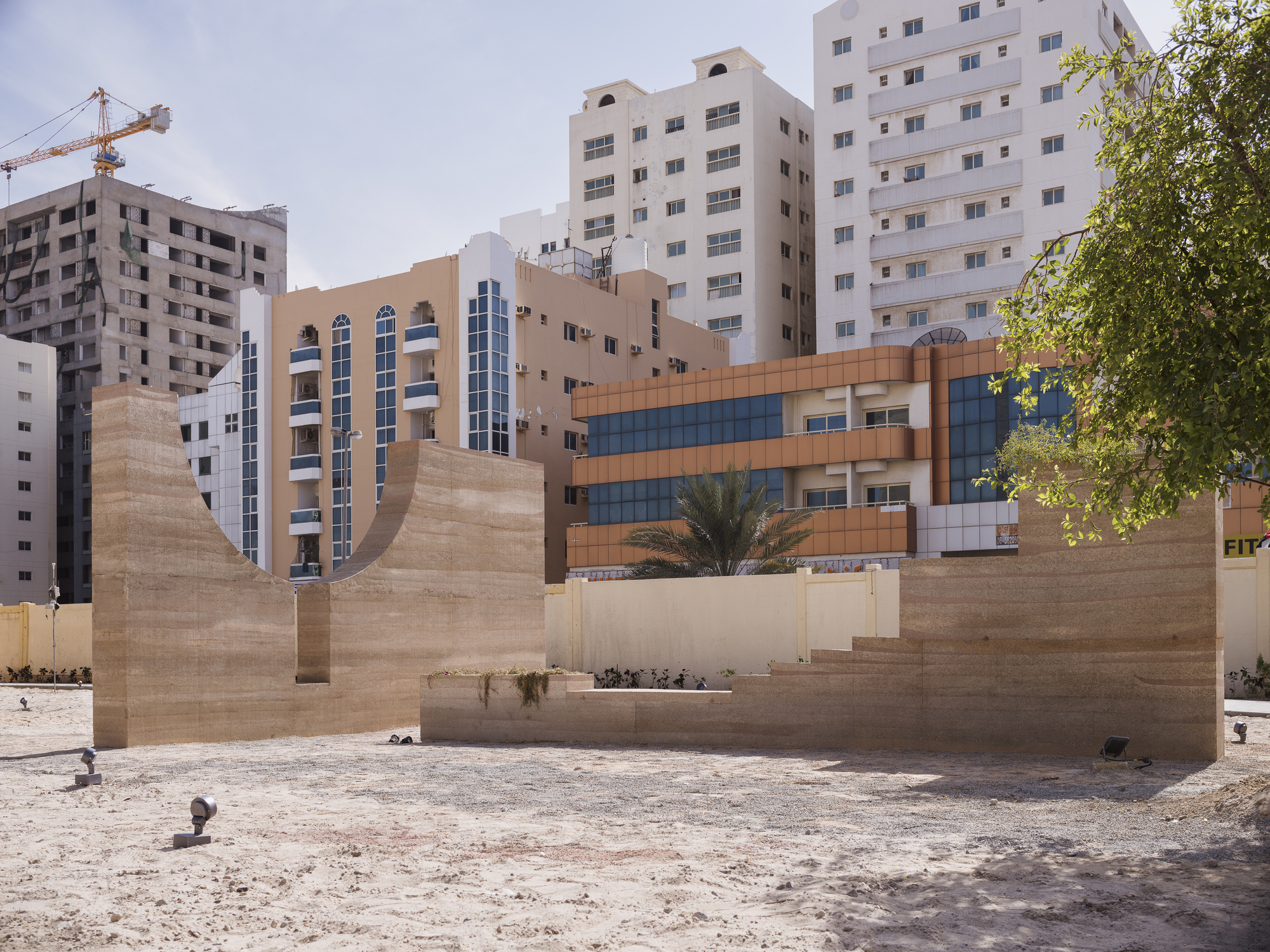
In the realm of architecture and design, this day serves as a vital inflection point. For centuries, Western-centric design paradigms have sidelined indigenous construction methods, mislabeling them as "fragile," "precarious," or relics of a bygone era. However, contemporary architectural discourse is undergoing a paradigm shift. Scholars, designers, and indigenous leaders are re-evaluating vernacular architecture not as a primitive stepping stone toward modern industrial building, but as a sophisticated, highly evolved form of environmental technology. Indigenous architecture—encompassing earth, stone, mud, reeds, bamboo, and plant fibers—is increasingly recognized as a crucial blueprint for addressing contemporary global crises, including climate change, resource depletion, and urban alienation.
Chronology of International Recognition and Architectural Reappraisal
- 1994: UNESCO officially establishes the International Day of the World’s Indigenous Peoples, creating a structured global platform to highlight the socio-political challenges and cultural contributions of indigenous groups.
- The Early 2000s: Grassroots architectural movements begin challenging the totalizing hegemony of glass, steel, and reinforced concrete. Scholars start documenting vernacular techniques, recognizing their superior thermal performance and zero-carbon lifecycles.
- 2019: Environmental architect Julia Watson publishes Lo-TEK: Design by Radical Indigenism, bringing widespread international attention to indigenous infrastructure systems that work symbiotically with ecosystems rather than dominating them.
- 2023: At the Venice Biennale of Architecture, the Brazil Pavilion—curated by Gabriela de Matos and Paulo Tavares under the theme "Earth as Ancestral and Future Technology"—wins the prestigious Golden Lion, signaling a monumental shift in how the global architectural elite views indigenous land use and earthen construction.
- 2026 (August 9–10): The annual observance of the International Day of the World’s Indigenous Peoples prompts a sweeping reassessment across global architectural platforms, emphasizing that ancestral constructive cultures are not historical artifacts, but essential toolkits for a sustainable planetary future.
Supporting Data: The Scale and Impact of Indigenous Architecture
To understand the viability of ancestral constructive culture, one must look closely at the statistical and ecological footprint of indigenous lands and practices:
- Global Territory and Biodiversity: Indigenous peoples steward approximately 22% of the Earth’s land surface. Remarkably, this land holds an estimated 80% of the planet’s remaining biodiversity, proving that indigenous habitation models preserve, rather than exhaust, natural ecosystems.
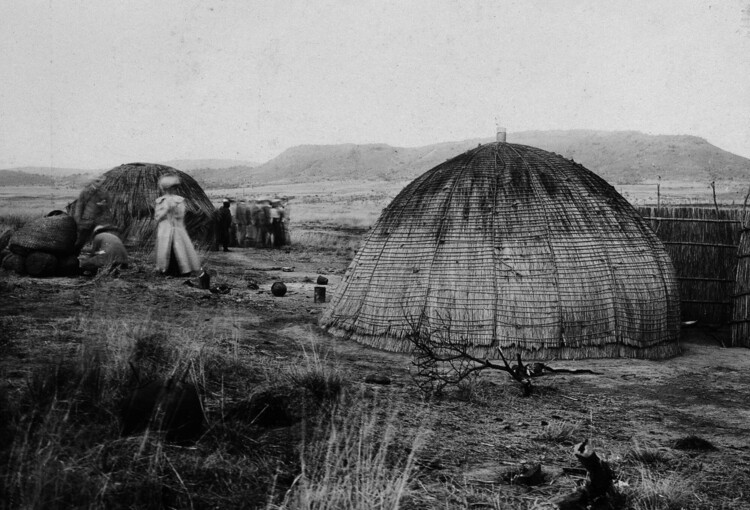
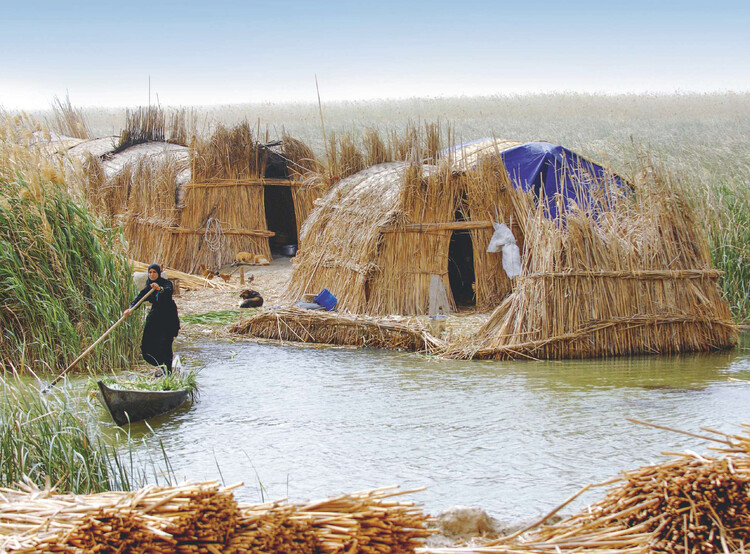
- Demographic Reach: Between 370 and 500 million people globally identify as indigenous, distributed across every inhabited continent, utilizing localized material palettes specific to their biomes—from the mudhif reed houses of the Ma’dan people in the wetlands of Iraq to the stone-and-earth putucos of the Peruvian high plains.
- Carbon Footprint Disparities: Standard modern construction—dominated by energy-intensive Portland cement and steel—accounts for nearly 40% of global energy-related carbon dioxide emissions. In stark contrast, vernacular structures built from unbaked earth, timber, bamboo, and agricultural waste operate on near-zero carbon cycles, returning harmlessly to the earth at the end of their lifecycle.
- Linguistic and Cultural Preservation: The nearly 7,000 languages spoken by indigenous groups encapsulate thousands of years of localized environmental data, naming micro-climates, soil behaviors, and hydrological cycles that modern science is only beginning to decode.
Official Responses and Perspectives
As the architectural community confronts the realities of the Anthropocene, leading thinkers, curators, and engineers are actively realigning their practices with ancestral wisdom.

Renowned indigenous Brazilian thinker and environmental activist Ailton Krenak has frequently critiqued humanity’s extractive relationship with the earth. In recent addresses, Krenak argued: "Instead of operating in the landscape, we should blend in with it." His philosophy challenges the foundational Western architectural impulse to impose geometric grids and foreign materials onto natural topography, advocating instead for a relational dwelling style where human shelters are treated as temporary, integrated manifestations of the living landscape.
This sentiment is echoed by Gabriela de Matos and Paulo Tavares, curators of the award-winning Brazilian Pavilion at the Venice Biennale. In interviews discussing earth as both an ancestral and future technology, they emphasized that reclaiming indigenous spatial practices is an act of decolonization. They contend that modern architecture’s obsession with high-tech, industrialized materials has alienated humans from the ecological cycles that sustain life. By re-engaging with earth construction, architects can bridge the gap between ancient heritage and forward-looking ecological design.
Furthermore, structural engineering experts like Julio Vargas Neumann have challenged the long-term viability of modern construction standards. In evaluations of seismic-resistant ancient technologies—such as the Peruvian Shicras foundation system (baskets filled with rounded stones used in ancient Andean architecture to absorb earthquake shocks)—Vargas Neumann boldly asserted that "today’s reinforced concrete will disappear," while elastic, flexible, earth-and-stone hybrid systems will endure because of their harmonious mechanical properties under seismic stress.
Implications for the Future of Global Design
The reintegration of ancestral constructive culture into contemporary architecture carries profound implications for urban planning, environmental policy, and architectural education.
1. Shifting from Extraction to Regeneration
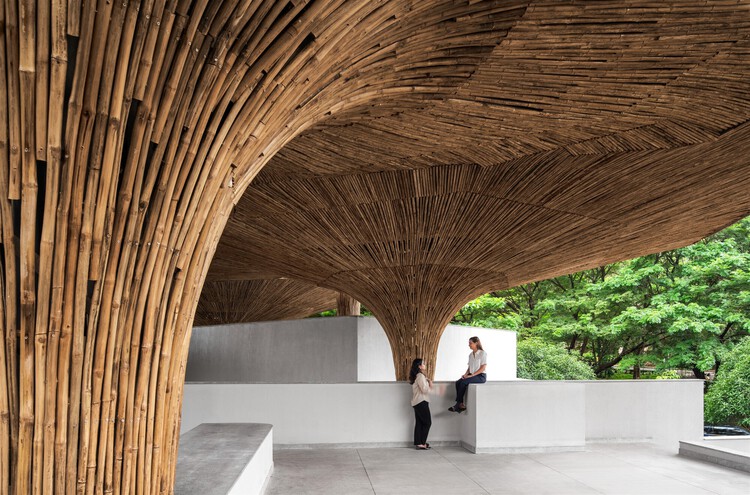
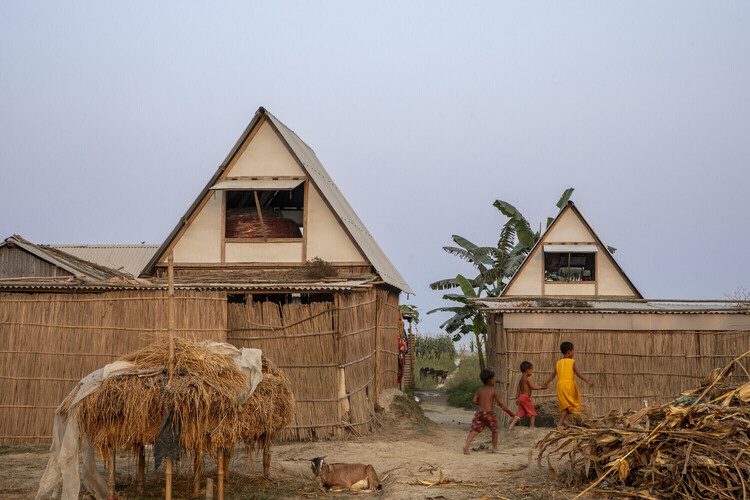
The dominant architectural model of the 20th century was extractive: forests were cleared for timber, mountains were dynamited for aggregate, and fossil fuels were burned to fire bricks and smelt steel. Indigenous architecture operates on a regenerative logic. Materials are harvested selectively from local biomes—such as fast-growing bamboo in India and the Philippines, or local clays and plant fibers in Latin America and Africa—allowing ecosystems to regenerate. Adopting this mindset on a global scale would drastically curb the construction industry’s carbon emissions.
2. Rethinking Spatial Cosmology
In many indigenous languages, such as those of various Amazonian and Andean groups, the Western concept of a "house" as an isolated commodity does not exist. Instead, dwellings are understood as extensions of kinship networks, seasonal cycles, and the forest itself. Urban designers and architects are beginning to learn from this holistic worldview, moving away from hyper-individualized housing units toward communal, climate-responsive habitats that foster social cohesion and psychological well-being.
3. Decolonizing Architectural Education
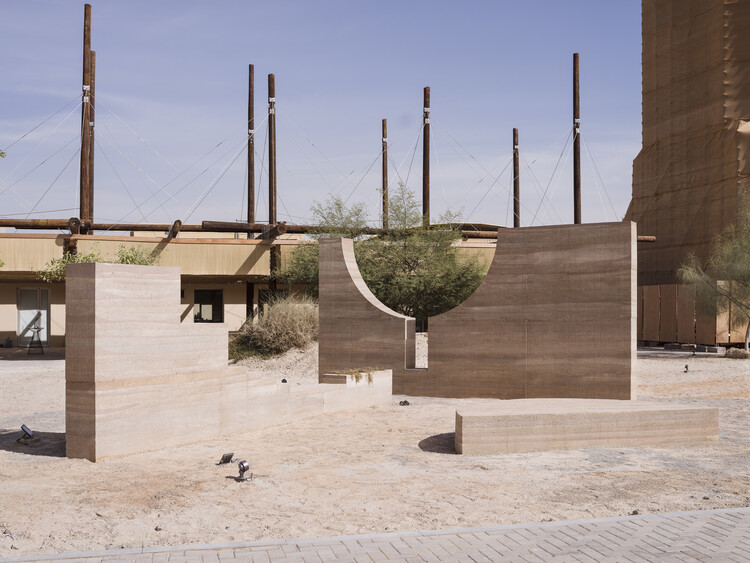
For generations, architecture schools worldwide have prioritized Western history, modernist aesthetics, and industrial engineering over vernacular intelligence. Acknowledging the International Day of the World’s Indigenous Peoples requires a fundamental overhaul of architectural curricula. By studying ancestral systems—such as passive cooling techniques in desert architecture, flood-resilient stilt structures in tropical zones, and earthquake-mitigating foundations in seismic regions—the next generation of architects can design spaces that are deeply rooted in local realities rather than globalized homogeneity.
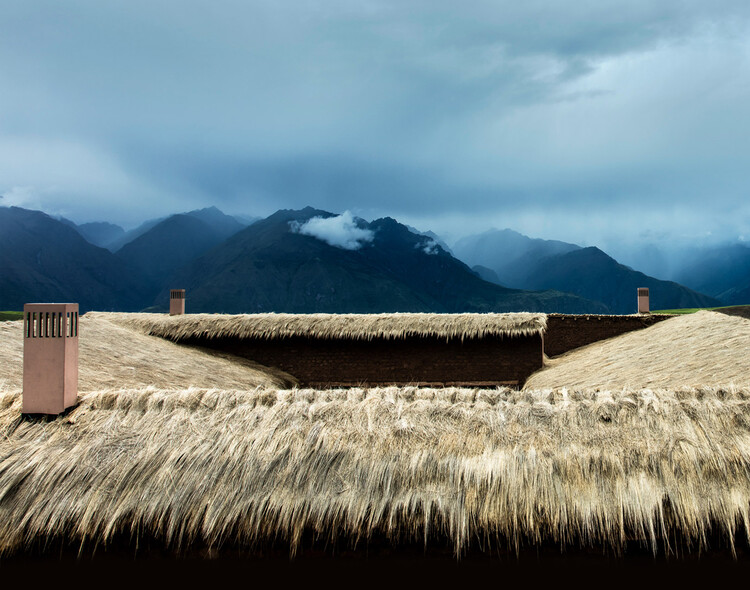
Ultimately, looking toward indigenous constructive culture is not an act of nostalgic regression. It is a radical, forward-thinking strategy for survival. As the world faces accelerating climate instability and ecological breakdown, the wisdom embedded in ancestral architecture offers a vital roadmap: building futures that honor the earth, sustain biodiversity, and recognize human dwellings as living participants in a fragile planetary web.
