

AMSTERDAM — The global landscape of architectural practice is shifting away from mere monumentalism toward deeply collaborative, socially responsive, and ecologically mindful interventions. Recognizing this paradigm shift, Ammodo Architecture—a key initiative of the Ammodo Foundation—has officially announced the inaugural edition of Ammodo Architecture Days.
Scheduled to take place on November 9 and 10, 2026, this landmark two-day event will transform Westergas, Amsterdam’s renowned cultural and public venue situated within a former industrial gasworks complex, into an international epicenter for critical discourse. The event will unite a diverse coalition of architects, landscape architects, urban planners, multidisciplinary artists, community collectives, and global change-makers, alongside the esteemed laureates of the 2024 and 2025 Ammodo Architecture Awards.
By bridging the gap between localized grassroots initiatives and global theoretical frameworks, Architecture Days aims to establish a recurring, biennial dialogue dedicated to architecture that actively repairs, rebalances, and reimagines our built and natural environments.
Main Facts: The Scope of Ammodo Architecture Days
The upcoming event is not merely a conference, but a multi-faceted cultural convening that draws directly upon 49 pioneering projects recognized across the first two cycles of the Ammodo Architecture Award. The programme is structured around six core themes designed to address the complex ecological and social challenges of the 21st century:
- Reclaim: Returning neglected or damaged spaces to public and ecological life.
- Heritage: Respecting, adapting, and breathing new life into historical structures.
- Urban Acupuncture: Utilizing small-scale, highly targeted interventions to catalyze broad urban revitalization.
- Rebalance: Restoring equilibrium between human habitats and natural ecosystems.
- Mastering Material: Innovating with local, sustainable, and circular material lifecycles.
- Reuse: Prioritizing spatial conservation and adaptive transformation over demolition and new construction.
These six pillars form the conceptual framework for a dynamic itinerary that includes a high-level academic symposium, a major international exhibition, an official publication launch with Hatje Cantz, and a formal award ceremony honoring excellence across three distinct categories: Social Architecture, Social Engagement, and Local Scale.
Chronology of the Initiative and Event Itinerary
The genesis of Ammodo Architecture Days builds on a multi-year effort to spotlight projects that prioritize social impact and ecological resilience over commercial scale. Following the rollout of the inaugural global awards in 2024 and the subsequent announcement of 26 recipients in 2025, the Ammodo Foundation decided to institutionalize a physical, interactive gathering space.
Starting in 2026, the Ammodo Architecture Award and Architecture Days will alternate biennially, ensuring that the dialogue sparked by these groundbreaking projects continues to evolve and expand on the global stage.
The Two-Day Programme (November 9–10, 2026)
- Day One & Ongoing Installations: The opening of the large-scale exhibition designed collaboratively by Thonik, Studio LMNOP, and Fiction Factory. Rather than simply showcasing finished structures through glossy photography, the exhibition delves deeply into the iterative ideas, socio-political contexts, and community-driven processes that birthed each project. Following its Amsterdam debut, the exhibition is slated for an international tour.
- Day Two (November 10) — The Symposium: A full day of keynote lectures, critical panels, and collaborative workshops convening award recipients alongside members of the Ammodo Architecture Advisory Committee.
- Publication Launch: The official presentation of a comprehensive new volume published by Hatje Cantz, featuring critical essays by leading theorists and deep dives into the recognized works from both award editions.
- The Closing Ceremony: A celebratory gala honoring the 2024 and 2025 laureates across the Social Architecture, Social Engagement, and Local Scale categories.
Supporting Data: Groundbreaking Projects on Display
The 49 projects anchoring Architecture Days span diverse geographies, cultures, and socio-economic realities, proving that innovative design is not bound by massive budgets, but by ingenuity, empathy, and contextual awareness. Three standout projects illuminate the breadth of the recognized work:
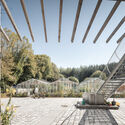
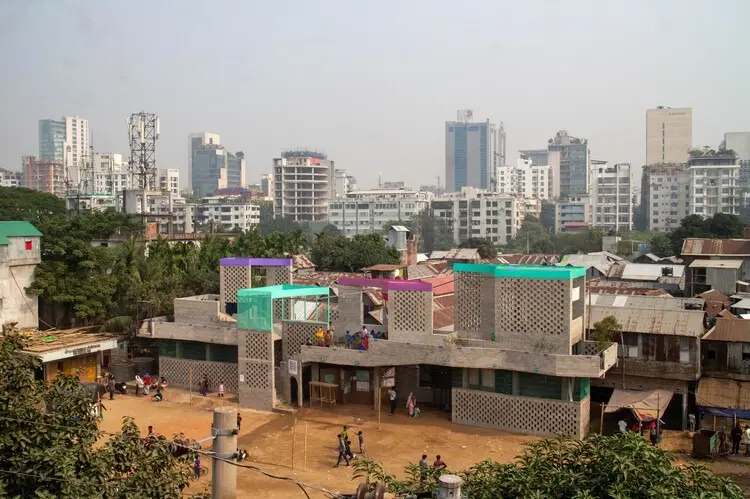
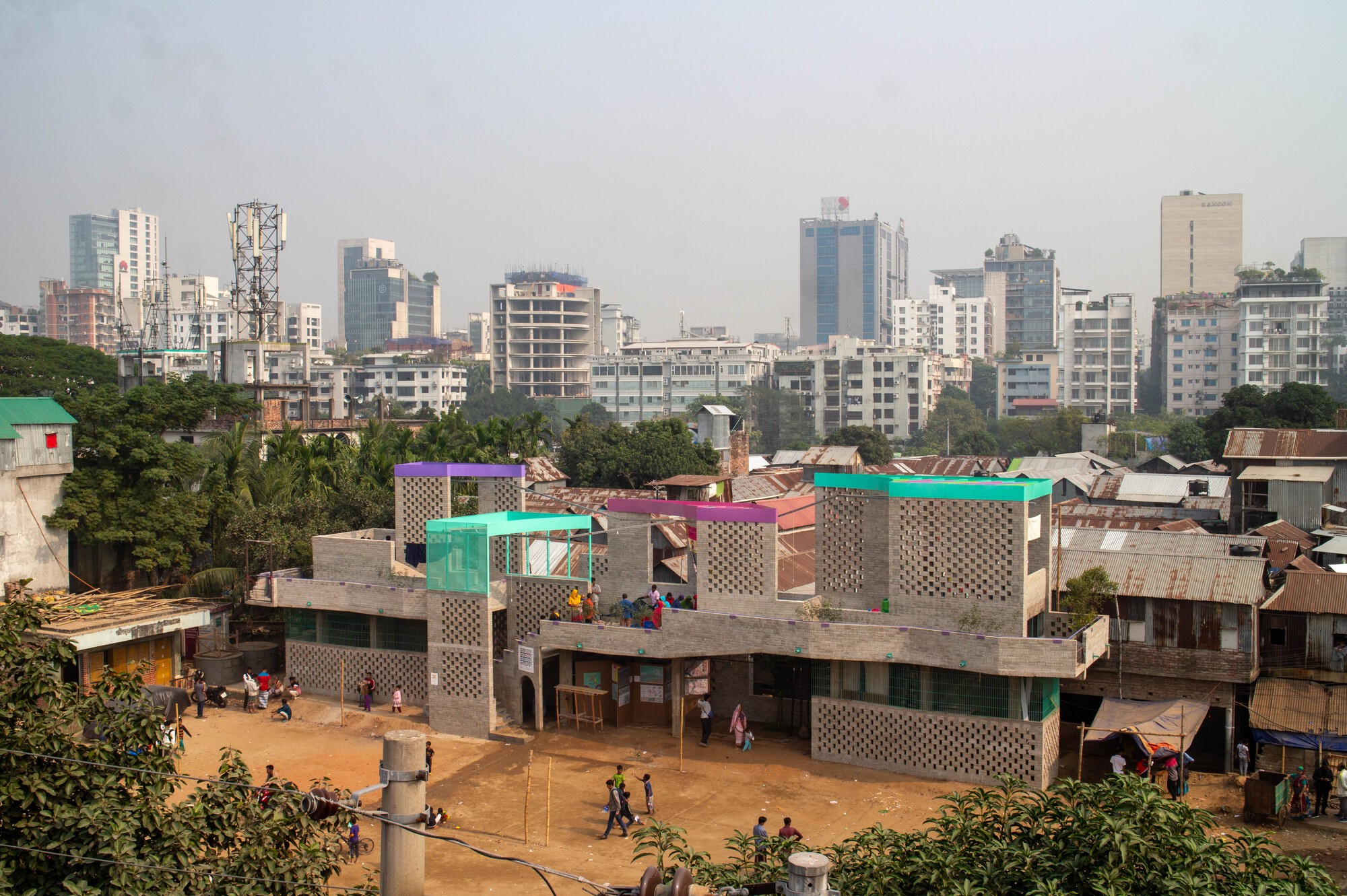
- Machan_Korail Community Platform (Bangladesh) by Paraa: Located in Dhaka, this transformative project reclaimed a former urban dumping ground, converting it into a vibrant, multi-functional community and cultural space that empowers local residents and restores dignity to a marginalized neighborhood.
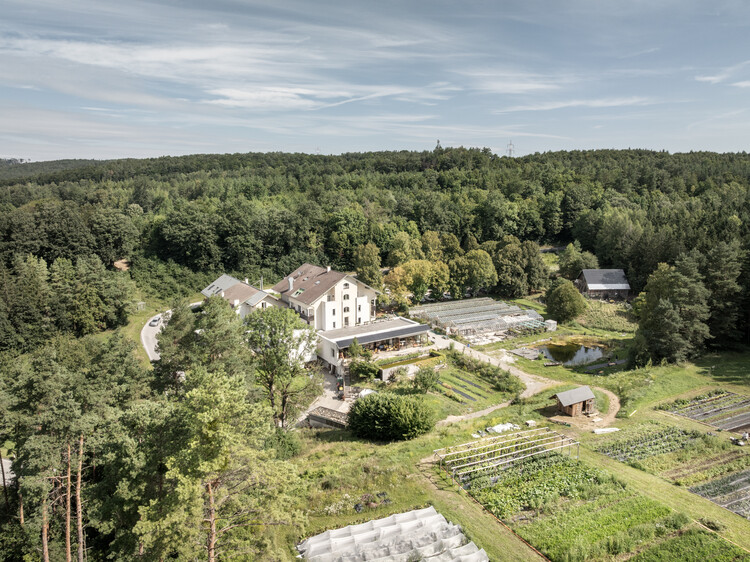
- VinziRast am Land (Austria) by gaupenraub+/-: Situated in Mayerling, this visionary adaptive reuse project converted a defunct, upscale luxury hotel into a dynamic residential and working community designed to house and integrate formerly homeless individuals and refugees, fostering mutual support and social inclusion.
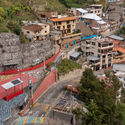
- Sustainable Alleys (Ecuador) by RAMA estudio: Operating within the historic yet dense fabric of Quito, this initiative reimagines the city’s overlooked alleyways as lush, green, socially connected public corridors, improving urban microclimates and pedestrian mobility.
Official Responses and Key Voices
The caliber of the intellectual discourse at the upcoming symposium is underscored by its roster of confirmed speakers—luminaries who bridge academic rigor with real-world urban intervention.
Among the keynote speakers is Andrés Jaque, architect and Dean and Professor at Columbia University GSAPP, whose work frequently explores the intersection of architecture, politics, and trans-species urbanism. He will be joined by Anupama Kundoo, renowned architect and Professor at TU Berlin, celebrated for her relentless exploration of material resourcefulness and artisanal craft; and Floris Alkemade, architect and former Chief Government Architect of the Netherlands, known for steering national conversations toward systemic ecological transitions.
Additional intellectual weight is provided by Loreta Castro Reguera, architect and Professor at UNAM in Mexico City, whose public infrastructure projects have transformed vulnerable urban landscapes in Latin America; and Aric Chen, Director of the Zaha Hadid Foundation in London, who brings a critical curator’s eye to the intersection of design, culture, and society.
Reflecting on the mission of the initiative, organizers from the Ammodo Foundation emphasize that the programme deliberately shifts the architectural gaze away from starchitecture and toward the unheralded labor of spatial justice. By creating a dedicated forum in Amsterdam, Ammodo is providing a vital physical infrastructure for global practitioners to share failures, successes, and methodologies that can be adapted worldwide.
Broader Implications for the Global Architecture Scene
The announcement of Ammodo Architecture Days arrives at a crucial moment for the discipline, coinciding with a broader recalibration of international architectural events. It joins a growing ecosystem of forward-looking biennials and triennials that are actively rethinking the future of human habitation in an era defined by climate crisis and social polarization.
In related global developments, The Copenhagen Architecture Biennial recently announced the theme and dates for its highly anticipated second edition, running from September 9 to October 15, 2027, under the banner "Elements." Curated to examine architecture’s entangled relationship with planetary forces and environmental control, the Copenhagen event mirrors Ammodo’s urgency regarding ecological accountability.
Similarly, the Sharjah Architecture Triennial continues to expand historical and regional horizons, recently releasing a series of compelling documentaries exploring the archival layers of architectural development in Baghdad, Damascus, and Tunis. Meanwhile, the Danish Architecture Center is currently celebrating the 90th birthday of legendary urbanist Jan Gehl with a dedicated exhibition and public programming series, underscoring the enduring relevance of people-centered urban development.
A New Chapter for Amsterdam
As Amsterdam prepares to host the inaugural Ammodo Architecture Days in November 2026, the city solidifies its status as a progressive laboratory for urban thought. By bringing together grassroots collectives from the Global South alongside radical European housing initiatives and theoretical heavyweights, the event transcends traditional networking. It serves as a rallying cry for an architecture that listens before it builds, values what already exists, and measures its success not by height or span, but by the enduring health of its communities and ecosystems.
