

By Horticultural and Environmental Reporting Desk
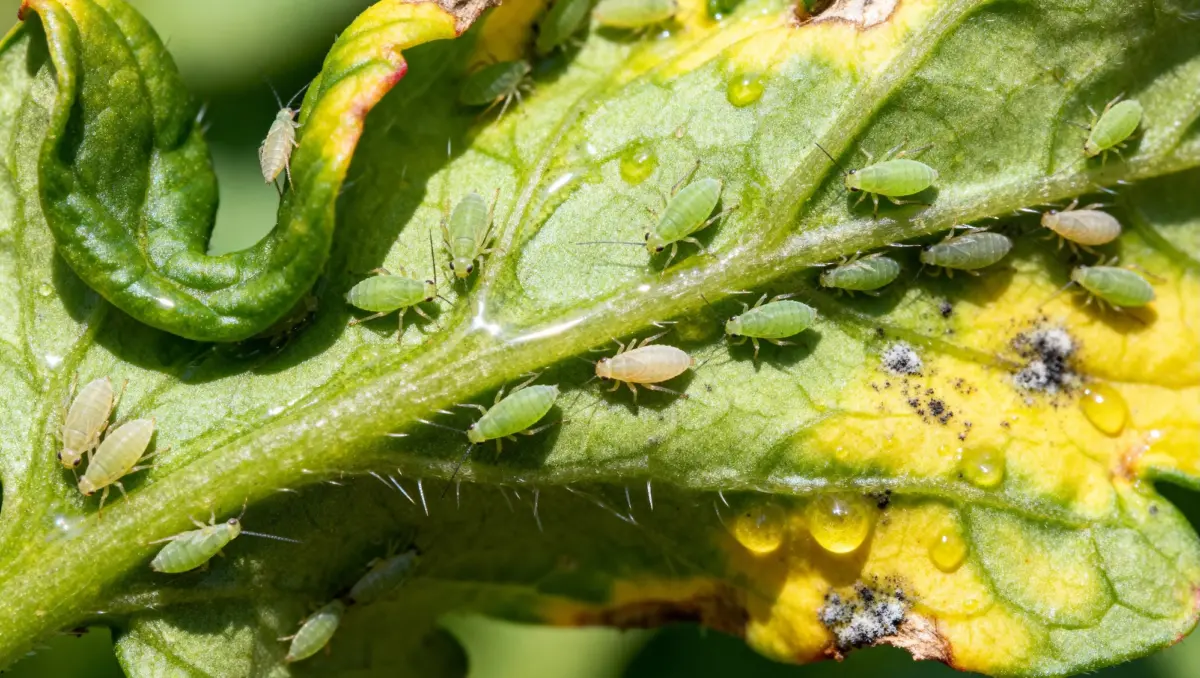
For millions of home gardeners, the arrival of spring brings the quiet anticipation of blooming flowers, thriving vegetable patches, and lush lawns. However, this seasonal awakening is frequently accompanied by a silent, sap-sucking invader: the aphid. Though diminutive in size—often measuring a mere 1/16 to 1/8 of an inch—these soft-bodied, pear-shaped insects possess an extraordinary capacity for rapid reproduction. When left unchecked, aphid colonies can transform vibrant foliage into shriveled, discolored remnants of their former selves.
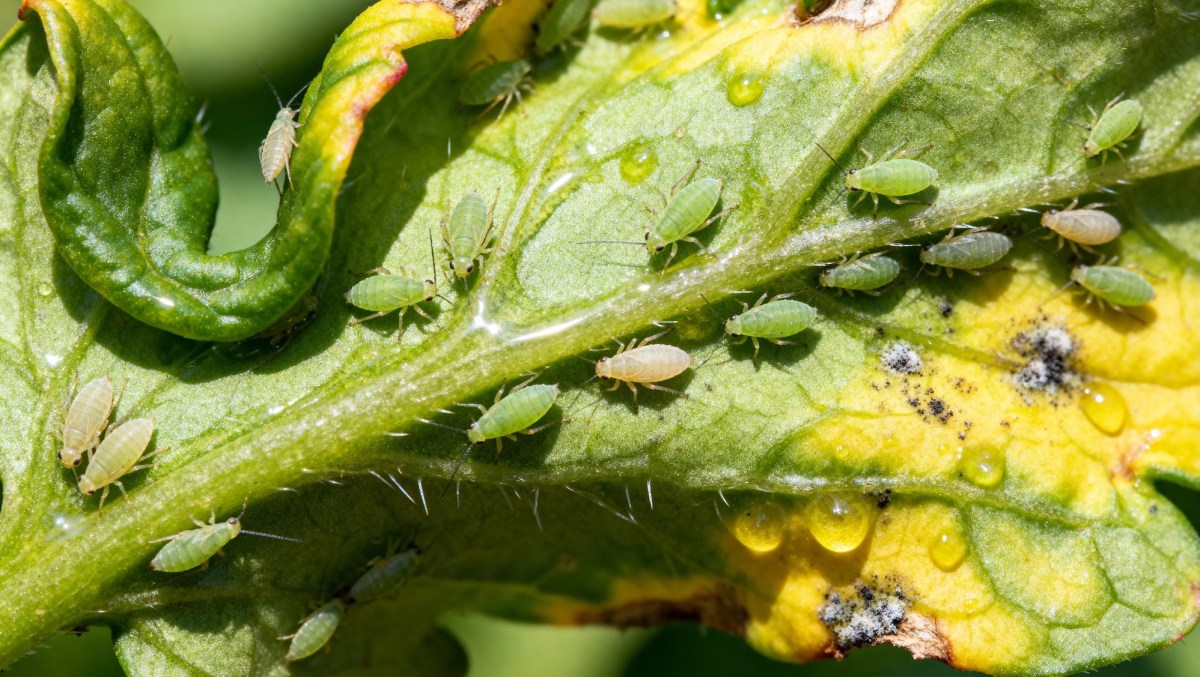
Understanding how to manage these ubiquitous garden pests requires a delicate balance between aggressive intervention and ecological preservation. Modern horticultural guidance increasingly emphasizes a graduated approach to pest control, prioritizing non-toxic physical removal and beneficial insects over broad-spectrum chemical applications that disrupt local ecosystems.
Main Facts: Unmasking the Aphid
Aphids belong to the superfamily Aphidoidea and are colloquially referred to as "plant lice." Equipped with specialized piercing-and-sucking mouthparts, they puncture tender plant tissues to extract nutrient-rich phloem sap. While a minor presence rarely threatens the long-term survival of an established, healthy plant, heavy infestations can severely stunt young vegetation, deform leaves, and transmit debilitating plant viruses.
Core Characteristics and Identification
- Physical Structure: Soft, pear-shaped bodies featuring six legs, two antennae, and distinct rear protuberances known as cornicles (resembling paired tailpipes).
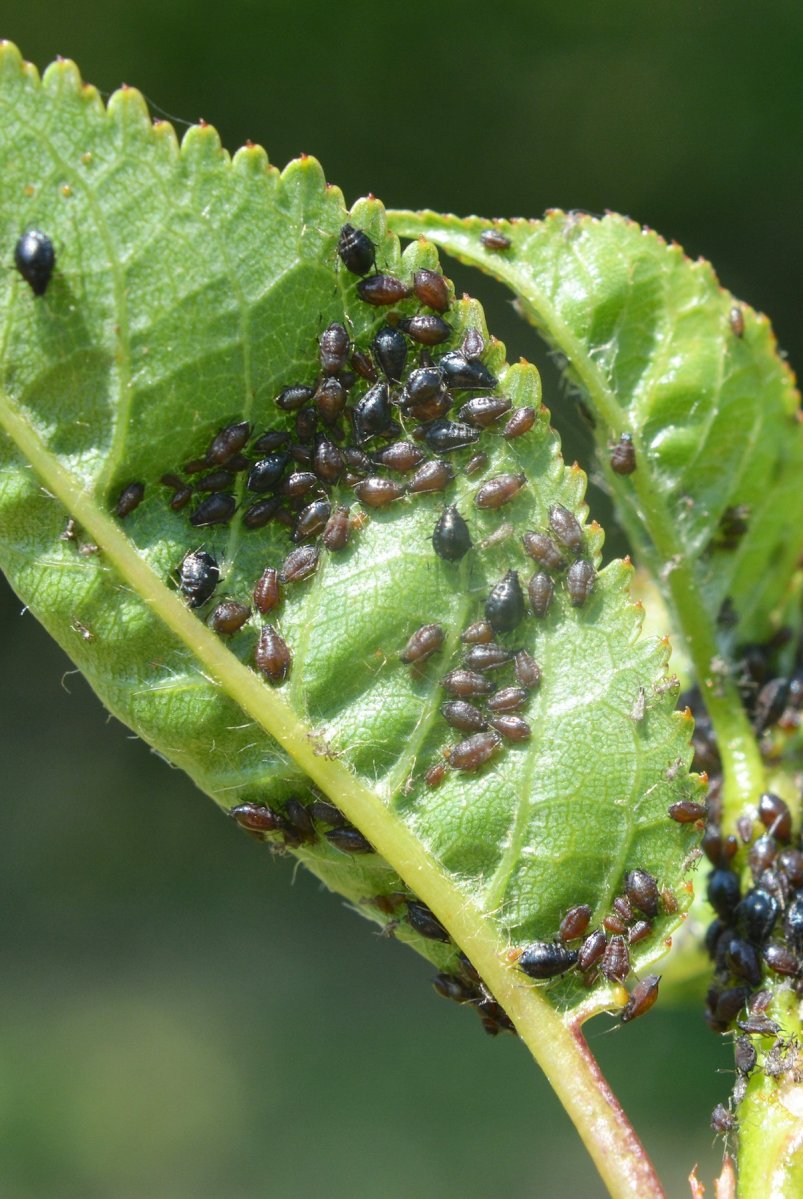
- Color Variations: While green is the most prevalent hue, species-specific variations manifest in shades of yellow, pink, red, brown, gray, and black.
- Reproductive Mechanics: Aphids exhibit a unique reproductive cycle. Throughout the spring and summer, unfertilized females give birth to live female nymphs, bypassing the egg stage and accelerating population growth exponentially. In autumn, declining temperatures trigger sexual reproduction, resulting in hardy, fertilized eggs capable of overwintering.
High-Impact Pest Species
While North America is home to an estimated 1,350 aphid species (with nearly 5,000 cataloged globally), only a fraction pose severe agricultural and horticultural threats:
- Green Peach Aphid (Myzus persicae): Universally recognized as one of the most destructive garden pests, attacking tomatoes, peppers, legumes, and numerous ornamental flowers.
- Potato Aphid (Macrosiphum euphorbiae): Favors nightshade crops (potatoes, eggplants, tomatoes) and acts as a prolific vector for crop-destroying plant pathogens.
- Cabbage Aphid (Brevicoryne brassicae): Specializes in brassicas and mustard family plants, distinguished by a grayish, waxy secretion that functions like a protective raincoat.
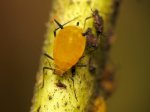
- Oleander Aphid (Aphis nerii): Bright gold in coloration, these pests target milkweed and oleander plants, sequestering toxins from their hosts to deter predators.
Chronology: The Lifecycle and Infestation Timeline
To effectively combat aphids, gardeners must understand the seasonal timeline of their development. Interventions deployed at the wrong time of year yield minimal results, while timely preventative measures can stop an infestation before it begins.
Phase 1: Winter Overwintering
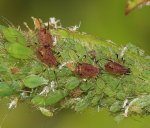
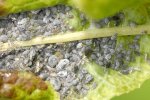
As autumn transitions into winter, female aphids lay fertilized eggs on perennial plant stems, tree bark, or fallen garden debris. These eggs remain dormant through freezing temperatures, anchored securely against the elements.
Phase 2: Spring Hatching and the Stem Mother
With the arrival of warming spring temperatures, the overwintering eggs hatch into "stem mothers." These wingless females immediately begin reproducing parthenogenetically—giving birth to live female clones without mating. During late spring, when plants experience their most aggressive flushes of tender new growth, aphid populations explode. If resources on a single plant become depleted, winged morphs are produced, allowing the colony to migrate to new botanical hosts.
Phase 3: Summer Proliferation
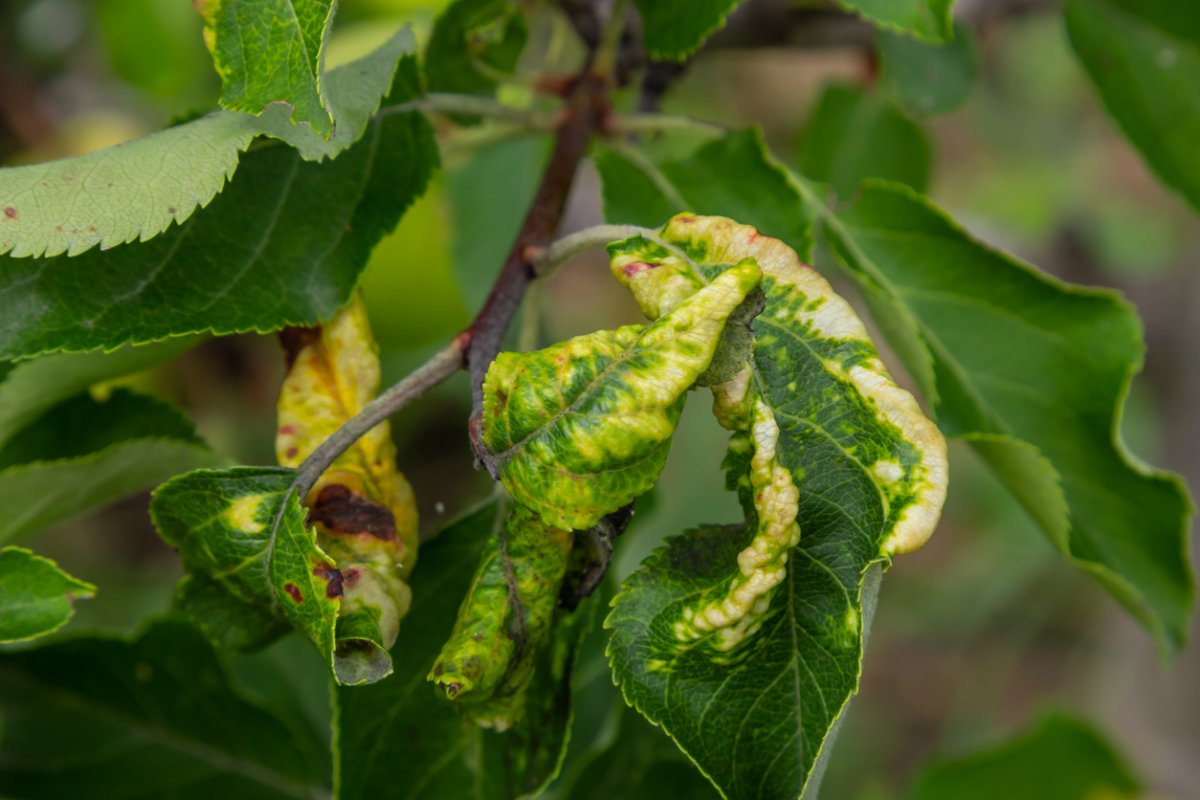
Throughout the peak summer months, continuous generations are generated at an astonishing rate. Gardeners frequently remain unaware of the issue until curled leaves, sticky honeydew residues, or black sooty mold alert them to a full-blown infestation.
Phase 4: Autumn Migration and Reset
As daylight shortens and temperatures drop, winged male and female aphids emerge to mate, laying the cold-hardy eggs that reset the cycle for the following year.
Supporting Data: Damage Metrics and Economic Impact
While individual aphids inflict minimal structural harm, their collective impact on home gardens and commercial agriculture translates to significant economic and aesthetic loss.
- The Honeydew Dilemma: As aphids feed on phloem sap rich in sugars, they excrete a sticky, viscous waste product called "honeydew." This substance coats underlying leaves, acting as a fertile growth medium for black sooty mold. This secondary fungal infection blocks sunlight, inhibiting photosynthesis and degrading plant vigor.
- Vector Potential: Aphids serve as primary vectors for over 200 plant viruses, including potato leafroll and cucumber mosaic virus. Even if the insects are physically removed, the viral pathogens they introduce can persist and ruin an entire harvest.
- Intervention Costs: Homeowners spend millions annually on pest control measures, ranging from manual sprayers and organic horticultural oils to systemic chemical treatments. According to regional horticultural extension services, however, up to 70% of reported backyard aphid treatments are fundamentally unnecessary for plant survival, driven largely by aesthetic concerns rather than physiological threat.
Official Responses and Horticultural Guidelines
Leading agricultural institutions and university extension programs have established rigorous guidelines regarding aphid management, emphasizing integrated pest management (IPM) frameworks.
The University of Minnesota Extension Position
"Treating aphids for the health of plants is usually unnecessary in small numbers. These insects are a natural part of the garden ecosystem and provide an essential foundational food source for beneficial predatory insects."
The University of California Integrated Pest Management (IPM) Stance
Academic entomologists strongly advise against the premature deployment of synthetic broad-spectrum pesticides. Official bulletins emphasize that chemical interventions—particularly systemic insecticides like Imidacloprid—frequently exacerbate long-term pest problems by eradicating beneficial insect populations (such as lady beetles and parasitic wasps) that naturally suppress aphid numbers. Regulatory bodies uniformly recommend reserving chemical options as an absolute last resort.
Implications: Sustainable Home and Yard Practices
The modern gardening community is shifting rapidly toward sustainability, aligning with broader environmental initiatives that prioritize soil health, pollinator protection, and chemical restraint. Managing aphids offers an ideal crucible for practicing mindful horticulture.
Step-by-Step Eradication Protocol
If an aphid infestation crosses the threshold from a minor nuisance to a genuine threat to plant health, gardeners should escalate their response incrementally:
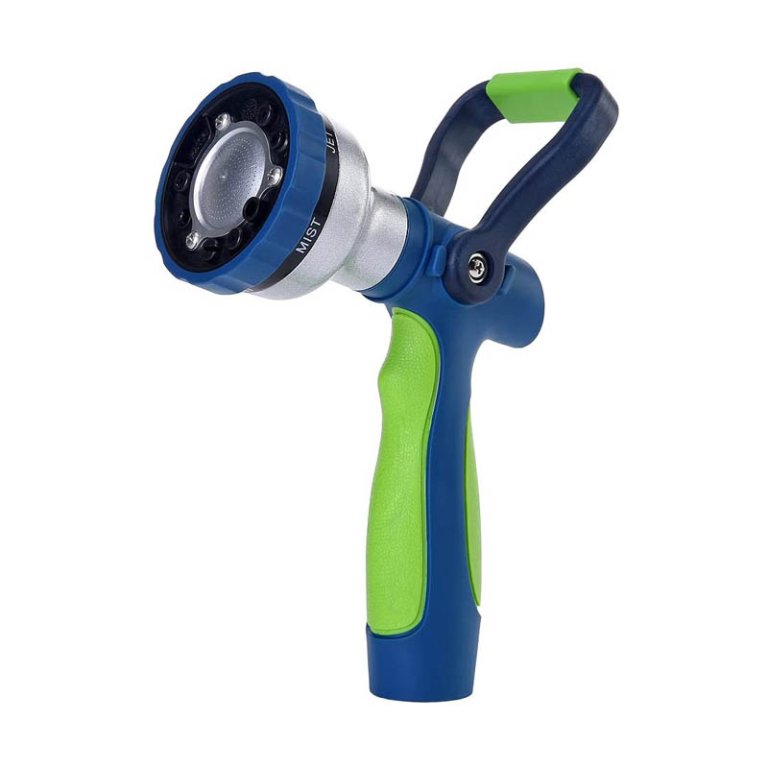
- Physical Disruption (Hose Down): For minor outdoor outbreaks, direct a high-pressure stream of water from a garden hose nozzle onto the plant, ensuring complete coverage of leaf undersides. Repeat every 2 to 3 days for up to two weeks.
- Manual Removal: For hardy plants, squishing slow-moving aphids by hand or wiping them away with a soapy cloth is highly effective at any time of day.
- Homemade Insecticidal Soap: Mix a few teaspoons of mild liquid Castile dish soap with one quart of water. Thoroughly spray foliage, stems, and buds every few days until the population collapses.
- Commercial Organic Treatments: Utilize safer alternatives such as insecticidal soaps, horticultural dormant oils (which smother overwintering eggs), or pure neem oil to disrupt feeding behaviors without persistent environmental toxicity.
- Systemic Pesticides (Last Resort): Employ systemic granules or concentrates only when severe infestations threaten irreplaceable plants, ensuring strict adherence to environmental safety warnings regarding pollinators.
Long-Term Prevention Strategies
- Introduce Beneficial Insects: Cultivate populations of lady beetles, lacewings, and syrphid flies by planting nectar-rich flowering borders and providing undisturbed mulch habitats.
- Companion Planting: Integrate strongly scented herbs and companion plants—such as garlic, chives, oregano, and onions—around susceptible crops to disrupt pest navigation.
- Nutritional Moderation: Avoid excessive nitrogen fertilization. Over-fertilized plants produce an abundance of soft, succulent new growth that acts as an irresistible magnet for feeding aphids.
By embracing these graduated, ecologically sound management practices, gardeners can successfully protect their plants while preserving the delicate ecological balance essential for a thriving, sustainable backyard ecosystem.
