

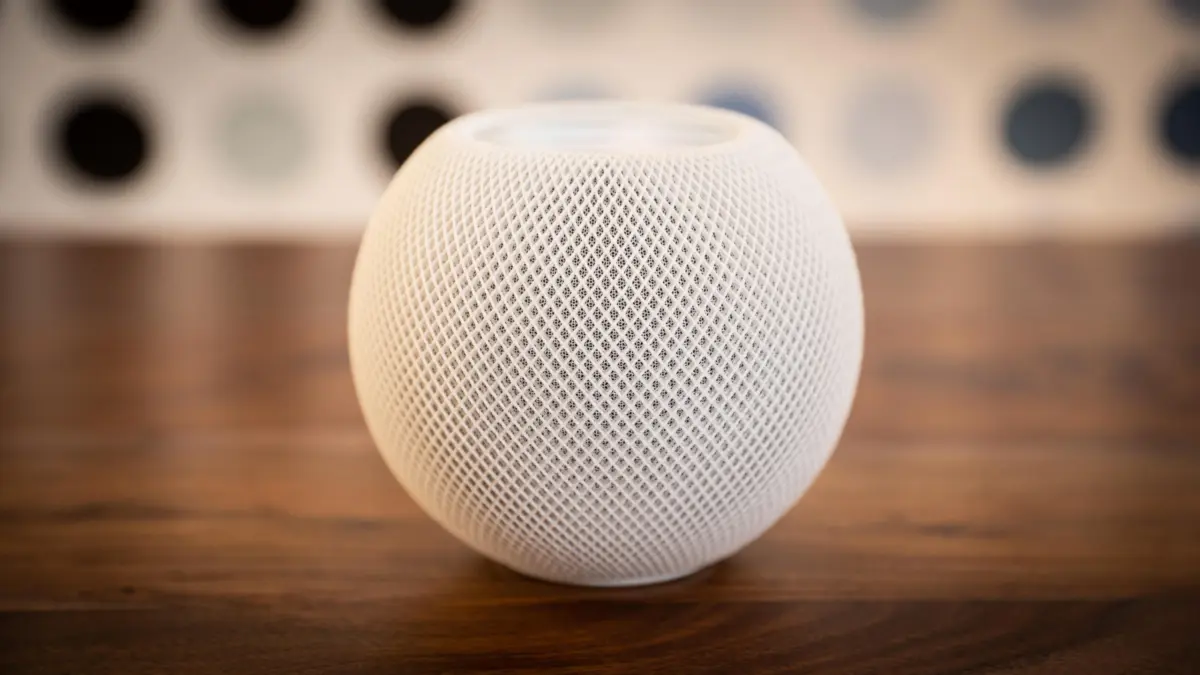
As Apple continues to roll out advanced artificial intelligence capabilities through its expanding Siri ecosystem and introduces cutting-edge smart home hardware, integrating voice assistants into daily life has never been more relevant. Whether you are operating a standalone HomePod speaker, managing automated security routines via the Apple Home app on your iPhone, or orchestrating a fully integrated smart residence, knowing the right voice commands can drastically streamline your daily routines.
Drawing from extensive, long-term testing of Apple smart home architecture, security systems, and voice recognition software, this comprehensive guide outlines the most effective "Hey Siri" commands across various categories, details troubleshooting protocols, and examines the broader implications of Apple’s push into generative and contextual AI for the connected home.
Main Facts: The Evolution of Apple Home and Siri Voice Control
The modern smart home ecosystem relies heavily on centralization, automation, and intuitive interaction. Apple’s HomeKit and the Apple Home app serve as the digital nervous system for connected residences, bridging third-party hardware—such as Ikea security sensors, August smart locks, Ecobee thermostats, and Philips Hue lighting—into a singular, unified platform.

Key facts regarding the current state of Apple’s smart ecosystem include:
- Cross-Device Accessibility: Commands can be executed natively via iPhones, Apple Watches, iPads, Apple TVs, and dedicated smart speakers like the HomePod and HomePod mini.
- Granular Room Control: By properly labeling rooms and accessories within the Apple Home application, users can transition from broad commands to specific, targeted environmental adjustments.
- The AI Transition: Apple is actively deploying enhanced Siri AI features capable of complex contextual reasoning, such as analyzing home security footage feeds and answering hyper-specific situational queries about home status.
- Privacy and Local Processing: In alignment with Apple’s corporate ethos, smart home data management emphasizes local device processing and secure encrypted pipelines via HomeKit Secure Video.
Chronology: From Basic Voice Assistants to Contextual AI
The trajectory of Apple’s voice assistant has undergone a notable transformation since its initial introduction, shifting from a rudimentary query-and-response tool to an deeply integrated smart home orchestrator.
Phase 1: Basic Device Toggle (Early HomeKit Era)
In the early days of Apple HomeKit, Siri’s capabilities were strictly binary. Users could execute simple, direct commands requiring precise phrasing, such as turning individual lights on or off or locking a compatible deadbolt. Ambiguity often resulted in failed requests.

Phase 2: Room-Awareness and Routine Integration
As the ecosystem matured, Apple introduced robust room-tagging features and "Scenes." Users were no longer limited to individual appliance toggles; they could group multiple devices together to respond to contextual cues like "Good morning" or "I’m leaving," transforming Siri into a multi-device coordinator.
Phase 3: Advanced AI and Predictive Automation (Current Era)
With the advent of advanced Siri AI features, the assistant is moving past rigid scripts toward natural language processing and semantic understanding. Modern iterations can parse complex multi-variable requests, analyze security camera timelines for specific visual events (such as package deliveries), and provide proactive status updates based on geographic location and family sharing data.
Supporting Data: Essential "Hey Siri" Commands by Category
To maximize the utility of an Apple-powered smart home, users should leverage specific command frameworks designed for lighting, climate, security, and scheduling.

1. Environmental and Lighting Control
Properly categorized rooms within the Apple Home app allow for nuanced adjustments to brightness, color, and temperature.
- "Hey Siri, turn on the heater." Ideal for remotely activating connected space heaters or smart plugs before entering a room.
- "Hey Siri, turn off the kitchen lights." Targets specific spaces, provided appliances are correctly labeled in the Home app architecture.
- "Hey Siri, set the playroom smart lights to blue." Adjusts customizable RGB smart bulbs for specific moods or utility.
- "Hey Siri, turn the thermostat down by two degrees." Adjusts climate control dynamically regardless of your physical location in the house.
2. Home Security and Surveillance
As Apple expands Siri AI capabilities to a broader range of security cameras and non-subscription DIY kits, voice commands offer rapid oversight.
- "Hey Siri, unlock the front door." Integrates with certified smart deadbolts (though voice unlocking may require authentication via a nearby trusted device for security purposes).
- "Hey Siri, arm the security system." Speeds up departure routines by securing perimeter sensors instantly.
- "Hey Siri, show me the backyard camera." Pulls up a live video feed directly within the Apple Home interface.
- "Hey Siri, show me the front door camera on Apple TV." Allows users to check disturbances on a primary living room screen during the night.
- "Hey Siri, did the driveway camera see any deliveries today?" (Rolling out via Siri AI) Leverages on-device video analysis to summarize visual events without forcing users to scrub through hours of footage manually.
3. Scheduling and Deferred Actions
Automation does not always require immediate execution; temporal commands allow users to plan their environment ahead of time.

- "Hey Siri, lock the front door at 7 p.m." Secures entry points automatically ahead of the household bedtime routine.
- "Hey Siri, turn on the outdoor porch light at sunset." Utilizes astronomical data to dynamically adjust schedules based on seasonal changes in daylight.
- "Hey Siri, turn off the home fan in 3 hours." Sets a temporary countdown timer for high-draw appliances or circulating fans.
4. Home Status Inquiries
When uncertainty arises regarding the state of the home, users can query Siri for real-time telemetry data.
- "Hey Siri, are the lights in the living room off?" Confirms environmental status without requiring a visual check or app opening.
- "Hey Siri, did I close the garage door?" Interrogates compatible garage door controllers or optical sensors from afar.
- "Hey Siri, what temperature is the kid’s room?" Pulls data from satellite temperature sensors distributed by brands like Nest or Ecobee.
5. Family Tracking and Location Services
While technically adjacent to the smart home, Find My integration allows family members to maintain situational awareness.
- "Hey Siri, where is [family member name]?" Retrieves real-time location data via Family Sharing settings.
- "Hey Siri, where is [name’s] backpack?" Locates specific items tracked via Apple AirTags attached to personal belongings.
6. Complex Scenes and Routines
Scenes combine multiple device states into a single, cohesive command phrase.

- "Hey Siri, I’m home." Disarms security sensors, illuminates entryways, adjusts internal climate, and starts preferred media playback.
- "Hey Siri, good morning." Concludes sleep routines by raising window shades, stopping overnight fans, playing wake-up playlists, and signaling smart coffee makers.
- "Hey Siri, I’m off to work." Secures perimeter locks, arms security systems, drops the thermostat to an energy-saving setback point, and closes smart blinds.
Official Responses and Expert Troubleshooting
Smart home technology is notoriously prone to occasional synchronization hiccups. Industry experts and official documentation emphasize a reliable diagnostic hierarchy when voice commands fail.
Expert Troubleshooting Protocol:
- Check for Firmware Updates: Ensure that both the third-party hardware manufacturer’s native app and Apple Home are operating on the latest software versions.
- Reboot the Ecosystem: Power cycle the affected smart device, restart the Apple Home hub (such as a HomePod or Apple TV), and reboot the primary iOS device.
- Network Integrity: Smart home instability is frequently rooted in Wi-Fi packet loss or device congestion on local 2.4GHz/5GHz bands. Power cycling the home Wi-Fi router often restores unresponsive accessories.
Implications: The Future of Ambient Computing and AI in the Home
The integration of advanced AI into platforms like Apple Home signals a fundamental shift in consumer technology: the transition from reactive tool usage to proactive ambient computing.

1. Privacy as a Competitive Advantage
As major tech conglomerates vie for dominance in the smart home sector—competing against platforms like Google Nest and Amazon Alexa—Apple continues to position local data processing and privacy as its primary differentiator. By processing complex queries and video analytics locally on-device or via secure private cloud servers, Apple attempts to mitigate consumer anxieties regarding domestic surveillance and data harvesting.
2. Reduced Cognitive Load
The ultimate implication of contextual voice commands and AI-driven home routines is the systematic reduction of daily cognitive fatigue. By allowing users to manage complex environmental parameters—such as security arming, energy conservation, and perimeter monitoring—through conversational language, smart homes are evolving from novelty tech gadgets into indispensable household infrastructure.
As software updates continue to expand Siri’s capabilities, the modern residence is no longer just a physical structure, but an intelligent, responsive living partner.
