

By Tech Desk Staff
Published: August 2026
Main Facts
The annual Made by Google keynote has arrived, bringing with it the official rollout of the company’s hardware portfolio for the 2026–2027 cycle. Broadcasting live, this year’s event features a high-profile entertainment format hosted by comedian and television personality Trevor Noah, replacing last year’s host, Jimmy Fallon.
However, the element of surprise was largely diminished hours before the livestream even began. Thanks to an early lifting of the press and creator embargoes, comprehensive hands-on impressions, specification sheets, and deep-dive analyses flooded the tech media landscape. Consumers and enthusiasts already possess a clear picture of what the company is offering.
The core hardware lineup announced today includes:
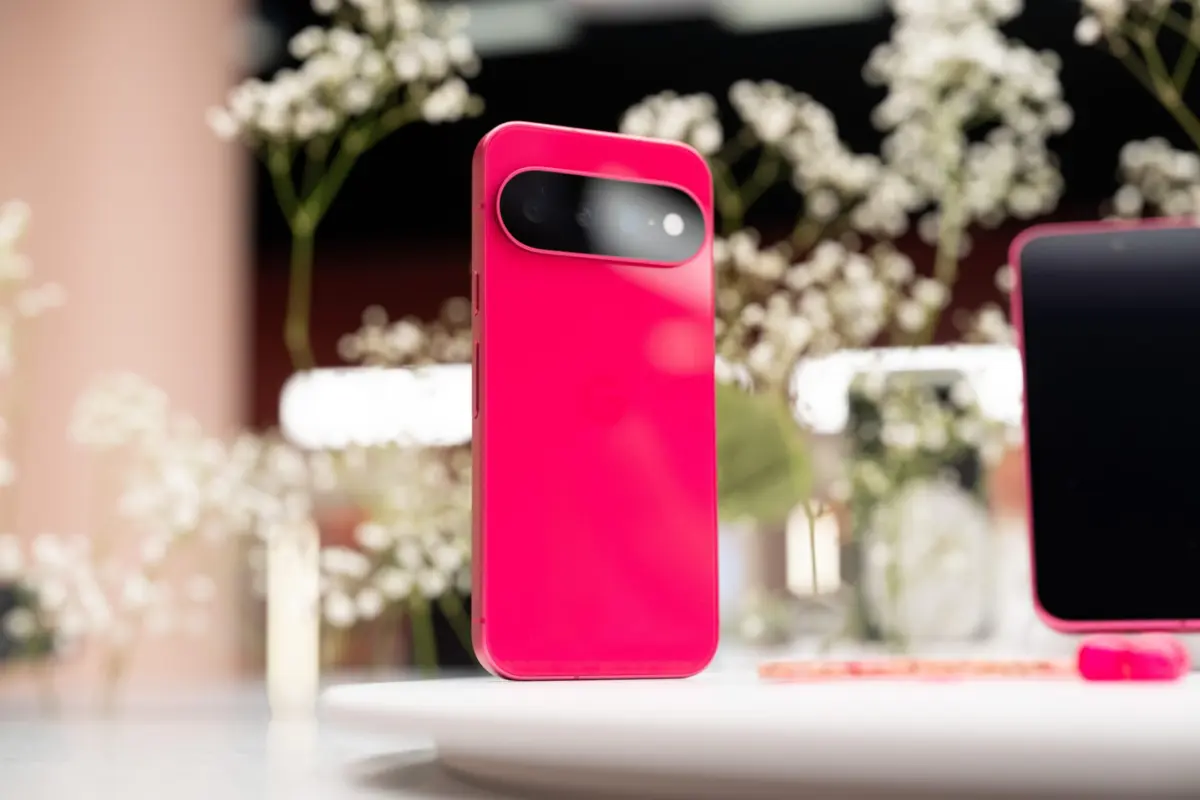
- The Pixel 11 Series: Google’s next-generation flagship smartphones, bringing iterative and architectural changes to mobile processing, display tech, and device design.
- Advanced Computational Photography Features: Significant upgrades to the Google Camera application, leveraging on-device machine learning to redefine mobile imaging.
- The Pixel Watch 5: The latest iteration of Google’s wearable line, deeply integrated with Gemini AI capabilities and health-tracking suites.
- Expanded Ecosystem Offerings: Additional hardware accessories and software integrations designed to solidify the interconnected nature of Google’s device ecosystem.
Despite the wealth of pre-release reporting, the keynote itself serves a distinct purpose. Rather than catering exclusively to hardcore enthusiasts who devoured morning hands-on previews, the celebrity-studded livestream is meticulously engineered for a broader, mainstream consumer demographic.
Chronology of Events
The Pre-Dawn Information Leak (Morning of the Event)
Hours before the physical doors opened and the virtual stream went live, the tech information floodgates swung open. Tech publications, independent creators, and YouTube reviewers published extensive previews, breaking down the hardware architecture of the Pixel 11 series, evaluating the ergonomics of the Pixel Watch 5, and testing out preliminary camera software. For the tech-savvy consumer who tracks regulatory filings, supply chain rumors, and benchmark leaks, the morning of the keynote felt more like a victory lap than a premiere.
The Embargo Lift and Early Analysis (12:00 PM ET)
Simultaneously with the early reviews, detailed technical breakdowns went live across major digital outlets. Editorial teams published hands-on guides regarding the Pixel 11’s hardware layout, alongside interviews with Google’s engineering and product design leads detailing the philosophy behind the new computational photography features.
Pre-Show Anticipation and Commentary (3:00 PM – 6:00 PM ET)
As the hours ticked down to the main event, media outlets and social media channels ramped up commentary. Observers noted the shift in tone from previous hardware eras. Google’s transition to celebrity-hosted variety-style keynotes—pioneered by Jimmy Fallon’s outing in 2025 and continued by Trevor Noah this year—sparked online debate regarding whether tech hardware needs Hollywood-style gloss to capture the public imagination.
The Live Keynote Broadcast (6:00 PM ET / 3:00 PM PT)
Kicking off at 6:00 PM Eastern Time, the official livestream commenced with an entertainment-heavy opening sequence. On-site journalists, including senior reporters stationed in the auditorium, began feeding live updates, capturing both the polished moments of the stage production and the collective, ironic detachment of the tech press corps watching the spectacle unfold.
Supporting Data and Technical Overview
To understand the scope of today’s announcements, it is necessary to examine the technical foundations of the hardware released into the wild. While casual viewers tuned in for Trevor Noah’s opening monologue, power users spent the day parsing the spec sheets.
The Pixel 11 Hardware Suite
Google’s strategy with the Pixel 11 series centers on refinement rather than radical reinvention. Building upon the custom Tensor architecture introduced in prior generations, the new silicon inside the Pixel 11 focuses heavily on thermal efficiency and dedicated on-device AI processing units (NPUs).
- Display and Build: The Pixel 11 lineup features brighter, more adaptive OLED panels protected by advanced Corning Gorilla Glass iterations. Ergonomic tweaks ensure a more comfortable hand-feel compared to the sharp edges of historical models.
- Battery and Charging: Incremental battery capacity increases, paired with more aggressive power-management software powered by machine learning, aim to secure reliable all-day battery life even under heavy multi-tasking loads.
Computational Photography and Camera Upgrades
Google’s primary differentiator in the smartphone market has long been its software-driven imaging pipeline. The updates announced today push this philosophy further. Interviews with the engineering teams reveal a pivot toward real-time generative adjustments, improved low-light video processing, and more natural skin-tone rendering through refined machine learning models. The updated Google Camera interface streamlines pro-level controls while keeping automated modes accessible for everyday snappers.
Pixel Watch 5 and Wearable Integration
The wearable ecosystem received a vital refresh with the Pixel Watch 5. Moving beyond simple step-counting and heart-rate monitoring, the new watch serves as a wrist-bound terminal for the Gemini ecosystem. Deeper context-aware notifications, faster response times, and improved battery efficiency address the primary consumer pain points of previous generations.
Official Responses and Industry Perspectives
The Google Strategy: Mainstream Appeal vs. Power-User Alienation
Industry analysts have pointed out a stark dichotomy in how Google markets its products versus how they are consumed. Hardware announcements of this scale are caught in a tug-of-war between two distinct audiences:
- The Power-User Community: This demographic consumes leaks months in advance, reads in-depth whitepapers on sensor sizes and chipset nodes, and often finds high-production, celebrity-heavy keynotes redundant or overly theatrical. For these consumers, features like customizable notification LEDs or granular developer settings matter far more than scripted banter between a late-night host and a corporate executive.
- The Mainstream Consumer: This is the target demographic for today’s livestream. Millions of potential buyers do not read morning hands-on previews. They encounter the Pixel brand through targeted digital advertisements, carrier deals, and evening livestreams watched after a day of work. For this group, a polished, high-energy presentation hosted by a globally recognized comedian like Trevor Noah serves as an accessible introduction to complex consumer technology.
Press and Creator Reactions
The reaction from the press corps attending the event in person highlights an ongoing industry meta-commentary. While journalists appreciate the access required to deliver comprehensive, day-one reviews, the performative nature of modern hardware keynotes often draws gentle cynicism. Live-blogging teams have increasingly embraced a dual role: reporting the actual hardware specifications while simultaneously chronicling the performative theatrics of the stage show.
Implications for the Consumer Tech Market
The rollout of the Pixel 11 series, Pixel Watch 5, and associated ecosystem products carries several long-term implications for the smartphone industry at large.
1. The Normalization of AI as a Utility
Google is no longer treating artificial intelligence as a futuristic novelty. By baking Gemini deeper into the Pixel 11 hardware, the camera software, and the Pixel Watch 5, the company is signaling that AI-driven features—such as real-time contextual assistance, advanced generative editing, and proactive health insights—are now baseline expectations for premium consumer electronics.
2. The Evolution of Product Launch Marketing
The reliance on celebrity hosts like Trevor Noah (following Jimmy Fallon) suggests that tech giants are borrowing playbooks from the entertainment industry. Traditional slide-deck presentations are steadily being phased out in favor of hybrid entertainment-marketing spectacles. While this approach risks alienating hard-core enthusiasts who view the theatrics as fluff, it demonstrates a calculated effort to capture cultural mindshare outside of traditional tech circles.
3. Maturation of the Hardware Ecosystem
With iterative hardware updates becoming the industry standard due to diminishing returns in raw silicon performance leaps, Google’s success now hinges on ecosystem stickiness. The seamless interplay between the Pixel phone, the Pixel Watch, and Google’s cloud-based AI services is designed to lock users into a cohesive hardware loop, positioning Google not merely as a phone maker, but as an ambient computing provider.
As the dust settles on today’s keynote and consumers begin evaluating real-world reviews, the true test of Google’s 2026 hardware strategy will play out in retail sales figures and long-term user satisfaction metrics in the months ahead.
