

August 11, 2026
By Chris Gray, Senior Editor, The ACHR NEWS
Main Facts
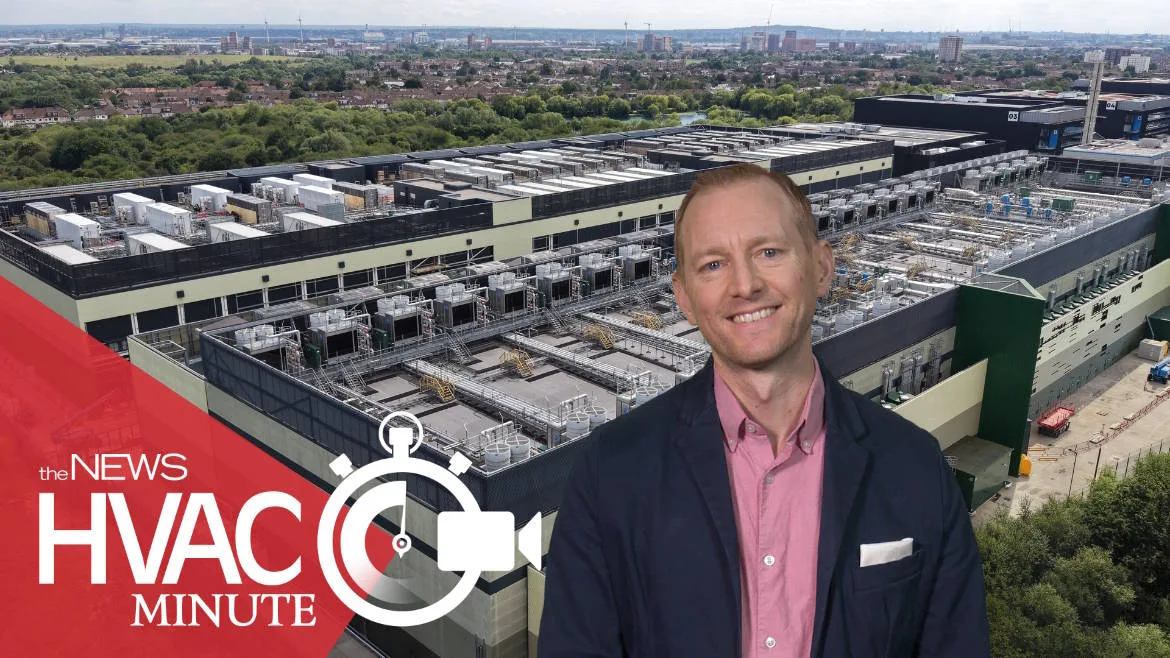
The second quarter of 2026 has painted a tale of two distinct markets within the heating, ventilation, air conditioning, and refrigeration (HVACR) industry. According to recent earnings reports released by major industry bellwethers—including Lennox International and Trane Technologies—the commercial HVAC sector is experiencing an unprecedented boom. This expansion is heavily anchored by massive, sustained investments in data infrastructure, specifically fueled by the explosive growth of artificial intelligence, cloud computing, and hyper-scale data centers.
Conversely, the residential HVAC market continues to walk a tightrope. While overall performance has shown signs of stabilization and modest sequential improvement compared to the previous year, persistent macroeconomic pressures—such as elevated borrowing costs, lingering consumer price inflation, and a stagnant housing turnover rate—are actively capping the sector’s true growth potential.

Key takeaways from the Q2 2026 financial cycle include:
- Commercial Momentum: Major manufacturers reported robust year-over-year revenue and order growth within their light commercial and heavy commercial divisions.
- The Data Center Phenomenon: Cooling requirements for high-density computing environments have transformed data centers from niche commercial clients into primary drivers of corporate revenue growth.
- Residential Friction: While replacement demand remains resilient, high-ticket discretionary upgrades and new residential installations continue to face resistance due to consumer budget tightening and macroeconomic uncertainty.
Chronology: How the First Half of 2026 Shaped the HVAC Landscape
To understand the current state of the HVAC market as reported in August 2026, it is necessary to examine the trajectory of the industry over the preceding 18 months.
Late 2025: Transition and Normalization
Following the post-pandemic supply chain disruptions and subsequent inventory corrections of 2023 and 2024, the HVAC industry entered 2025 looking for equilibrium. Regulatory transitions—most notably the phased down-scaling of hydrofluorocarbons (HFCs) under the AIM Act and the adoption of lower-GWP (Global Warming Potential) refrigerants—dominated manufacturing pipelines. At the same time, commercial builders began heavily leaning into energy-efficient retrofits to meet stringent new municipal carbon-reduction targets.

Q1 2026: Early Indicators Diverge
As the first quarter of 2026 closed, financial analysts noted a widening gap between commercial project pipelines and consumer-facing residential sales. Commercial entities, flush with corporate capital and driven by the massive infrastructure demands of the digital economy, were placing forward orders at record rates. Meanwhile, residential contractors reported that homeowners were increasingly opting for repair over replacement when faced with failing equipment, hesitant to commit to major capital outlays amid stubbornly high interest rates.
Mid-2026 (Q2 Reports): The Divergence Solidifies
By July and August 2026, as companies like Lennox and Trane Technologies published their Q2 figures, the trends observed in Q1 solidified into definitive market realities. Commercial growth figures shattered conservative forecasts, completely offsetting softer-than-expected residential units and validating strategic pivots toward advanced digital climate control and precision cooling systems.
Supporting Data & Market Analysis
An examination of the financial disclosures and operational data from Q2 2026 reveals critical insights into where capital is flowing within the HVAC ecosystem.

The Commercial and Light Commercial Surge
Commercial HVAC divisions across the board reported stellar metrics. Trane Technologies, for instance, raised its full-year financial outlook on the back of surging commercial HVAC orders. Similarly, while Lennox experienced localized fluctuations—such as a reported 7% dip in specific residential sales segments during the quarter—its broader enterprise stability and commercial footprint cushioned the blow.
Driving this commercial success are three primary pillars:
- Data Center Infrastructure: The exponential rise in data-intensive technologies has created a thermal management crisis for tech giants. Traditional comfort-cooling solutions are entirely inadequate for server farms running high-density AI chips. As a result, commercial manufacturers specializing in precision cooling, chillers, and advanced air-handling units have secured multi-million-dollar supply contracts that stretch well into the late 2020s.
- Institutional and Healthcare Retrofits: Hospitals, universities, and government buildings continue to aggressively upgrade legacy HVAC systems to improve indoor air quality (IAQ) and achieve long-term decarbonization goals.
- Light Commercial Resiliency: Small-to-medium-sized commercial structures (retail spaces, professional offices, and strip malls) have maintained steady maintenance and replacement cycles, providing a reliable baseline of non-residential revenue.
Residential Realities: Between a Rock and a Hard Place
The residential market in Q2 2026 remains a study in contrasts. On one hand, the fundamental need for air conditioning during increasingly volatile summer weather patterns ensures that emergency replacements cannot be indefinitely delayed. On the other hand, discretionary spending has sharply contracted.

Key factors influencing the residential market include:
- Interest Rate Pressures: With mortgage rates and consumer loan rates remaining elevated compared to historical averages, homeowners are reluctant to tap into home equity lines of credit (HELOCs) for high-efficiency system overhauls.
- New Construction Slump: Sluggishness in single-family housing completions has reduced the volume of first-time installations, directly impacting original equipment manufacturers (OEMs) who rely on builder channels.
- The Repair-vs-Replace Dilemma: Inflationary pressures on equipment manufacturing costs—driven by rising raw material prices and the transition to expensive, eco-friendly refrigerants—have driven up retail price tags for modern heat pumps and high-SEER central air systems, causing sticker shock among budget-conscious consumers.
Official Responses and Industry Perspectives
Corporate leaders and industry analysts have offered measured perspectives on the current market dynamics, emphasizing adaptability and long-term positioning.
In recent earnings calls, executives from major HVAC corporations pointed out that supply chain efficiencies gained over the past few years have allowed them to protect profit margins even when volume fluctuates in specific sectors.

"We are witnessing a structural shift in what our commercial customers demand," noted an industry strategist following the Q2 releases. "It’s no longer just about conditioning a space for human comfort. It’s about mission-critical thermal management for digital infrastructure, where downtime carries astronomical costs. That reality is insulating commercial manufacturers from broader macroeconomic slowdowns."
Regarding the residential sector, industry trade associations have highlighted the vital importance of consumer financing programs and government incentives. Programs tied to the Inflation Reduction Act (IRA)—offering tax credits and rebates for high-efficiency heat pumps and energy-saving home upgrades—continue to serve as a vital bridge for homeowners trying to offset upfront equipment costs. However, contractors note that public awareness and administrative friction regarding these rebates still require proactive education at the local dealer level.
Implications for Contractors, Manufacturers, and Consumers
The Q2 2026 financial reports carry profound implications for every tier of the HVAC industry moving forward into the second half of the year and beyond.

For Commercial Contractors and OEMs
- Specialization is King: Companies that possess deep engineering expertise in data center cooling, Variable Refrigerant Flow (VRF) systems, and complex building automation integration are capturing the lion’s share of market profits.
- Supply Chain Proactivity: With commercial order books filled far in advance, manufacturing plants must maintain robust supply chains to avoid bottlenecks, particularly regarding specialized electronic components and regulated refrigerants.
For Residential Contractors
- Emphasizing Financing and Rebates: To combat consumer hesitation, successful residential contractors are leaning heavily into flexible financing options and helping customers navigate federal, state, and utility-level energy rebates.
- Focus on Maintenance Agreements: With many homeowners delaying full system replacements, expanding recurring revenue through preventative maintenance agreements and repair services is proving essential for cash-flow stability.
For Consumers
- Higher Upfront Costs, Long-Term Savings: While purchasing a new residential HVAC system requires a significant financial investment—compounded by the transition to next-generation refrigerants—homeowners are ultimately benefiting from unprecedented levels of energy efficiency, lower monthly utility bills, and improved indoor environmental control.
As the industry looks toward the closing quarters of 2026, the divergence between commercial acceleration and residential caution will likely remain the defining storyline of the HVAC market, challenging businesses to balance high-tech commercial expansion with consumer-friendly residential strategies.
