

August 12, 2026 — By Sebastian Obando
Executive Summary: A Tale of Two Construction Markets
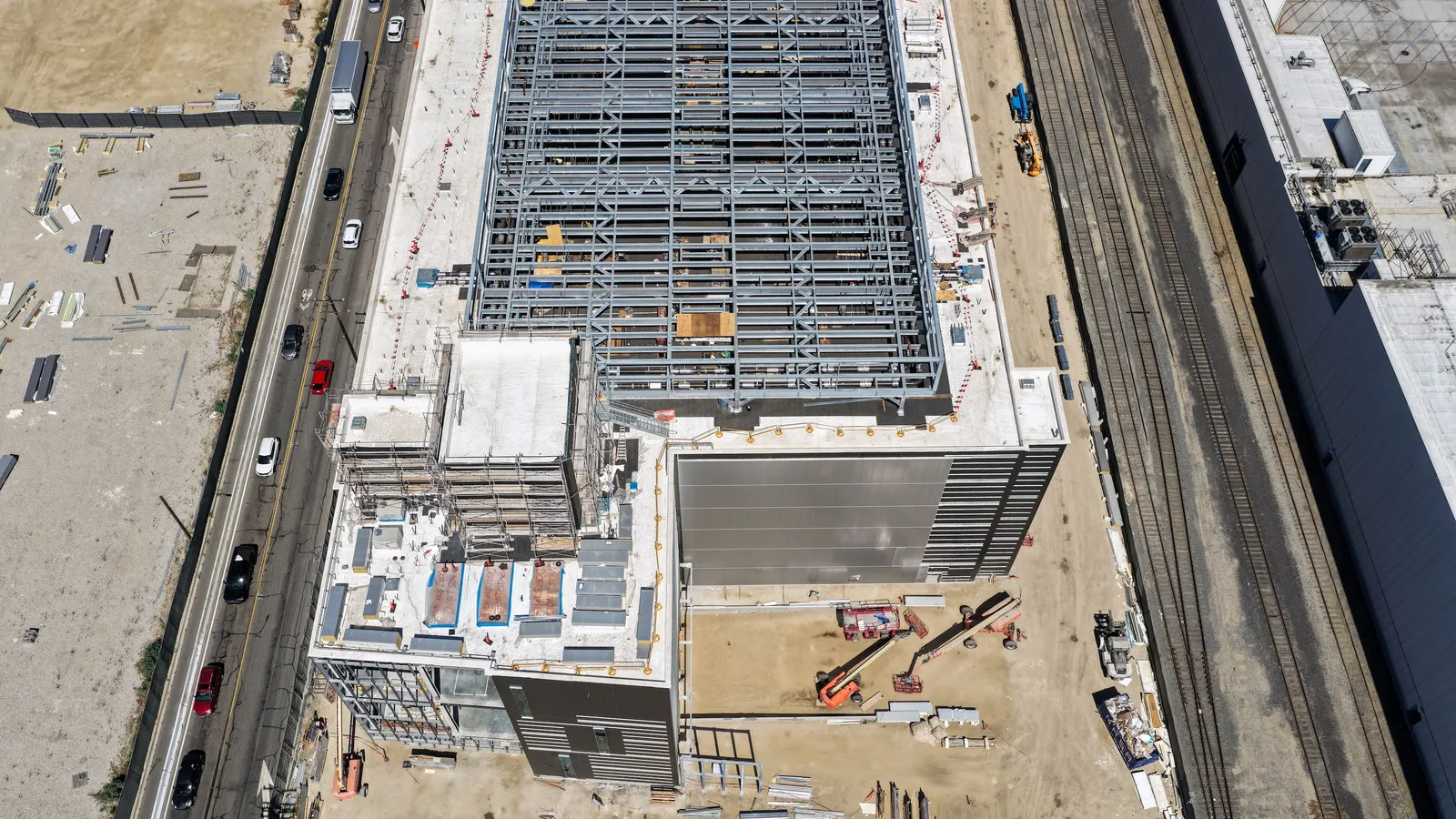
At first glance, the U.S. commercial construction market in mid-2026 appears stable, buoyed by unprecedented capital expenditure in specialized tech infrastructure. However, beneath the headline-grabbing numbers lies a stark and increasingly perilous divergence. According to the July data released by Associated Builders and Contractors (ABC), a massive boom in data center construction is artificially inflating national contractor metrics, masking deep-seated vulnerabilities across the broader construction economy.
While a tiny fraction of elite, large-scale contractors are swimming in record-length backlogs driven by the artificial intelligence (AI) and cloud computing infrastructure boom, the vast majority of small and mid-sized contractors are grappling with dwindling pipelines of future work. This widening chasm threatens to reshape the competitive landscape of the American construction industry, placing intense pressure on regional builders, commercial contractors, and infrastructure specialists alike.
Main Facts: The July 2026 Backlog Report
The Associated Builders and Contractors’ monthly construction backlog indicator serves as a primary barometer for the health of the nonresidential construction sector. The indicator measures the amount of contracted work that construction firms have yet to perform, offering a window into future industry activity over the coming months.
- The Data Center Masking Effect: ABC Chief Economist Anirban Basu noted that robust data center activity in July successfully disguised "the depth of this weakness" surrounding general contractor bookings. Without the astronomical volume of digital infrastructure projects, the overall health of the nonresidential sector would appear considerably more troubled.
- The 12% vs. 88% Divide: The data reveals that only 12% of ABC-affiliated contractors have data center projects currently under contract. This elite cohort reported a remarkably healthy average backlog of 11.4 months in July. Conversely, the remaining 88% of contractors—those locked out of the specialized data center market—reported an average backlog of just 7.5 months.
- The Revenue Precipice: The divide is equally stark when analyzed by firm size. Contractors in the $30 million to $50 million annual revenue category saw their average backlog plummet to its lowest level since March 2020—a grim milestone reminiscent of the economic shockwaves of the early COVID-19 pandemic.
- Sector-Wide Adjustments: While commercial and institutional projects experienced a noticeable contraction, the infrastructure sector suffered the steepest month-over-month decline, dropping by a full 1.3 months down to an average backlog of 8.8 months.
Chronology of the Shift: From Pandemic Recovery to the AI Infrastructure Boom
To understand the current predicament of U.S. contractors, one must trace the macroeconomic shifts that have shaped the built environment over the past six years.
1. The Post-Pandemic Rebound (2020–2022)
Following the initial shock of COVID-19 in March 2020, the construction industry experienced a prolonged, uneven recovery. While supply chain bottlenecks and labor shortages plagued projects throughout 2021 and 2022, fiscal stimulus packages—such as the Infrastructure Investment and Jobs Act (IIJA)—injected billions of dollars into public works, keeping civil and infrastructure contractors busy.
2. The Federal Megaproject Era (2023–2024)
Between 2023 and 2024, federal legislation including the CHIPS and Science Act and the Inflation Reduction Act spurred a historic wave of domestic manufacturing and semiconductor facility construction. During this period, mega-scale industrial projects dominated the headlines. However, as the initial pipeline of these massive factory builds matured, private commercial real estate began to slow down dramatically due to high interest rates and tighter lending standards.
3. The Generative AI Gold Rush (2025–2026)
By 2025, the exponential rise of generative artificial intelligence had completely transformed commercial real estate priorities. Technology giants and hyperscalers began aggressively securing land, power capacity, and specialized engineering talent to build out massive, power-hungry data centers. By July 2026, these digital fortresses had become the primary engine driving nonresidential construction growth, creating a bifurcated market where tech-adjacent builders thrive while traditional commercial and municipal contractors struggle to secure new bids.
Supporting Data and Market Demographics
The ABC July 2026 dataset provides granular insight into how different segments of the industry are performing under current macroeconomic conditions.
Backlog by Firm Size (Annual Revenue)
The correlation between company size and backlog duration highlights systemic vulnerabilities for small- and mid-tier contractors:
- Large-Scale Contractors (>$100 Million): Firms boasting annual revenues exceeding $100 million reported a commanding 12.1 months of backlog in July. These enterprises possess the bonding capacity, technological expertise, and capital required to land complex, multi-million-dollar data center and advanced industrial projects.
- Small-Scale Contractors (<$30 Million): Contractors operating with less than $30 million in annual revenue reported an average backlog of just 7.0 months. These firms typically rely on local commercial, retail, and regional institutional projects—sectors that have stagnated due to cautious private financing and elevated borrowing costs.
- The Mid-Market Squeeze: The hardest-hit segment comprises firms in the $30 million to $50 million revenue bracket. Lacking the massive economies of scale of national enterprises, yet too large to survive exclusively on localized residential or light commercial remodeling, this group has seen backlogs contract to March 2020 lows.
Sector-Specific Backlog Movements
The July report also tracks month-over-month declines across major nonresidential categories:
| Sector | July 2026 Backlog Average | Month-over-Month Change | Trend Analysis |
|---|---|---|---|
| Infrastructure | 8.8 months | Down 1.3 months | Steepest decline; cooling public spending or project completions outpacing new awards. |
| Commercial / Institutional | Moderate contraction | Down 0.9 months | Persistent weakness driven by high commercial real estate financing costs. |
| Industrial / Specialized (Data Centers) | 11.4 months (Top 12% of firms) | Stable / High | Exceptional strength concentrated exclusively among tech-infrastructure specialists. |
Official Responses and Expert Analysis
Industry leaders and economists have been vocal about the implications of the July data, urging policymakers and business owners to look beyond national averages.

"Data center strength in July masked the depth of this weakness around bookings for contractors," stated Anirban Basu, chief economist at Associated Builders and Contractors, during the release of the report.
Basu emphasized that the localized concentration of wealth in the technology sector creates a false sense of security for the broader economy.
"This dynamic has been particularly difficult for small and mid-size contractors," Basu continued. "While mega-contractors are managing multi-year pipelines for hyperscalers, regional builders are competing fiercely for a shrinking pool of traditional commercial projects. Backlog in the $30–$50 million annual revenue category, for instance, has fallen to the lowest level since March 2020."
Trade associations representing regional and local builders have echoed these concerns, pointing out that rising input costs, persistent labor shortages in specialized trades, and stringent lending criteria by regional banks are compounding the difficulties faced by smaller firms. While large general contractors can easily pivot toward industrial and tech-sector builds, smaller subcontractors often lack the specialized certifications, engineering partnerships, and massive capital reserves required to enter the data center supply chain.
Implications for the Future of the Construction Industry
The stark divide highlighted in the July 2026 backlog report carries profound implications for the trajectory of the American construction sector over the next several years.
1. Market Consolidation and M&A Activity
Smaller and mid-sized contractors facing multi-year lows in their work pipelines may be forced to explore mergers, acquisitions, or asset sales. Larger national firms, flush with cash from lucrative infrastructure and data center contracts, are well-positioned to acquire distressed regional competitors to expand their geographic footprints and acquire skilled local labor forces.

2. Workforce Reallocation and Labor Dynamics
The concentration of work in specialized technical sectors is altering labor demand. Electricians, mechanical engineers, fiber-optic technicians, and HVAC specialists skilled in cooling high-density server farms are in unprecedented demand, commanding premium wages. Conversely, traditional framing, drywall, and general commercial construction labor markets are experiencing cooling demand, potentially leading to localized labor displacement or wage stagnation for non-specialized trades.
3. Supply Chain and Financing Pressures
Regional banks, which traditionally provide the lifeblood of financing for small- and mid-market commercial projects, remain cautious in their lending practices. With infrastructure backlogs declining and commercial projects stalling, smaller contractors face heightened cash flow risks. If project bookings do not rebound in the second half of the year, insolvencies and project defaults among mid-tier builders could rise.
4. Strategic Pivots for Contractors
To survive the current environment, construction executives outside the data center ecosystem are being forced to innovate. Many regional firms are attempting to upskill their workforces to capture niche modernization projects, such as energy-efficiency retrofits for aging commercial buildings, municipal water system upgrades, or healthcare facility expansions—sectors that remain more resilient than standard speculative commercial real estate.
Conclusion
The July 2026 ABC backlog report serves as a critical warning against economic complacency. While the headline figures suggest a resilient construction sector, the reality is that the industry is being propped up by a hyper-concentrated boom in data center construction accessible to only a tiny fraction of elite builders. For the remaining 88% of contractors—particularly small and mid-sized firms navigating shrinking public infrastructure pipelines and depressed commercial bookings—the road ahead demands intense strategic agility, rigorous financial management, and a careful navigation of a deeply fractured market.
