

WASHINGTON — In a robust demonstration of confidence in the American industrial economy, a wave of major manufacturers has committed billions of dollars toward facility expansions, greenfield construction, and technological overhauls. Spanning heavy machinery, electric vehicle batteries, biopharmaceuticals, and aerospace defense, these strategic investments underscore a nationwide push to modernize supply chains, integrate advanced automation, and meet escalating market demands.
This week alone, industry giants including Caterpillar, Ultium Cells, Genentech, and Avio USA announced or broke ground on transformative projects. Together, these initiatives inject billions of capital into regional economies, introduce cutting-edge manufacturing methodologies, and promise to create thousands of high-skilled jobs over the coming years.
Main Facts
The current surge in capital expenditure highlights a multi-sector commitment to domestic production, technological integration, and resilience against global supply chain volatility.
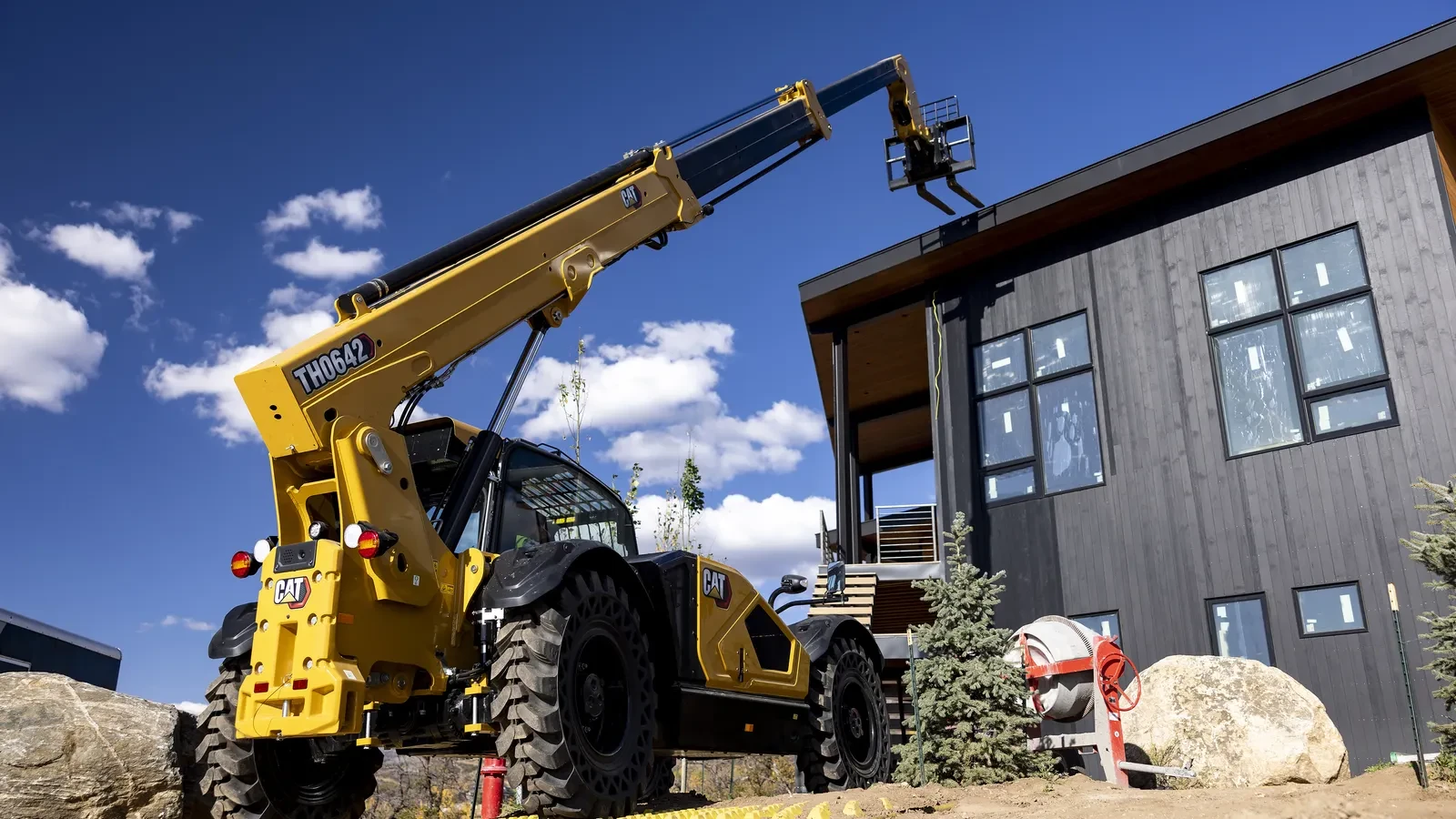
- Caterpillar’s Compact Footprint: Heavy equipment manufacturer Caterpillar is investing approximately $1 billion to construct a state-of-the-art manufacturing facility in Sanford, North Carolina. The plant will significantly scale up production of compact construction machinery, such as compact track loaders and telehandlers, designed for small contractors and growing commercial enterprises.
- Ultium Cells’ Battery Breakthrough: Ultium Cells—the joint venture between LG Energy Solution and General Motors—is funneling $1 billion into a major retooling of its Spring Hill, Tennessee, battery cell manufacturing plant. The upgrade will pivot the facility toward producing lithium manganese-rich (LMR) prismatic battery cells, positioning Ultium as a commercial pioneer of this high-density technology.
- Genentech’s Biomanufacturing Expansion: Biopharmaceutical leader Genentech officially broke ground on a massive $750 million expansion of its fill-finish campus in Hillsboro, Oregon. The project will double the footprint of the existing site, integrating artificial intelligence, automation, and robotics to enhance the production of critical oncology, neurology, and immunology medicines.
- Avio USA’s Defense Infrastructure: Strengthening the U.S. defense supply chain, Avio USA—a subsidiary of Italy’s aerospace firm Avio—broke ground on a $500 million solid rocket motor manufacturing facility in Hurt, Virginia. The massive 900,000-square-foot plant will supply thousands of rocket motors annually to prime defense contractors like Lockheed Martin and Raytheon.
Chronology of Developments
The rollout of these projects represents the culmination of months—and in some cases years—of strategic planning, regulatory coordination, and market realignment.
Late 2019 – 2022: Laying the EV Foundation
The groundwork for Ultium Cells’ current technological pivot was laid in late 2019, when General Motors and LG Energy Solution formed their joint venture to capture the burgeoning electric vehicle market. The partners initially poured more than $2.3 billion into establishing their Spring Hill, Tennessee, facility as their second major production hub, followed by an additional $275 million expansion in 2022.
February 2026: Securing Defense Partnerships
Virginia Governor Abigail Spanberger officially announced Avio USA’s plans to bring domestic solid-rocket motor manufacturing to the commonwealth. Backed by state incentive packages, the announcement set the stage for the aerospace firm to establish its first U.S. operational footprint.
August 2026: Navigating Market Fluctuations
Amid shifting consumer demand for electric vehicles, Ultium Cells temporarily navigated headwinds, restarting full battery cell production at its Ohio facility following a seven-month strategic shutdown. The resumption signaled stabilization in the EV supply chain and cleared the path for the company’s next phase of technological evolution.
Late September 2026: A Week of Major Industrial Milestones
A flurry of announcements culminated in a single week:
- Wednesday: Caterpillar officially unveiled its $1 billion investment plan for Sanford, North Carolina, aiming to build a next-generation compact equipment factory.
- Monday: Genentech broke ground on its $750 million Hillsboro, Oregon, biomanufacturing facility, setting a timeline for operational readiness by 2031.
- Tuesday: Avio USA broke ground on its massive 900,000-square-foot defense plant in Hurt, Virginia, with construction slated for completion by late 2028 and production kicking off in early 2029.
- Throughout the week: Ultium Cells detailed its Spring Hill retrofit timeline, scheduling factory modifications to begin later this year and concluding by 2028.
Supporting Data and Financial Metrics
The scale of capital deployment across these four projects highlights the immense financial commitment required to maintain competitive advantages in modern industrial sectors.
| Company | Sector | Location | Capital Investment | Projected Job Creation | Timeline / Key Milestones |
|---|---|---|---|---|---|
| Caterpillar | Heavy Machinery | Sanford, NC | ~$1 Billion | Undisclosed | Facility development underway; technology-enabled smart factory design. |
| Ultium Cells | EV Batteries | Spring Hill, TN | $1 Billion | 500 Jobs | Modifications begin late 2026; completion set for 2028. |
| Genentech | Biopharmaceuticals | Hillsboro, OR | $750 Million | 250 Jobs | Ground broken Sept. 2026; operations to begin in 2031. |
| Avio USA | Aerospace / Defense | Hurt, VA | $500 Million | ~1,500 Jobs | Ground broken Sept. 2026; production begins early 2029. |
Beyond direct capital expenditures, the technical data associated with these projects reveals a heavy emphasis on efficiency and density:
- Battery Energy Density: Ultium’s new LMR prismatic cells will deliver an energy density roughly 33% greater than traditional lithium iron phosphate (LFP) cells while maintaining a comparable cost structure.
- Facility Scale: Genentech’s expansion will add 211,000 square feet to its existing campus, effectively doubling its operational footprint. Avio USA’s defense facility will span an impressive 900,000 square feet across Southern Virginia.
- Broader Corporate Commitments: Genentech’s project forms a core component of a broader $50 billion commitment by its parent company, the Roche Group, aimed at expanding U.S.-based manufacturing and research and development footprints.
Official Responses and Corporate Perspectives
Corporate executives and public officials alike have emphasized the strategic necessity of these investments, pointing to national security, supply chain resilience, and technological sovereignty as primary drivers.
Regarding the North Carolina expansion, Caterpillar highlighted its mission to construct a "modern, technology-enabled factory" equipped with advanced manufacturing systems, industrial automation, digital production networks, and integrated logistics capabilities. These tools will allow the company to seamlessly produce compact track loaders and telehandlers—vital assets for modern construction, landscaping, and agricultural sites.
At Ultium Cells, leadership underscored the transformative nature of transitioning the Spring Hill plant toward lithium manganese-rich prismatic cells. While the facility will continue to manufacture high-nickel batteries to support GM’s diverse EV lineup, the integration of LMR technology marks a critical milestone.
"This strategic shift allows us to lead the market in high-density, cost-effective energy solutions," representatives noted in corporate releases, emphasizing that the $1 billion retooling will secure the plant’s long-term viability.
In the healthcare sector, Genentech’s investment points to the convergence of life sciences and advanced computing. The 250 newly created jobs will specifically target talent that bridges traditional biopharmaceutical manufacturing expertise with digital proficiencies in artificial intelligence, machine automation, and industrial robotics. The expanded Hillsboro site will bolster the domestic manufacturing of life-saving medicines targeting oncology, neurology, and immunology.
Meanwhile, the defense sector celebrated a major win for domestic manufacturing capacity. Virginia state officials, led by Governor Abigail Spanberger, championed Avio USA’s $500 million defense plant. Underpinned by a special state incentive package of up to $97.7 million tied to job creation and capital thresholds, the facility is designed to alleviate chronic bottlenecks in the U.S. tactical missile and munitions supply chain.
Sector Implications and Future Outlook
The simultaneous expansion of manufacturing footprints across construction, automotive electrification, biotechnology, and defense points to broader structural shifts within the U.S. economy.
1. The Rise of the Smart Factory
Across all four announcements, traditional heavy labor is increasingly giving way to digital ecosystems. Concepts like "integrated logistics," "artificial intelligence," "automation," and "digital production systems" are no longer aspirational buzzwords; they are baseline engineering requirements. Facilities like Caterpillar’s North Carolina plant and Genentech’s Oregon campus demonstrate that future-proofing American manufacturing requires merging physical fabrication with sophisticated software infrastructure.
2. Supply Chain Localization and Resilience
Recent global disruptions have forced industrial leaders to shorten supply chains and reduce reliance on overseas component sourcing. Avio USA’s establishment of the first dedicated U.S. solid rocket motor facility directly addresses critical vulnerabilities in national defense logistics. Similarly, Ultium Cells’ localized battery innovations ensure that American automotive assembly lines remain insulated from international material shortages and trade frictions.
3. Workforce Evolution
The creation of thousands of high-paying blue- and grey-collar jobs—ranging from 1,500 defense manufacturing roles in rural Virginia to specialized AI-fluent bioprocess engineers in Oregon—highlights an ongoing evolution in industrial employment. As factories become more automated, the demand for tech-literate operators capable of managing robotics and digital logs will only accelerate, prompting regional educational institutions and trade programs to adapt their curricula accordingly.
As these projects transition from groundbreaking ceremonies and architectural blueprints to active construction and, ultimately, full-scale commercial production over the next several years, they will serve as the backbone of a revitalized, technologically advanced American manufacturing sector.
