

By Global Tech & Consumer Affairs Desk
Updated: August 2024
For millions of modern pet owners, smart home technology has transformed animal husbandry, offering the peace of mind that comes with automated feeding, remote camera monitoring, and smart fountains that ensure fresh water is always available. California-based pet-technology company Petlibro has carved out a lucrative niche in this booming market, promising seamless integration between high-end hardware and mobile convenience.
However, a sweeping system outage has left thousands of customers in the "doghouse"—and their animals potentially stranded without food or water. While Petlibro insists that its core systems are fully operational following a multi-day disruption, a chorus of disgruntled users, frustrated travelers, and vocal online communities suggest that the fallout from the technological failure is far from over.
The incident highlights a growing vulnerability in the Internet of Things (IoT) ecosystem: when cloud-based smart devices rely on remote servers to function, a digital glitch in a corporate data center can quickly translate into real-world distress for living creatures.
Main Facts
The disruption began earlier this week, rendering the Petlibro mobile application—which controls a wide array of smart pet devices, including automatic feeders, water fountains, and smart litter boxes—largely inaccessible. For nearly 48 hours, users attempting to check on their animals, alter feeding schedules, or view live video streams were met with error screens and unresponsive interfaces.
Petlibro issued an official statement on its website claiming that all functions were successfully restored and the underlying issue fully resolved by Wednesday. According to the company, the root cause was isolated to the Petlibro application and its associated online servers, rather than any structural defects within the physical hardware products themselves.
Despite corporate assurances that the crisis has passed, consumer sentiment tells a starkly different story. On the Petlibro subreddit and across other social media platforms, customers have reported continued connectivity issues, uncooperative customer service interactions, and a deep erosion of trust. The situation has become particularly acute for pet owners who rely on these automated systems to care for their animals while away from home on business trips or vacations.
Compounding the frustration, many users claim that standard local offline schedules—which Petlibro promised would continue uninterrupted during a server outage—also failed, leaving some animals without their scheduled meals and forcing frantic calls to neighbors, pet-sitters, and friends to intervene.
Chronology of the Crisis
Understanding the scope and severity of the Petlibro outage requires tracing the timeline of events from the initial alert to the aftermath of the restoration efforts.
August 11: The First Alert
The trouble officially came to light at 8:00 a.m. ET on August 11, when Petlibro issued its first service alert. The company acknowledged that it had begun investigating a service disruption affecting the Petlibro app.
At this early stage, the company attempted to calm panicked users by assuring them that while remote access and app controls might be temporarily hindered, existing settings and schedules stored locally on the physical devices would continue to operate as programmed without internet connectivity.
August 11–12: Escalating Frustration
As the hours ticked by, the outage persisted. Users attempting to log into the app found themselves locked out. For travelers miles away from home, this meant a complete blackout of visibility regarding whether their cats or dogs were being fed.
While Petlibro maintained that local schedules should execute normally, forum posts began to flood online spaces indicating otherwise. Users reported that devices were unresponsive, and automated portions of the hardware appeared to have frozen or stalled.
August 13: System Malfunctions and Photographic Evidence
By the morning of August 13, the situation had deteriorated into a public relations crisis. Screenshots posted online by frustrated consumers—including the owner of a pet named Ralphie—vividly captured Petlibro’s network actively malfunctioning in real-time.
Despite these glaring discrepancies between corporate statements and user experiences, Petlibro continued to maintain that its hardware was fundamentally sound. The company pushed out emergency patches and server-side resets throughout the day, aiming to bring the companion application back online.
Wednesday and Beyond: "Resolved" vs. Reality
Petlibro officially declared the incident resolved on Wednesday, publishing a website update stating that app functionality had been fully restored. However, for a significant segment of the user base, the fix came too late to salvage their peace of mind, and many reported that their devices still required hard resets, firmware re-flashing, or stubborn troubleshooting steps to sync back up with home Wi-Fi networks.
Supporting Data and User Testimonials
The digital footprint of the Petlibro outage is preserved across support forums, social media channels, and dedicated online communities where frustrated consumers have gathered to vent, compare notes, and document the failure of their automated caretakers.
The Petlibro subreddit became ground zero for consumer outrage. Threads such as "Petlibro’s email response: We fixed it, so it must be fine" and "Well, that was a lie" accumulated hundreds of comments detailing the real-world impact of the server crash.
One particularly damning testimonial came from a user who contacted Petlibro customer support while currently out of town on vacation:
"They suggested I troubleshoot the connection, completely ignoring what I told them about being away from home on vacation," wrote the exasperated poster.
Such tone-deaf automated or templated responses from customer service representatives have only served to alienate a customer base that already felt vulnerable. When a pet owner is thousands of miles away, telling them to unplug a device, check the router, or press a physical sync button on a feeder is not just unhelpful—it is entirely impossible.
Furthermore, empirical evidence shared by users countered Petlibro’s foundational narrative that local schedules would keep pets fed. Numerous owners reported that their feeders sat completely dormant at scheduled meal times, contradicting the company’s technical architecture claims and raising serious questions about firmware reliability and fail-safe programming in IoT pet devices.
Official Responses and Corporate Standpoint
In the wake of the public backlash, Petlibro leadership has moved to address the technical aspects of the outage while promising internal reviews to prevent future occurrences.
In an interview with tech publication The Verge, Petlibro CEO York Wu provided clarification regarding the nature of the disruption. Wu reiterated that the outage was strictly confined to the Petlibro app ecosystem and its cloud servers, asserting that the physical hardware components were never compromised.
According to Wu, the smart feeders are engineered with onboard memory designed to execute pre-programmed feeding schedules independently, operating locally on the device even in the complete absence of an internet connection or cloud server availability. When confronted with user reports directly contradicting this claim—where local feeding schedules purportedly failed—Wu stated that the company was actively investigating those specific anomalies to determine why the local failsafes did not engage as intended.
In its official website status post, the company adopted a forward-looking, conciliatory tone regarding accountability:
"Our team will continue reviewing the incident over the coming days to better understand the cause and identify improvements to help prevent similar disruptions in the future," the statement read.
Despite these assurances, a formal request for comment submitted to Petlibro representatives by journalists went unanswered immediately following the crisis, leaving a vacuum that consumer advocacy groups and tech analysts quickly stepped in to fill.
Implications for the Smart Pet Industry
The Petlibro outage is much more than a localized software glitch; it serves as a cautionary tale for the rapidly expanding smart home and pet technology industry. As consumers increasingly entrust the daily care of living animals to algorithmic systems and cloud infrastructure, the stakes of technological failure rise exponentially.
The Illusion of Offline Independence
One of the most concerning takeaways from the Petlibro incident is the gap between how smart devices are marketed to work offline versus how they actually perform under stress. Manufacturers frequently pitch local storage and offline execution as foolproof insurance policies against internet dropouts. However, when complex firmware relies on subtle handshakes with cloud services or mobile companion apps to validate states, minor server interruptions can inadvertently lock up the hardware itself. Moving forward, consumers will likely demand more transparent, rigorously tested fail-safe mechanisms that do not require cloud validation to drop a cup of kibble into a bowl.
Customer Support Preparedness in a Remote Era
The incident also underscores a glaring deficiency in customer service training and escalation protocols. When an app-driven company deals with physical hardware that impacts real-world safety—whether it is smart locks, home security cameras, or automated pet feeders—support teams must be equipped to distinguish between localized home network issues and widespread corporate server outages. Telling a vacationing pet owner to "reboot the router" when the company’s own servers are down is a PR disaster that shatters consumer trust instantly.
The Future of Connected Animal Care
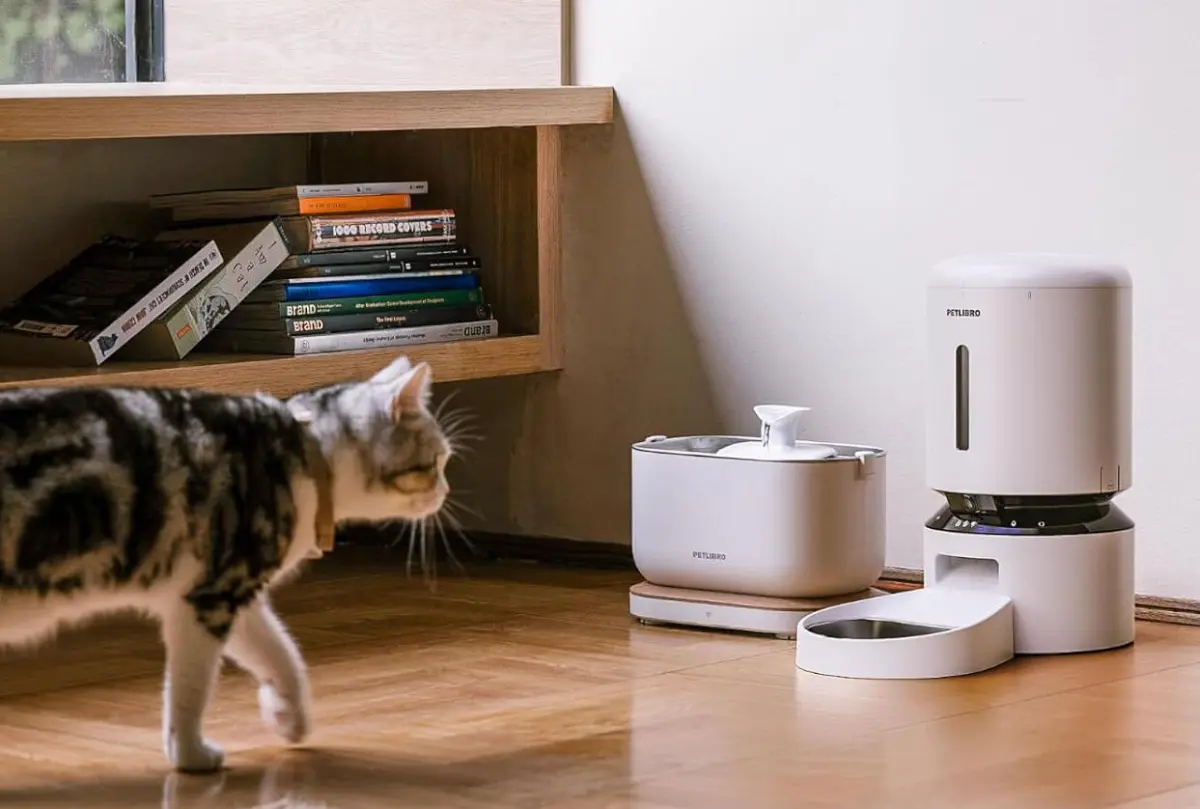
Petlibro manufactures an expansive ecosystem of smart products, ranging from automated water fountains and cameras to smart litter boxes and precision feeders. All of these devices rely heavily on the centralized Petlibro app for remote monitoring, scheduling, and health tracking.
As the Internet of Things continues to infiltrate every corner of modern domestic life, companies operating in the pet tech space will face stricter scrutiny. Consumers are willing to pay a premium for convenience, but that willingness is strictly contingent on reliability. If a smart feeder fails, a human can step in. But if a smart feeder fails while the human is thousands of miles away and trusting the app’s dashboard, the technological convenience transforms into an acute hazard.
For Petlibro, the immediate task ahead involves more than just patching server code and rewriting status updates. The company must rebuild a frayed relationship with a customer base that trusted them with the daily well-being of their most beloved family members. Until those structural and cultural improvements are proven over time, many pet owners will likely keep a traditional, non-smart ceramic food bowl tucked away in the pantry—just in case the cloud goes dark again.
