

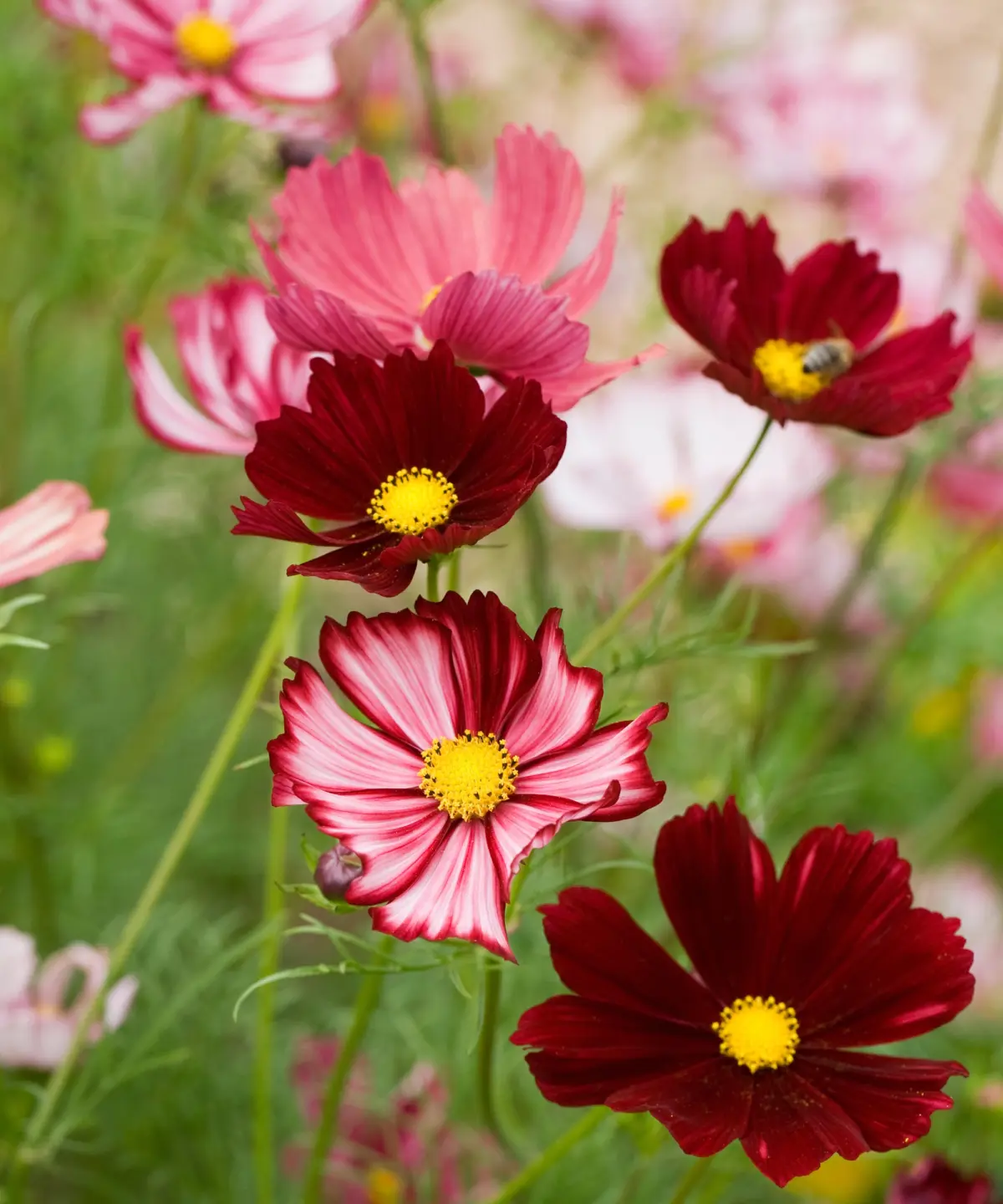
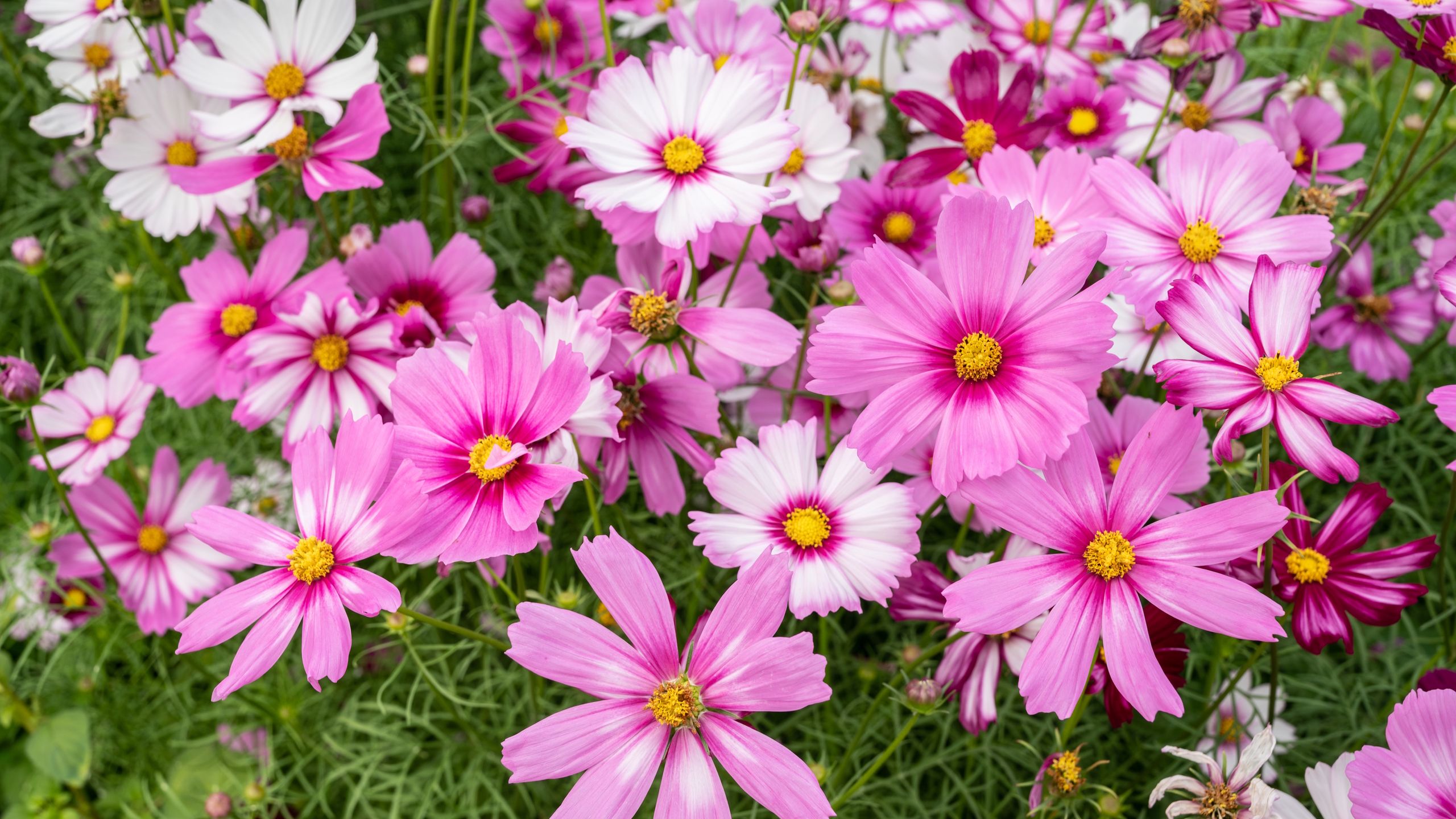
As the heat of late summer reaches its peak, gardens across the country enter a magnificent, albeit vulnerable, transition phase. Among the most resilient and dazzling performers of this season are cosmos. Filling garden beds, borders, and patio containers with a cloud-like froth of daisy-like blooms in pristine whites, soft pinks, and rich crimsons, cosmos are the crown jewel of the August landscape. However, achieving that continuous, breathtaking floral display well into the autumn months requires more than just benign neglect.
While cosmos are celebrated for being relatively low-maintenance, August is a pivotal turning point for these vigorous annuals. By dedicating just a fraction of your gardening time to a few targeted, high-impact tasks, you can dramatically extend their blooming season, maintain their structural integrity against severe late-summer weather, and even harvest seeds for the following year.
Main Facts: The Anatomy of August Cosmos Management
Cosmos (Cosmos bipinnatus and Cosmos sulphureus) are beloved by both novice and master gardeners for their vibrant colors, delicate foliage, and ability to attract a wide array of beneficial pollinators, including bees and butterflies. By August, plants grown from spring seed have reached maturity.
At this stage, the primary objective of the gardener shifts from fostering initial growth to sustaining the plant’s metabolic energy. Because cosmos are naturally prolific bloomers, they tend to exhaust their physiological reserves as summer wanes. Without strategic intervention, the plant will naturally transition from producing flowers to setting seed, effectively signaling the end of its lifecycle.
The core tenets of August cosmos management rest on three simple pillars:
- Continuous Deadheading: Diverting plant energy away from seed production and back into new bud formation.
- Calculated Hydration: Managing moisture levels, particularly for container-grown specimens, during late-summer dry spells.
- Structural Support: Shielding tall, top-heavy varieties from the destructive forces of late-summer wind and rain storms.
Chronology: The Seasonal Lifecycle of Cosmos
To fully appreciate why August care is so critical, it helps to map out the chronological trajectory of the plant from seed to frost.
Spring: Germination and Establishment
- April to May: Gardeners sow cosmos seeds directly into garden beds or start them indoors. The soil begins to warm, and seedlings emerge, establishing deep root systems.
- Late Spring: Young plants are thinned out and pinched back to encourage bushier, branching growth rather than a single, leggy stem.
Early to Mid-Summer: The First Flush of Color
- June to July: Cosmos experience rapid vegetative growth. The first blooms appear, transforming borders into colorful tapestries. During this phase, plants require minimal feeding, as rich soils can cause them to become excessively leafy at the expense of flowers.
Late Summer: The Critical August Window
- August: The focal point of this guide. Day lengths begin to shorten, and temperatures fluctuate. Plants reach their maximum height—sometimes exceeding four to five feet depending on the variety and soil fertility.
- The August Imperative: This is the make-or-break month. Without deadheading and staking, plants can quickly become ratty, exhausted, and susceptible to weather damage.
Autumn: The Final Encore and Seed Collection
- September to October: With proper August care, cosmos continue to pump out flowers right up until the first hard autumn frost. Gardeners harvest the final batch of cut flowers for indoor arrangements and allow select seedheads to mature and dry for the following year.
Supporting Data and Horticultural Insights
Horticultural research and expert gardening consensus consistently highlight the physiological benefits of deadheading and proper spacing for annual ornamentals.
According to botanical observations, deadheading a plant prevents the production of plant hormones (such as abscisic acid and ethylene) associated with senescence, tricking the plant into believing its reproductive mission has not yet been fulfilled. Consequently, the plant doubles down on floral bud development.
Furthermore, data regarding watering practices indicates that while established, in-ground cosmos possess a robust taproot that confers impressive drought tolerance, containerized cosmos suffer significantly under heatwave conditions. A standard 12-inch patio pot containing cosmos can dry out completely within 24 hours during peak August temperatures, leading to bud drop and premature wilting.
- Optimal Irrigation: Water should always be applied directly at the base of the plant early in the morning or late in the evening. Overhead watering during humid August afternoons invites fungal pathogens like powdery mildew to colonize the feathery foliage.
- Nutritional Balance: Excess nitrogen applied in mid-to-late summer has been shown in commercial trial gardens to reduce flower yield by up to 40%, favoring massive green stems instead of petals.
Step-by-Step August Care Guide
1. Keep Deadheading Relentlessly
One of the most useful jobs to do with cosmos in August is deadheading. Once a flower fades and its petals drop, snip the stem just above a healthy set of leaves or a developing flower bud. Using fine, precise garden snips—such as the Felco F322 Pruning Snips or the Corona ErgoCUT Dead Header—ensures clean cuts that heal rapidly without tearing the stem.
By removing spent blooms, you prevent the plant from wasting vital metabolic energy on seed pods. However, if you wish to encourage natural self-sowing or harvest your own seeds, leave a select few seedheads intact toward the very end of the month.
2. Manage Irrigation During Dry Spells
While established in-ground cosmos are remarkably drought-resistant, they still appreciate a thorough soaking during prolonged dry spells. Container-grown plants, on the other hand, demand daily vigilance. Check pots frequently during hot August afternoons.

When watering, utilize tools like a soft-touch watering wand (such as the Melnor 8-Pattern Soft Touch Watering Wand) or a reliable watering can to deliver moisture directly to the roots without splashing soil or damaging delicate stems. Avoid keeping potting mixes permanently soggy; cosmos thrive in well-drained conditions. Remember to skip high-nitrogen fertilizers entirely during this month.
3. Provide Structural Support for Tall Varieties
By August, cosmos can achieve impressive heights, particularly when cultivated in rich, fertile garden beds. Unfortunately, this makes them prime targets for heavy late-summer rainstorms and sudden wind gusts, which can cause them to violently flop or snap.
Inspect your borders weekly and install discreet supports before disaster strikes. Grow-through round grid plant supports (such as the Luster Leaf Link-Ups) or traditional bamboo stakes paired with soft twine can keep stems upright and tidy. If you prefer a casual cottage-garden aesthetic, a minor amount of leaning into neighboring plants is acceptable, provided it does not smother surrounding flora.
4. Harvest Bountiful Cuts for the House
August offers an abundance of material for indoor floral arrangements. Harvesting cosmos in the early morning—when internal stem hydration is at its maximum and newly opened petals are pristine—yields the best results. Strip away the lower foliage to prevent bacterial growth in the vase, and place stems immediately into clean water.
A tall glass vase works exceptionally well for showcasing long, elegant cosmos stems. Adding commercial flower food can further extend their vase life. Crucially, the act of harvesting flowers acts as a form of pruning, stimulating the plant to generate even more flowering side-shoots.
5. Harvest and Save Seeds for Next Year
As August transitions into September, designate a few of your most vibrant, healthy plants to produce seedheads. Allow the centers of these designated flowers to dry completely and turn brown on the stalk. On a dry, sunny afternoon, carefully snip the seedheads and store the harvested seeds in airtight glass jars kept in a cool, dark location. This sustainable practice ensures a free supply of flowers for the following spring, though keep in mind that hybrid varieties may not always "come true" to the parent plant.
What NOT to Do With Cosmos in August
Understanding proper maintenance is only half the battle; knowing what practices to avoid is equally essential for a thriving late-summer garden:
- Do Not Cut Back Healthy Plants: There is no horticultural reason to shear back healthy, tall cosmos simply because they have reached an imposing height. If the plant is vigorous and flowering profusely, leave its structure intact, intervening only to deadhead and stake.
- Do Not Overfeed: Resist the temptation to reward your cosmos with heavy liquid fertilizers in August. Over-enriching the soil at this stage backfires, producing an explosion of leafy green foliage while shutting down flower production entirely.
- Do Not Panic Over Minor Weather Damage: If a sudden storm leaves a few outer stems slightly displaced, resist the urge to rip the entire plant out. Gentle corrective staking can often salvage leaning stems.
Implications and Outlook for the Autumn Garden
The proactive care you invest in your cosmos during August carries profound implications for the overall ecosystem of your backyard. By maintaining continuous blooms through deadheading and proper watering, you provide an essential, late-season foraging resource for declining pollinator populations just as many other spring and early-summer perennials are going dormant.
Furthermore, keeping your garden beds tidy, structurally sound, and visually striking well into autumn elevates the aesthetic value of your property during the shoulder seasons. By avoiding common pitfalls such as over-fertilization and neglectful watering, you ensure that your cosmos remain resilient, cloud-like pillars of color until the inevitable arrival of the season’s first frost. Embrace these straightforward August tasks, and your garden will reward you with weeks of effortless, breathtaking beauty.
