

As late summer transitions into the crisp days of autumn, many gardeners assume the peak of floral abundance has passed. Borders that once burst with vibrant color begin to fade, and thoughts naturally turn to putting beds to sleep for the winter. However, with careful plant selection, the transition into the colder months does not mean an end to fresh-cut flowers or colorful landscape displays.
By understanding which resilient flora can withstand dropping temperatures, homeowners can maintain striking garden aesthetics and vibrant indoor arrangements straight through Thanksgiving, Christmas, and even into the New Year. Far from being limited to traditional holiday greenery like holly, ivy, and mistletoe, the winter months can support rich, colorful floral centerpieces brought straight from the backyard.
Main Facts: The Secret to Year-Round Color
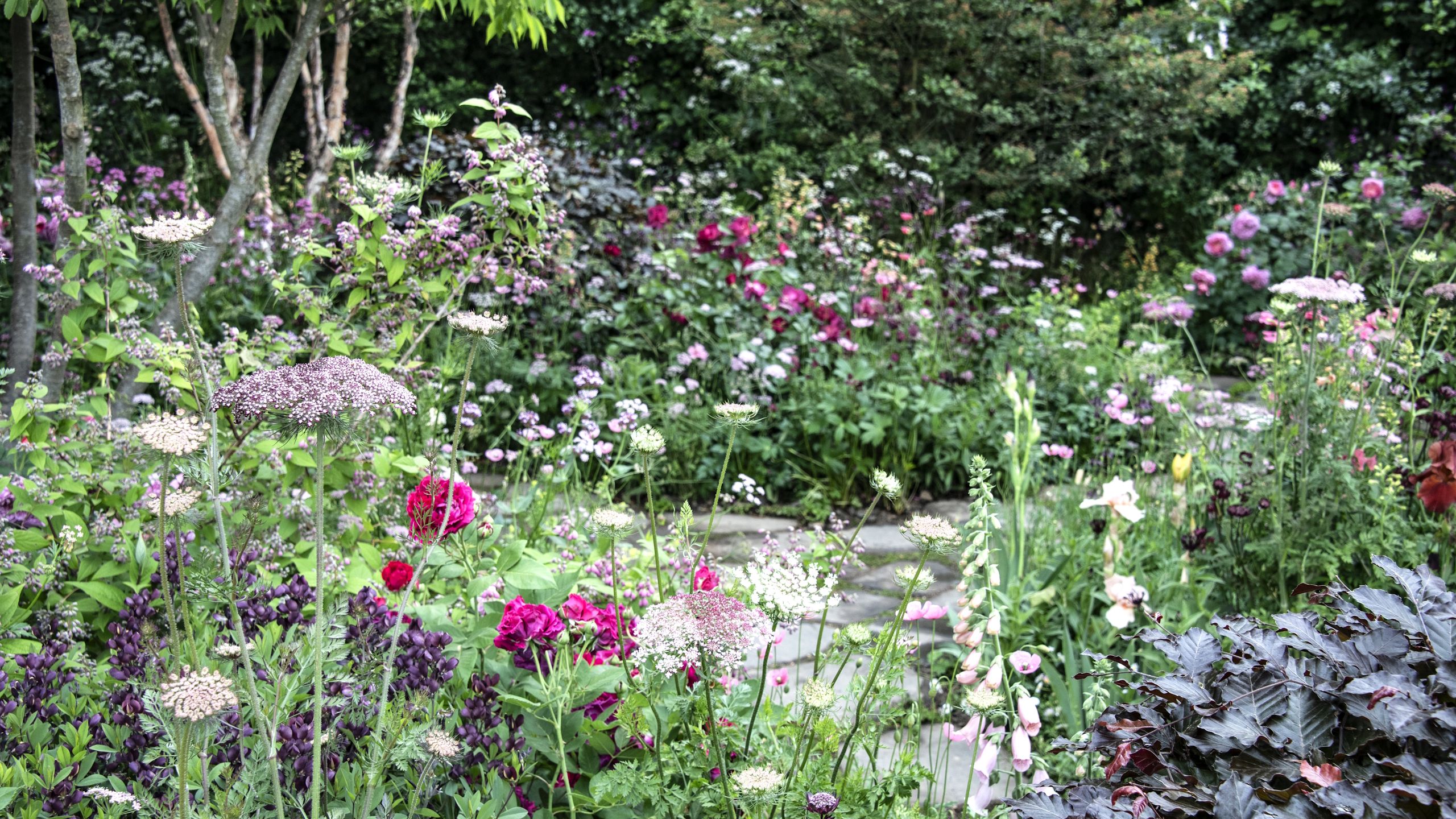
Maintaining a blooming garden deep into the winter season requires shifting away from delicate summer annuals and investing in cold-hardy varieties. Horticultural experts note that specific perennials, shrubs, and vines possess genetic adaptations allowing them to withstand frost, low light levels, and chilly winds.
- Extended Longevity: Unlike standard garden varieties that peak in July and die back by September, select plants continue producing buds well past the first frost.
- Indoor Versatility: Many cold-hardy blooms boast impressive vase lives, often lasting a week to ten days indoors, making them ideal for holiday table arrangements.
- Strategic Placement: Maximizing winter blooms requires careful consideration of microclimates, shelter from harsh winds, and adequate soil drainage to prevent root rot during heavy autumn rains.
Chronology: A Season of Continuous Blooms
To maintain a seamless display from the fading days of late summer through the heart of winter, understanding the blooming timeline of cold-tolerant plants is essential.
Early Autumn (September – October)
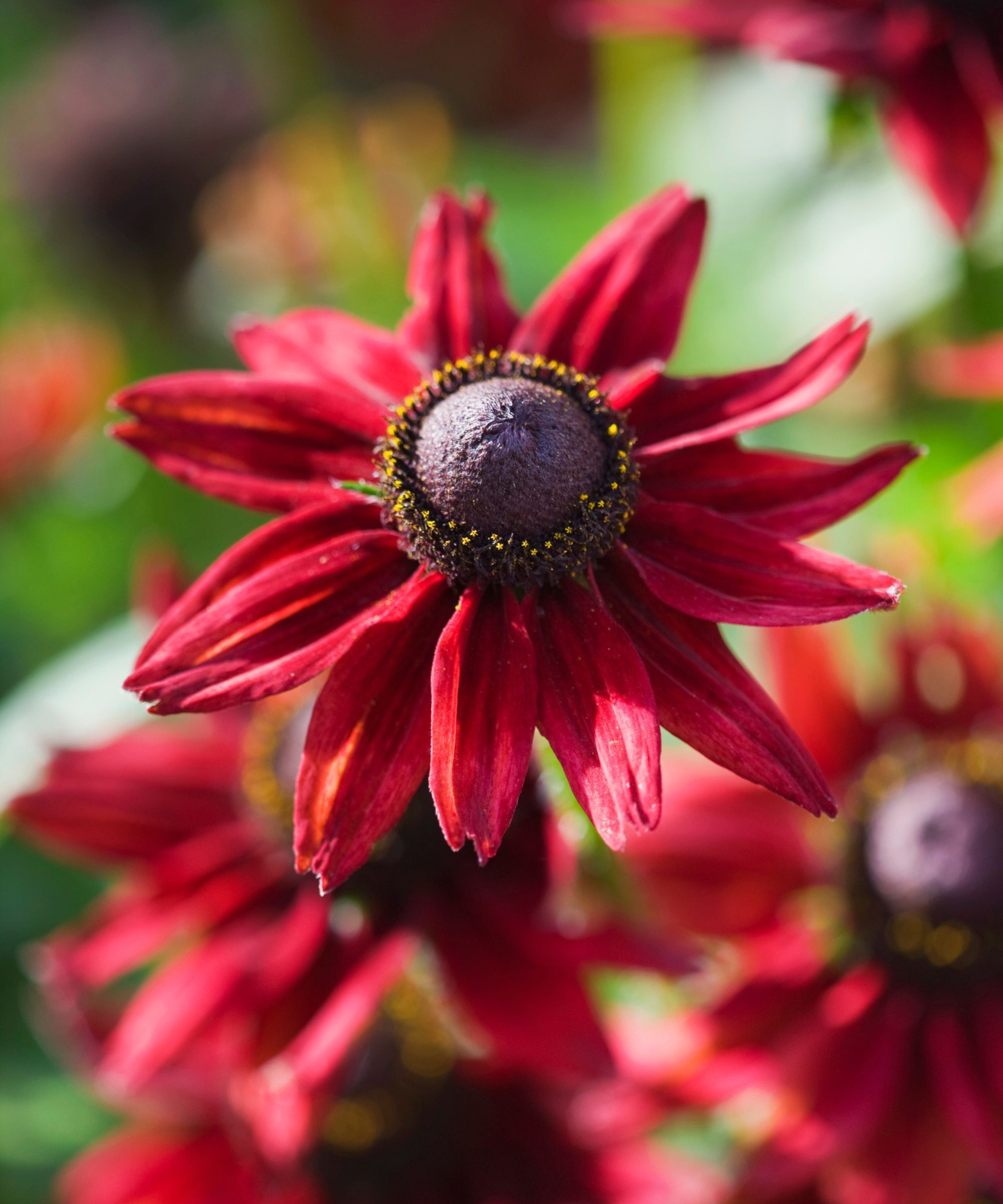
As temperatures begin to drop, summer favorites give way to resilient stalwarts. Plants like Rudbeckia hirta ‘Cherry Brandy’ and early varieties of roses continue their heavy output, while vines such as Cobaea scandens reach their peak vertical stride. This period is critical for deadheading and applying final organic fertilizers to sustain plant energy.
Late Autumn (November)
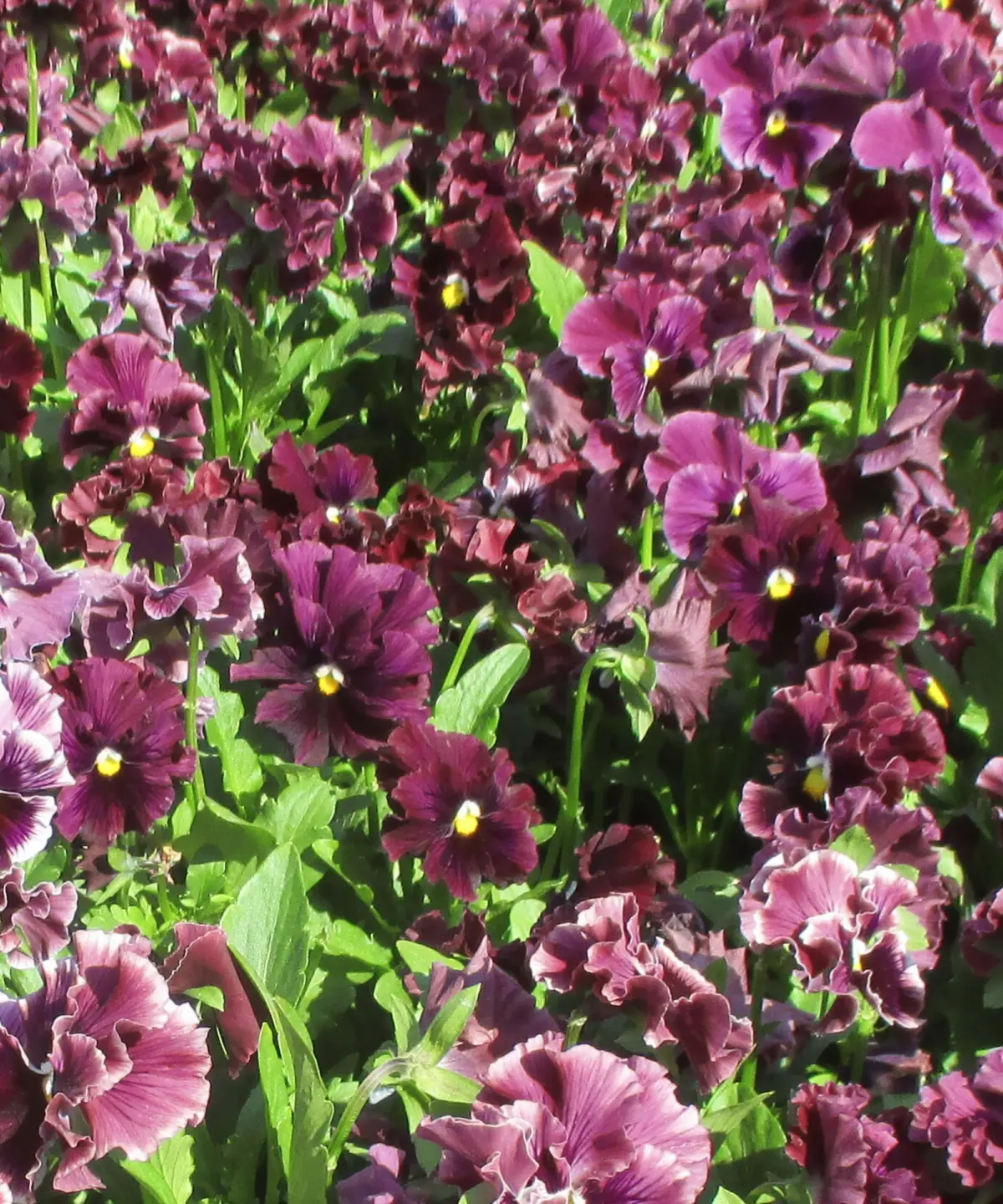
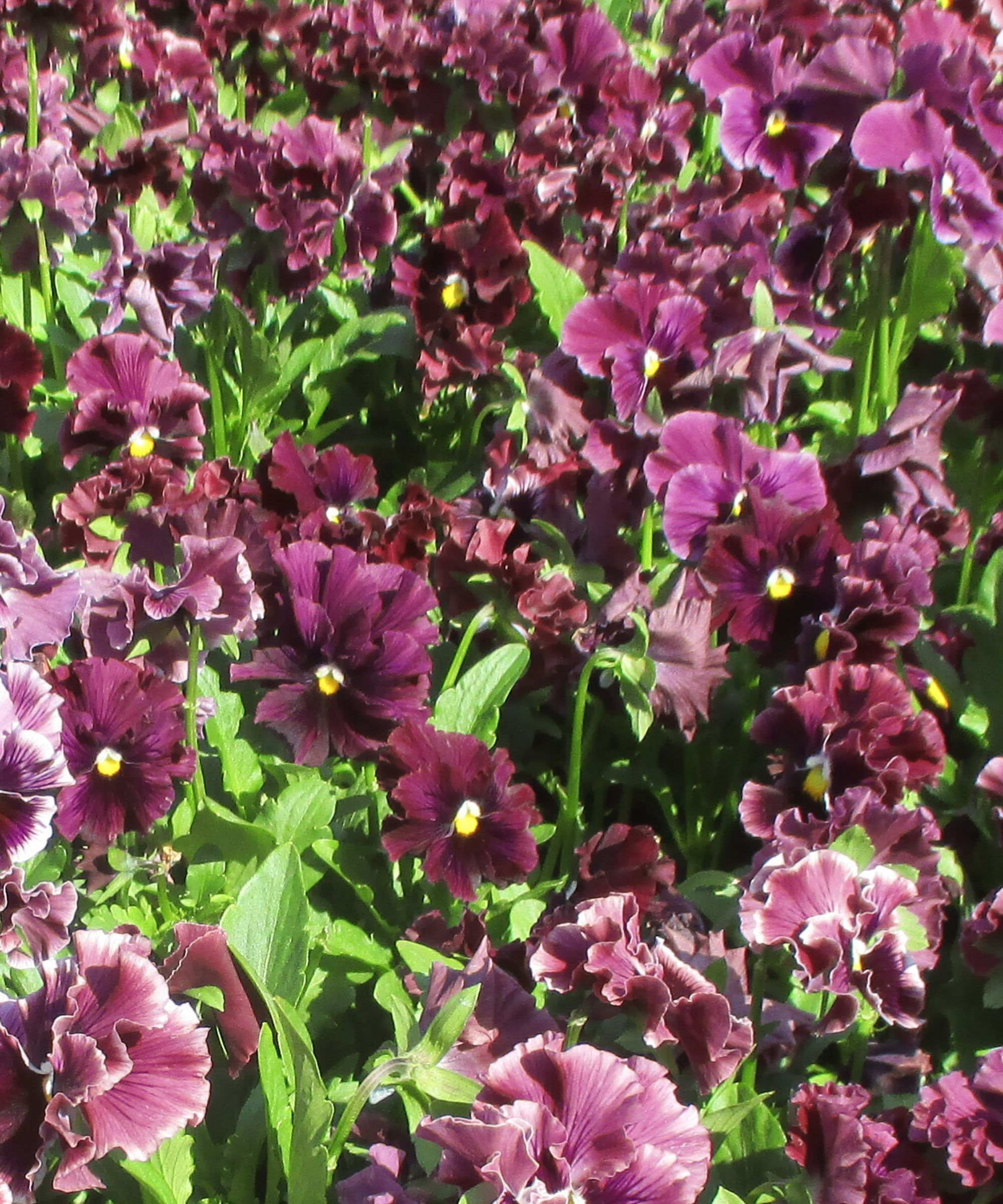
With the arrival of the first hard frosts, frost-sensitive plants die back. However, specialized varieties step into the spotlight. Fragrant shrubs like Daphne bholua ‘Darjeeling’ begin unfurling their winter buds, and cool-season performers like Viola ‘Frizzle Sizzle Burgundy’ thrive as chillier weather enhances their ruffled petal structures.
Deep Winter (December – January)
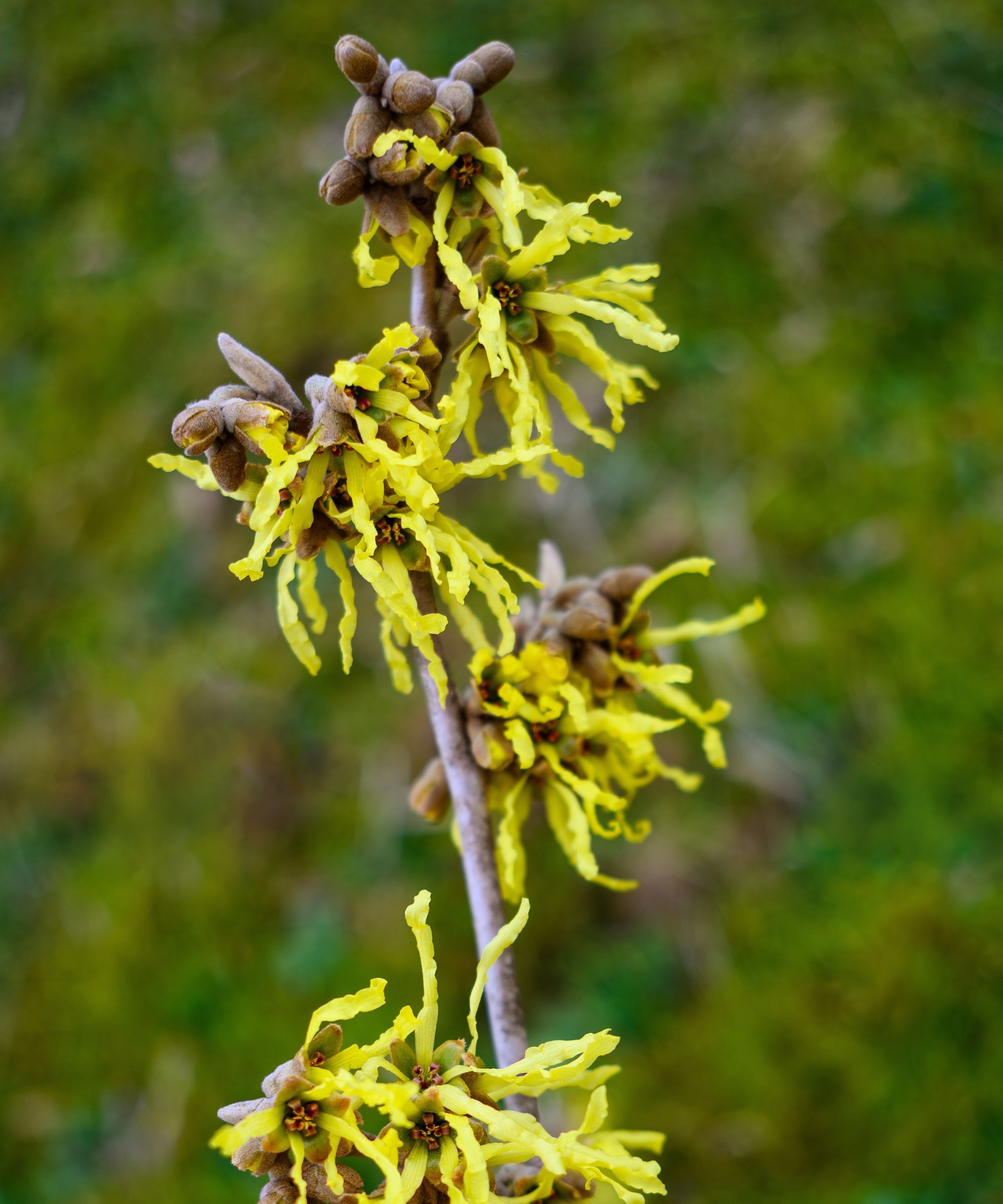
During the darkest months of the year, rare blooms continue to surprise gardeners. Varieties such as Hamamelis virginiana (witch hazel) and late-surviving pompon dahlias like ‘Moor Place’ provide unexpected color and rich fragrance. Gardeners equipped with reliable floral snips can harvest these rare winter gems to create festive pewter jugs and holiday centerpieces.
Supporting Data: Plant Profiles and Cultivation Metrics
Selecting the right plant requires understanding its specific climatic zone, growth habits, and maintenance needs. Below are seven standout varieties capable of carrying your garden—and your indoor vases—through the holiday season.
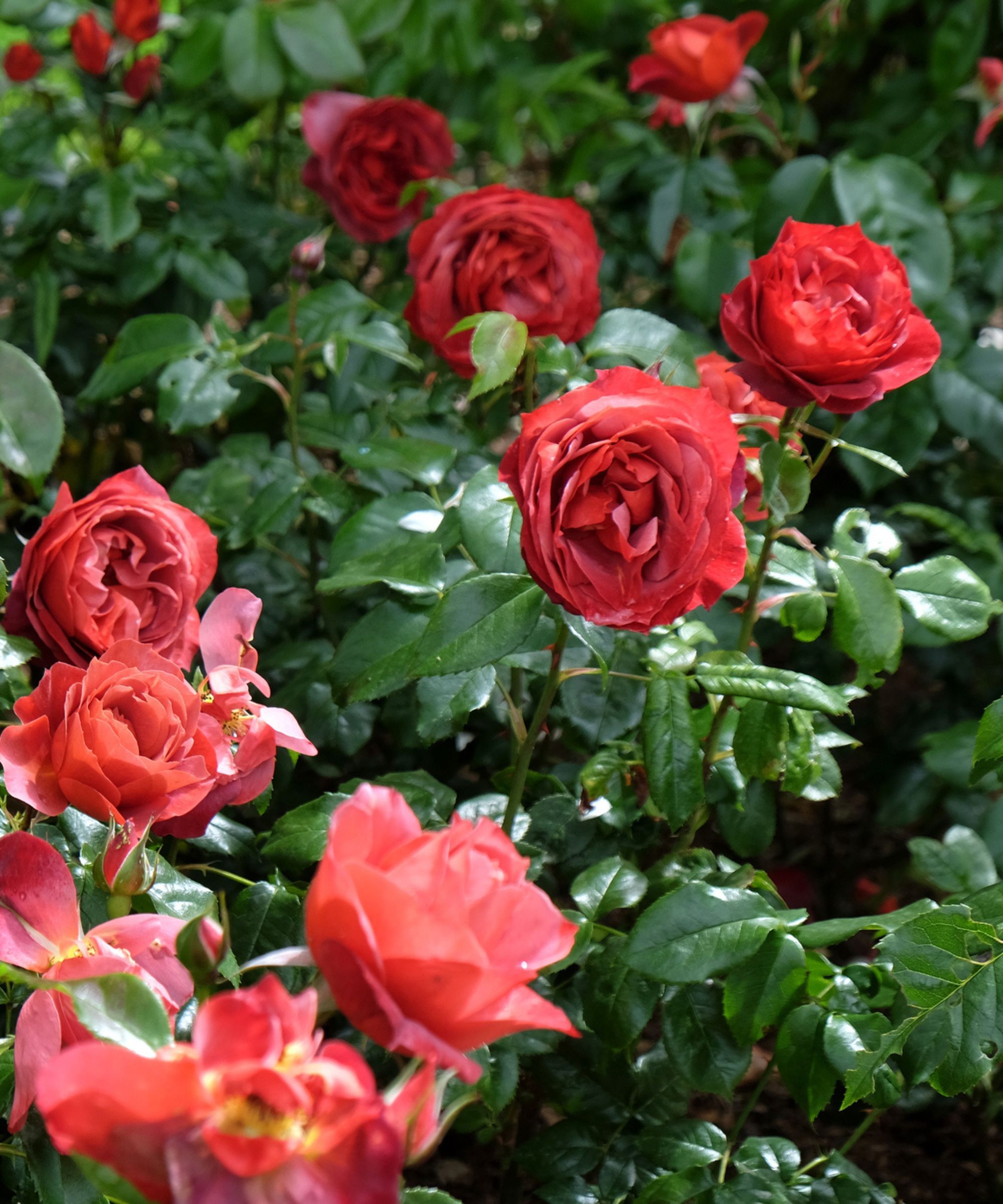
1. Rosa ‘Hot Chocolate’
- USDA Zones: 5–9
- Height: 3.5 ft
- Ideal Location: Mixed borders or large containers.
- Overview: Widely recognized as one of the longest-flowering rose varieties, ‘Hot Chocolate’ produces orange-flame buds that open into velvety, chocolate-brown blossoms against dark, glossy foliage. Flowering begins in May and can stretch well into December under mild conditions. These unusual blooms offer a modern, sophisticated twist when paired with evergreen foliage or festive berries in an indoor vase.
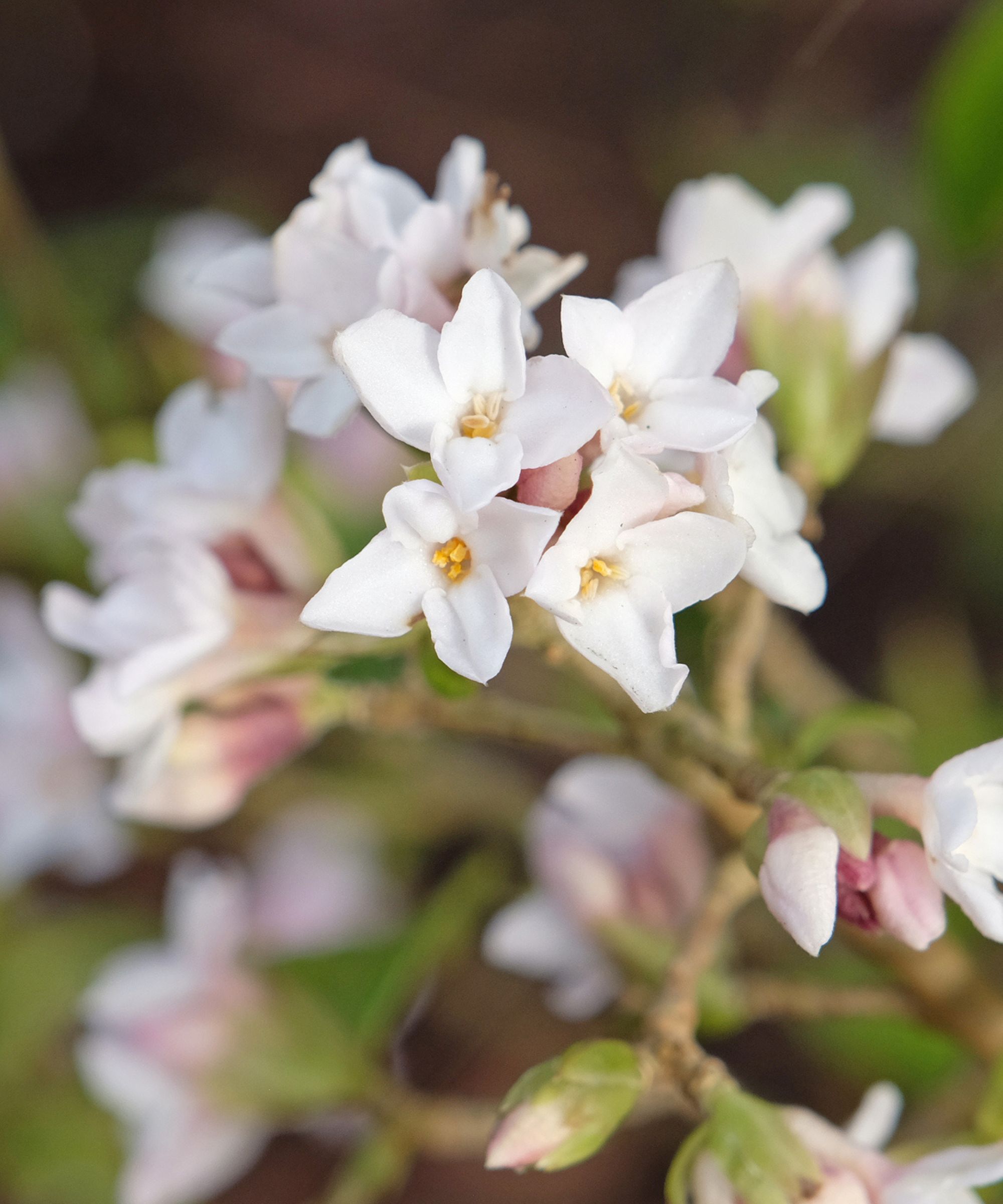
2. Daphne bholua ‘Darjeeling’
- USDA Zones: 5–10
- Height: Up to 8 ft
- Ideal Location: In-ground near entryways, pathways, or patios where its intoxicating fragrance can be appreciated. Avoid containers due to its extensive root system.
- Overview: This evergreen shrub provides year-round structural green before bursting into masses of fragrant white flowers in November, reaching full swing by Christmas. Feeding with an organic sea kelp fertilizer in late winter ensures decades of robust health.
3. Rudbeckia hirta ‘Cherry Brandy’
- USDA Zones: 4–7
- Height: 24 inches (60 cm)
- Ideal Location: Highly compatible with container gardening and fertile mixed borders; an absolute essential for dedicated cutting gardens.
- Overview: Breaking away from the traditional canary-yellow aesthetic of standard black-eyed Susans, ‘Cherry Brandy’ offers rich crimson blooms. When harvested regularly, it blooms continuously through December. Astonishingly, cut stems boast a vase life of up to two weeks, easily surviving from Christmas Eve past New Year’s Day.
4. Hamamelis virginiana (Witch Hazel)
- USDA Zones: 3–9
- Height: Up to 15 ft
- Ideal Location: Partial shade, either in-ground or in large pots, provided the soil features excellent drainage to prevent waterlogging.
- Overview: As deciduous trees drop their leaves, witch hazel’s bare branches become draped in ribbons of flame-colored, highly fragrant flowers. The sweet scent eliminates the need for artificial room sprays, and cut branches make a striking, unexpected addition to holiday wreaths and floral arrangements.
5. Cobaea scandens (Cup and Saucer Vine)
- USDA Zones: 8–11
- Height: 10–15 ft
- Ideal Location: Vertical climbing supports in moist soil, or cascading over the edges of elevated containers.
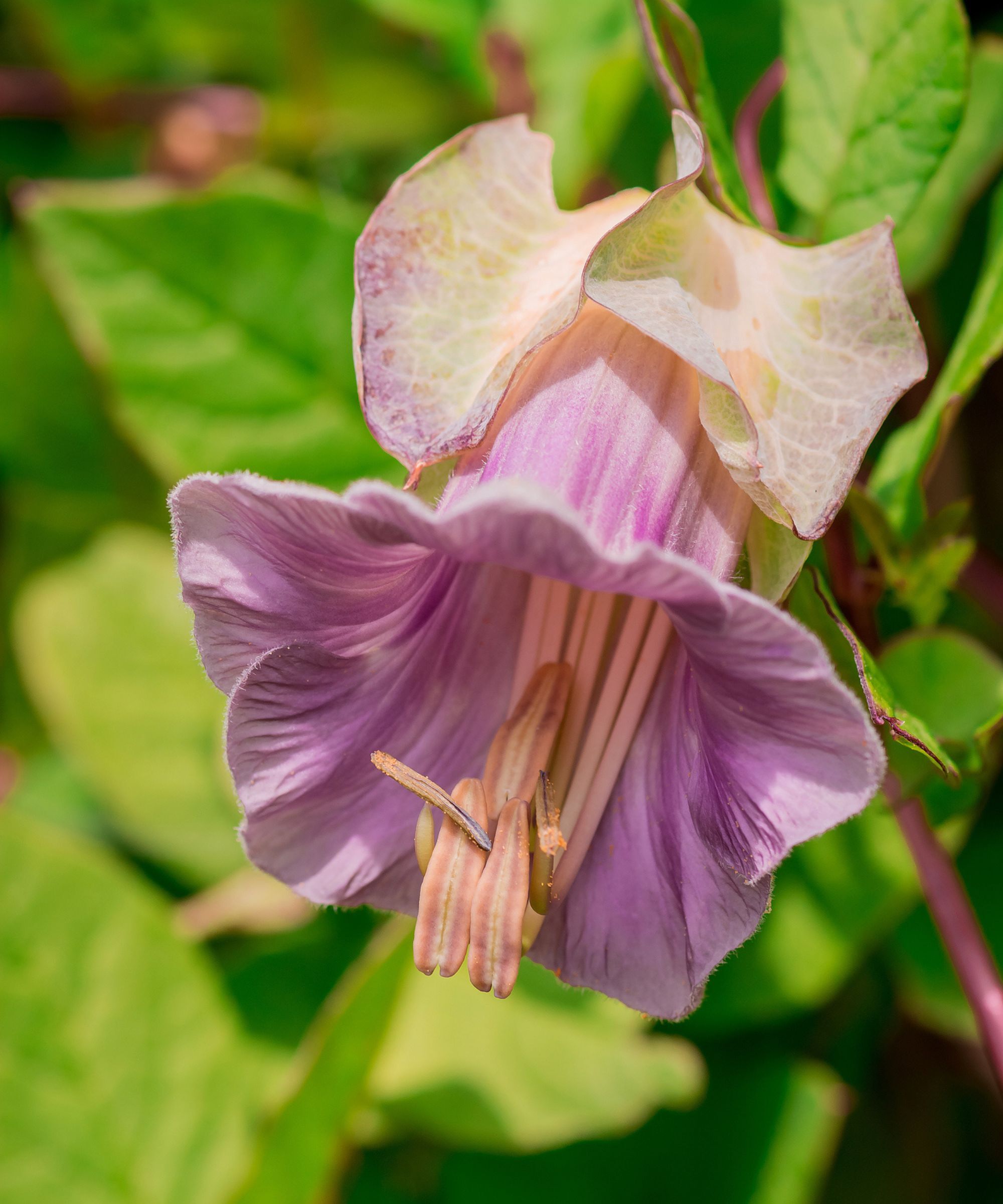
- Overview: Known colloquially as cathedral bells, this fast-growing climber soars to impressive heights while producing large, bell-shaped flowers. In sheltered positions free from severe cold, it defies standard botanical clocks, blooming persistently from summer through late December or early January.
6. Viola ‘Frizzle Sizzle Burgundy’
- USDA Zones: 3–9
- Height: 6 inches (15 cm)
- Ideal Location: Containers filled with organic potting mix enriched with earthworm castings, positioned in full sun to partial shade.
- Overview: A true cool-season champion, this ruffled pansy produces velvety burgundy flowers that actually become more pronounced as temperatures plummet. Regular deadheading extends its blooming window deep into winter. Gardeners should monitor for slugs and snails, utilizing protective physical barriers like copper tape when necessary.
7. Dahlia ‘Moor Place’
- USDA Zones: 7–10
- Height: 4 ft (1.2m)
- Ideal Location: Mixed herbaceous borders, cutting gardens, and large patio containers.
- Overview: While most dahlias succumb to the first November frost, pompon varieties like ‘Moor Place’ exhibit remarkable weather resistance. Producing saturated, deep purplish-burgundy blooms, this variety responds well to potash-rich fertilizers and regular deadheading, providing a dramatic splash of color long after standard summer plants have vanished.
Official Perspectives and Horticultural Guidance
Horticultural specialists and landscape designers emphasize that extending the garden season is not merely about surviving the frost, but actively curating a dynamic outdoor experience year-round.
According to leading garden authorities, the key lies in soil health and strategic plant placement. "Many gardeners treat autumn as the final chapter," notes one prominent landscape designer. "In reality, it is simply a transition phase. By introducing structural shrubs like Daphne and weather-resistant perennials like ‘Cherry Brandy’ Rudbeckia, you transform the winter landscape from a dormant space into an active extension of your home’s living areas."
Furthermore, agricultural extension agents stress the importance of adequate drainage for winter-hardy container plants. Because winter rains and freeze-thaw cycles can wreak havoc on root systems, utilizing fast-draining potting media and elevating pots on "feet" significantly improves plant survivability through December and January.
Implications: Transforming Winter Wellness and Home Aesthetics
The practice of maintaining a winter-blooming garden carries profound implications for homeowner wellbeing, sustainable floral sourcing, and property value.
Mental Health and Seasonal Wellness
The psychological benefits of exposure to nature during the darker, colder months are well-documented. Stepping outside to harvest fresh witch hazel or tending to a container of ruffled violas provides a grounding sensory experience that counters seasonal affective sluggishness. Bringing fragrant, colorful arrangements indoors fosters a warm, inviting atmosphere during high-stress holiday periods.
Environmental and Economic Sustainability
Relying on home-grown winter flora reduces the carbon footprint associated with commercially imported out-of-season flowers. By cultivating native or regionally adapted cold-hardy perennials and shrubs, gardeners save money on recurring holiday decorations while supporting local pollinators that emerge during unseasonably warm winter days.
Ultimately, shifting the gardening mindset from a seasonal hobby to a year-round enterprise enriches both the visual landscape and the personal connection homeowners have with their natural surroundings.
