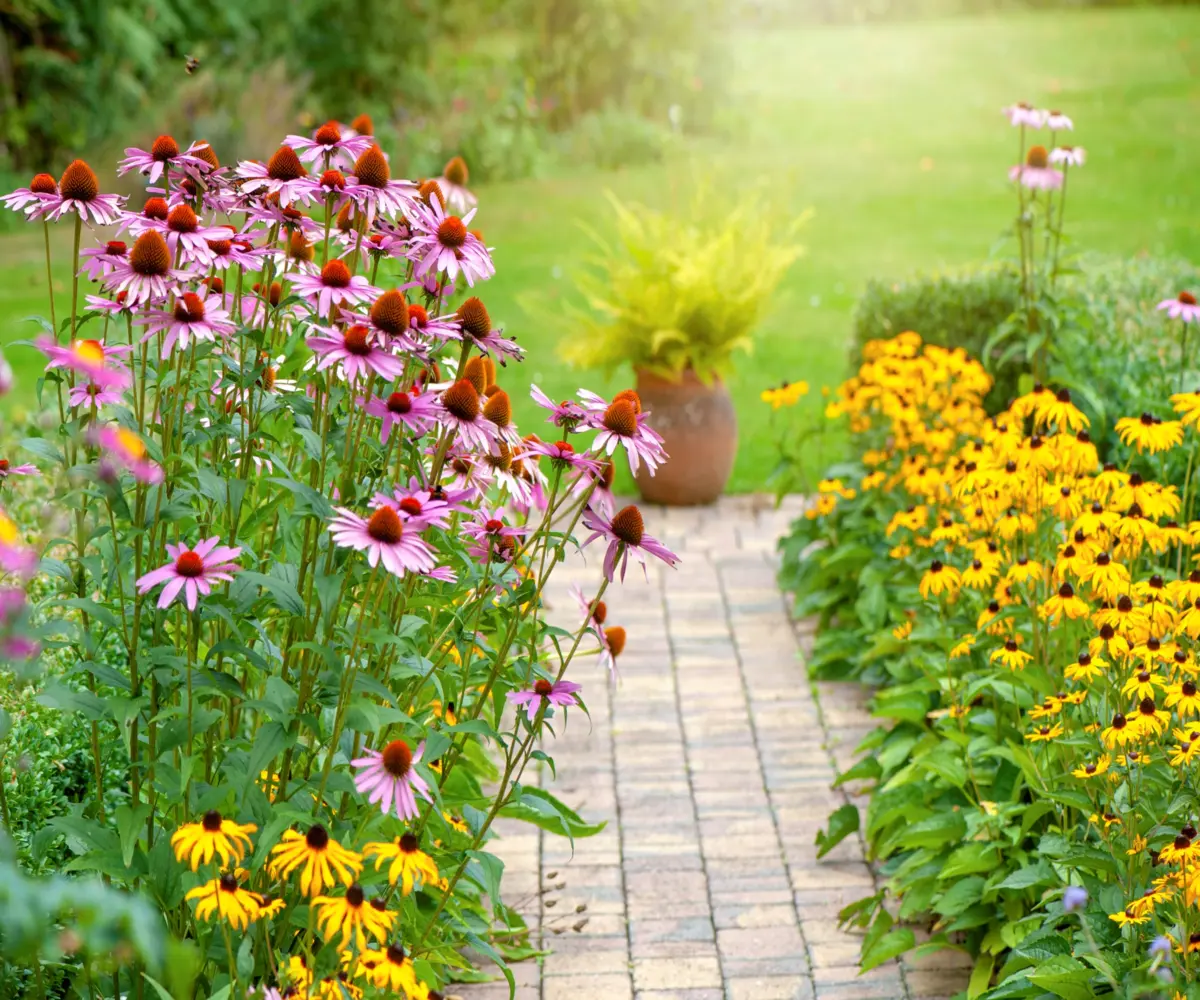
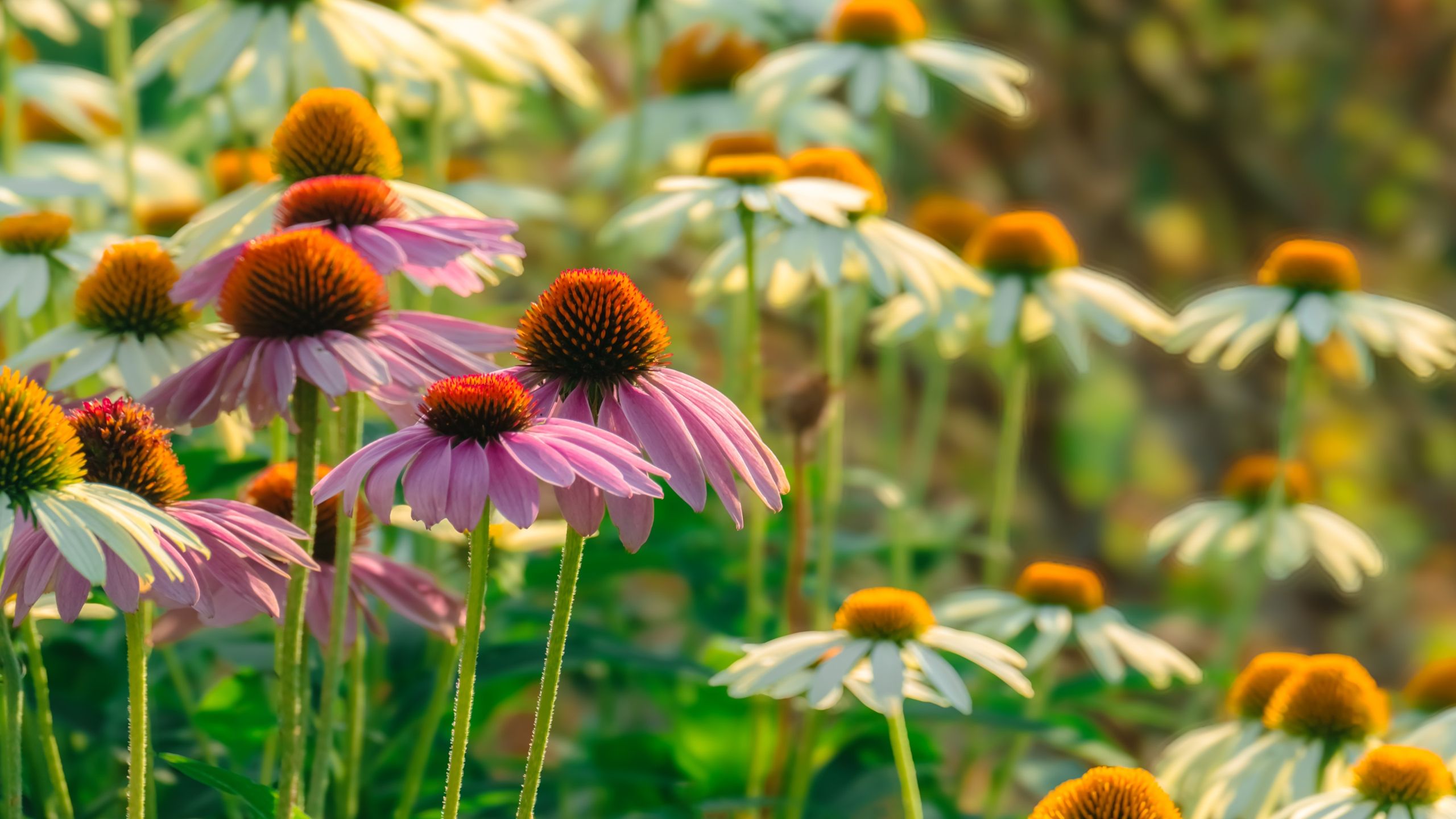
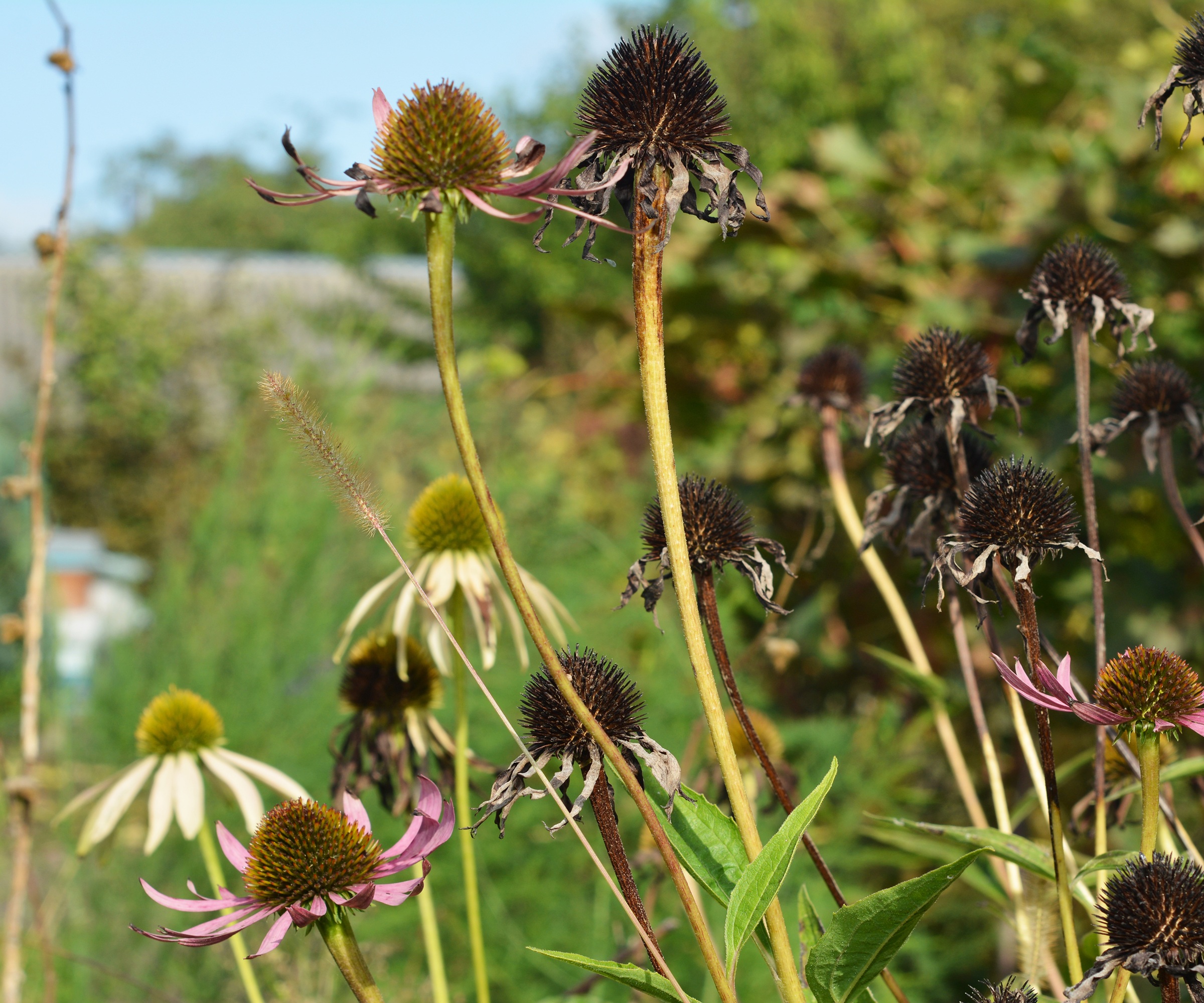
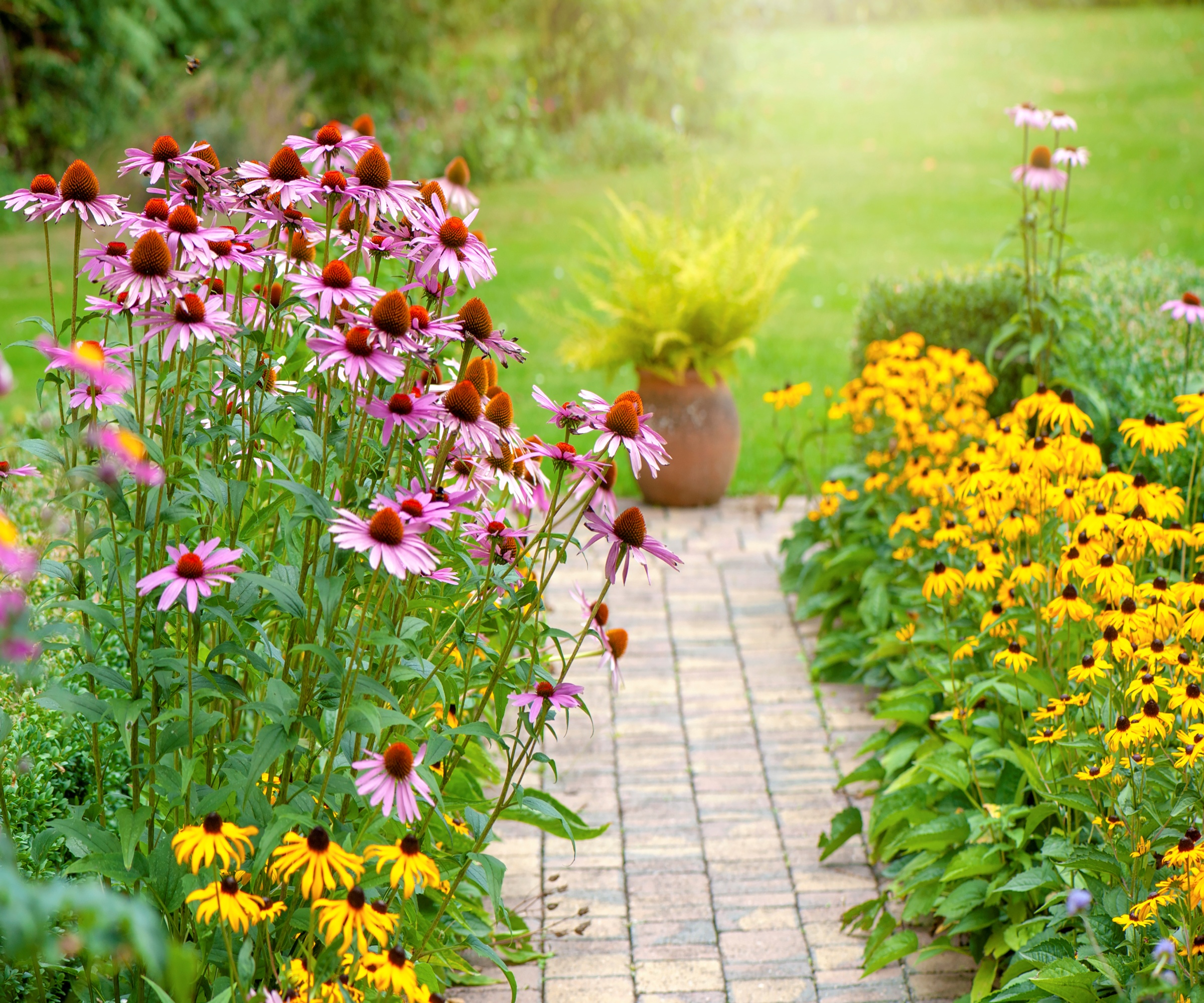
As August reaches its peak, coneflowers (Echinacea) undeniably steal the show in the late-summer garden. Clustered together in a vibrant crescendo of color, these sun-loving perennials create a dazzling visual spectacle. Their long, reflexed petals—rendered in delicious shades of dusky pink, rich vanilla, and soft, ethereal white—shining in sharp, striking contrast against their prominent, raised dark central cones.
Beyond their undeniable ornamental appeal, these hardy plants act as absolute magnets for bees, butterflies, and a host of other vital pollinators. Yet, their value extends far beyond their active flowering window. Long after the bright petals fade and drop, coneflowers continue to serve a critical ecological and aesthetic purpose. Their sturdy upright stems and architectural seedheads add essential texture and winter interest to garden borders. More importantly, those fading cones are packed with nutritious seeds highly prized by garden finches, blue jays, and cardinals throughout the autumn and winter months.
While learning how to successfully grow coneflowers is relatively straightforward, late-summer maintenance requires a nuanced shift in strategy. August is a pivotal month where routine garden grooming intersects with wildlife conservation and winter preparation. By understanding what to do—and crucially, what not to do—gardeners can ensure their echinacea plants remain robust, disease-free, and well-prepared for the colder months ahead.
Main Facts: The August Transition for Echinacea
The core reality of managing coneflowers in late summer is a shift in mindset: moving away from hyper-manicured floral displays toward fostering a sustainable habitat for local wildlife.
The Feeding Halt: Contrary to popular belief, established coneflowers require very little supplemental fertilizer. By August, all feeding must stop entirely to prevent vulnerable, frost-susceptible late growth.
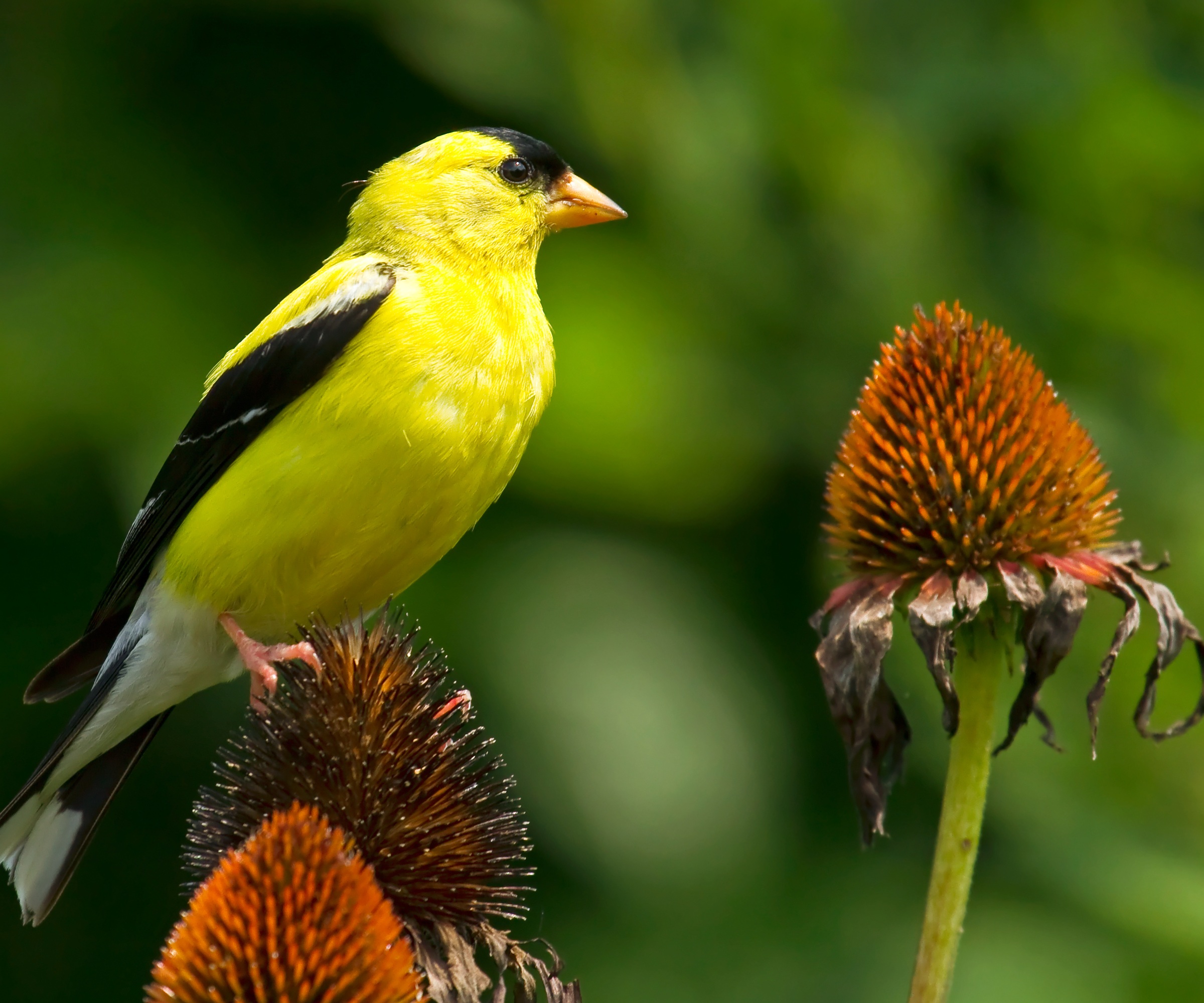
The Deadheading Dilemma: While traditional gardening wisdom dictates removing spent flowers to promote continuous blooming, August calls for a selective approach. Leaving select seedheads intact provides vital winter sustenance for seed-eating birds like American goldfinches.
Pruning Rules: Routine cutting back of healthy stems is actively discouraged in late summer. Pruning should be strictly limited to dead or diseased material to prevent the spread of fungal pathogens.
Structural Support: Late-summer storms can batter heavy, top-heavy blooms. Strategic, mass-staking helps protect the structural integrity of the plant cluster without compromising its natural look.
Propagation Opportunities: August and September offer prime conditions for harvesting and saving coneflower seeds to expand garden borders or share with fellow enthusiasts.
Chronology: The Seasonal Lifecycle and August Interventions
To fully appreciate why specific August maintenance tasks are necessary, it helps to review the chronological timeline of coneflower development through the growing season.
Spring: The Awakening
As soil temperatures rise in spring, coneflowers emerge from their winter dormancy, sending up fresh green basal foliage followed by sturdy upright stems. This is the ideal time to apply a thin top-dressing of well-rotted organic compost around the base of the plant to enrich the soil naturally, ensuring the plant has adequate nutrients as it initiates its growth cycle.
Early to Mid-Summer: The Peak Bloom
Throughout June and July, coneflowers burst into full bloom. During this active growing phase, plants require consistent moisture, proper spacing for adequate air circulation, and full sun exposure. Gardeners may perform light, selective deadheading early in the summer to encourage a continuous flush of fresh flowers.
August: The Pivot Point (Current Phase)
August marks a critical turning point in the garden calendar. Active vegetative growth begins to slow down as the plant directs its remaining seasonal energy toward strengthening its root systems and swelling its seedheads. Key August interventions include:
Ceasing all fertilizer applications to harden off the plant tissues.
Implementing selective deadheading—snipping some spent blooms for extended flowering while allowing others to mature into seed-rich cones.
Checking for storm damage and applying discreet plant supports or stakes to heavy clumps.
Monitoring for fungal issues, such as powdery mildew or aster yellows, and promptly removing compromised foliage.
Autumn and Winter: Dormancy and Wildlife Refuge
As temperatures drop in late autumn, the foliage turns brown and the plant enters dormancy. Rather than clearing the garden beds completely, leaving the hollow stems and seedheads standing provides essential architectural interest, frost-catching beauty, and shelter for overwintering beneficial insects, while serving as a natural feeding station for local bird populations.
Supporting Data and Expert Horticultural Guidance
Navigating the transition from summer splendor to winter dormancy requires expert insight. Leading horticulturists and native plant advocates emphasize that coneflowers are remarkably self-sufficient when grown in proper conditions.
Soil Health Over Synthetic Fertilizers
Many gardeners make the mistake of treating coneflowers like heavy-feeding annuals, continuously applying high-nitrogen liquid fertilizers well into the late summer. Experts warn that this practice is counterproductive and potentially harmful.
"Native plants adapted to the local region don’t need fertilization, especially when grown in healthy soil," explains Mary Phillips, Head of Native Plant Habitat Strategy at the National Wildlife Federation. "Excess fertilizer can actually encourage lush, weak foliage growth at the expense of blooms. Instead, focus on building healthy soil with organic matter such as compost and leave natural plant material in place where possible."
Phillips champions a sustainable, science-based approach to landscaping, advocating that natural plant habitats should function harmoniously with local ecosystems rather than relying on chemical inputs.
Disease Management and Pruning Protocols
As seasons change, plants can become susceptible to fungal spores splashing up from the soil or lingering on decaying tissues. However, indiscriminately shearing down plants in August deprives them of vital energy reserves.
"It is important to cut back any diseased or dead stems in Fall or even in Winter dormancy," advises Katie Sunderlage, Operations Manager at Holland Group and a degreased horticulturist with nearly two decades of green industry experience. "This will help protect the plant against any future infestation or fungal issues the following Spring when the new growth emerges. When cutting back the dead stems, prune to about 1 to 2 inches above the ground using clean pruners."
Sunderlage stresses the importance of using sterilized pruning tools—such as bypass pruners or snips—and disposing of infected plant debris in standard household waste rather than tossing it into the home compost bin, where fungal spores can survive and multiply.
Structural Integrity and Storm Resilience
August weather can be volatile, characterized by sudden heavy downpours and high winds. Because coneflowers produce heavy, dense clusters of flower heads on relatively tall stalks, they are prone to lodging (falling over or snapping) under duress.
"If staking is needed, utilize 3 to 5 stakes around the mass with loose twine," notes Stacilyn Feldman, a celebrated landscape architect specializing in botanical gardens and urban green spaces. "Don’t try to stake each stem; rather, stake it in a bunch to retain the strength of the massing."
Feldman’s approach preserves the natural, drifts-of-prairie aesthetic that makes coneflowers so desirable in modern landscape design, avoiding the rigid, unnatural look of individual plant cages.
Implications: Ecological Benefits and Biodiversity
The garden management decisions made in August carry profound implications for local backyard biodiversity. By altering traditional garden-cleaning habits, horticulturists can transform their yards into vital waystations for regional fauna.
Feeding Native Bird Populations
The most immediate beneficiaries of leaving coneflower seedheads intact through autumn and winter are seed-eating birds, most notably the American Goldfinch. These birds possess specialized conical beaks perfectly adapted for extracting nutritious seeds from the bristly central cones of Echinacea purpurea and its cultivars. By resisting the urge to tidy up perennial beds prematurely, gardeners provide a crucial, reliable food source during months when natural forage becomes scarce.
Supporting Overwintering Beneficial Insects
Beyond birds, coneflower stems play an unsung role in insect conservation. Many native bees, including small carpenter bees and leafcutter bees, utilize hollow or pithy plant stems as nesting sites or overwintering chambers. When gardeners prematurely cut plants down to the ground in late summer or early fall, they inadvertently destroy these micro-habitats. Leaving the stalks standing until early spring gives beneficial insects a safe place to ride out the cold.
Enhancing Soil Microbiomes
Ceasing chemical fertilizer use in August aligns the garden with regenerative agriculture principles. Allowing organic matter—such as fallen leaves and natural mulch—to break down slowly around the root zones fosters a thriving subterranean ecosystem of earthworms, mycorrhizal fungi, and beneficial bacteria. This living soil web naturally cycles nutrients, improves soil structure, and enhances drought resistance for the following growing season.
Recommended Varieties to Explore
For gardeners looking to expand their coneflower collections or introduce new textures and color palettes into their August landscape, several standout cultivars offer exceptional performance:
‘Powwow® Wild Berry’ (Nature Hills Nursery): Celebrated for its intense, saturated pink reflexed petals and compact 1-to-2-foot growth habit, making it exceptionally well-suited for container gardening and front-of-border placements.
‘Green Twister’ (Plant Addicts): A striking, unconventional variety featuring vibrant carmine centers that transition outward into bright, lime-green petal tips. Reaching 2 to 3 feet in height, it adds a unique architectural contrast to traditional pink and purple borders.
‘Ruby Star’ (Nature Hills Nursery): Known for its deeply hued, flat-petaled blossoms that hold their rich color brilliantly without fading in the late-summer sun. It weaves exceptionally well through ornamental grasses.
‘Butterfly Kisses’ (Burpee Gardening): A charming, double-flowered dwarf variety offering pom-pom-like blooms in soft, sweet pink hues, ideal for smaller urban gardens and cutting patches.
Summary Checklist for August Coneflower Care
To ensure your coneflowers finish the summer strong and transition safely into autumn, keep this actionable checklist in mind:
Stop Fertilizing: Withhold all granular and liquid fertilizers immediately to prevent tender, frost-vulnerable growth.
Practice Selective Deadheading: Snip away damaged or untidy spent blooms to encourage a late flurry of flowers, but leave a generous number of seedheads intact for wildlife.
Inspect for Disease: Routinely check foliage for signs of powdery mildew or fungal leaf spots, and prune away affected stems using sterilized shears, disposing of diseased tissue in the trash.
Provide Discreet Support: Use garden twine and multi-stem stakes or rustic metal supports to secure heavy, storm-threatened clumps.
Harvest Seeds: Gather mature, plump seedheads for drying and storage if you wish to propagate new plants for next year’s garden.