

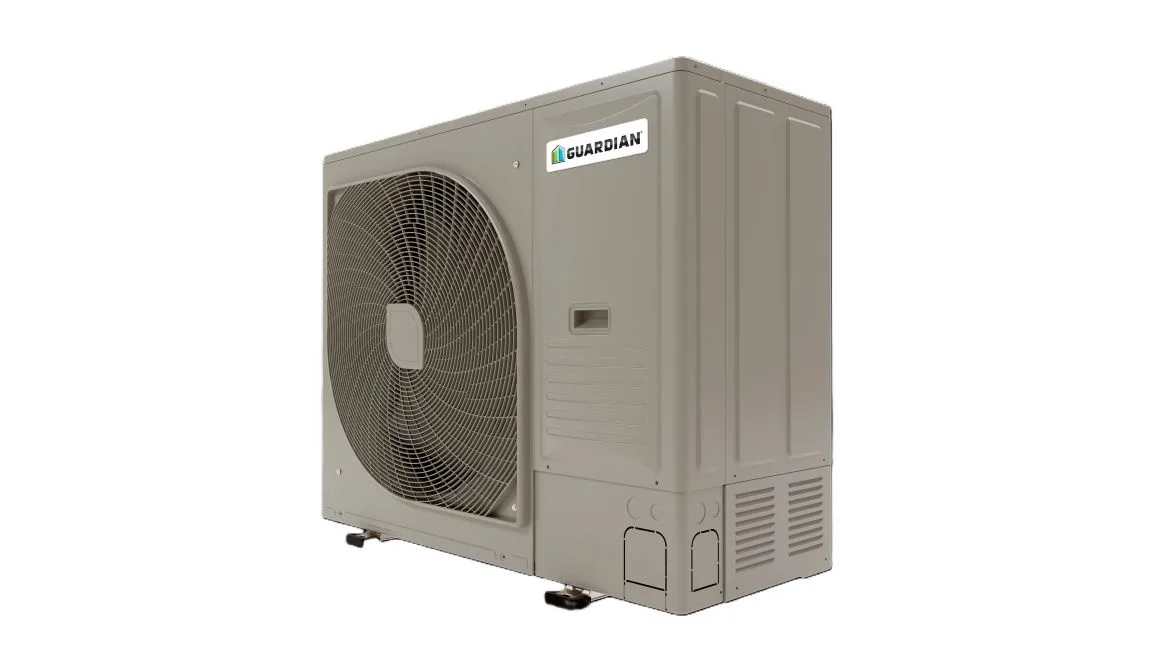
DALLAS — In a strategic move tailored to the unique architectural and mechanical demands of modern multi-tenant housing, Bosch Home Comfort Group has officially launched comprehensive new lineups of Evcon and Guardian heating, ventilation, and air conditioning (HVAC) solutions. Announced from the company’s regional base, the extensive product suite is engineered specifically for multifamily developments—including condominiums, low- and high-rise apartments, and townhouses—spanning the United States and Canada.
Representing nearly a third of the total housing stock across North America, the multifamily sector presents distinct engineering and installation challenges that differ sharply from traditional single-family detached homes. By introducing complete, optimized system packages that feature heat pumps, air conditioners, gas furnaces, air handlers, indoor coils, and smart thermostats, Bosch aims to give developers, consulting engineers, and mechanical contractors the versatility required to navigate complex architectural footprints without compromising energy efficiency or resident comfort.
Main Facts: A Comprehensive Multi-Tenant Ecosystem
The newly debuted Evcon and Guardian portfolios are not merely repackaged residential units; they are purpose-built thermal management systems designed to conquer the physical and logistical hurdles intrinsic to shared-roof structures.
At its core, the product ecosystem delivers sweeping capacity ranges and performance metrics tailored to modern building energy codes:
- Air Conditioners: Available in capacities ranging from 1.5 to 5 tons, delivering high-efficiency SEER2 ratings of up to 13.4 and 14.3.
- Heat Pumps: Ranging from 1 to 5 tons, featuring horizontal-discharge configurations and compact side-discharge layouts ideal for constrained outdoor spaces like balconies or narrow courtyards. Initial rollouts include 1.5-, 2-, and 2.5-ton models, with remaining capacities (1, 3, 3.5, 4, and 5 tons) slated to hit the market later this year.
- Gas Furnaces: Comprising both condensing and non-condensing configurations to accommodate varied regional climate mandates, venting requirements, and building specifications.
- Supporting Infrastructure: Includes specialized air handlers, matching evaporator coils, and intuitive thermostats designed to integrate smoothly into both new construction and major retrofits.
Furthermore, the hardware is backed by digital support systems. Contractors and service technicians can leverage the Bosch Home Comfort GoTemp Pro application, which grants instantaneous access to technical documentation, diagnostic tools, and commissioning workflows designed to accelerate job-site execution.
Chronology: The Evolution of Multifamily HVAC Engineering
The journey toward specialized multi-tenant HVAC solutions has accelerated over the past decade alongside shifting demographic trends and urban density patterns.
- The Historical Paradigm: Historically, residential HVAC manufacturers produced single-family units and attempted to force-fit them into multifamily blueprints. This often resulted in awkward mechanical closets, compromised duct designs, inadequate line-set limits, and frustrating maintenance access points for service crews.
- The Urbanization Boom: As urbanization intensified through the 2010s and early 2020s, the percentage of multi-tenant housing climbed steadily. Developers began building taller, deeper, and more densely packed structures, frequently utilizing tight mechanical footprints to maximize rentable square footage.
- The Regulatory Shift: Simultaneously, federal energy efficiency standards—most notably the transition to SEER2 testing protocols in North America—raised the bar for equipment performance, static pressure handling, and low-ambient heating capability.
- The Bosch Intervention (Present Day): Recognizing the friction points between single-family design principles and multifamily execution realities, Bosch Home Comfort Group consolidated engineering feedback from contractors and developers. The result is the modern Evcon and Guardian rollouts, engineered from the ground up to solve the spatial, vertical, and distance constraints that have historically plagued multi-story construction sites.
Supporting Data: Technical Specifications and Engineering Breakthroughs
Multifamily design is a game of millimeters and pounds. Architects strive to minimize lost square footage to mechanical rooms, while structural engineers fight to limit exterior clutter on balconies and exterior walls. Bosch’s engineering teams targeted these exact pain points, integrating hard data and physical specifications directly into the Evcon and Guardian lines:
1. Extended Line-Set Capabilities and Vertical Lifts
In multi-story apartment complexes and high-rise condominiums, outdoor condensing units are frequently grouped on the ground level or on designated mechanical mezzanines far away from the indoor air handlers.
- Line-Set Length: The new systems support line sets stretching up to an impressive 250 feet, allowing unprecedented freedom in equipment placement.
- Vertical Lift: The systems accommodate a vertical lift of up to 150 feet, empowering designers to route refrigerant lines across multi-story buildings without suffering catastrophic capacity losses or oil-return failures.
2. Space-Saving Cabinet Footprints
Real estate value in urban centers makes every square foot critical. To prevent HVAC equipment from stealing valuable living or balcony space:
- Air conditioners and heat pumps feature ultra-compact 24-by-24-inch cabinet footprints.
- The introduction of horizontal-discharge and side-discharge heat-pump configurations allows units to be neatly tucked against exterior walls or balconies where traditional top-discharge cube units would be impossible to install or service.
3. Durability and Cold-Climate Reliability
Because multifamily tenants rely heavily on uninterrupted heating and cooling, system durability is non-negotiable for property management groups seeking to minimize costly maintenance callbacks.
- Crankcase Heaters: Integrated as standard equipment on the heat pump lines to protect compressors from liquid slugging during cold-weather startups, significantly enhancing long-term operational reliability.
- Hard-Start Kits: Included natively on select air conditioner models—with accessory kits available across remaining capacities—to ensure smooth compressor startup under heavy electrical loads or brownout conditions common in dense urban grids.
Official Responses: Industry Perspectives from Bosch Leadership
The strategic rationale behind the new product lines centers on holistic project management. Bahadir Taskonak, Head of Residential Ducted Products for Bosch Home Comfort Group Americas, emphasized that multi-tenant construction requires an entirely different lens than traditional single-family tract housing.
"Multifamily projects require a different perspective than traditional single-family applications," Taskonak stated. "Developers, consulting engineers, and contractors are balancing multiple priorities—from maximizing building design flexibility and accommodating longer piping length to keeping projects on schedule and delivering reliable comfort for residents. With our new Evcon and Guardian multifamily offerings, we focused on addressing these requirements holistically."
Taskonak underscored that the ultimate metric of success is found in how smoothly the equipment transitions from paper blueprints to physical installation and daily operation:
"The result is a solution that helps designers achieve their project objectives, allows contractors to install with greater speed and confidence, and ultimately delivers the comfort, reliability, and long-term performance that homeowners and residents expect."
Industry analysts note that by addressing the simultaneous demands of developers (space optimization), contractors (speed and ease of installation), and residents (quiet, dependable comfort), Bosch is positioning its Evcon and Guardian brands as premier choices for large-scale commercial and residential builders.
Implications: What This Means for the Future of Multi-Tenant Housing
The introduction of specialized, high-capacity, space-saving HVAC portfolios like those from Bosch carries profound implications for the broader real estate development and mechanical contracting sectors across the U.S. and Canada.
1. Architectural Design Freedom
Architects and MEP (Mechanical, Electrical, and Plumbing) engineers are no longer handcuffed by the rigid geometric constraints of legacy equipment. With 250-foot line sets and 150-foot vertical lifts, mechanical designers can centralize outdoor equipment yards or distribute units strategically across rooftops and ground-level slabs without sacrificing system efficiency. This flexibility often translates into more aesthetically pleasing building exteriors and maximized rentable or sellable interior square footage.
2. Streamlined Labor and Commissioning for Contractors
In an era marked by skilled labor shortages within the trades, time is money. Products that are difficult to install or prone to configuration errors can derail tight construction schedules. By pairing physical hardware innovations—such as compact footprints and factory-integrated hard-start kits—with digital support ecosystems like the GoTemp Pro app, Bosch is helping contractors reduce installation errors, cut commissioning time, and deploy leaner labor crews.
3. Elevated Resident Experience and Property Value
For real estate investment trusts (REITs), property management firms, and condominium associations, HVAC reliability directly impacts tenant retention and net operating income (NOI). Multi-tenant residents represent a diverse demographic spectrum—ranging from young, tech-savvy professionals working from home to empty nesters downsizing into urban townhouses. Regardless of profile, all expect whisper-quiet operation, precise temperature control, and low utility bills. The high SEER2 ratings, durable compressor protections, and precise zoning compatibilities of the Evcon and Guardian portfolios ensure that property owners can deliver premium indoor environmental quality while protecting their long-term capital investments.
As North American cities continue to densify and housing markets evolve to meet changing economic realities, the introduction of purpose-built mechanical infrastructure like Bosch’s latest multifamily lineups marks a critical step forward in bridging the gap between grand architectural ambition and practical, everyday comfort.
