

SANTA MONICA, CALIFORNIA — As global temperatures rise and shifting weather patterns introduce unprecedented strain on traditional residential landscapes, sustainably minded homeowners are increasingly rethinking their relationship with the classic green lawn. Across the globe, climate change has transformed water conservation from a regional recommendation into an urgent environmental necessity. For inspiration on how to marry high-end aesthetic appeal with extreme drought resilience, landscape designers and eco-conscious gardeners alike are looking to Southern California, a region long accustomed to balancing water scarcity with lush, vibrant outdoor living.
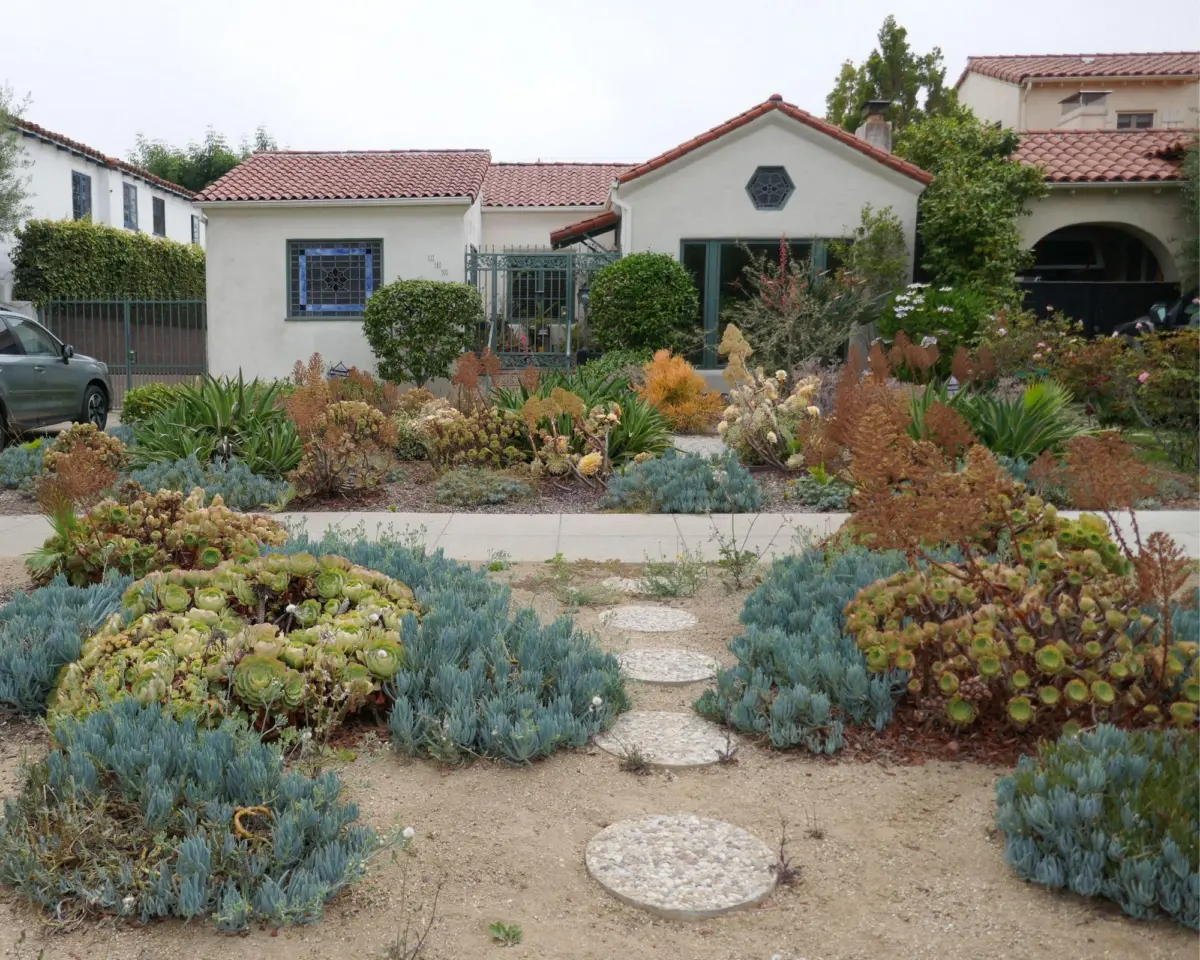
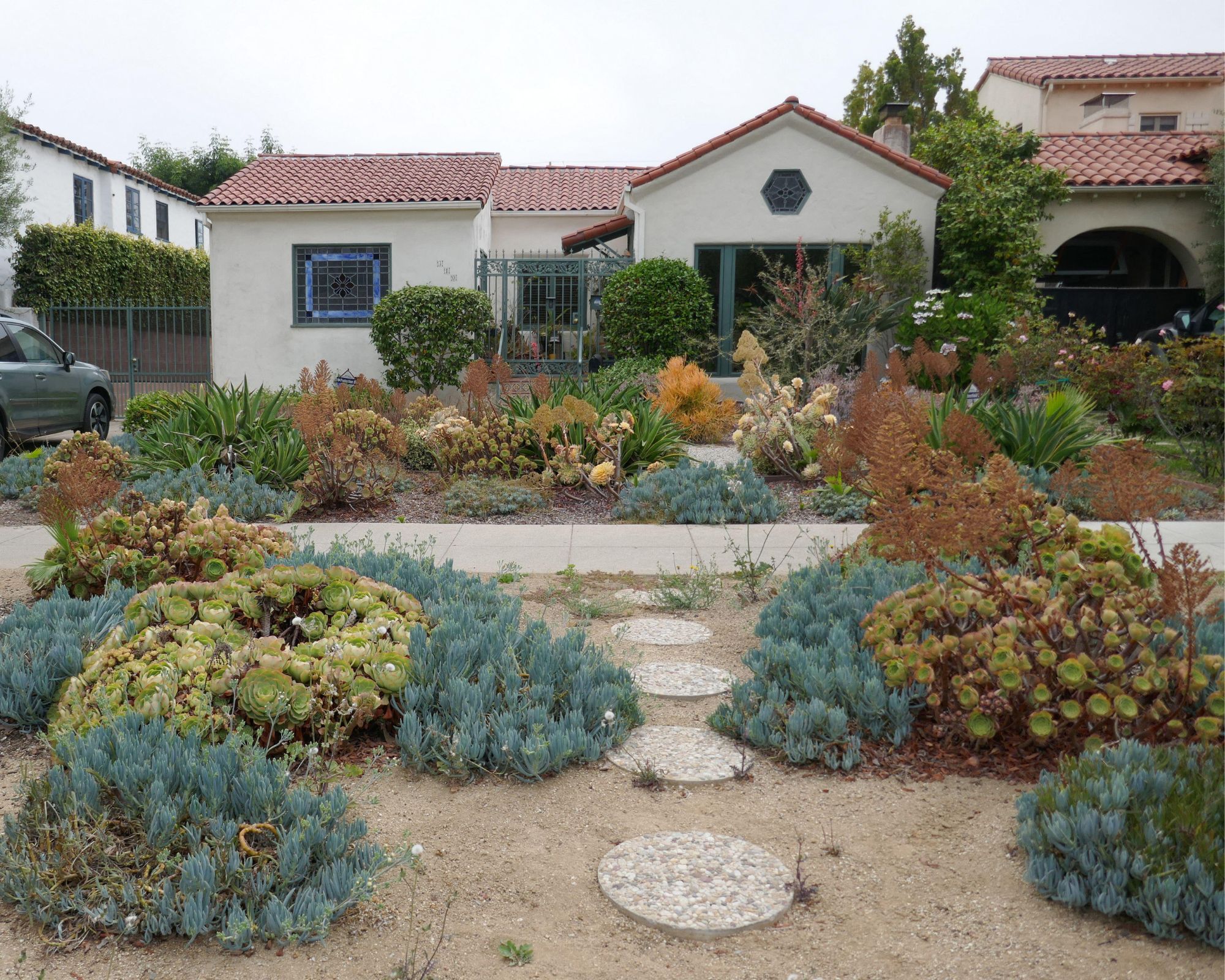
Nowhere is this design philosophy more elegantly demonstrated than at actress Michelle Pfeiffer’s former Spanish-style villa in Santa Monica. Featuring a striking, low-maintenance California succulent garden, the property offers a masterclass in modern, climate-resilient landscaping. By replacing thirsty turf with architectural greenery, artful hardscaping, and drought-tolerant perennials, the estate proves that sustainability does not require sacrificing luxury.
Main Facts: Redefining Sustainable Luxury in Southern California
The outdoor spaces of Michelle Pfeiffer’s former Santa Monica residence represent a paradigm shift in upscale landscaping. Rather than relying on intensive irrigation networks and chemical-heavy fertilizers to maintain a standard grass lawn, the property utilizes a thoughtfully curated palette of arid-adapted flora.
Central to the garden’s striking visual composition is a diverse array of resilient, low-water plants:
- Blue Chalksticks (Senecio mandraliscae): Known for their striking, powdery blue-gray, finger-like foliage, these low-growing succulents create a vibrant, carpet-like contrast against earth-toned hardscapes.
- Tree Aeonium: Providing height and structural drama, these rosette-forming succulents thrive in full sun and minimal moisture.
- Foxtail Agave (Agave attenuata): Characterized by soft, unarmed, lime-green rosettes that curve gracefully upward, offering a sculptural element without the hazard of sharp spines.
- Copper Pinwheels: Adding rich, warm color variations to the planting beds, these sun-loving succulents shift in tone depending on light exposure.
To anchor these botanical selections, the landscape integrates sophisticated hardscaping elements, including pebble mosaic stepping stones and decomposed granite pathways. These features not only establish an intentional, polished design aesthetic but also improve ground permeability, allowing precious rainwater to filter naturally into the soil rather than running off into municipal storm drains.
Chronology: The Evolution of the Arid Garden Movement
The shift toward drought-tolerant landscaping in affluent enclaves like Santa Monica did not happen overnight. It represents a decades-long evolution driven by changing environmental realities, municipal water restrictions, and evolving architectural tastes.
The Era of the English Lawn (Late 20th Century)
For generations, the standard of luxury real estate in Southern California mirrored the temperate, rain-fed estates of the American Northeast or Europe. Expansive, emerald-green lawns dominated front and back yards, requiring massive amounts of imported water, chemical fertilizers, and constant maintenance to survive in a Mediterranean climate characterized by long, dry summers.
The Wake-Up Call of Severe Droughts (2010s)
As recurring, multi-year droughts gripped California, state and local governments began implementing strict water-use caps and lawn-replacement rebate programs. Homeowners faced mounting pressure to adapt. During this period, high-end landscape architects began experimenting with native California plants and imported succulents, seeking alternatives that could endure severe heatwaves without turning brown or dying off.
The Rise of Eco-Chic Celebrity Landscapes (Present Day)
Today, properties like Michelle Pfeiffer’s former Santa Monica villa stand at the forefront of a cultural and design movement. Modern sustainable landscaping is no longer viewed as a compromise or a penalty for living in an arid zone; instead, it is celebrated as the ultimate expression of sophisticated, forward-thinking luxury. High-profile estates have successfully normalized the beauty of rock gardens, architectural cacti, and gravel hardscaping, proving that ecological responsibility and high-end design can coexist seamlessly.
Supporting Data: The Case for Climate-Resilient Planting
The global transition away from traditional turf grass is backed by compelling environmental and horticultural data. As municipal water supplies face increasing strain, residential water consumption has come under intense scrutiny from environmental agencies.
- Water Conservation Impact: According to environmental studies, traditional turf grass accounts for a significant portion of residential outdoor water use. Replacing a standard grass lawn with a succulent-based xeriscape can reduce outdoor water consumption by up to 50% to 70%, depending on the local climate and irrigation setup.
- Soil Health and Microclimates: Hardscaping materials like decomposed granite, combined with permeable pebble mosaics, significantly reduce stormwater runoff. Unlike impermeable concrete surfaces, these materials allow moisture to penetrate deep into the soil table, nourishing the root zones of deep-rooted succulents and trees.
- Maintenance Reduction: Beyond water savings, succulent gardens drastically reduce the need for fossil-fuel-powered lawnmowers, chemical herbicides, and synthetic pesticides, contributing to a lower overall carbon footprint for residential properties.
Expert Insights: Horticultural Advice for Recreating the Look
To unpack the lessons embedded in heatwave-tolerant planting, industry leaders and horticultural experts have shared practical guidance for homeowners seeking to transform their own yards.
Selecting the Right Plant Varieties
Jane Fairlie, a horticultural expert at Barratt London, emphasizes the versatility and resilience of succulents when designing for dry climates.
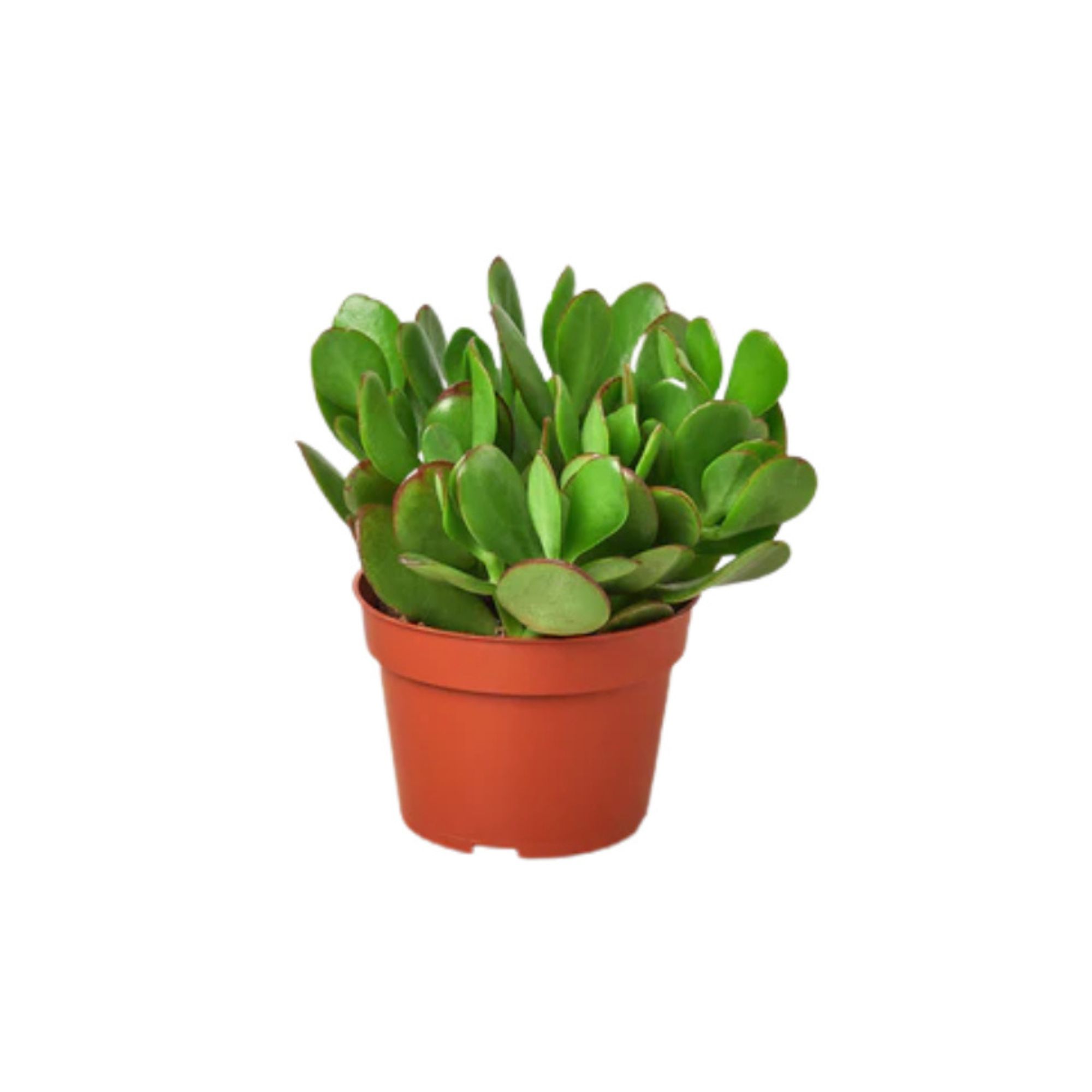
"Succulents are an excellent option," advises Fairlie. "Often described as cactus-like but without spines, they are highly tolerant of dry conditions and require minimal watering. Popular examples include the Jade plant, which features fleshy oval leaves and is sometimes associated with good luck and prosperity, and Aloe Vera, which also has practical uses as its sap can help soothe minor burns."
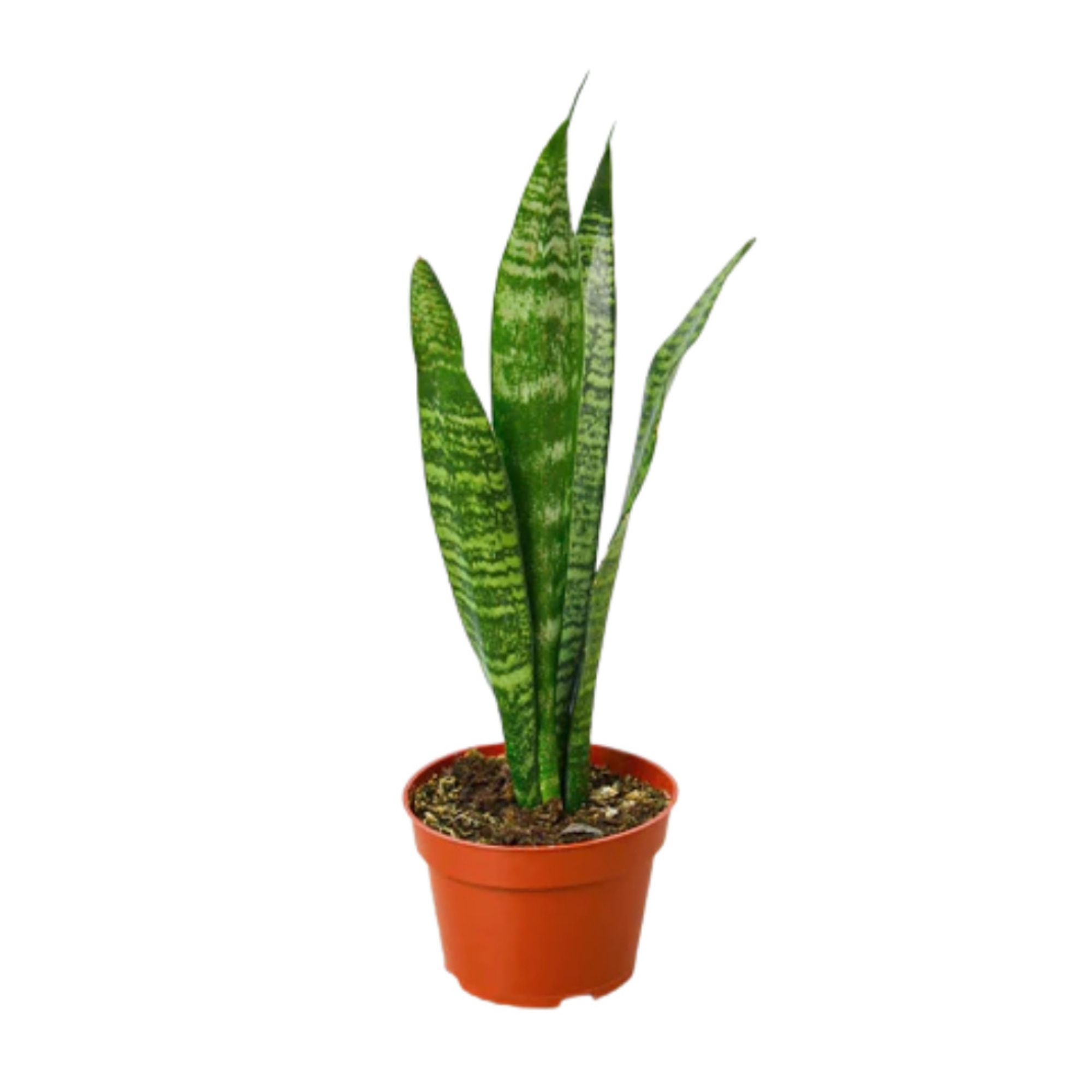
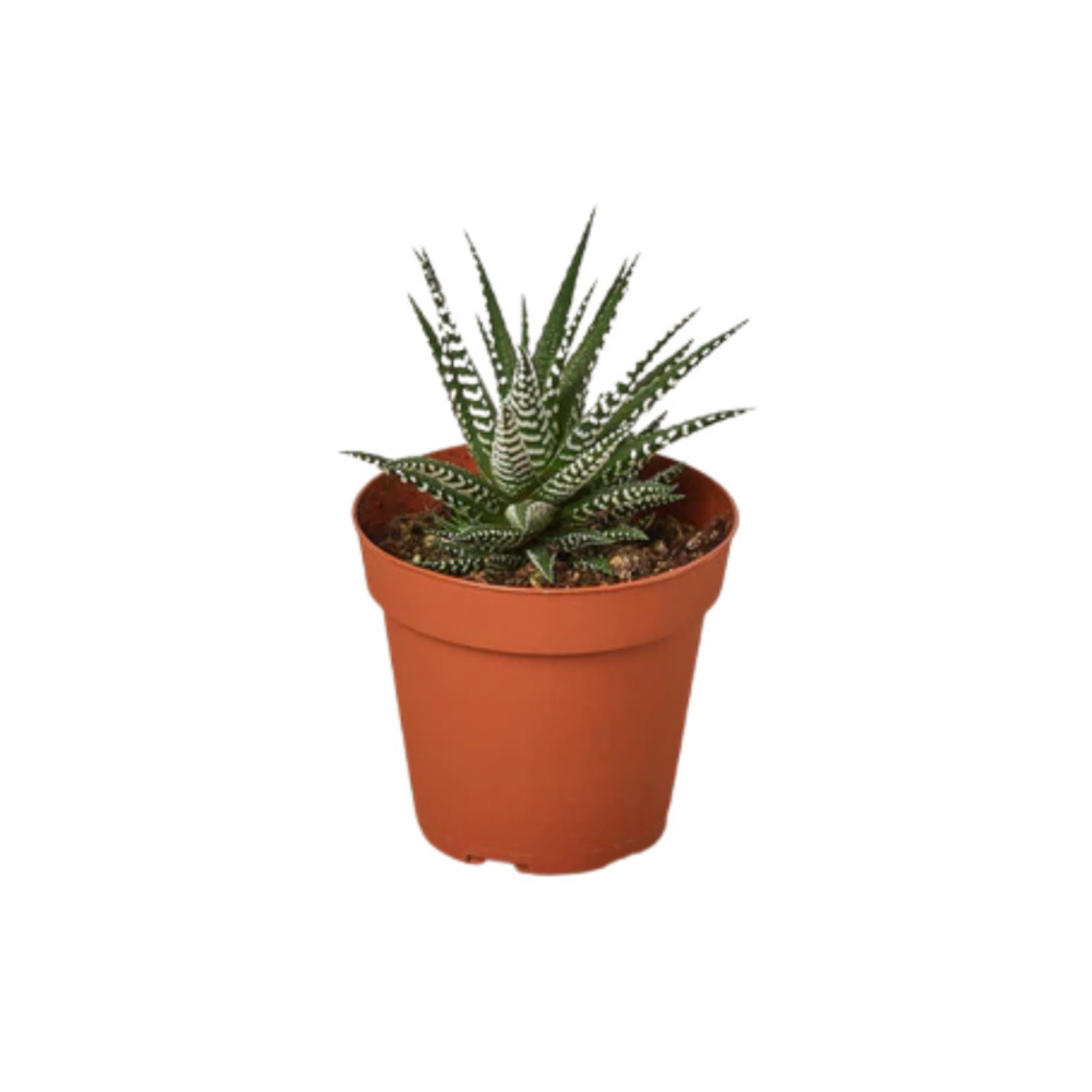
Fairlie also points to resilient structural varieties such as Sansevieria (snake plants) and Zebra plants (Haworthiopsis fasciata). "Sansevieria and Zebra plants are also low-maintenance choices, with upright, architectural foliage and a reputation for being particularly easy to care for," she adds.
The Myth of Absolute Neglect
A common misconception among beginner gardeners is that drought-tolerant plants require zero attention once installed. Experts caution that while succulents are exceptionally hardy, they still need strategic care to reach their full aesthetic potential.
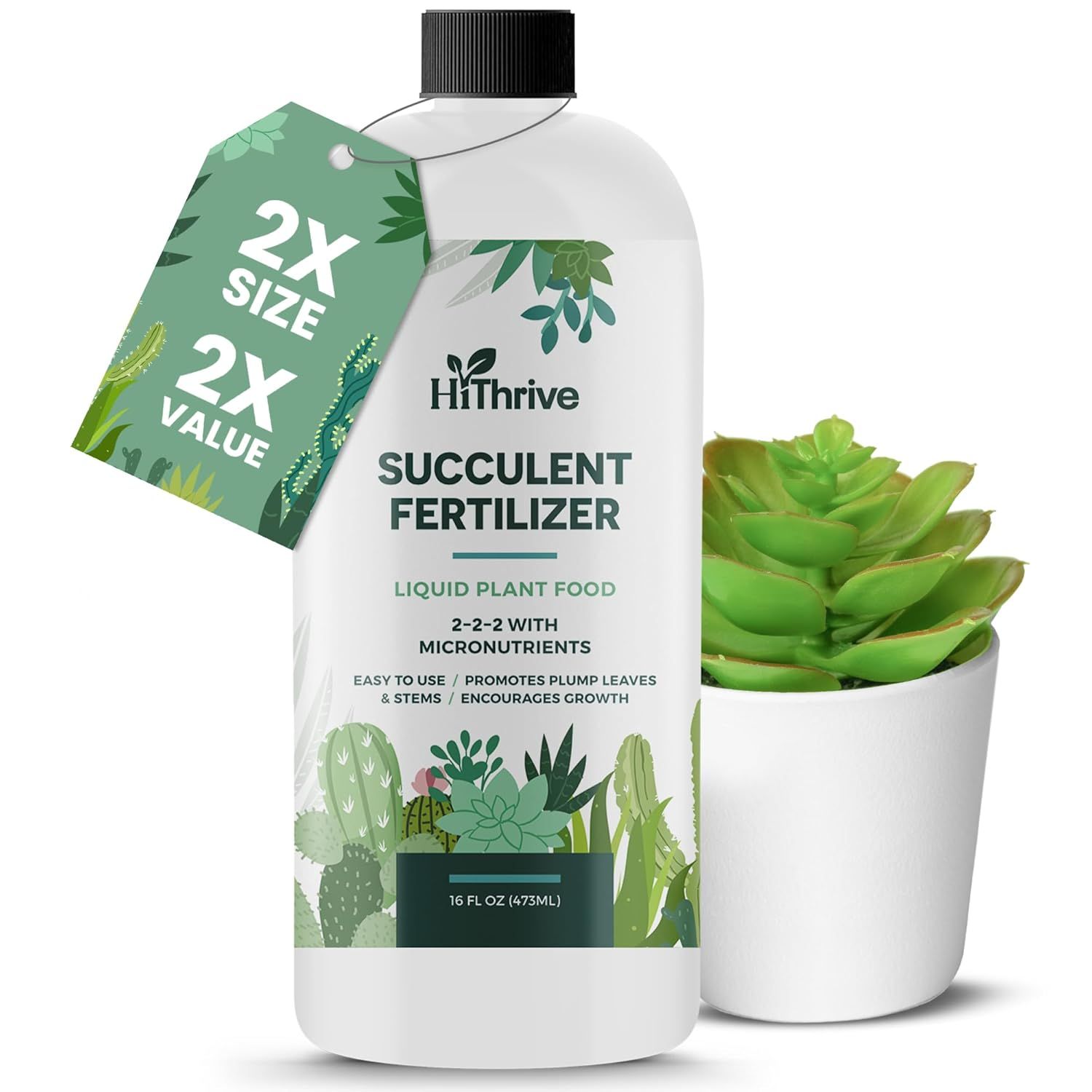
"Just because these varieties are low-maintenance doesn’t mean they don’t require any care whatsoever," notes Fairlie. "Especially when you are not watering, it is crucial that you are feeding your succulent garden. Plants require nutrients to grow and remain healthy, particularly during spring and summer when growth is most active. A weekly feed is recommended during this period."
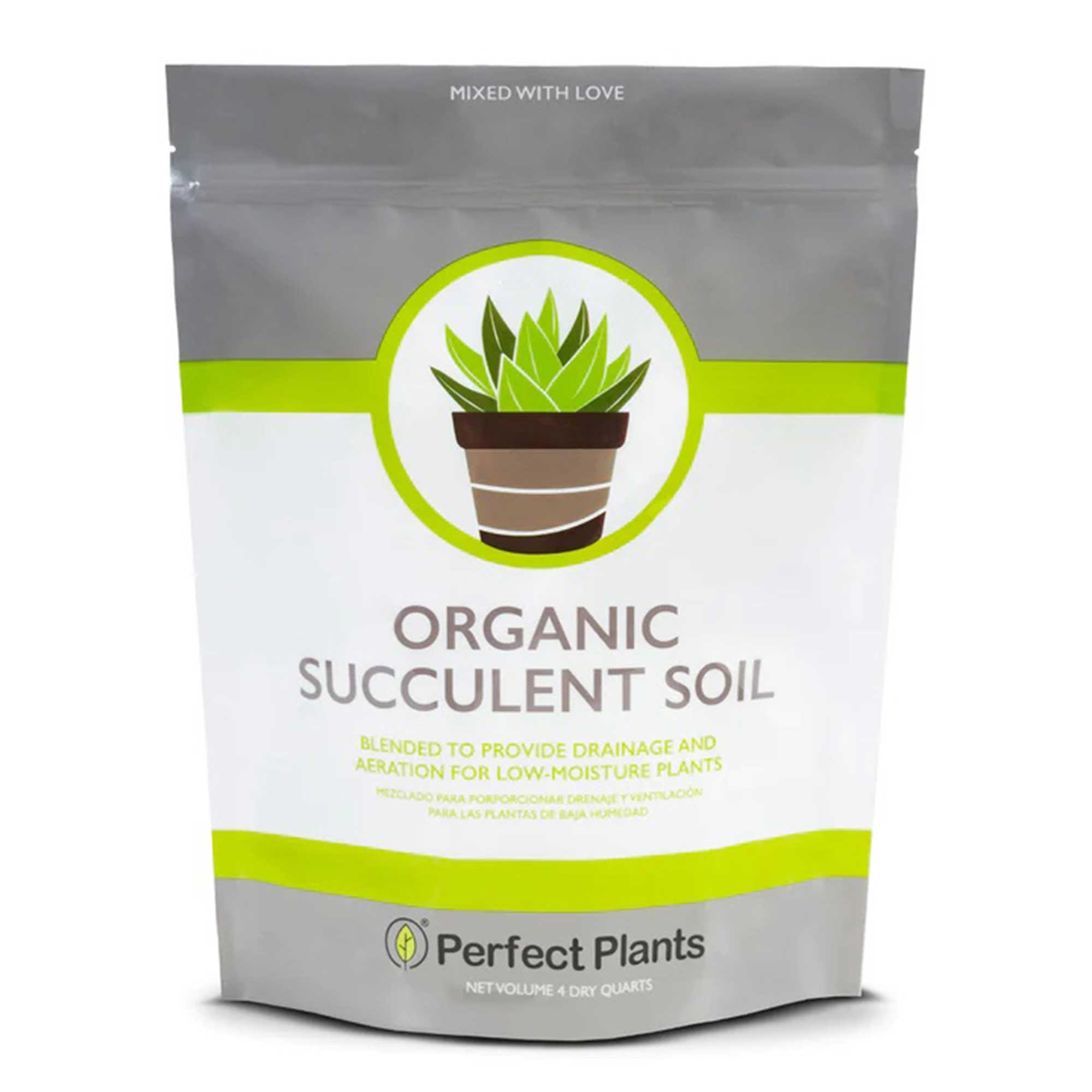
Furthermore, experts emphasize the importance of soil composition. Succulents are highly susceptible to root rot if they sit in heavy, moisture-retaining earth. Utilizing a specialized, fast-draining soil mix formulated with perlite, coarse sand, peat moss, and composted pine bark is vital for supporting healthy root development.
Supporting Local Ecosystems
Sustainable landscaping extends beyond botany to include the broader local biome. Noah Mabey, Senior Gardener at Thornbridge Hall, highlights how hardscaping and water features can support local wildlife during periods of extreme heat.
"Wildlife can struggle to find fresh water during long periods of warm weather, so putting out a shallow dish of clean water can make a real difference," explains Mabey.
He recommends enhancing garden hydration stations for pollinators: "I like to add pieces of tufa stone, gravel, or marbles so bees, butterflies, and other insects have somewhere safe to land while they drink. Birds will also appreciate a larger bowl of clean water nearby."
Implications: The Future of Residential Real Estate and Urban Planning
The widespread adoption of climate-resilient landscaping, as exemplified by celebrity properties in Santa Monica, carries profound implications for urban planning, real estate valuation, and environmental policy.
Architectural and Real Estate Trends
As prospective homebuyers increasingly prioritize sustainability and energy efficiency, properties equipped with professionally designed, water-wise landscapes hold a distinct competitive advantage in the real estate market. The narrative surrounding luxury has shifted: expansive, thirsty green lawns are increasingly viewed as outdated liabilities, while artful xeriscapes signal environmental consciousness, low operational costs, and modern sophistication.
Municipal Policy and Urban Resilience
City planners and water authorities across arid and semi-arid regions are taking note. Many municipalities are moving beyond voluntary conservation requests, implementing mandatory turf-removal incentives, building code modifications for permeable hardscaping, and tiered water pricing structures that penalize excessive residential irrigation.
By demonstrating that drought-tolerant designs can be visually stunning, high-profile estates provide a powerful cultural blueprint. They prove that adapting to climate change does not require compromising on beauty, comfort, or style. As the global climate continues to evolve, the resilient succulent gardens of Southern California offer an enduring vision for the sustainable gardens of tomorrow.
