

The heavy machinery landscape is undergoing a silent, powerful revolution. For decades, the construction and earthmoving sectors have been tethered to the roar, exhaust, and fluctuating fuel costs of diesel engines. However, global equipment manufacturing giant LiuGong is challenging that status quo head-on.
Rather than positioning its machinery merely as an eco-friendly "alternative," LiuGong is making a bolder assertion: its new 27-ton heavy electric excavator is objectively superior to its diesel counterparts in virtually every measurable metric. With the official North American rollout of the LiuGong 924FE, contractors across the United States and Canada are about to witness the future of heavy construction equipment firsthand.
Main Facts: Meet the LiuGong 924FE
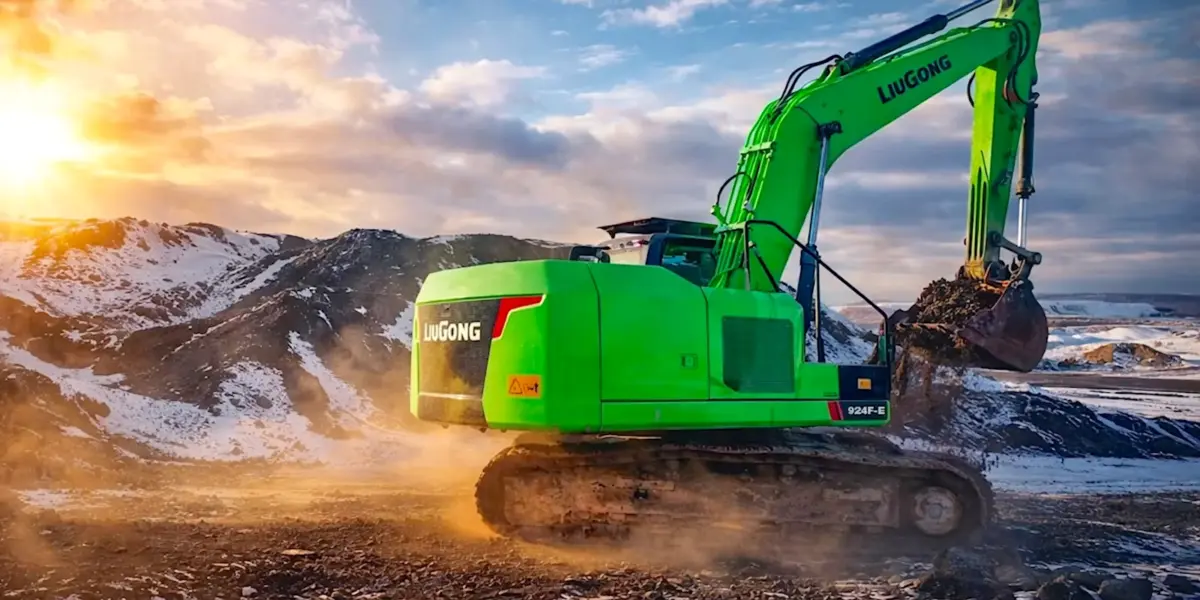
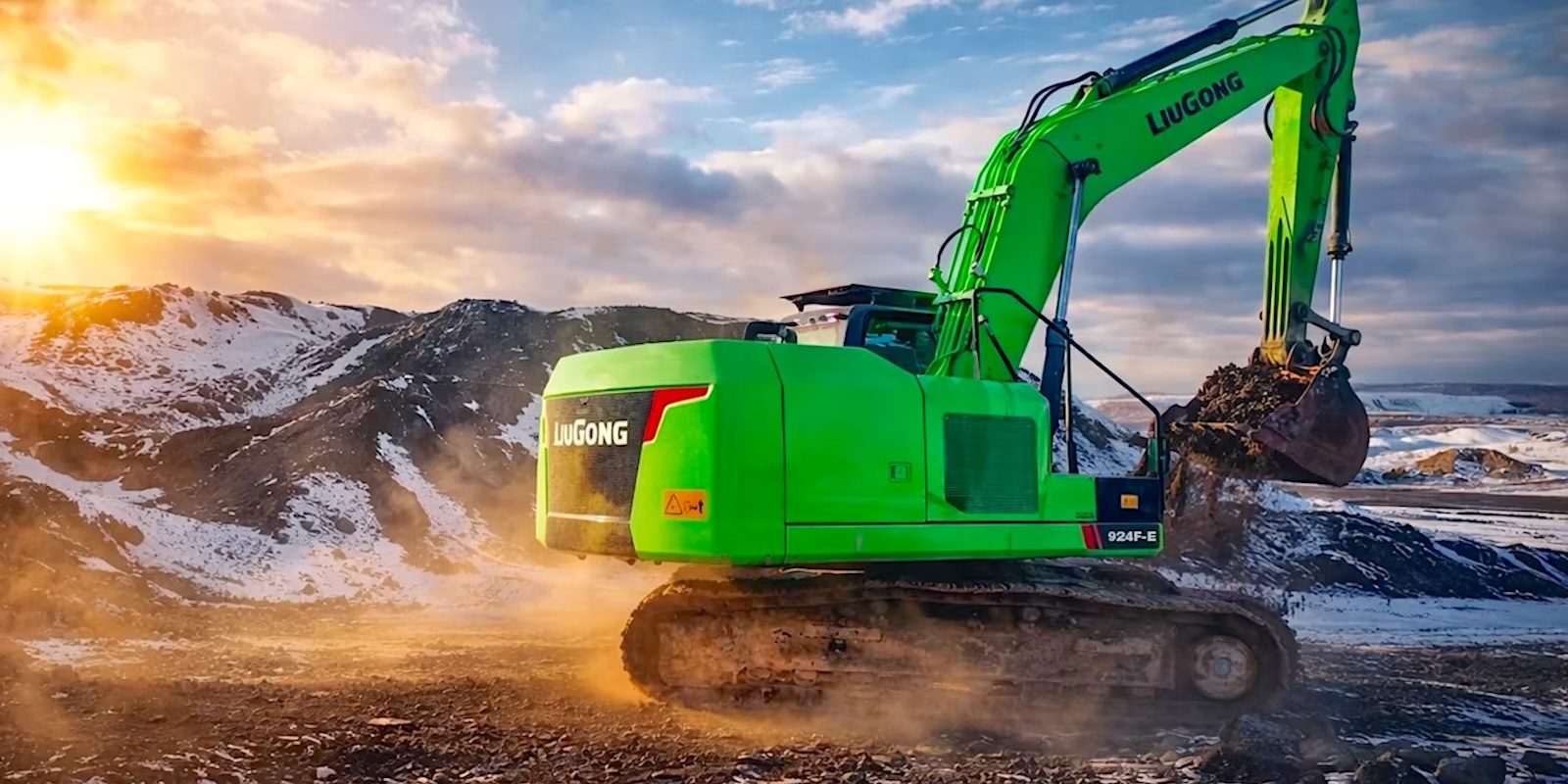
The LiuGong 924FE is a 27-tonne (approximately 30-ton) battery-electric excavator designed to tackle heavy-duty digging, grading, and material handling without burning a single drop of fossil fuel.

At the heart of the machine is a massive 528 kWh Lithium Iron Phosphate (LFP) battery pack. This high-capacity energy storage system feeds a robust 115 kW (roughly 155 horsepower) Weiteli electric motor, delivering instant torque and responsive hydraulic performance.
Key performance and design highlights include:
- Runtime: Up to 10 hours of continuous operation on a single charge, comfortably covering a standard full-day work shift.
- Rapid Charging: Capable of powering up from 15% to 100% in under three hours using high-capacity DC fast-charging infrastructure.
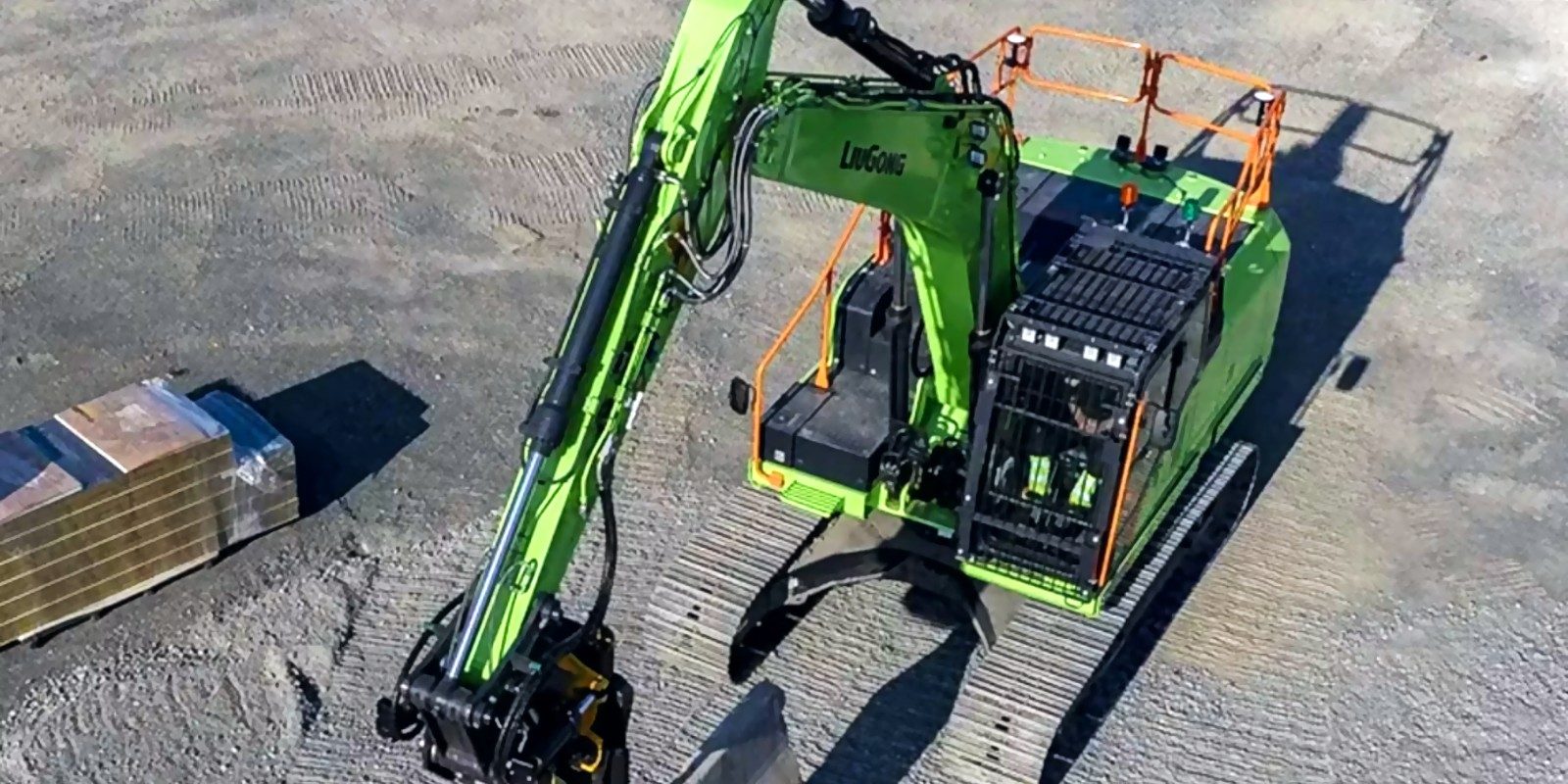
- Operator Comfort: Features a 10-inch high-definition touchscreen interface, 360-degree camera systems for enhanced job-site safety, a heated air-suspension seat, and intelligent LED work lighting with delayed shutoff.
- Low Maintenance Design: Includes a reverse-rotation cooling fan to effortlessly clear out dust and debris, minimizing daily upkeep.
- Robust Warranties: LiuGong is backing its heavy-duty electric vehicle (HDEV) technology with an impressive 5-year or 10,000-hour warranty on the battery packs and electric motors, alongside a 3-year or 4,000-hour "complete machine" warranty.
Chronology of Development and Release
The journey of the 924FE from a concept on the drawing board to a commercially available powerhouse in North America reflects the rapid acceleration of electrification in the heavy-equipment sector.
- April 2025 (Bauma Exhibition): LiuGong formally showcased its broader strategic roadmap for battery-electric construction equipment at Bauma, signaling its intent to aggressively target international markets with heavy-duty electric vehicles (HDEVs).
- May 2025: The 27-tonne 924FE made its official global debut, drawing significant industry attention for pairing a massive LFP battery with heavy-duty excavation capabilities.
- July 2026: LiuGong expanded its heavy electric equipment portfolio in North America, highlighting modular battery-swapping capabilities and cross-compatible 528 kWh battery architecture that can power multiple types of heavy assets.
- August 2026: LiuGong officially launched the 924FE in the North American market, bringing the machine to commercial availability through its dealer network and generating widespread coverage across trade publications like Equipment World.
Supporting Data and Operational Economics
While environmental consciousness is driving some fleet operators toward electrification, the ultimate deciding factor in the construction industry always boils down to the bottom line. According to LiuGong, its North American HDEVs can reduce operating costs by 40% to 50% compared to equivalent diesel-powered excavators.
The Financial Breakdown
The dramatic reduction in operating expenditures is driven by three main factors:
- Energy vs. Fuel: Electricity is inherently more stable and generally cheaper per equivalent energy output than diesel fuel, eliminating exposure to volatile oil price spikes.
- Simplified Powertrains: Electric motors have significantly fewer moving parts than internal combustion engines. There are no oil changes, spark plugs, fuel filters, timing belts, or complex exhaust after-treatment systems (like Diesel Exhaust Fluid/DEF) to maintain or replace.
- Drastically Lower Maintenance: With fewer mechanical components subject to extreme heat and friction, routine service intervals and replacement parts budgets shrink dramatically.
Charging Dynamics
Time is money on a job site, which is why charging speed is critical for heavy machinery. The 924FE’s 528 kWh battery can be replenished from 15% to 100% in under three hours.
When utilizing a robust 300 kW DC fast-charging connection, technicians calculate that a standard operational top-up from 10% to 80% can be achieved in under 90 minutes. This window aligns conveniently with standard operational breaks, shift changes, or the time it takes operators to fill out daily logbooks and safety documentation.
For operations requiring 24/7 continuous cycles, select global configurations of LiuGong’s heavy machinery feature modular battery-swapping options. Furthermore, the 528 kWh battery pack is cross-compatible, meaning the exact same energy storage unit can power various pieces of heavy equipment within a contractor’s fleet.
Official Responses and Industry Perspectives
Heavy equipment manufacturers and industry analysts have been closely monitoring the transition of earthmoving equipment from diesel to electric. Traditional players have long argued that heavy excavation places too high a thermal and mechanical load on battery systems for all-day use. LiuGong’s release of the 924FE directly refutes this narrative.

In official statements released alongside the North American launch, LiuGong representatives emphasized that the 924FE was engineered from the ground up to match—and exceed—the digging force, breakout power, and reliability of traditional diesel excavators in its weight class.
Industry analysts from trade platforms like Equipment World have noted that the introduction of a 30-ton electric excavator changes the conversation around job-site electrification. While compact electric mini-excavators have found a comfortable niche in urban and indoor settings due to zero tailpipe emissions and low noise, a 30-ton machine proves that heavy, production-scale earthmoving can successfully transition to battery power without sacrificing productivity.
Implications for the Construction Industry
The arrival of the LiuGong 924FE in North America carries profound implications for construction contractors, municipal projects, and the broader heavy machinery ecosystem.

1. Shift in Workforce Dynamics and Retention
Beyond fuel and maintenance savings, LiuGong’s electric excavator introduces secondary financial benefits that are increasingly vital in a tight labor market. Construction companies frequently struggle with recruiting and retaining skilled operators.
Heavy diesel excavators expose operators to constant low-frequency engine vibrations, loud exhaust noise, and diesel particulate fumes. In contrast, the cabin of the 924FE offers a radically quieter, vibration-reduced environment. Enhanced ergonomics, heated air-suspension seats, and superior climate control translate directly to reduced operator fatigue, fewer sick days, and improved job satisfaction—ultimately aiding in workforce retention.
2. Expanding Urban and Indoor Job Site Capabilities
Because the 924FE produces zero local emissions and operates at a fraction of the noise level of a diesel engine, contractors can bid on projects that were previously restricted or entirely inaccessible. Nighttime urban construction, trenching near hospitals or schools, and enclosed or subterranean tunneling projects become vastly easier to manage when heavy excavation no longer requires ventilation for toxic diesel fumes.

3. Pressure on Legacy Equipment Manufacturers
LiuGong’s aggressive push into the North American heavy electric vehicle market places immediate pressure on legacy heritage brands—such as Caterpillar, Komatsu, and Volvo Construction Equipment—to accelerate their own mid-to-large-scale electric excavator offerings. As contractors experience the 40% to 50% reduction in operating costs firsthand, market demand is expected to shift rapidly away from traditional diesel fleets.
Conclusion
The North American launch of the LiuGong 924FE is more than just the introduction of a new product; it is a milestone marker for heavy industry. By proving that a 30-ton excavator can run for a full shift on clean energy, charge efficiently during downtime, and deliver massive operational savings without compromising performance, LiuGong has set a new benchmark for what heavy machinery can—and should—be.
