

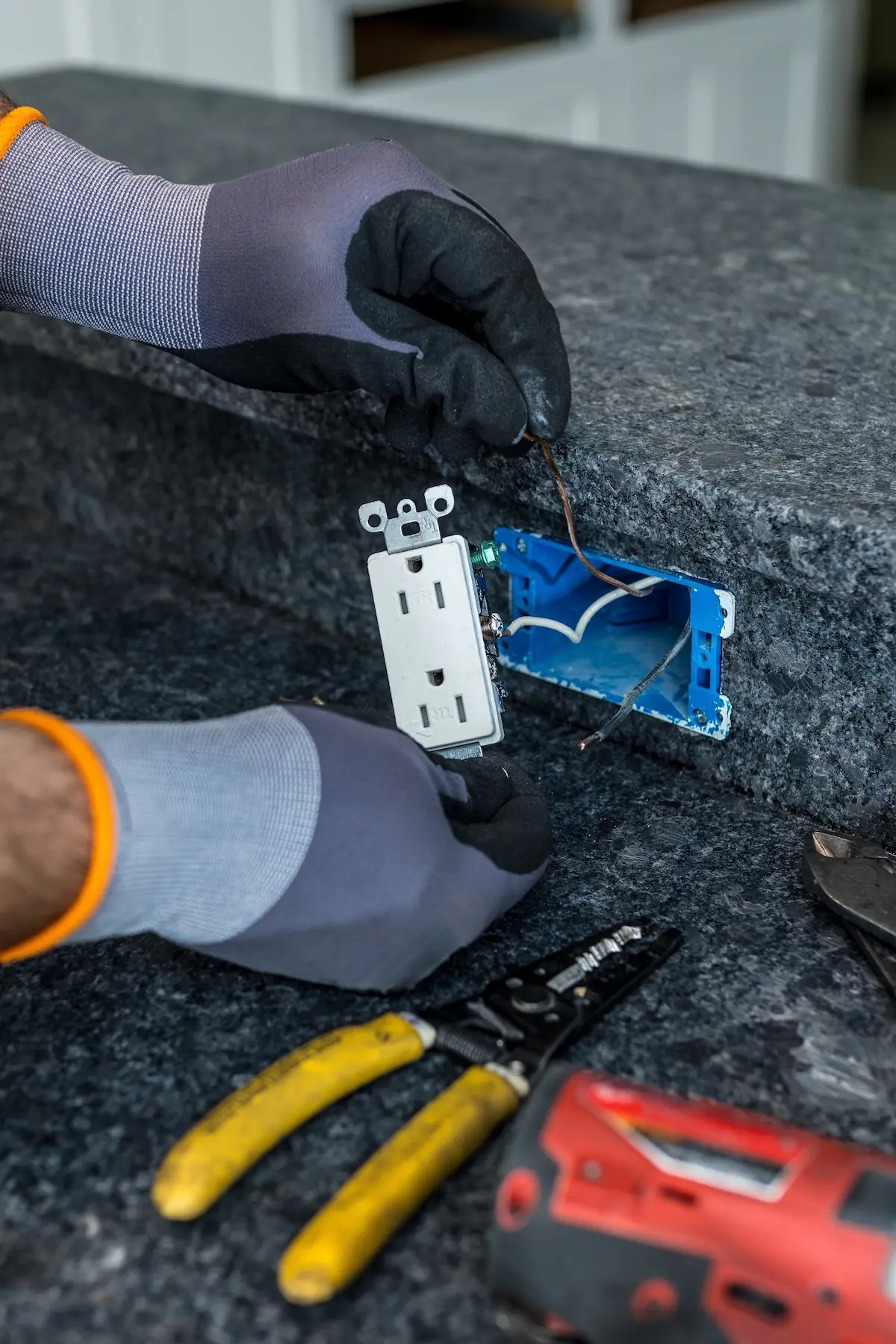
When it comes to home maintenance and safety, few systems are as vital—or as potentially hazardous—as your household electrical grid. Every year, thousands of residential fires and electrocutions occur, many of which could be entirely prevented with modern electrical safety devices. Equipping your home with the proper safeguards is no longer just a recommendation for optimal upkeep; it is a fundamental requirement of modern electrical codes.
However, a significant knowledge gap persists among homeowners. Two acronyms dominate modern electrical safety discussions: AFCI (Arc-Fault Circuit Interrupter) and GFCI (Ground-Fault Circuit Interrupter). While both are life-saving technologies mandated by building codes, they serve entirely different purposes. Confusing the two can leave a home vulnerable to either catastrophic electrical fires or severe shocks.
Understanding how AFCI and GFCI systems function, where they must be installed, and how they work in tandem is essential for every property owner looking to safeguard their living space.
Main Facts: The Core Differences Between AFCI and GFCI
To protect a home comprehensively, a homeowner must first understand the fundamental division of labor between arc-fault and ground-fault protection.
- GFCI (Ground-Fault Circuit Interrupter): Designed primarily to protect people from electrical shock. It constantly measures the current traveling through a circuit and cuts off electricity instantly if it detects a microscopic imbalance (as little as 4 to 6 milliamperes) caused by electricity leaking toward an unintended path, such as water or a human body.
- AFCI (Arc-Fault Circuit Interrupter): Designed primarily to protect property from electrical fires. It detects unintended electrical arcing (sparks) caused by damaged wires, frayed cords, or loose connections, cutting power before the resulting heat can ignite surrounding materials.
"GFCI protection helps protect people from electric shock, while AFCI protection helps protect homes from electrical fires," explains Matthew Luther, a licensed electrical contractor and owner of Luther Electrical in Telford, Pennsylvania. "They solve different problems, and both are important parts of a safe electrical system."
Chronology: The Evolution of Modern Electrical Safety Standards
The integration of advanced circuit protection into residential buildings did not happen overnight. It represents decades of engineering advancements driven by changing safety codes and fire prevention data.
- Pre-1970s: Standard fuses and basic thermal-magnetic circuit breakers were the primary lines of defense. While these devices successfully prevented circuits from overloading and melting wires due to excessive current draw, they were blind to micro-imbalances and low-level arcing.
- The 1970s (The Birth of the GFCI): The National Electrical Code (NEC) began requiring GFCIs, initially for outdoor receptacles and eventually expanding to bathrooms, where the risk of water-related electrocution is highest.
- The Late 1990s to Early 2000s (Introduction of AFCI): Recognizing that thousands of residential fires stemmed from undetected arc faults inside walls—often caused by aging insulation, pinched wires, or punctured cables—electrical engineers developed AFCI technology. The NEC mandated AFCI protection for bedroom circuits starting in the 2002 code cycle.
- Present Day (The Unified Grid and Dual-Function Devices): Modern electrical codes require both AFCI and GFCI protection across vast portions of the home. Today, manufacturers produce dual-function breakers and receptacles that merge both technologies into a single unit, streamlining installation in high-risk areas like kitchens.
Supporting Data: Analyzing Electrical Hazards in the Home
Statistical data from public safety organizations underscores why building authorities continue to expand mandatory AFCI and GFCI requirements in successive updates to the National Electrical Code.
- Electrical Fire Statistics: According to the U.S. Consumer Product Safety Commission (CPSC), home electrical problems account for an estimated 50,000 fires each year, resulting in hundreds of deaths, thousands of injuries, and over $1.3 billion in property damage. A significant percentage of these incidents are traced to arcing faults behind walls.
- Shock and Electrocution Data: Ground faults remain a leading cause of accidental electrocutions in residential settings, particularly in damp environments such as bathrooms, kitchens, and around outdoor swimming pools.
- Sensitivity Thresholds: The human heart is extremely sensitive to electrical current. A standard household circuit delivers 15 to 20 amperes of current—more than enough to cause ventricular fibrillation and death. A GFCI device reacts to current leaks as small as 4 to 6 milliamperes (0.004 to 0.006 amps) within milliseconds, well below the threshold of fatal cardiac disruption.
Deep Dive: AFCI vs. GFCI Mechanics
What Is AFCI Protection?
AFCI protection can be integrated into the home via individual AFCI outlets or, more commonly, through AFCI circuit breakers installed directly in the main electrical panel.
"AFCI protection detects dangerous electrical arcing that a standard breaker may not recognize," Luther explains. "Those arcs can be caused by damaged wires, loose connections, or worn cords, and they can create enough heat to start a fire if they’re left unchecked."
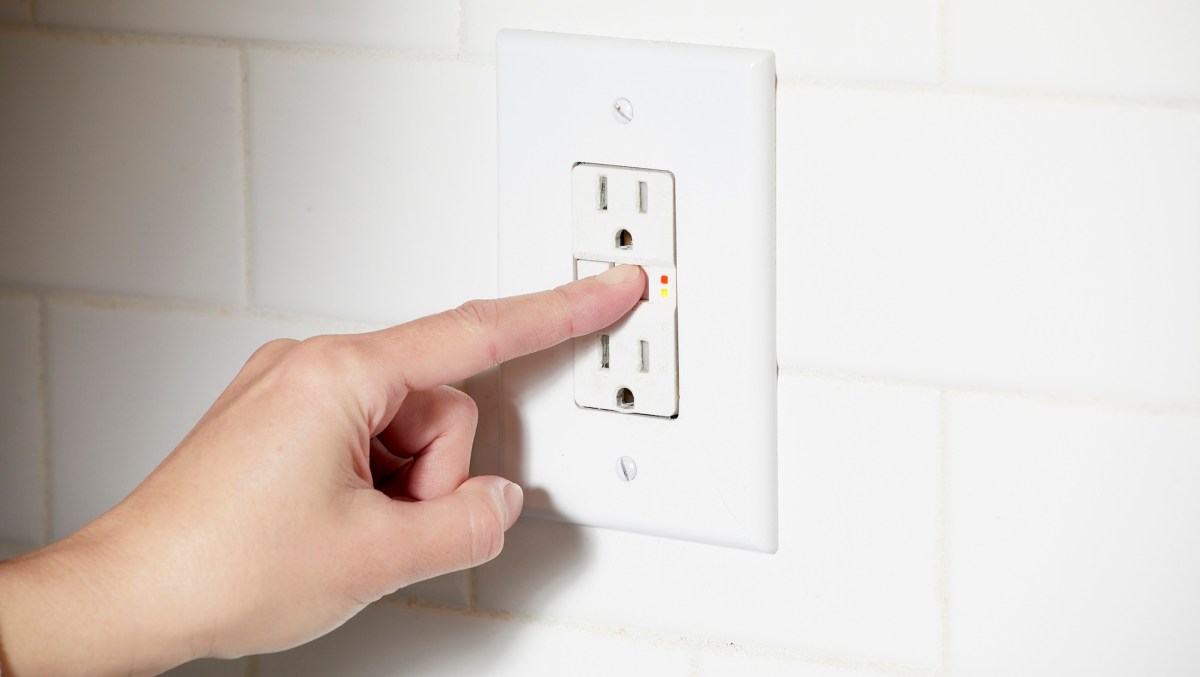
Advanced microprocessors inside AFCI devices continuously analyze the wave patterns of the electrical current. They are programmed to distinguish between benign, normal arcs—such as the tiny spark you see when plugging a vacuum cleaner into a wall outlet—and erratic, dangerous arcs caused by damaged or failing conductors.
While AFCI outlets protect specific locations, AFCI breakers guard the entire circuit from the electrical panel all the way to the first outlet, covering the vulnerable wiring hidden inside walls.
Where Should AFCI Protection Be Installed?
Because AFCI devices guard against fire hazards stemming from compromised wiring and cords, they are standard in the dry, living areas of a home.
"Today’s electrical codes require AFCI protection in most living areas of the home, such as bedrooms, living rooms, family rooms, dining rooms, hallways, and similar spaces where people spend their time," Luther notes. "The exact requirements depend on the electrical code adopted by your local jurisdiction."
What Is GFCI Protection?
Many homeowners remain unfamiliar with the mechanics or even the definition of a Ground-Fault Circuit Interrupter, despite interacting with them daily in kitchens and bathrooms.
"GFCI protection is designed to prevent electric shock," says Luther. "It constantly monitors the flow of electricity and shuts the power off almost instantly if it detects current leaking where it shouldn’t, like through a person to ground."
A GFCI device continuously compares the amount of electrical current going out on the hot wire and returning on the neutral wire. Under normal operating conditions, these values are identical. However, if a hair dryer falls into a filled bathtub, a power tool gets wet in the rain, or a user touches a frayed cord, some of the current finds an alternative (and dangerous) path to the ground. The moment the GFCI senses this minuscule imbalance, it trips, cutting off the electricity within milliseconds.
Where Should GFCI Outlets Be Installed?
GFCI protection is mandated in locations where moisture and electricity are likely to intersect.
"That includes bathrooms, kitchens, garages, unfinished basements, laundry areas, outdoor outlets, and other damp or wet locations," Luther advises.
Additionally, GFCI protection is vital for exterior spaces featuring swimming pools, hot tubs, or landscape lighting, where rain and splashing create high shock risks. Homeowners can verify if they have AFCI breakers by inspecting their breaker box: AFCI breakers resemble standard single-pole circuit breakers but feature a distinct "TEST" button.
Official Responses and Industry Best Practices
Electrical inspectors, contractors, and safety regulators frequently address common misconceptions regarding how these two safety devices interact. One of the most persistent questions homeowners ask is whether AFCI and GFCI devices conflict with or "cancel out" each other when used on the same circuit.
According to electrical engineering experts, AFCI and GFCI protection do not cancel each other out. In fact, combining them is standard practice in modern construction.
- Upstream vs. Downstream Configurations: It is entirely acceptable—and common—to install a GFCI outlet downstream from an AFCI circuit breaker. "Downstream" simply refers to any electrical component positioned farther along the path of current flow away from the main panel.
- Dual-Function Solutions: To simplify compliance and enhance safety, manufacturers now offer dual-function AFCI/GFCI breakers and receptacles. These all-in-one units monitor for both dangerous arcing and ground-fault current leaks simultaneously. They are frequently installed in high-risk zones like kitchens, where both fire and water hazards are present.
Practical Implications: Testing and Maintaining Your Safety Devices
Installing safety devices is only the first step; maintaining them ensures they perform when emergencies arise. Electrical experts recommend testing AFCI and GFCI outlets and breakers at least twice a year.
How to Test AFCI and GFCI Protection
Testing your system is a straightforward process that requires nothing more than a standard household lamp:
- Plug a lamp into the outlet you wish to test and turn the lamp on.
- Press the "Test" button on the face of the outlet (or the circuit breaker).
- Verify power loss: The power to the lamp should cut off immediately. If the lamp remains illuminated, the device is faulty and must be replaced by a qualified electrician.
- Restore power: Press the "Reset" button to restore electrical flow.
For modern dual-function AFCI/GFCI outlets equipped with LED indicator lights, pay close attention to blink patterns. A specific sequence of flashes upon startup or after a trip can indicate whether the device was triggered by an arc fault, a ground fault, or an internal self-test failure (exact diagnostic codes vary by manufacturer).
Are All Homes Required to Have Both?
While upgrading every circuit in an older home is not always legally retroactive depending on local real estate laws, prioritizing upgrades in high-risk zones is vital. AFCI protection targets dry living spaces prone to wiring wear, while GFCI protection safeguards damp zones prone to water contact. Investing in these relatively affordable technologies is one of the most effective ways to secure your property, protect your family, and achieve complete peace of mind.
