

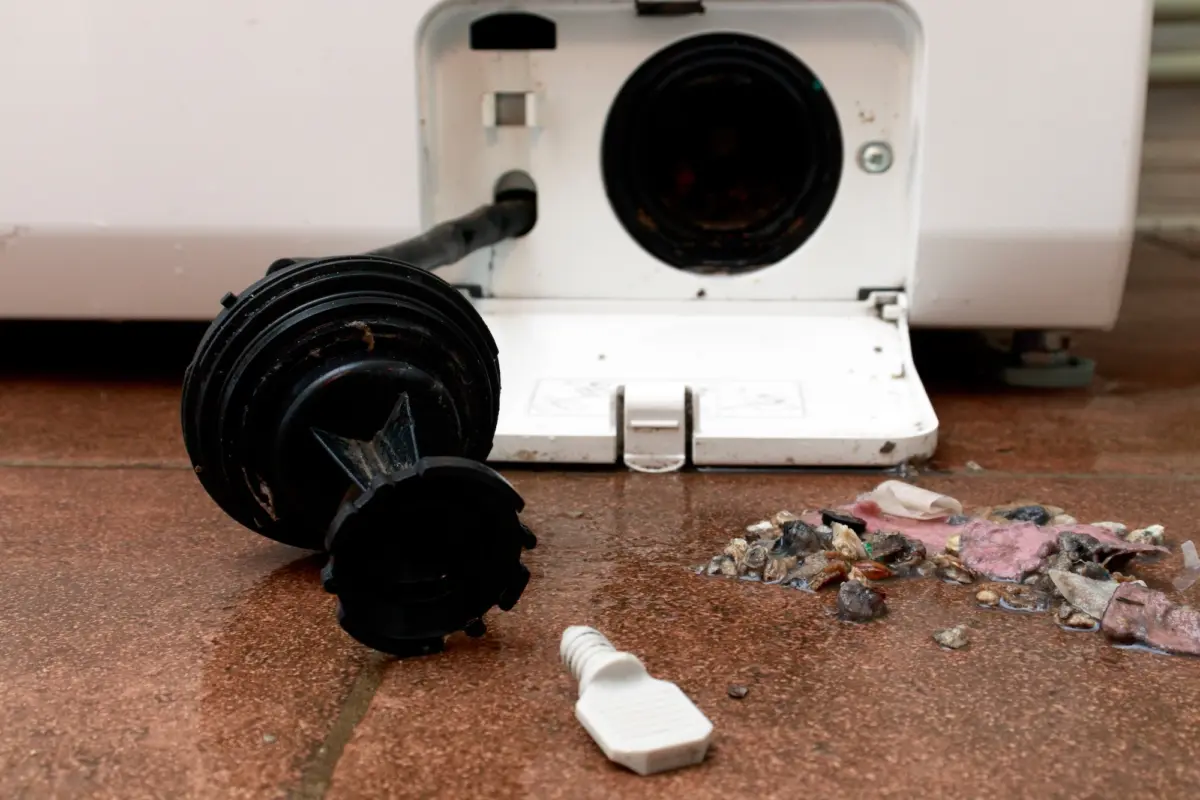
WASHINGTON — While every household with a dryer is well-versed in the routine of peeling a thick sheet of gray fuzz from the lint trap before every cycle, a critical appliance maintenance chore remains widely overlooked. Millions of homeowners diligently clean their dryers to prevent fire hazards, yet they remain entirely unaware that their washing machines also accumulate lint, pet hair, coins, and debris.
According to appliance repair technicians, plumbers, and flood remediation experts, neglecting this hidden component can lead to sluggish drainage, foul odors, clothes covered in fuzz, and even catastrophic water damage.
Main Facts: The Drain Pump Filter Phenomenon
Unlike clothes dryers, which feature easily accessible mesh screens specifically designed to capture lint during the drying cycle, washing machines do not feature a dedicated, standalone "lint trap" in the drum. Instead, modern front-load and high-efficiency top-load washers rely on an internal component known as a drain pump filter (sometimes referred to as a debris filter or coin trap).
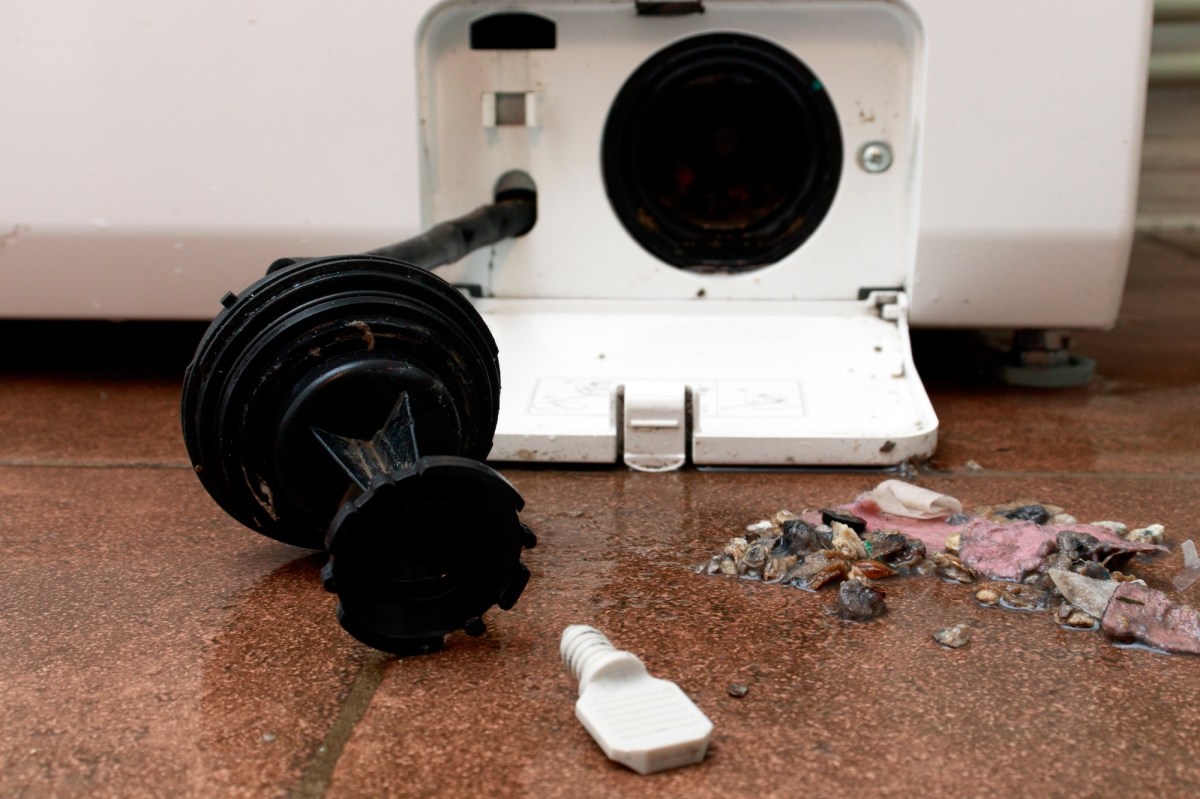
What the Drain Pump Filter Does
- Catches Debris: As water drains from the wash tub, the filter intercepts foreign objects—such as bobby pins, tissues, pet fur, coins, and loose lint—preventing them from damaging the delicate impeller blades of the water drainage pump.
- Prevents Blockages: Over months of use, accumulated fibers and soap scum form a dense mat inside the filter housing, severely restricting water flow.
- Odor Control: Stagnant water trapped behind a clogged filter creates an ideal breeding ground for mold, mildew, and bacteria, leading to persistent, foul odors that can permeate freshly washed garments.
Veteran plumbers note that a blocked drain pump filter is among the top culprits behind service calls for "washer won’t drain" complaints. While a neglected dryer filter presents a well-known fire hazard, a neglected washing machine filter presents a flood hazard. When water cannot exit the tub efficiently, error codes trigger, machines halt mid-cycle, and residual water can overflow onto flooring.
Chronology: From First Wash to Total Drainage Failure
Understanding how debris builds up over time highlights why routine maintenance is indispensable. The lifecycle of a neglected washing machine filter typically unfolds in distinct stages:
- Months 1 to 2 (The Accumulation Phase): Every time clothes are washed, microscopic fabric fibers break free. In households with heavy laundry loads, households with shedding pets, or individuals who frequently leave tissues or receipts in their pockets, millions of micro-fibers head down the drain line daily. They begin to line the mesh of the drain pump filter.
- Months 3 to 6 (The Restriction Phase): The trapped fibers mingle with hair, detergent residue, and hard water minerals to form a gelatinous paste or a dense felt-like mat. Water begins to drain slower than normal. Users may notice that spin cycles leave clothes wetter than usual because the water cannot escape quickly enough.
- Months 6 to 12+ (The Failure Phase): The filter becomes completely occluded. The drainage pump motor strains against the blockage, overheating or burning out entirely. Alternatively, pressure builds within the discharge hose, forcing water out of loose seals or back-flowing into the drum. At this stage, the washing machine either refuses to turn on, flashes a drainage error code (such as "ND" or "E20"), or leaves the user facing a full tub of standing water that must be manually bailed out.
Supporting Data: Frequency, Risk Factors, and Best Practices
Appliance manufacturers and home maintenance experts strongly recommend checking and cleaning the washing machine filter every one to three months. However, certain household conditions demand a more aggressive schedule:
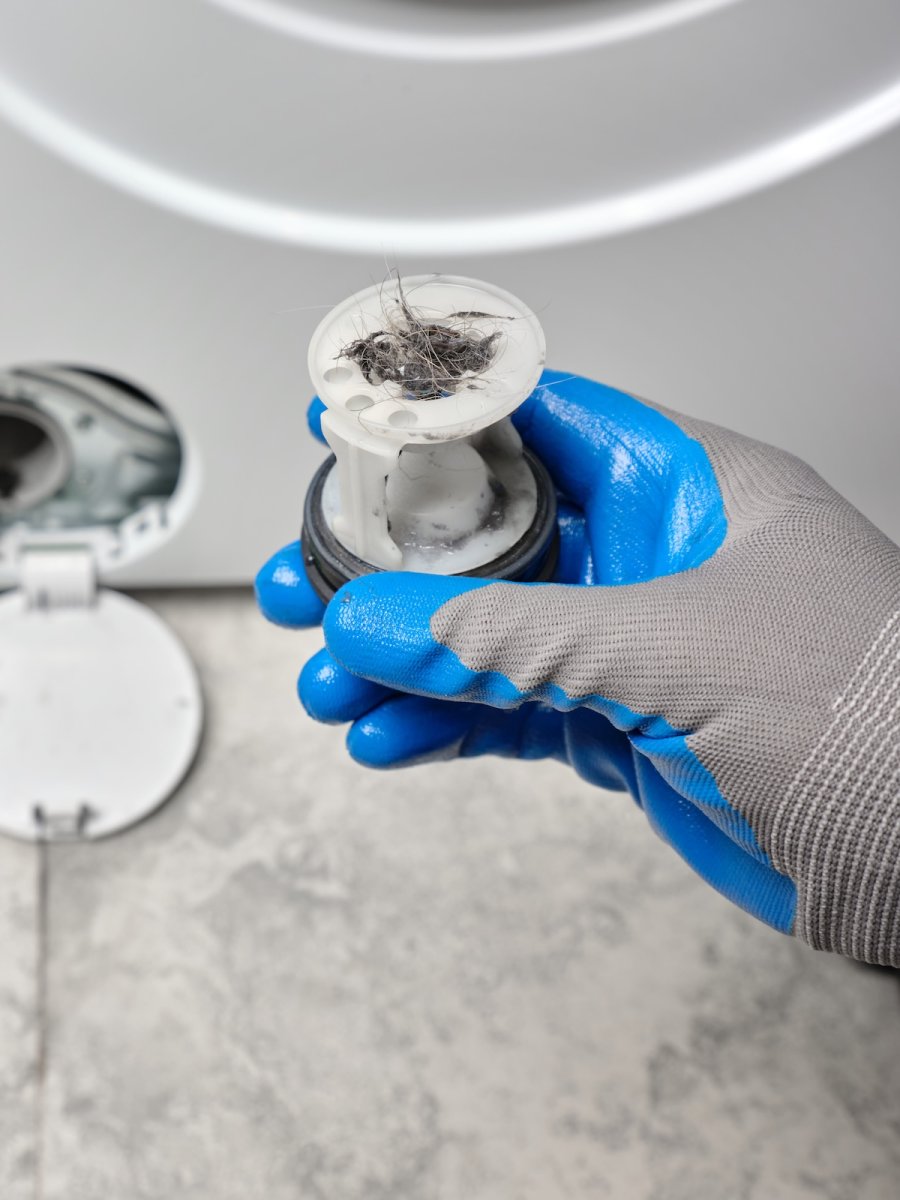
Who Needs More Frequent Cleanouts?
- Pet Owners: Dog and cat hair is notorious for bypassing standard wash cycles and matting together in the drain filter, accelerating clogs.
- Heavy Laundry Households: Families running five or more loads a week generate significantly higher volumes of loose lint.
- Pocket Neglectors: Households with children or individuals prone to leaving paper items, tissues, or small plastic objects in pockets will see their filters clog rapidly.
How to Clean a Front-Load Washing Machine Filter
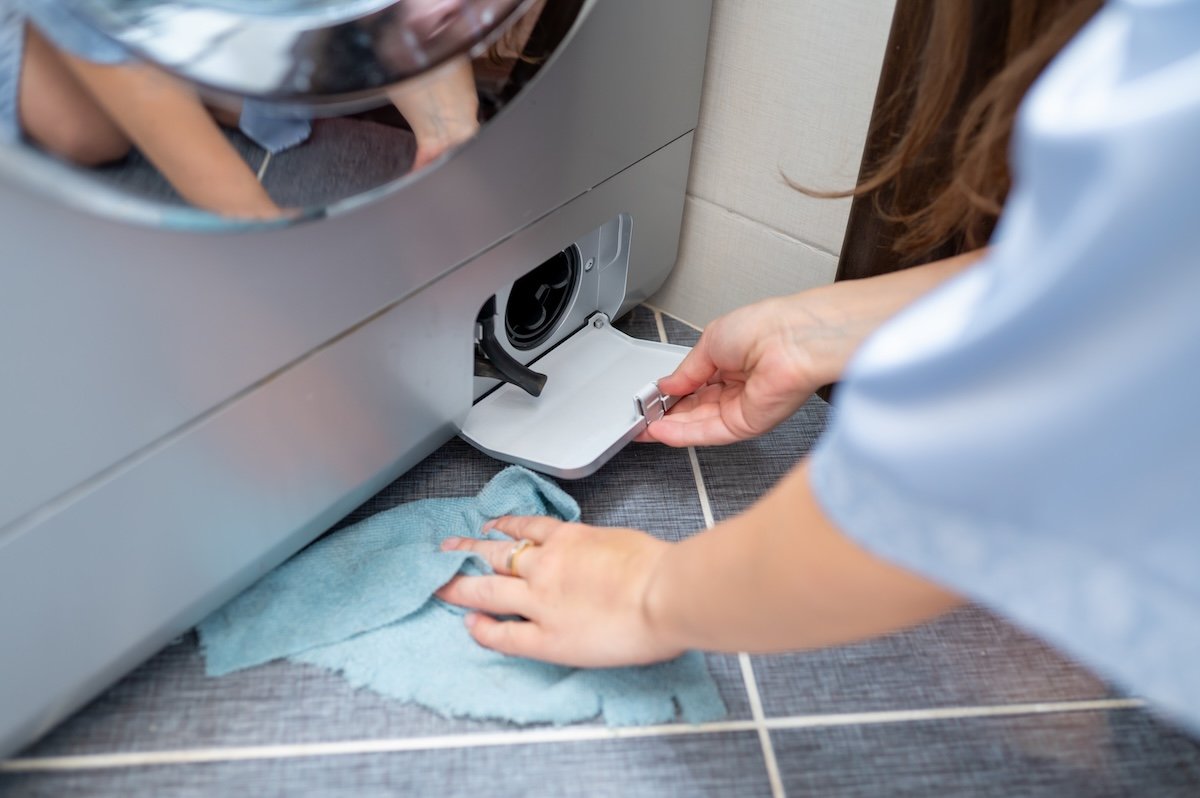
Because front-load washers rely on gravity and water-saving low-water levels, their drain pumps sit near the floor behind a small service panel. Cleaning them requires a methodical approach:
- Prepare for Water Spillage: Open the small service access door located at the bottom front corner of the machine. Place a shallow baking pan or a stack of old towels directly beneath the filter housing to catch residual water left in the system.
- Drain the Emergency Hose: Most front-load models feature a tiny black rubber emergency drain tube next to the filter cap. Pull it out, remove the plug, and let the remaining water empty into your shallow container.
- Unscrew the Filter: Slowly turn the main filter cap counter-clockwise. Pro tip: Do not unscrew it all at once, or water will rush out uncontrollably. Let it trickle out slowly.
- Scrub and Soak: Pull the filter completely out. Remove all hair, lint, and trapped debris. For stubborn mineral deposits or soap scum, submerge the filter in a 1:1 solution of warm water and white vinegar for 15 to 30 minutes, then scrub it gently with a soft brush.
- Inspect and Reinstall: Check the interior housing cavity for any coins or foreign objects stuck inside. Screw the filter firmly back into place (do not overtighten, or you may strip the plastic threads), close the access door, and run a short rinse cycle to test for leaks.
How to Clean a Top-Load Washing Machine Filter
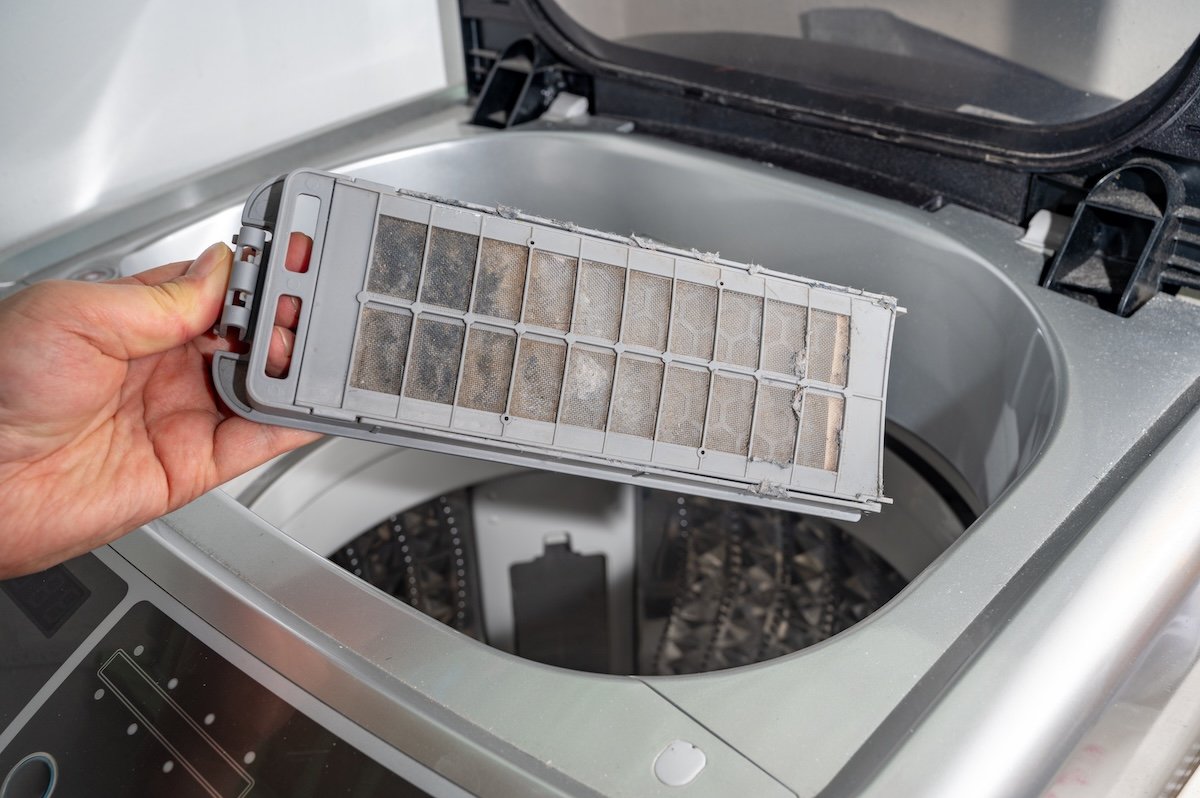
Top-load washers vary widely by brand. Some traditional models feature a self-cleaning pump, while others house a removable mesh filter tucked behind the agitator, along the top rim of the inner tub, or integrated into the drain hose.
- Check the Manual: Due to design variances between brands like Whirlpool, Samsung, LG, and GE, always consult the user manual to locate the specific trap.
- Soak and Rinse: If your top-loader uses a removable mesh trap, slide it out, brush away accumulated lint, and soak it in warm soapy water or vinegar before snapping it back into position.
- Consider Aftermarket Additions: For homes experiencing excessive lint issues, homeowners can install a secondary Washing Machine Lint Trap with Tie directly onto the end of the discharge hose where it empties into the laundry tub. These inexpensive mesh sleeves catch stray fuzz before it reaches household plumbing lines.
Official Responses and Industry Insights
Major appliance brands have increasingly emphasized preventative maintenance in response to service call data showing that a high percentage of warranty claims are caused by user neglect rather than mechanical failure.
"Consumers are conditioned to look at the dryer filter, but the laundry ecosystem is a two-part system," notes a veteran technical support representative for a leading home appliance manufacturer. "When a washer can’t drain, customers immediately assume the pump is defective. In more than half of those service visits, our technicians simply pull out a clogged filter packed with pet hair, coins, and calcified lint. Educating consumers on this simple bi-monthly task saves them hundreds of dollars in unnecessary repair fees."
Plumbing industry associations echo these sentiments, noting that excessive lint escaping into household drain lines can contribute to sluggish home plumbing and clogs further down the line, particularly in older homes with narrow or compromised drainage pipes.
Implications: Saving Money and Extending Appliance Lifespan
The implications of adopting a regular washing machine maintenance routine are clear: financial savings and enhanced appliance longevity.
- Cost Avoidance: Professional appliance repair visits often carry steep diagnostic and labor fees, frequently exceeding $150 to $200 just to clear a blocked pump or replace a burnt-out motor—costs that can be entirely avoided with a 10-minute DIY cleaning session.
- Improved Cleaning Performance: Removing blockages ensures that wash cycles execute at optimal water temperatures and speeds, leaving clothes genuinely clean and free of lingering odors or transferred fuzz.
- Peace of Mind: Taking proactive control of household appliances prevents sudden emergencies, such as discovering a flooded utility room on a busy weekend morning.
As spring cleaning checklists and routine home maintenance guides continue to evolve, home economists stress that the washing machine drain pump filter deserves a permanent, recurring spot on every homeowner’s calendar. By expanding our laundry maintenance habits from just the dryer to the entire washing machine system, households can ensure smoother operations, fresher clothes, and a significantly longer lifespan for their laundry investments.
