

By Brad Bourque
Portland, Oregon
In the sprawling ecosystem of modern gaming peripherals, finding the sweet spot between high-end performance, cross-platform versatility, and ergonomic comfort has long been a challenge. Many manufacturers load their flagship headsets with a litany of extra features, resulting in heavy, cumbersome frames that strain the neck and cause fatigue during marathon gaming sessions. However, a major retail discount has brought one of the market’s most balanced audio solutions down to an unprecedented price point.
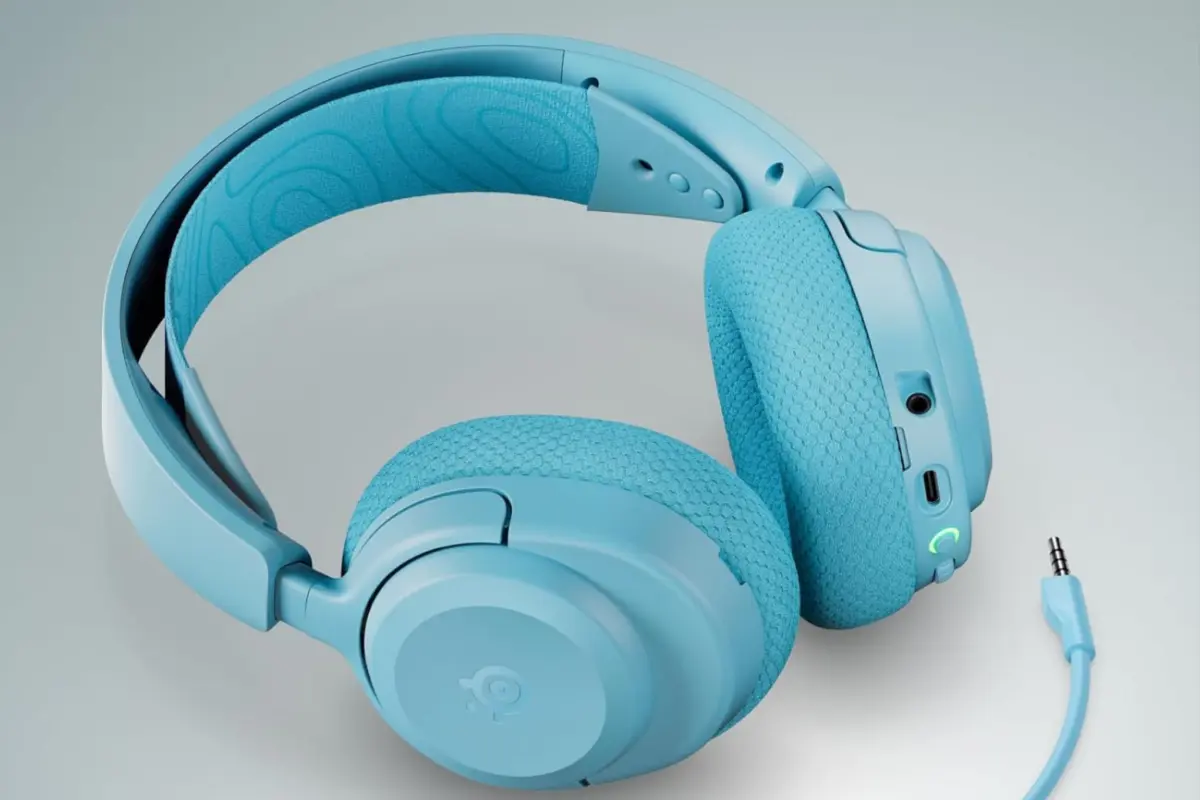
Shoppers looking for a lightweight, highly compatible audio upgrade can currently find the SteelSeries Arctis Nova 3P Wireless Multi-Platform Gaming Headset on sale at Woot. Normally retailing for $109.99, the eye-catching cyan variant is currently discounted by 45 percent, bringing the final price down to just $59.99.
This substantial price cut makes the feature-rich peripheral one of the most compelling audio values currently available on the market, bridging the gap between budget constraints and premium performance.
Main Facts: What Makes the Arctis Nova 3P Stand Out?
The SteelSeries Arctis Nova 3P has carved out a distinct reputation in the gaming community for prioritizing user comfort without sacrificing acoustic fidelity or connectivity options.
- Significant Price Reduction: Originally launched at $109.99, the headset is available via Woot for $59.99, representing a savings of $50.
- Ergonomic Design: Borrowing design principles from SteelSeries’ higher-end lineups, the Nova 3P features a signature stretchy, ski-goggle-style suspension headband designed to distribute weight evenly across the crown of the head, effectively neutralizing the heft that plagues competing models.
- Versatile Connectivity: The headset supports dual-wireless functionality, offering both a low-latency 2.4GHz wireless connection via a compact USB-C dongle for gaming, and traditional Bluetooth connectivity for phone calls, media playback, and mobile gaming on the go.
- Expansive Platform Compatibility: Out of the box, the Nova 3P is engineered to work seamlessly across a broad array of modern ecosystems, including Windows and macOS personal computers, Sony PlayStation consoles, Nintendo Switch (as well as forward-compatibility considerations for upcoming hardware like the rumored Switch 2), and mobile devices running Android and iOS.
- Robust Battery Metrics: SteelSeries advertises up to 40 hours of continuous playback on a single charge, paired with a fast-charging USB-C capability that yields up to nine hours of gaming utility from a mere 15-minute charge.
- Customization and Software Support: Users can leverage the official SteelSeries companion app, which provides access to over 200 game-specific equalizer (EQ) profiles tailored to boost specific audio cues, such as isolating enemy footsteps in competitive first-person shooters or enriching orchestral scores in cinematic role-playing games.
- Portability: The inclusion of a removable boom microphone transforms the gaming headset into a sleek pair of everyday over-ear headphones suitable for public commuting or office work.
Chronology: The Evolution of SteelSeries’ Nova Line
To understand why the current Woot discount on the Arctis Nova 3P is generating significant buzz among tech journalists and bargain hunters alike, it is helpful to trace the chronological rollout of SteelSeries’ audio architecture.
The Foundation of the Nova Architecture
For years, SteelSeries relied on its classic Arctis design language—characterized by aluminum frames, dual-band suspensions, and distinct circular earcups. While critically acclaimed, the market shifted rapidly toward multi-platform integration. Gamers increasingly demanded headsets that could transition effortlessly from a PlayStation console in the living room to a Nintendo Switch on a train, and finally to a Windows PC for remote work or evening matches.
Introduction of the Nova Series
In response to these shifting consumer habits, SteelSeries introduced the Nova acoustic system. This overhaul focused on three main pillars: custom-designed high-fidelity audio drivers, 360-degree spatial audio capabilities, and a radically redesigned, lightweight chassis.
- Late 2022 – Early 2023: SteelSeries rolled out the initial waves of the Arctis Nova family, ranging from entry-level wired units to ultra-premium wireless flagships like the Nova Pro. While the Pro models offered swappable batteries and active noise cancellation (ANC), their hefty price tags—often exceeding $300—pushed them out of reach for casual players.
- Mid-to-Late 2024: Recognizing a gap in the mid-tier market, the company began refining its wireless offerings to bridge the performance gap without crossing the triple-digit psychological barrier. The introduction of variants like the 3P aimed to deliver core acoustic tuning and seamless dual-wireless connectivity at a more palatable MSRP.
- Present Day (2026): Retailers like Woot have stepped in to clear out inventory or offer aggressive promotional pricing, dropping the cost of these versatile mid-tier units to historic lows. At $59.99, the Arctis Nova 3P represents the culmination of years of iterative design, making professional-grade comfort and multi-platform utility accessible to a wider demographic.
Supporting Data: Audio Performance and Battery Benchmarks
When evaluating gaming headsets in the sub-$100 category, compromises are frequently made in build quality, latency, or battery longevity. However, industry testing and technical specifications indicate that the Arctis Nova 3P punches well above its promotional weight class.
Weight Distribution and Ergonomics
Heavy headsets—often weighing upwards of 350 to 400 grams—frequently cause hotspot pressure points on the top of the skull after two or three hours of continuous use. The Arctis Nova 3P utilizes a lightweight plastic and composite construction anchored by its elastic suspension strap. This design cradles the head rather than resting heavy, rigid plastic directly against the scalp. The breathable fabric ear cushions further mitigate heat buildup, a common complaint during extended summer gaming sessions.
Latency and Wireless Fidelity
Bluetooth connections, while convenient for mobile phones, inherently introduce audio lag that can ruin fast-paced competitive gaming experiences where split-second audio cues dictate survival. SteelSeries solved this by bundling a ultra-compact 2.4GHz USB-C dongle. Operating on a proprietary wireless protocol, this dongle bypasses Bluetooth latency entirely, delivering uncompressed, real-time audio synchronization that rivals traditional wired connections.

Simultaneously, the inclusion of dual-wireless functionality means users can stay connected to their smartphone via Bluetooth while listening to game audio from their console or PC, allowing them to take phone calls or listen to external audio streams without removing the headset.
Battery Life and Fast-Charging Metrics
Real-world battery tests on modern wireless headsets often reveal discrepancies between manufacturer claims and actual use, largely dependent on volume levels and LED usage.
- Claimed Endurance: 40 hours total battery life.
- Practical Application: At moderate listening volumes utilizing the 2.4GHz dongle, users routinely report between 35 and 38 hours of actual playback time—translating to roughly a full work week or several weeks of casual evening gaming before requiring a recharge.
- Fast-Charge Utility: For forgetful gamers who plug in their devices at the last minute, the USB-C fast-charge feature delivers remarkable utility. A 15-minute charge yielding up to 9 hours of operational life ensures that downtime is kept to an absolute minimum.
Official Responses and Industry Reception
The broader tech journalism community and consumer advocacy networks have largely lauded the strategy behind SteelSeries’ mid-tier pricing adjustments. Industry analysts point out that as consumer discretionary spending tightens, hardware manufacturers must rely on aggressive promotional partnerships with liquidators and major discount platforms—such as Woot, Amazon, and Best Buy—to maintain high sales volume.
In official statements regarding the broader Nova lineup, SteelSeries representatives have consistently emphasized democratization of high-end audio features. "Gamers shouldn’t have to choose between ergonomic comfort, elite spatial awareness, and financial sanity," noted a company product manager during a recent hardware showcase. "By scaling our proprietary acoustic systems and software ecosystems down into versatile, everyday packages, we aim to provide a frictionless audio experience regardless of what platform our community chooses to play on."
Reviewers from premier tech publications, including Digital Trends, Business Insider, and WIRED, have echoed these sentiments. While initial reviews noted that the original $109.99 MSRP placed the headset in direct competition with several feature-dense alternatives, the current $59.99 promotional price point effectively eliminates competing friction. Critics highlight that at this reduced price, the addition of the SteelSeries GG software suite—and its library of over 200 tailored EQ profiles—provides a level of software polish rarely seen in entry-to-mid-level gaming audio equipment.
Implications: What This Means for Gamers and the Peripheral Market
The aggressive discounting of high-compatibility, lightweight gaming headsets like the SteelSeries Arctis Nova 3P signals several broader shifts within the consumer electronics and gaming industries.
1. The Death of Single-Platform Proprietary Headsets
Historically, console manufacturers (such as Sony and Microsoft) heavily incentivized proprietary ecosystems, forcing consumers to purchase distinct headsets optimized exclusively for PlayStation or Xbox hardware. The rise of universal USB-C dongles and dual-wireless connectivity (combining 2.4GHz and Bluetooth) has shattered these artificial barriers. The Nova 3P’s ability to transition seamlessly across PC, Sony platforms, mobile devices, and Nintendo hardware reflects a consumer-first philosophy that the market is rapidly demanding as standard.
2. Shifting Value Propositions in Budget Audio
As inflation and economic pressures influence consumer spending habits, shoppers are increasingly hesitant to spend upward of $150 to $200 on casual gaming accessories. Retail promotions like Woot’s 45 percent discount demonstrate that brands are willing to compress profit margins to capture market share among budget-conscious gamers. This dynamic forces rival manufacturers (such as Razer, Logitech, and Corsair) to continually innovate and aggressively price their own mid-tier offerings to remain competitive.
3. The Importance of Software-Driven Longevity
Hardware is no longer evaluated solely on its physical components; software integration plays a vital role in consumer satisfaction. The inclusion of customized EQ profiles via the SteelSeries application illustrates how firmware updates and software tools can extend the lifecycle and utility of a peripheral. For a buyer investing $59.99, the promise of continually updated game profiles ensures that the headset remains relevant as new titles are released.
Conclusion
For gamers currently navigating the crowded landscape of audio accessories, the current Woot deal on the SteelSeries Arctis Nova 3P offers a rare convergence of deep discount, proven ergonomic comfort, and multi-platform utility. Whether upgrading from an aging wired headset or seeking a reliable, lightweight travel companion that bridges mobile devices and home consoles, this 45 percent markdown transforms a solid mid-tier contender into an absolute steal.
