

By Automotive News Desk
Published: August 2026
Main Facts
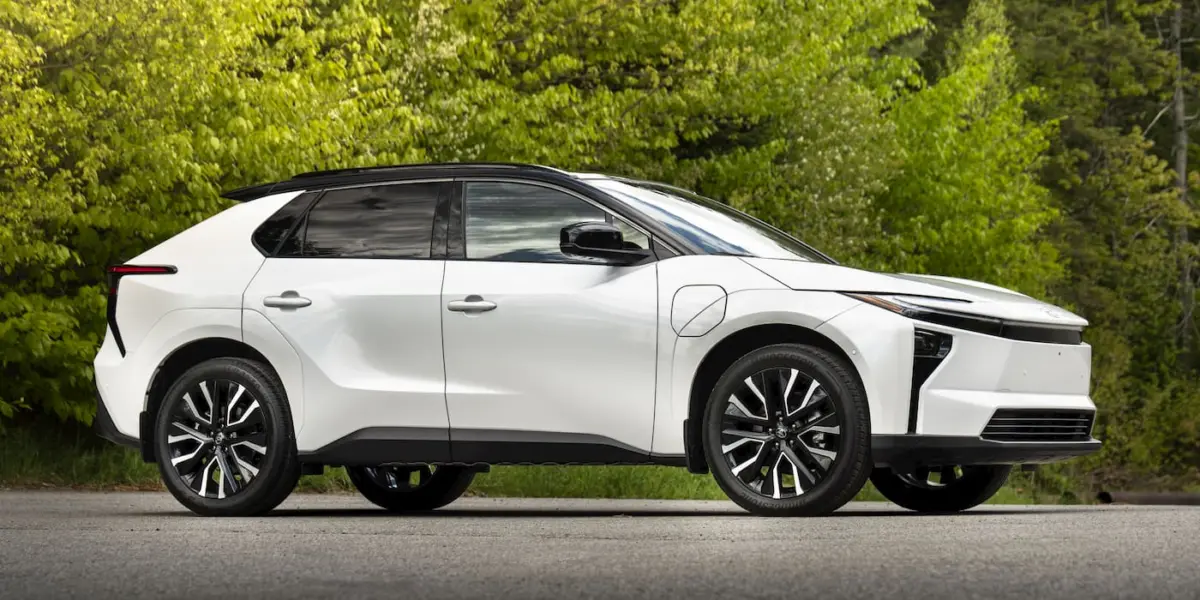
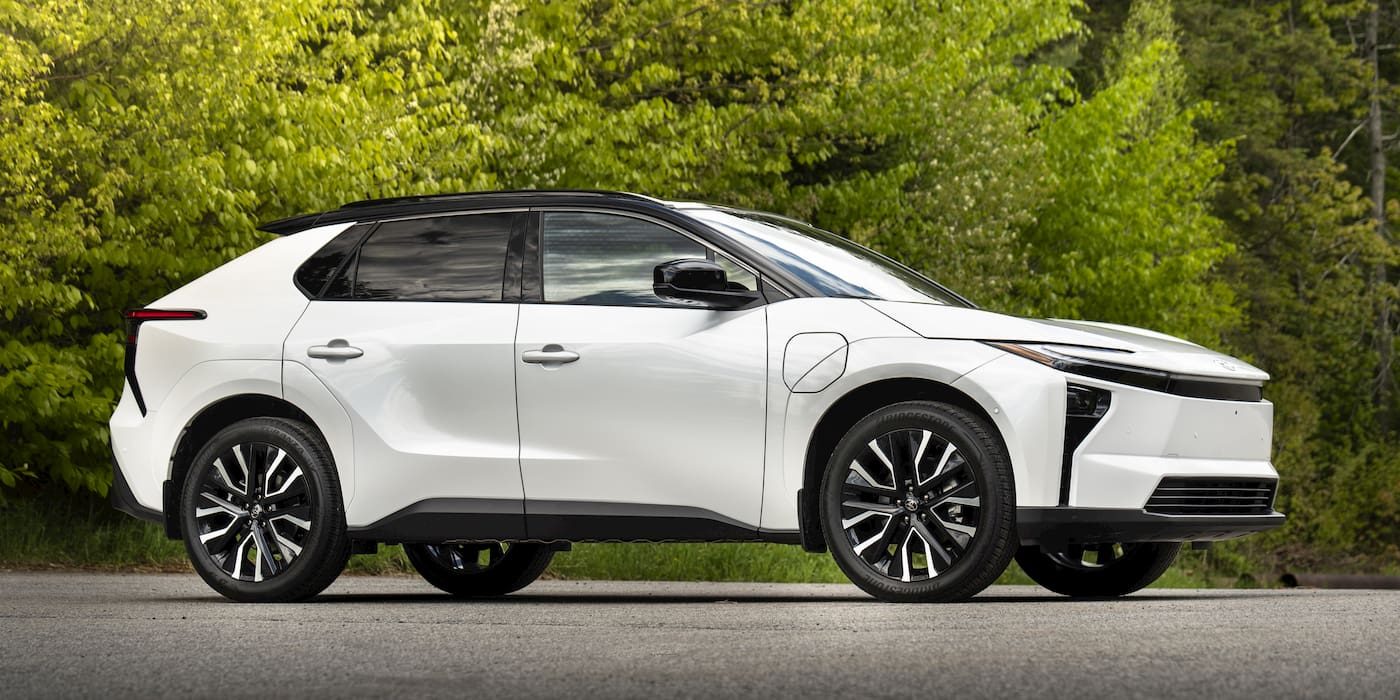
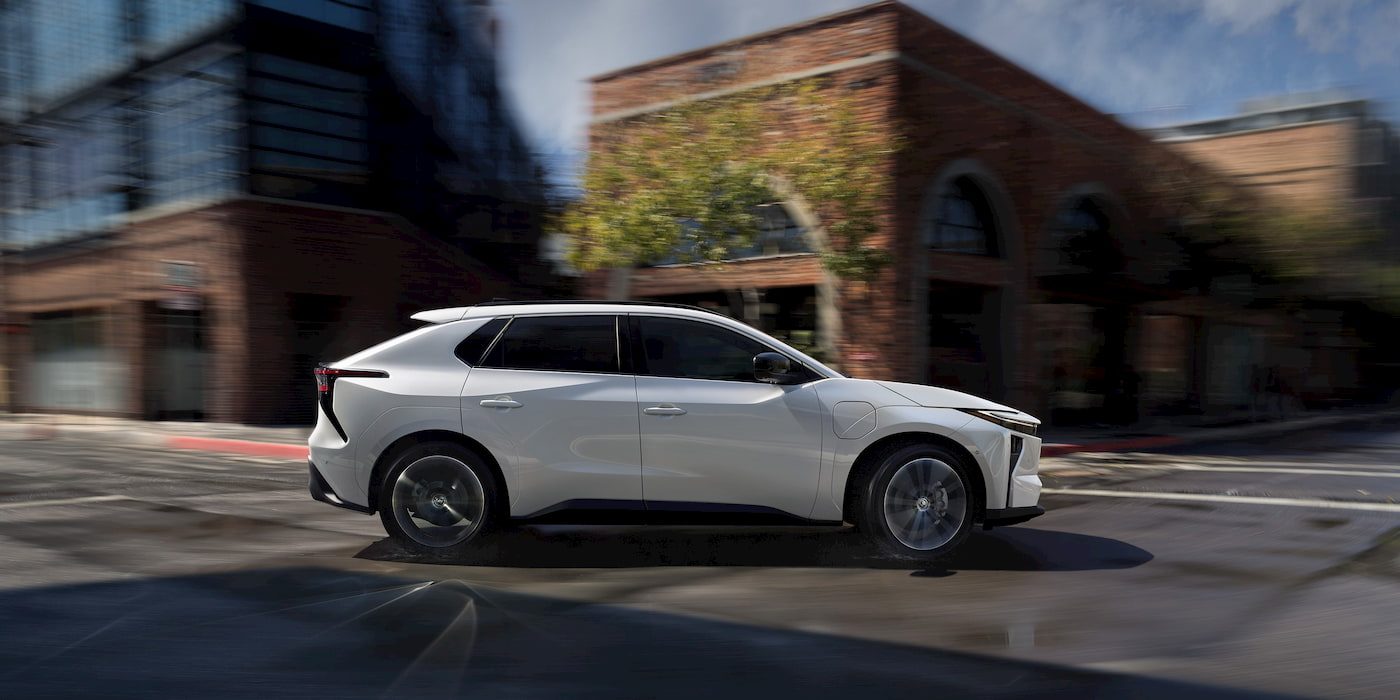
Toyota has officially detailed the pricing, specifications, and regional availability for the highly anticipated 2027 Toyota bZ. Building on the immense momentum of its critically acclaimed 2026 predecessor—which swiftly climbed the charts to become the fourth best-selling electric vehicle in the United States during the first half of the year—the Japanese automaker is keeping entry-level pricing remarkably accessible.
In the United States, the 2027 Toyota bZ starts at $34,980 (excluding a mandatory $1,595 delivery, processing, and handling fee), preserving its position as one of the most competitively priced mainstream battery-electric SUVs on the market. Up north, Canadian buyers can secure the vehicle starting at CA$45,985 (before regional fees and taxes).

For the 2027 model year, Toyota has focused its engineering efforts on resolving historical EV pain points. The refreshed electric SUV introduces a native North American Charging Standard (NACS) port—allowing seamless, adapter-free access to Tesla’s vast Supercharger network—alongside battery preconditioning for cold-weather performance, Plug & Charge capabilities, enhanced driving ranges, increased motor output, and a heavily revamped interior layout.
The vehicle will be offered in both XLE and Limited trims, configured with either Front-Wheel Drive (FWD) or All-Wheel Drive (AWD), and powered by two distinct battery capacities: 57.7 kWh and 74.7 kWh (with a 77 kWh variant tailored for specific Canadian specifications). US dealerships are slated to receive their first shipments of the 2027 bZ starting in September, while Canadian showrooms already have the model on sale.
Chronology: The Evolution to the 2027 bZ
To understand the strategic significance of the 2027 model year, one must look back at how Toyota’s electric vehicle roadmap has matured.
- The Early Struggles: When Toyota initially launched its dedicated battery-electric platform efforts under the "bZ" (Beyond Zero) umbrella, industry critics and consumers alike pointed out limitations in driving range, charging infrastructure adaptability, and interior utility compared to competitors like Tesla and Hyundai.
- The 2026 Turning Point: Recognizing the fast-shifting market dynamics, Toyota rolled out a comprehensive mid-cycle refresh for the 2026 model year. This update dramatically boosted driving ranges, refined driving dynamics, and elevated cabin luxury. The gamble paid off: the vehicle surged in popularity, securing the fourth-place spot among all best-selling EVs in the US during the first half of 2026.
- The 2027 Refinement: Capitalizing on this newfound market traction, Toyota is treating the 2027 model year as a continuation of user-centric refinement. Rather than executing a total ground-up redesign, the company has doubled down on infrastructural integration—most notably standardizing the NACS port—and optimizing battery chemistry to maximize thermal efficiency and range retention.
Supporting Data: Trims, Pricing, Battery Packs, and Range
The 2027 Toyota bZ lineup is structured to provide buyers with scalable choices depending on their daily commuting habits and climate needs.
US Market Pricing and Specifications
Toyota is offering the US lineup across five distinct trim configurations, utilizing two battery sizes (57.7 kWh and 74.7 kWh).
| 2027 Toyota bZ Trim | Battery Capacity | EPA-Estimated Range | Horsepower | Starting Price (Excl. $1,595 DPH) |
|---|---|---|---|---|
| XLE FWD | 57.7 kWh | 236 miles | 165 hp | $34,980 |
| XLE FWD Plus | 74.7 kWh | 314 miles | 221 hp | $37,980 |
| XLE AWD | 74.7 kWh | 288 miles | 338 hp (Combined) | $39,980 |
| Limited FWD | 74.7 kWh | 299 miles | 221 hp | $43,380 |
| Limited AWD | 74.7 kWh | 278 miles | 338 hp (Combined) | $45,380 |
Note: For the base XLE FWD, factoring in the $1,595 delivery fee brings the true starting price to $36,576.
Charging and Infrastructure Integration
One of the most consequential hardware updates for the 2027 model year is the abandonment of regional adapter dependencies. By integrating a native NACS charge port, bZ owners can pull directly up to Tesla Supercharger stalls and initiate fast-charging sessions without fumbling with third-party adapters.
When plugged into a high-powered DC fast charger, the bZ can replenish its battery from 10% to 80% in approximately 30 minutes. Furthermore, Toyota has integrated battery preconditioning software. When drivers navigate toward a fast-charging station using the onboard map, the vehicle automatically warms or cools the battery pack to its optimal thermal operating window, drastically cutting down charging times during freezing winter months. The inclusion of Plug & Charge technology further streamlines the user experience by allowing seamless, automated billing the moment the charging cable is connected.
Canadian Market Pricing and Lineup
In Canada, the bZ starts at CA$45,985 for the entry-level grade and scales upward across three core configurations:
| 2027 Toyota bZ Model (Canada) | Starting MSRP (Canada) | Estimated Total Vehicle Price* |
|---|---|---|
| bZ XLE | CA$45,985 | CA$49,067 |
| bZ XLE AWD | CA$53,405 | CA$56,487 |
| bZ Limited AWD | CA$61,685 | CA$64,767 |
*Estimated vehicle price includes MSRP, freight, PDI, A/C charge, maximum dealer fees, and maximum other fees. It excludes taxes, licensing, insurance, and registration.
Canadian models feature single-motor FWD options yielding up to 468 km of estimated range, alongside dual-motor AWD configurations utilizing a larger 77 kWh battery pack that pumps out 338 horsepower while maintaining a similar 468 km driving range ceiling.
Interior Technology and Amenities
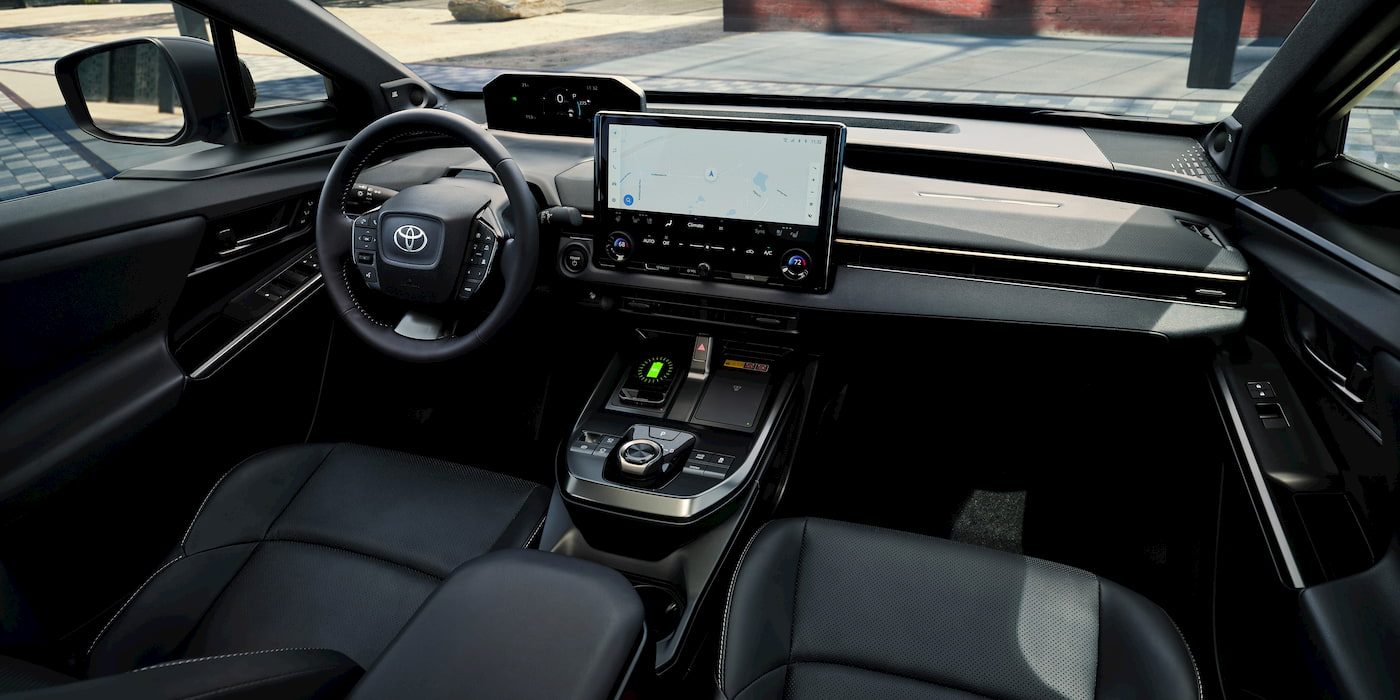
Stepping inside the cabin, the 2027 bZ showcases Toyota’s most advanced infotainment architecture to date.
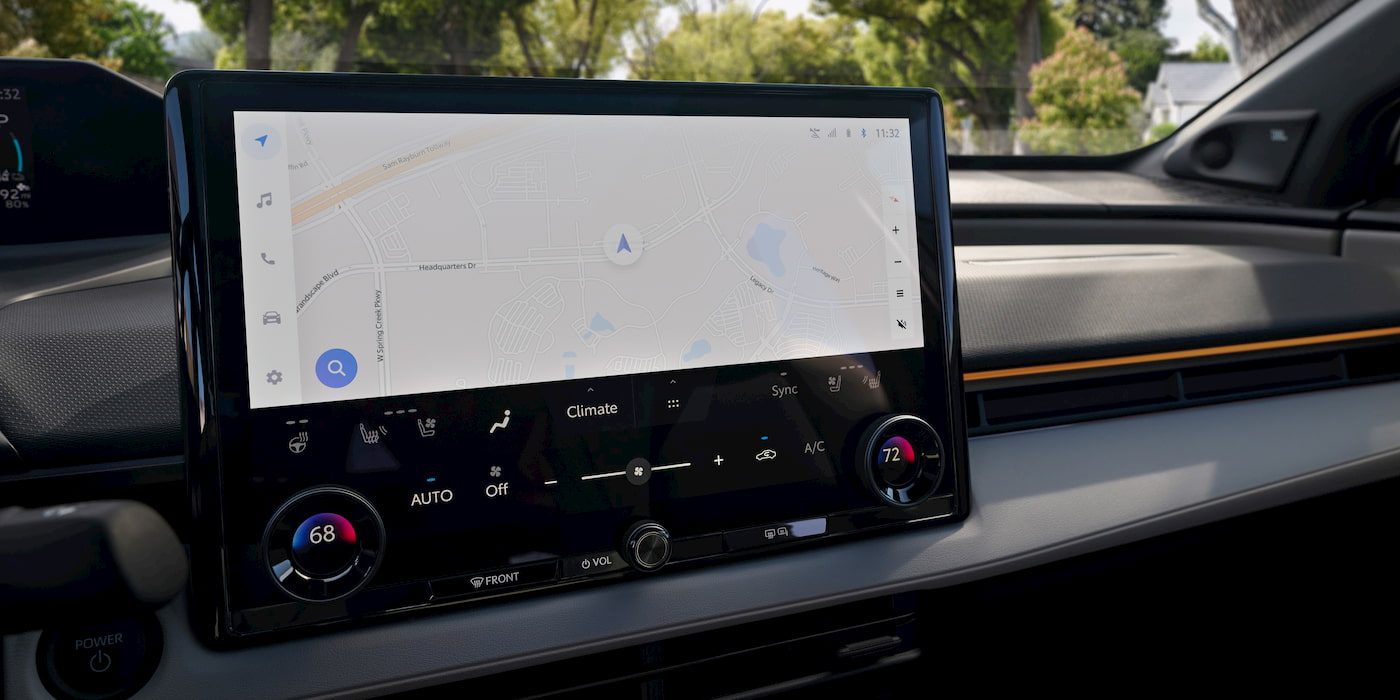
- Displays: A prominent new 14-inch Toyota Audio Multimedia touchscreen takes center stage, accompanied by a customizable 7-inch digital instrument cluster and a top-mounted Multi-Information Display (MID). Wireless Apple CarPlay and Android Auto come standard.
- Convenience: Drivers and passengers benefit from a dual Qi wireless smartphone charging pad, ambient cabin lighting, and Toyota Digital Key capability, which transforms the user’s smartphone into a secure vehicle key.
- Audio & Luxury: A crisp six-speaker audio setup comes standard, while top-tier Limited trims can be upgraded to a premium nine-speaker JBL sound system. Upgrading to the Limited grade also unlocks 20-inch alloy wheels, a panoramic fixed-glass moonroof, heated rear seats, SofTex-trimmed seating surfaces, and a digital rearview mirror.
Official Responses and Corporate Strategy
Toyota’s leadership has framed the 2027 bZ as a testament to the company’s pragmatic, consumer-driven approach to electrification. While early skeptics accused traditional legacy automakers of dragging their feet on pure-play EVs, Toyota’s steady refinement strategy has proven remarkably resilient.
In official statements accompanying the rollout, Toyota executives emphasized that consumer feedback from the 2026 model year directly shaped the engineering upgrades seen in the 2027 iteration. By addressing the two primary barriers to EV adoption—range anxiety and charging friction—Toyota aims to capture a larger slice of mainstream buyers who are hesitant to jump into unfamiliar technological ecosystems.
"Our goal has never been to build compliance cars or unachievable halo projects," noted a regional product planning representative. "We want to deliver dependable, high-utility electric vehicles that seamlessly integrate into the everyday lives of families. The 2027 bZ represents a mature step forward in performance, convenience, and value."

Implications for the EV Market and Competitors
The launch of the 2027 Toyota bZ carries profound implications for the North American automotive landscape, sending ripples through both domestic and foreign rivalries.
1. Pressure on Entry-Level EV Pricing
With a starting price hovering just under $35,000, Toyota is aggressively undercutting many competing electric crossovers. As federal EV tax credit landscapes shift and consumer price sensitivity heightens amid broader economic pressures, vehicles like the bZ serve as an anchor of affordability. Competitors in the compact and mid-size electric SUV segments—such as Ford, Chevrolet, Hyundai, and Volkswagen—will be forced to evaluate their own pricing strategies to avoid losing ground to Toyota’s manufacturing scale and dealer network power.
2. The NACS Standard Becomes the Baseline
The widespread implementation of native NACS ports by legacy brands like Toyota signals the final stages of the North American charging unification. As more high-volume EVs drop proprietary or CCS-only configurations in favor of direct Tesla Supercharger compatibility, the anxiety surrounding long-distance road-tripping in a non-Tesla EV is rapidly dissipating. This levels the playing field for Toyota, turning what was once a distinct competitive advantage for Tesla into an industry-wide utility.

3. Inventory Dynamics and Dealer Lot Strategies
Industry analysts note that with the 2027 bZ rolling onto US lots by September, dealerships will actively seek to clear remaining 2026 inventory. This creates a downstream buyer’s market, where consumers who are less concerned about minor year-over-year tech updates can secure substantial financial incentives and discounts on remaining 2026 models.
Ultimately, the 2027 Toyota bZ proves that Toyota’s methodical, measured pivot toward full electrification is paying dividends. By blending aggressive pricing, practical range configurations, and critical infrastructure partnerships, Toyota is no longer just playing catch-up in the EV race—it is actively setting the pace for the mass market.
