

Main Facts
For homeowners managing inground swimming pools year-round—particularly in sun-drenched regions like Florida, where seasonal pool closures are virtually nonexistent—maintenance is an ongoing, labor-intensive chore. Traditional suction-side pool cleaners have long been the industry standard, relying on the pool’s primary filtration pump and a network of cumbersome hoses to clear debris. However, the rapid advancement of smart home automation has paved the way for a new paradigm: cordless robotic pool cleaners.
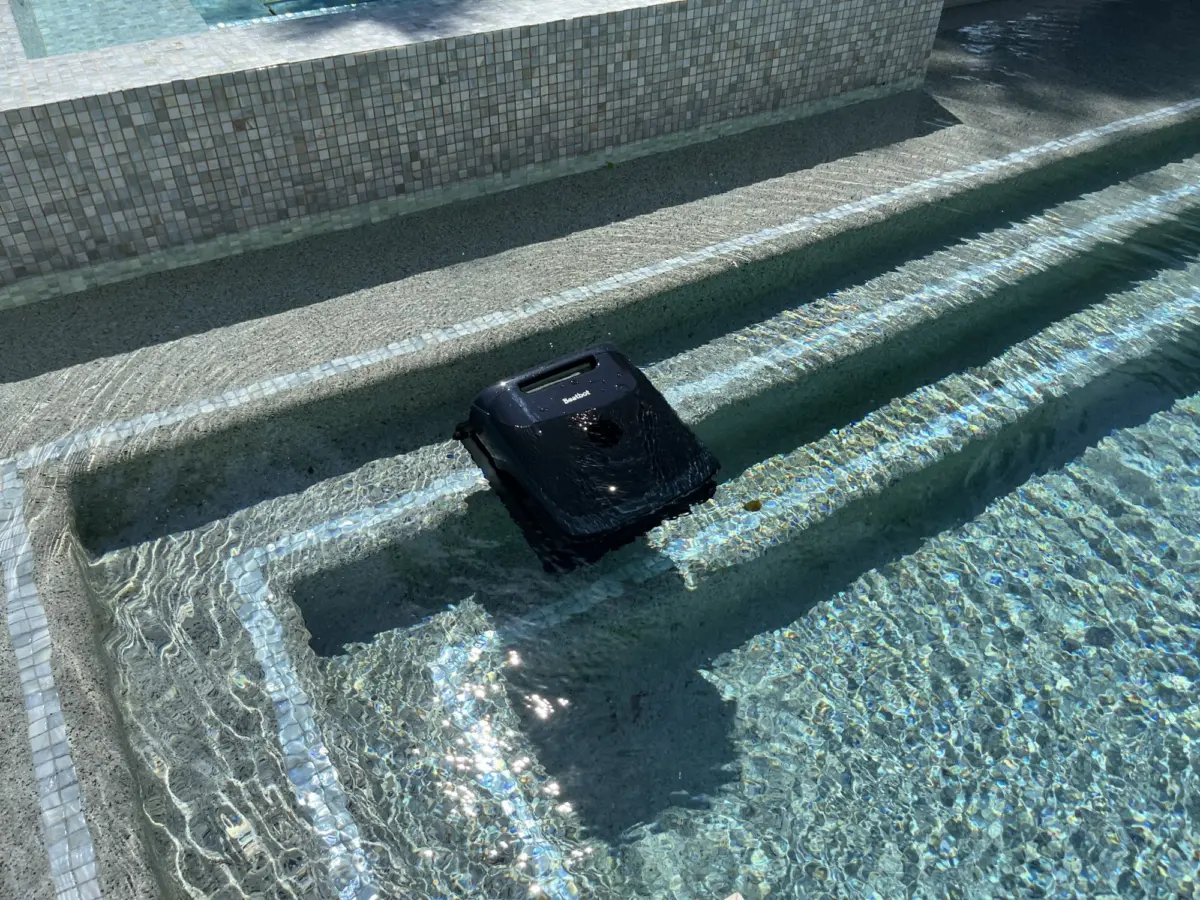
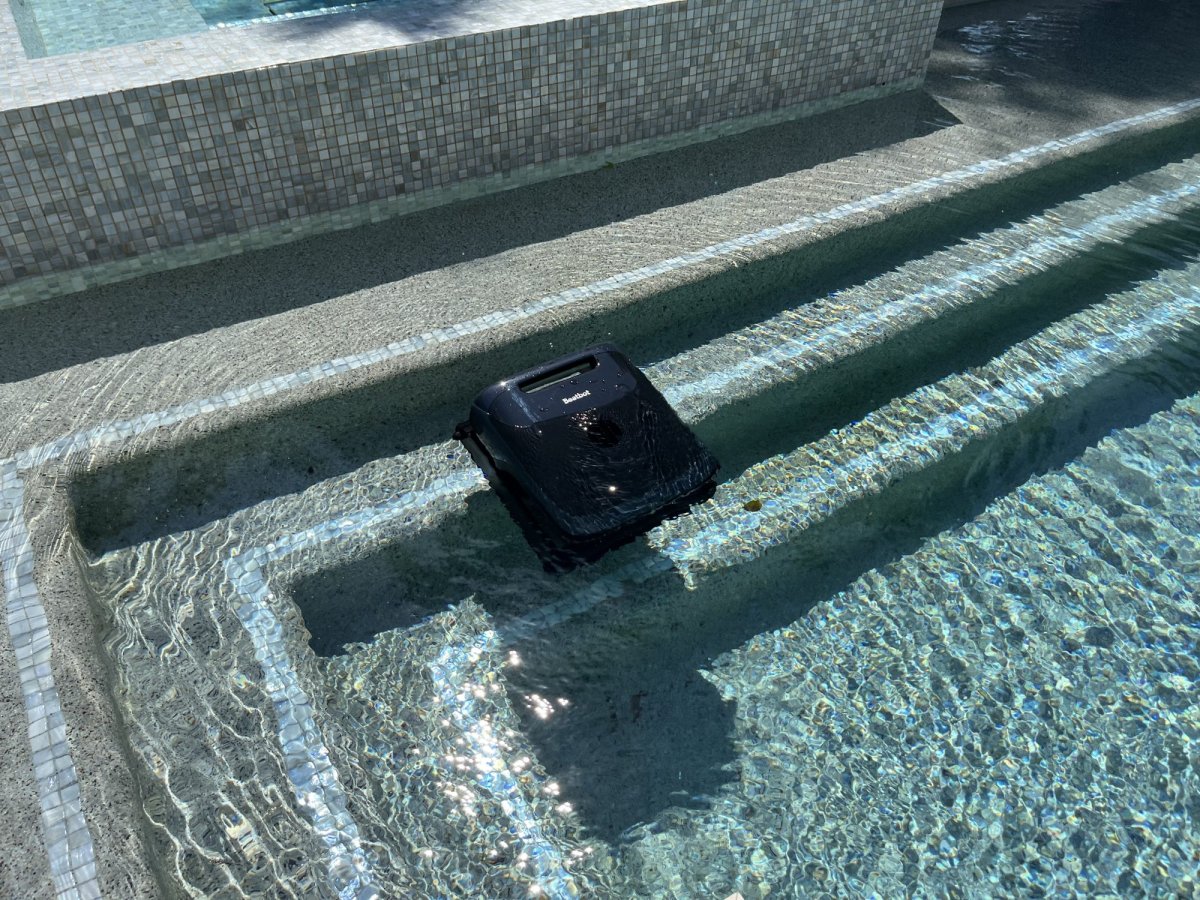
At the forefront of this technological shift is the Beatbot Sora 70, a high-end, self-contained robotic pool cleaner designed to tackle complex pool geometries, including attached hot tubs, multi-tiered steps, and sunbathing platforms. Unlike its tethered predecessors, the Sora 70 operates entirely on an internal rechargeable battery, eliminating messy hoses and reliance on the pool pump. Utilizing smart vision technology rather than erratic, random patterns, the device maps pool environments, climbs vertical gunite walls, scrubs surfaces, and skims the waterline.
Priced as a premium investment in home automation, the Beatbot Sora 70 earns high marks for overall water clarity and cleaning efficacy, prompting homeowners and industry experts alike to reevaluate what is possible in automated pool upkeep. However, transitioning from passive suction systems to active, high-tech robotics introduces unique operational trade-offs regarding battery management, connectivity limitations, and routine maintenance.
Chronology
The trajectory of residential pool cleaning has undergone a dramatic transformation over the past several decades, evolving from purely manual labor to fully autonomous systems.
- The Era of Manual Maintenance: For decades, residential pool cleaning relied heavily on manual intervention. Homeowners spent weekends pushing weighted vacuum heads attached to long telescopic poles across pool floors, brushing tile lines by hand, and skimming floating debris with nets.
- The Introduction of Suction and Pressure Cleaners: In the late 20th century, hydraulic pool cleaners—both suction-side and pressure-side models—revolutionized the market. These devices harnessed the power of the pool’s existing filtration pump, significantly reducing the manual labor required to clear bottom debris, though they remained tethered by long hoses and struggled with steps, walls, and surface skimming.
- The Rise of Corded Robotic Cleaners: The early 2000s saw the introduction of the first electric robotic pool cleaners. While these units operated independently of the pool pump and featured internal filter bags, they were constrained by long electrical cords that frequently tangled and required manual retrieval.
- The Cordless Revolution (Present Day): The contemporary market has shifted toward untethered, battery-powered smart cleaners equipped with advanced artificial intelligence, optical mapping, and multi-surface cleaning capabilities. The introduction of devices like the Beatbot Sora 70 marks the current pinnacle of this evolution, bringing the automation standards seen in indoor robot vacuums and robotic lawnmowers directly to backyard aquatic environments.
Supporting Data and Performance Metrics
Evaluating the transition from a traditional suction cleaner to an advanced robotic system like the Beatbot Sora 70 requires examining quantitative performance data, spatial coverage metrics, and power consumption statistics.
Cleaning Coverage and Efficiency
Traditional suction cleaners rely on random movement driven by water flow, often missing corners, steps, and vertical walls. In contrast, smart-mapping robotic cleaners utilize optical sensors and internal algorithms to systematically navigate pool surfaces.
- Coverage Rate: Field testing indicates that the Sora 70 successfully maps and cleans approximately 95 percent of total pool surfaces, including floors, walls, and the waterline.
- Surface Versatility: Designed to handle diverse pool finishes—such as gunite, fiberglass, and vinyl—the unit employs active scrubbers to break down algae and dried-on contaminants.
Power Management and Battery Statistics
Because the Sora 70 operates entirely without a physical tether or power cord, energy management becomes a critical operational metric.
- Battery Depletion Rate: A single full-pool cleaning cycle consumes approximately 60 percent of the unit’s total internal battery capacity.
- Operational Runtime: Homeowners realistically achieve roughly one comprehensive cleaning cycle per full charge, necessitating manual recharging after each use.
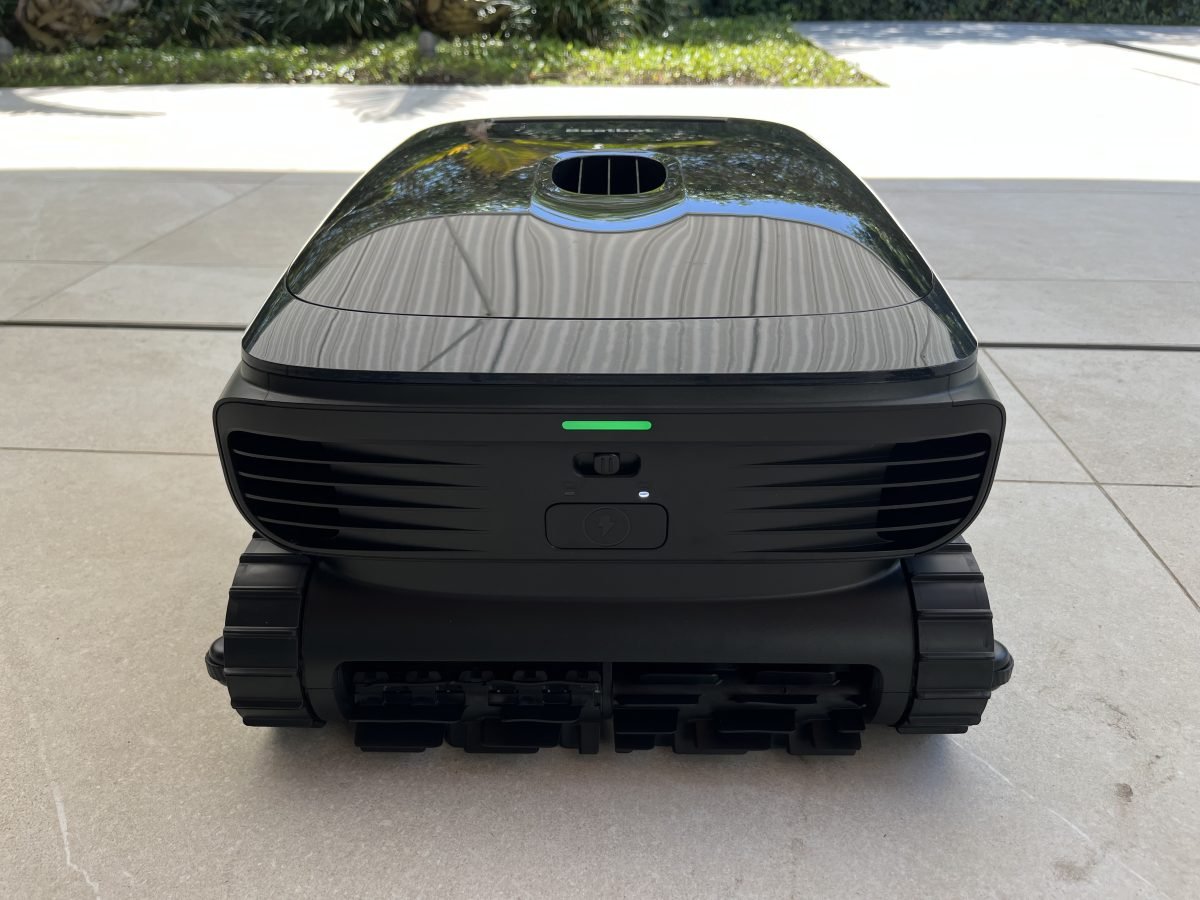
- Physical Weight and Ergonomics: While the device features a comfortable, ergonomic handle, its physical weight increases significantly when pulled out of the water due to retained liquid within its chassis and filter housing, requiring moderate physical strength for transport to an electrical outlet.
Filtration Capacity
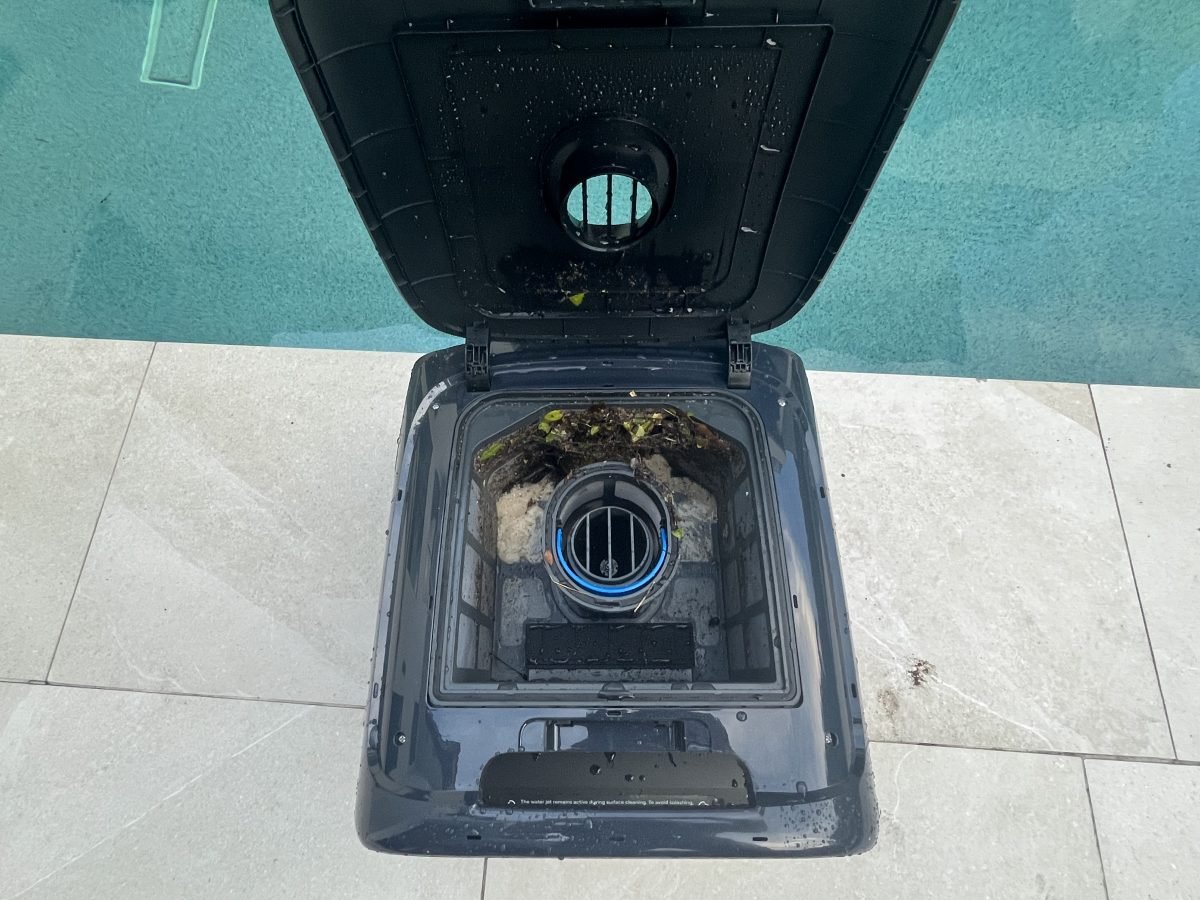
- Filter Basket Volume: The unit features a self-contained top-loading filter basket designed to capture leaves, fine silt, and pollen.
- Maintenance Frequency: While the basket possesses sufficient volumetric capacity to prevent overflowing during a standard cleaning cycle, operational protocols require the user to empty, dump, and rinse the filter after every single run.
Official Responses and Expert Analysis
Industry analysts, tech reviewers, and experienced homeowners have weighed in on the broader implications of adopting advanced cordless robotic pool cleaners.
Consumer technology reviewers generally praise the Sora 70 for its engineering ambition and multi-functional capabilities, noting that its ability to clean the waterline and skim floating debris sets it apart from traditional bottom-cleaning units. Experts emphasize that the convergence of smart navigation and cordless operation represents the future of outdoor home maintenance.
However, industry specialists also offer nuanced perspectives regarding user expectations. While manufacturers market these devices as ultimate convenience upgrades, consumer advocacy reports highlight that autonomous outdoor robots require a shift in homeowner habits. Unlike indoor robotic vacuums that automatically dock and recharge, or suction cleaners that remain permanently submerged, cordless pool robots demand active human intervention for charging, retrieval, and filter maintenance.
Pool service professionals note that while high-end robotic cleaners significantly reduce the chemical and brushing workload required to maintain crystal-clear water, they do not completely eliminate the need for balanced water chemistry and periodic manual oversight—particularly in challenging environments surrounded by heavy foliage or high pollen counts.
Implications
The widespread adoption of advanced robotic pool cleaners like the Beatbot Sora 70 carries several significant implications for the residential housing, property maintenance, and smart home technology sectors.
1. Redefining Home Maintenance Labor
The shift toward cordless outdoor robotics redefines the nature of property upkeep. Tasks that once required specialized technical knowledge or strenuous physical labor are increasingly democratized through automation. However, as demonstrated by the battery management and Wi-Fi connectivity limitations—where sub-surface water blocks wireless signals and necessitates manual pole-retrieval—homeowners must adapt to a new set of mechanical chores, swapping hose management for battery charging and filter rinsing.
2. Integration into the Smart Home Ecosystem
As outdoor robotics become more sophisticated, consumer demand for seamless integration between indoor and outdoor smart ecosystems continues to grow. The challenges observed in underwater wireless communication highlight current engineering bottlenecks that developers must overcome. Future iterations of pool automation technology will likely focus on enhanced acoustic or radio-frequency signaling to maintain uninterrupted app connectivity beneath the water’s surface, bridging the gap between smart-home convenience and aquatic environments.
3. Economic and Environmental Impact
Investing in high-end robotic pool cleaners alters the energy consumption profile of pool management. While traditional suction cleaners force the primary pool pump to work harder—increasing overall electricity consumption—cordless robotic units operate independently on low-voltage rechargeable batteries. This separation can lead to energy savings by allowing homeowners to run their main filtration systems for shorter durations. Furthermore, enhanced surface skimming prevents organic debris from breaking down and demanding heavy chemical interventions, contributing to more sustainable, eco-friendly pool water management practices over the long term.
