

By the Editorial Team
Published: Real Estate & Home Improvement Digest
When it comes to residential design, the allure of the fleeting trend is a powerful temptation. Homeowners are routinely bombarded with social media feeds and magazine spreads featuring the "must-have" finish, the color of the season, or the avant-garde layout that promises modern luxury. Yet, veteran contractors and real estate analysts warn that these hyper-stylized updates often age poorly—frequently looking dated before the dust of the remodel has even settled.
According to industry leaders, a fundamental shift in home improvement philosophy is underway. Instead of chasing transient aesthetics, smart homeowners are pivoting toward functional investments. These are upgrades designed to enhance comfort, safety, energy efficiency, and long-term utility.
"Every few years there’s a new must-have finish or style, but many of those choices end up feeling dated before the remodel has even had a chance to age," warns Matan Bodek, a licensed general contractor and the CEO and founder of Modern Build Home Remodeling in Los Angeles, California. "The best remodeling projects aren’t always the flashiest ones. Those are the improvements that continue to pay off, whether you stay in your home for another 20 years or decide to sell."
To help homeowners navigate the noise of modern design, industry experts have compiled a definitive list of five future-proof home projects that stand the test of time. These investments ensure a home is easier to live in, less expensive to maintain, and resilient against whatever technological or environmental shifts the future brings.
Main Facts: Shifting Priorities in Modern Home Remodeling
The modern real estate landscape is characterized by rising energy costs, unpredictable weather patterns, an aging demographic, and an increasingly electrified lifestyle. Consequently, the metrics by which a home’s value is measured are shifting away from decorative surface treatments and toward foundational integrity.
The core premise driving today’s top-tier home improvements is simple: Upgrades that protect, power, and future-proof a home will almost always outlast upgrades that merely decorate it.
Rather than sinking thousands of dollars into open shelving, accent walls, or luxury hardware that may fall out of favor within five years, structural and infrastructural enhancements offer tangible dividends. Whether evaluated through the lens of lowered utility bills, minimized catastrophic risk, or heightened resale appeal, future-proof renovations focus on the intersection of durability and adaptability.
Chronology: The Evolution of Home Value
To understand why structural improvements now dominate the conversation, it helps to examine how home renovation priorities have shifted over the past few decades:
- The Late 20th Century (1980s–1990s): Remodeling was largely defined by expansion and cosmetic flair. Homeowners added sprawling square footage, decorative columns, wall-to-wall carpeting, and compartmentalized kitchens. Electrical panels of the era typically maxed out at 100 amps, which was more than sufficient for the electronic demands of the time.
- The Early 2000s (The Housing Boom): Granite countertops, stainless steel appliances, and elaborate master suites became the golden standard of return-on-investment (ROI) metrics. Curb appeal and cosmetic staging ruled the pre-sale market.
- The 2010s (The Smart Home Emergence): Technology began to infiltrate the residential space. Early adopters introduced automated lighting, smart thermostats, and basic home security systems, though electrical infrastructure largely lagged behind these new power demands.
- The Present Era (2020s and Beyond): A convergence of climate-driven weather anomalies, the rapid electrification of transportation (EVs), an aging population, and volatile energy markets has changed the game. Today, real estate appraisers, buyers, and contractors agree that the true value of a home lies beneath the surface—in its water management, electrical capacity, bed-and-bath yield, thermal envelope, and adaptability to all stages of life.
Supporting Data & Expert Analysis: The 5 Essential Upgrades
1. Safeguard Your Home From Water Damage
Some of the most valuable home improvements are entirely invisible to casual visitors and rarely trend on social media. Water intrusion remains one of the most insidious and financially devastating threats a homeowner can face, encompassing everything from foundational leaks to catastrophic roof failures.
"If I could give every homeowner one upgrade that’s guaranteed to pay off in the long run, it’s getting water away from your house," says Humberto Marquez, founder of Surge, a Houston, Texas-based home rental company.
Marquez emphasizes a comprehensive approach to site drainage, which includes grading soil away from the foundation, installing robust gutter systems with strategic downspout extensions, sealing roofs meticulously, and ensuring correct flashing details.
Matan Bodek echoes this sentiment, noting that a quality roof, proper waterproofing, and meticulous drainage protect the entire house from structural decay. "These aren’t exciting projects, but they’re the kind of investments that save homeowners from major headaches and costly repairs down the road," Bodek explains.
2. Update Electrical Components Throughout the House
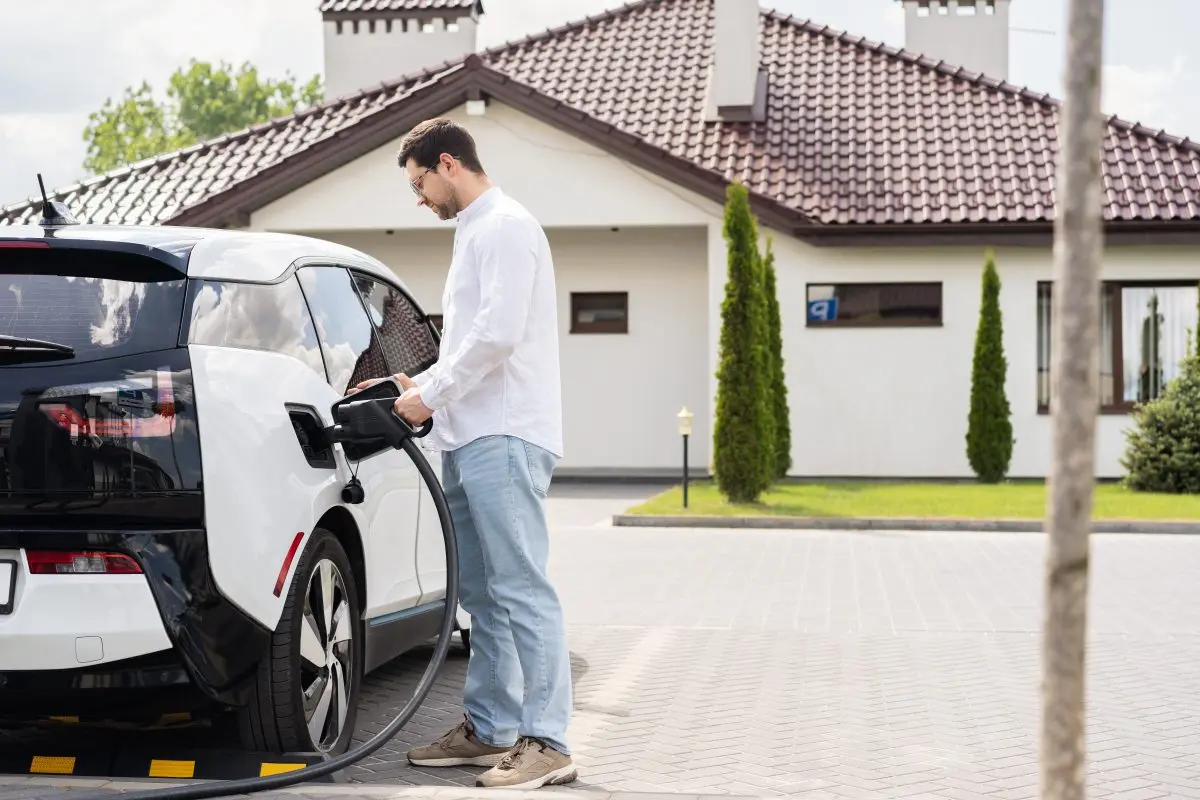
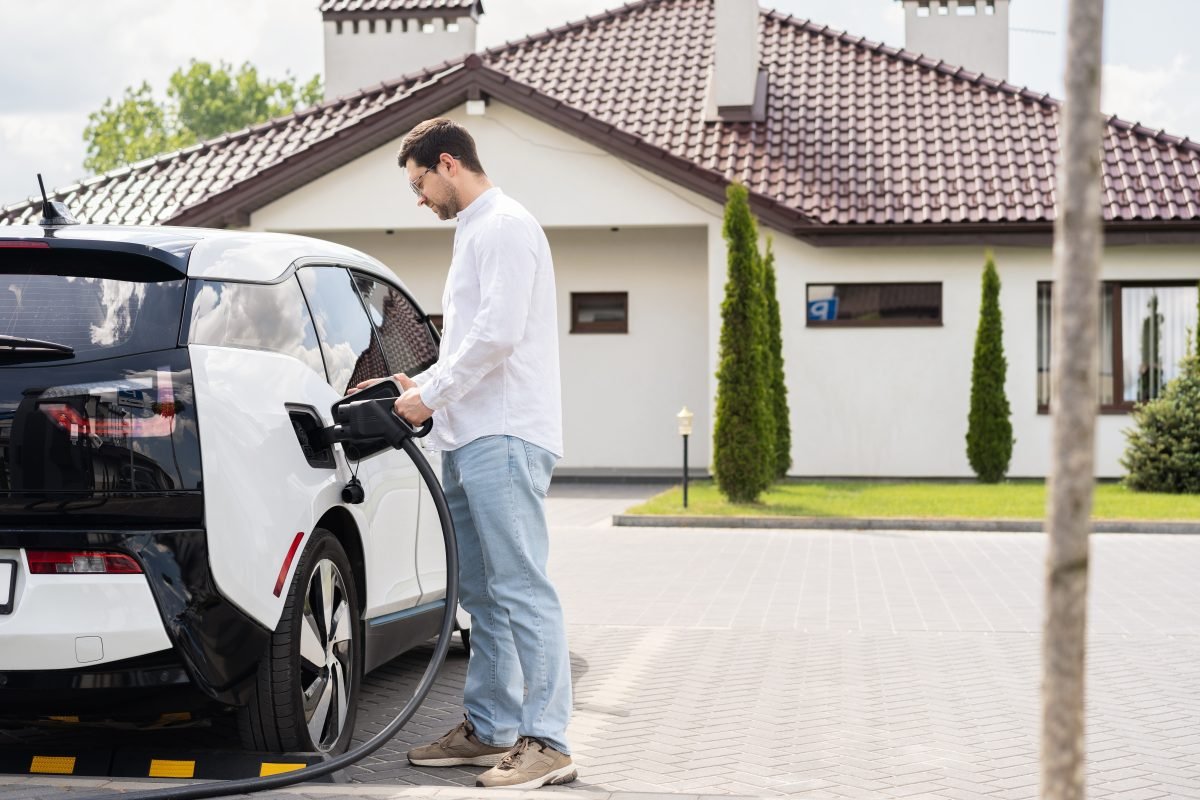
The electrification of everyday life is accelerating at a breakneck pace. From electric vehicles parked in suburban driveways to heat pumps and induction cooktops inside the kitchen, our homes demand unprecedented amounts of electrical power.
"Every version of the future runs through your electrical panel," Marquez states plainly. "Want to charge your car at home, heat your house with a heat pump, or have a kitchen with an induction range? A 1980s 100-amp panel just won’t cut it."
When evaluating a property for the resale market, prospective buyers are far more forgiving of dated aesthetic finishes than they are of failing or obsolete electrical systems. Upgrading to a modern 200-amp (or higher) electrical panel and modernizing HVAC systems ensures that a home can seamlessly support the technological and energy demands of the coming decades.
3. Maximize Bed and Bath Counts and Spatial Flexibility
While design fads come and go, the core metrics by which properties are appraised have remained remarkably consistent for generations.
"Design trends come and go, but the way that houses are priced doesn’t change much," Marquez observes. "Appraisers, real estate agents, and buyers have been using bed and bath count as a way to value a house for generations, and it looks like that’s not going to change anytime soon."
Converting a 3-bedroom, 1-bathroom layout into a home with an additional bathroom—and potentially expanding legal sleeping quarters—yields strong returns across virtually any geographic market. Furthermore, smart homeowners are designing flexible, multipurpose spaces. Rooms that can easily pivot between a home office, a guest bedroom, and a home gym provide immense daily utility while protecting long-term marketability.
4. Install Energy-Efficient Windows and Exterior Doors
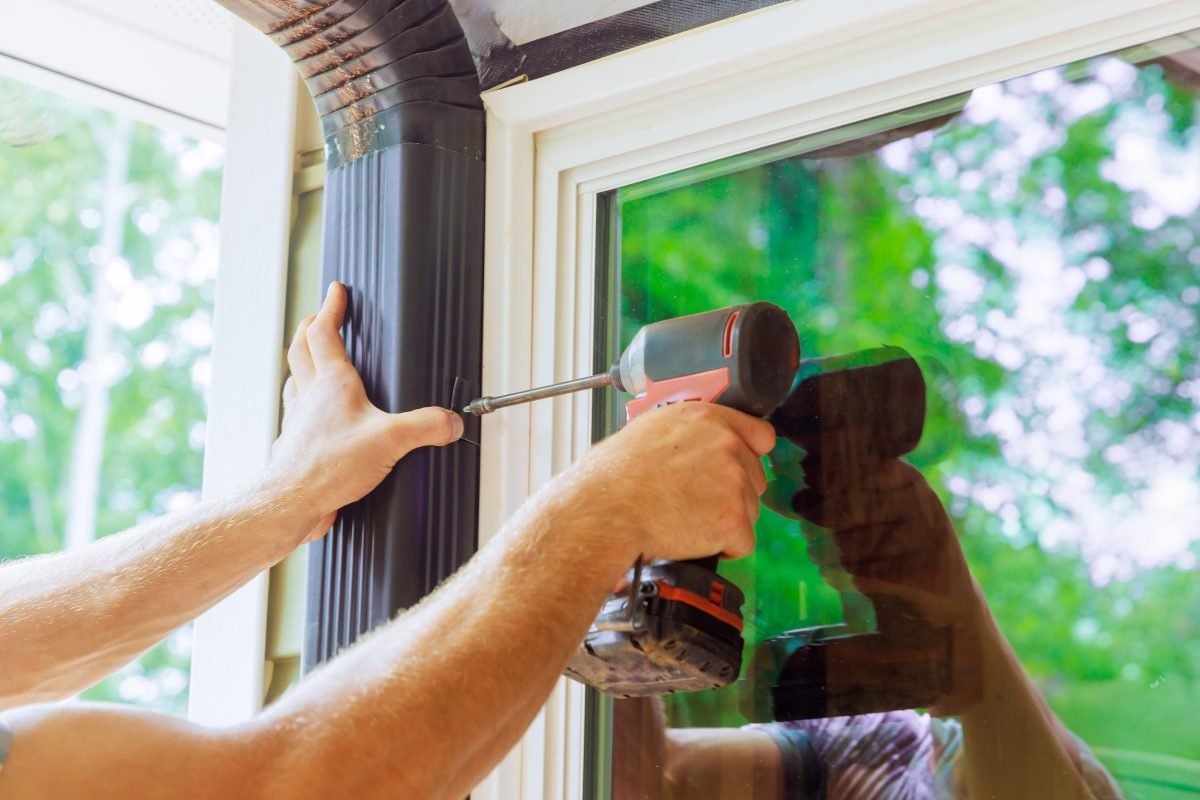
The building envelope dictates a home’s thermal performance, comfort level, and ongoing energy expenditures. Replacing older, drafty windows and exterior doors with high-performance, energy-efficient models is widely considered one of the smartest operational investments a homeowner can make.
Beyond conferring a crisp, clean aesthetic update to the facade, premium windows radically transform the indoor environment.
"During long, hot summers, better windows help keep indoor temperatures more consistent, reduce outside noise, lower energy bills, and improve security and overall comfort," Bodek notes. Unlike temporary design trends, the everyday benefits of a fortified thermal envelope never fall out of favor.
5. Incorporate Aging-in-Place and Universal Design Features
Demographics are destiny. As the national population ages, residential architecture must adapt to accommodate homeowners across all stages of life.
"You can’t predict design trends, but you can predict demographics, and America is getting older," Marquez explains. Bodek shares this perspective, noting a steady surge in client requests for long-term accessibility enhancements.
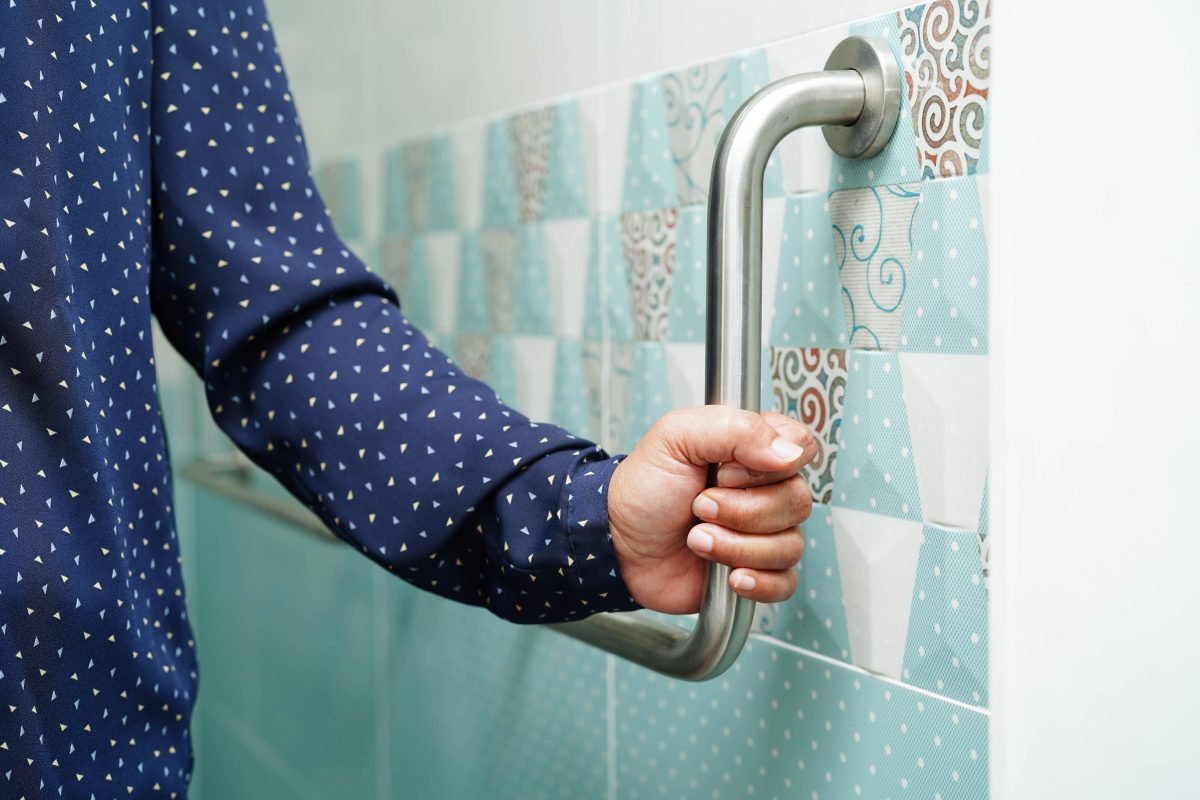
Universal design does not mean sacrificing aesthetic appeal for institutional functionality. Rather, the best accessibility features are seamlessly integrated—often going completely unnoticed until the day they are needed. Strategic upgrades include:
- Zero-step entries and widened doorways for unobstructed mobility.
- Main-floor full bathrooms.
- Lever-style door and faucet handles that require minimal grip strength.
- Enhanced task and ambient lighting to support failing eyesight.
- Reinforced bathroom walls pre-configured for discrete grab-bar installation.
These thoughtful modifications create a safer, more accommodating environment not only for older adults, but also for young families with toddlers and anyone recovering from a temporary injury.
Implications: What This Means for Homeowners and the Real Estate Market
The transition away from superficial updates toward structural, future-proof home improvements carries profound implications for the broader real estate ecosystem.
For current homeowners, capital allocation must be viewed through a risk-mitigation and efficiency lens. Spending tens of thousands of dollars on high-end cosmetic overhauls that rely on specific micro-trends risks poor recovery upon resale. Conversely, capital invested in water management, electrical capacity, energy efficiency, and universal design acts as a dual hedge: it reduces daily operating expenses while insulating the property against rapid depreciation in aesthetic value.
For real estate professionals, these shifts point toward a more educated buyer pool. Modern buyers are looking past staging tricks and scrutinizing the "bones" of a property—checking the electrical panel amperage, inspecting drainage gradients, evaluating window efficiency ratings, and assessing long-term habitability.
Ultimately, the consensus among industry leaders is clear. By prioritizing investments that safeguard against damage, power future technologies, and adapt to changing life stages, homeowners can build a sanctuary that is not only beautiful today, but resilient, efficient, and valuable for generations to come.
