

CHADDS FORD, Pa. — In a landmark development for American art preservation and regional architecture, the renowned Brandywine Conservancy & Museum of Art is embarking on a transformative $100 million expansion. The ambitious project will be brought to life by a powerful construction partnership: a joint venture between Turner Construction Company and Wohlsen Construction.
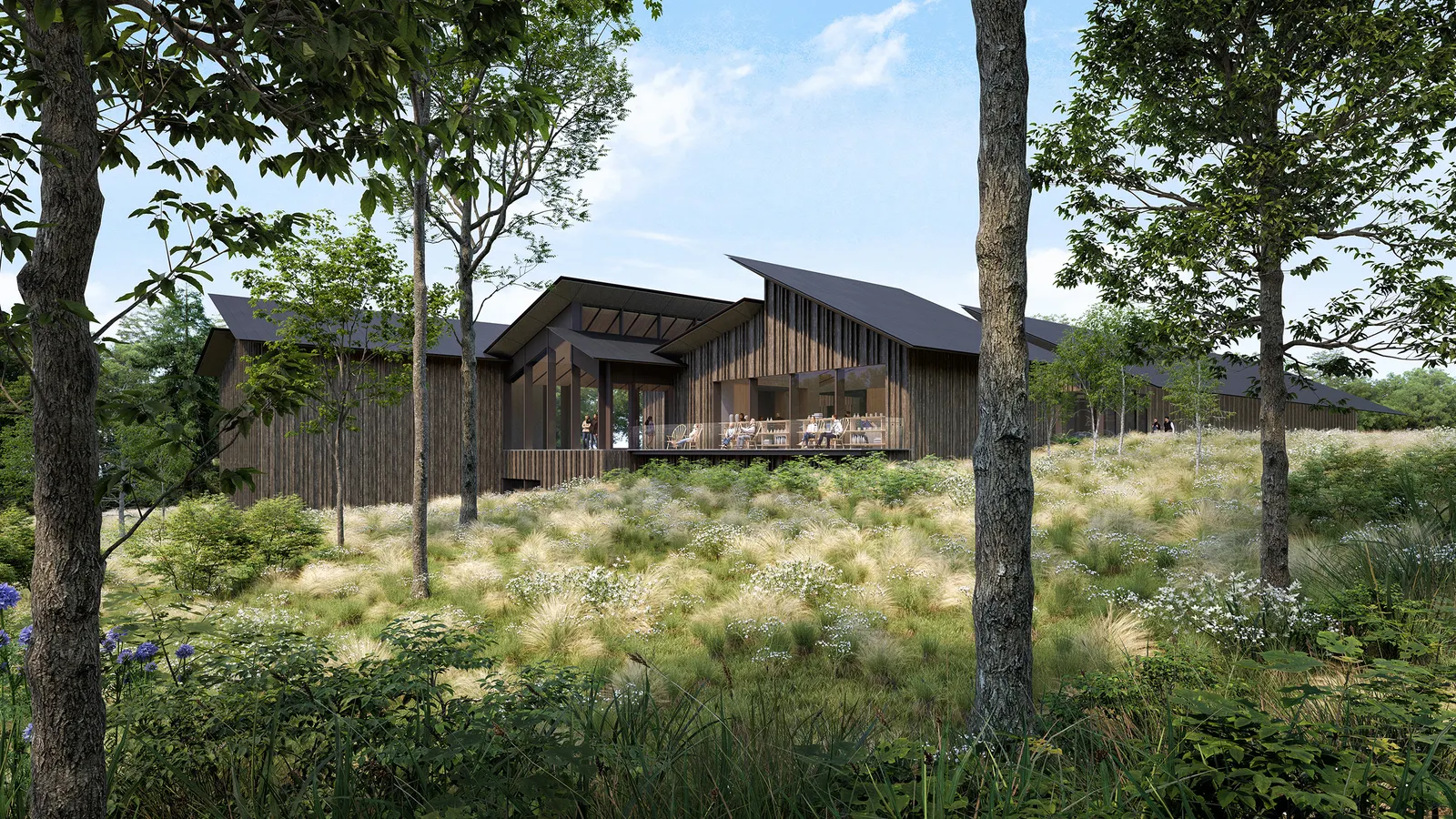
Announced by New York City-based Turner Construction, the project centers on the creation of a brand-new, state-of-the-art 40,000-square-foot facility. Designed to honor and elevate the legacy of the legendary Wyeth family of artists—whose works have defined American realism for generations—the expansion promises to seamlessly blend world-class architecture with the breathtaking natural beauty of the Brandywine River Valley.
Beyond the new construction, the comprehensive multi-year initiative includes extensive renovations to the museum’s historic 19th-century mill building, landscape architecture transformations across a sprawling 325-acre public preserve, and sophisticated flood-mitigation infrastructure to safeguard the cultural institution against future climate-related weather events.
Main Facts
The $100 million capital project represents one of the most significant cultural investments in the Philadelphia region’s recent history.
- Project Value: $100 million
- Location: Chadds Ford, Pennsylvania (along the banks of the Brandywine River)
- Client: Brandywine Conservancy & Museum of Art
- Contractor: Turner-Wohlsen Joint Venture (a collaboration between Turner Construction and Wohlsen Construction)
- Lead Architects: Kengo Kuma & Associates, working in collaboration with Schwartz/Silver Architects
- Landscape Architect: Field Operations
- Scope of Work: Construction of a new 40,000-square-foot museum building, historical renovations to the 19th-century mill, the creation of an expanded 325-acre public preserve, and the installation of 10 miles of interconnected walking trails.
The museum is globally celebrated for its extensive holdings of the Wyeth family, featuring permanent galleries and rotating exhibitions dedicated to N.C. Wyeth, Andrew Wyeth, and Jamie Wyeth. The new 40,000-square-foot structure will provide vital gallery space to showcase these expansive collections, improve visitor flow, and house modern archival facilities.
Chronology: From Historic Mill to Modern Cultural Hub
The story of the Brandywine Conservancy & Museum of Art is deeply rooted in the industrial and agricultural heritage of southeastern Pennsylvania. Understanding the timeline of the campus contextualizes the significance of this current $100 million expansion phase.
19th Century to 1971: The Industrial Roots
Long before it housed masterpieces of American art, the primary site along the Brandywine River served as a gristmill. The historic structure, constructed in the 19th century, harnessed the power of the river to process grain. Decades later, visionaries recognized the architectural and historical value of the stone mill, setting the stage for its conversion into a sanctuary for art and nature. In 1971, the Brandywine River Museum officially opened its doors inside the repurposed mill, instantly becoming a cultural anchor for Chester and Delaware counties.
2021: Hurricane Ida and the Imperative of Resilience
Nature, which has always been the primary muse for artists like Andrew Wyeth, dealt a severe blow to the institution in September 2021. Remnants of Hurricane Ida caused catastrophic flooding along the Brandywine River, inundating parts of the museum property and threatening priceless works of art.
In the wake of the disaster, Wohlsen Construction stepped in to spearhead emergency restoration and flood-hardening efforts. This critical recovery work not only saved the historic structures but also forged a deep bond of trust between the museum leadership and the construction team—laying the crucial groundwork for the current expansion contract.
2026: Launch of the $100M Expansion Initiative
With planning, architectural design, and environmental reviews culminating in mid-2026, the Turner-Wohlsen joint venture officially announced the commencement of the $100 million project in August 2026. This phase represents the most ambitious physical transformation in the museum’s history, designed to carry the institution securely and dynamically into the mid-21st century.
Supporting Data and Architectural Vision
The physical scope of the Brandywine expansion is staggering, combining high-concept contemporary architecture with organic landscape design.
Architectural Brilliance: Kengo Kuma & Associates
The design of the new 40,000-square-foot building is spearheaded by internationally acclaimed Japanese architect Kengo Kuma, working alongside Boston-based Schwartz/Silver Architects. Kuma is globally renowned for his philosophy of architectural integration, which emphasizes natural materials, light, and a harmonious relationship with the surrounding environment.
While specific design details continue to roll out, early renderings indicate a structure that respects the vernacular stone architecture of the region while utilizing modern glass, timber, and sustainable building systems. The building will act as a bridge between the indoor gallery experience and the great outdoors that inspired the Wyeth family for decades.
Landscape and Trails: Field Operations
Landscape architecture firm Field Operations is tasked with transforming the campus grounds into a unified 325-acre public preserve and garden. A centerpiece of this landscape overhaul is the creation of a 10-mile trail network. These paths will weave through native woodlands and meadows, creating a continuous loop that physically connects the historic Mill building to the new Kengo Kuma-designed structure.

Economic and Regional Impact
The project is expected to inject millions of dollars into the local economy throughout its construction lifecycle, engaging local trade labor, material suppliers, and engineering consultants. Furthermore, upon completion, the expanded campus is projected to drive tourism revenue upward, drawing art enthusiasts, environmentalists, and hikers from the greater Philadelphia, Wilmington, and Baltimore metropolitan areas.
Official Responses and Stakeholder Perspectives
Leadership from both the construction sector and the cultural institution have expressed immense pride in collaborating on a project of such profound regional and national significance.
Michael Berardi, senior vice president at Lancaster, Pennsylvania-based Wohlsen Construction, highlighted the deep personal and professional ties his company has to the site, particularly given their recent history following Hurricane Ida.
"With more than 40 years of experience in the region and a long-standing relationship with the Brandywine Conservancy & Museum of Art, it is especially meaningful to be part of a project that will enhance such an iconic cultural and natural resource," Berardi said in the official press release.
Wohlsen’s intimate familiarity with the site’s unique geotechnical and hydrological challenges—gained during the 2021 flood-hardening project—provides the joint venture with a distinct advantage. Pairing Wohlsen’s local expertise with Turner Construction’s massive national infrastructure and mega-project management capabilities creates a formidable partnership capable of executing complex museum specifications with precision.
Museum directors and trustees have similarly emphasized that the expansion is not merely about adding square footage, but about deepening the public’s engagement with art and nature. By expanding gallery space, the museum can display a wider breadth of its permanent collection while hosting major traveling exhibitions that previously bypassed the venue due to space constraints.
Implications for the Construction and Cultural Sectors
The Brandywine Conservancy & Museum of Art project serves as a case study for several emerging trends in high-end institutional construction:

1. The Rise of Joint Ventures in Specialized Sectors
By combining Turner Construction’s global resources with Wohlsen’s regional roots and historical knowledge of the site, the project minimizes logistical risks. Joint ventures are increasingly becoming the preferred procurement method for complex cultural projects that require both heavy logistical muscle and delicate, specialized preservation work.
2. Climate Resilience as a Core Design Principle
In the post-Hurricane Ida era, cultural institutions located near waterways can no longer treat flood mitigation as an afterthought. The integration of flood-hardening techniques—built upon the lessons learned during Wohlsen’s 2021 intervention—ensures that millions of dollars in capital investment and irreplaceable cultural artifacts are protected against increasingly volatile weather patterns driven by climate change.
3. Holistic Cultural Campuses
Modern museum-goers increasingly expect an immersive, multi-disciplinary experience that extends beyond four walls. By integrating 40,000 square feet of cutting-edge exhibition space with 325 acres of protected land, 10 miles of trails, and interactive mill exhibits, the Brandywine project redefines what a museum campus can be. It honors the legacy of the Wyeth family not just by hanging their paintings on a wall, but by allowing visitors to walk through the very landscapes that inspired their immortal canvases.
As construction ramps up in the coming months, the Turner-Wohlsen team faces the rewarding challenge of delivering a world-class architectural marvel that will stand as a testament to American creativity, environmental stewardship, and engineering excellence for generations to come.
