

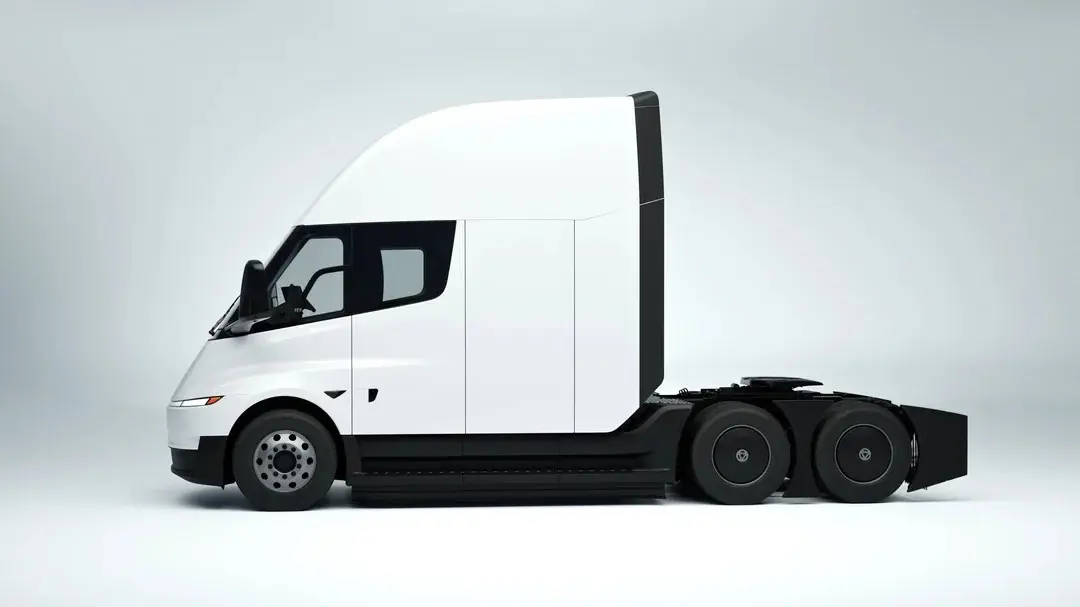
HANNOVER, Germany — Tesla has officially confirmed that its long-awaited Class 8 electric truck, the Tesla Semi, is finally crossing the Atlantic. The automaker announced that comprehensive specifications, pricing, and launch details for the European market will be unveiled next month at IAA Transportation in Hannover, Germany—the continent’s premier commercial vehicle showcase.
The announcement, initially dropped via the official Tesla Semi social media channels, has set the commercial transport sector abuzz. Running from September 15 to 20, the trade fair will not only serve as the stage for the European debut, but a physical production-spec Tesla Semi will also be on display for fleet operators, logistics executives, and industry analysts to inspect firsthand.
While the exact European release dates, local pricing metrics, and homologation timelines remain under wraps until the mid-September press event, the strategic framing of the Hannover exhibition marks a critical turning point. For years, the Tesla Semi’s European aspirations felt like a perpetual "coming soon" placeholder. Now, with high-volume production finally up and running in the United States, Tesla is signaling that its heavy-duty electric vehicle (EV) is ready to challenge entrenched domestic heavyweights on their home turf.
Main Facts: What Tesla Is Bringing to Europe
The European market will fundamentally receive the same mechanical architecture that Tesla is currently manufacturing at its dedicated facility in Nevada. Final specifications released earlier this year outline two distinct trim levels designed to meet varying commercial logistics needs:

- Standard Range: Powered by an 800-kW tri-motor drivetrain generating 1,072 horsepower, this variant offers an EPA-estimated range of 325 miles (523 kilometers) per charge. In the United States, it commands an introductory price tag of approximately $260,000.
- Long Range: Sharing the same robust 1,072-hp tri-motor setup, the Long Range trim stretches capability to an estimated 500 miles (800 kilometers) on a single charge. It is currently quoted in the US market at around $290,000.
Both variants are engineered to utilize Tesla’s proprietary 1.2-megawatt "Megacharger" infrastructure, allowing the massive batteries to rapidly replenish energy during mandatory driver rest stops.
However, translating these metrics to the European market introduces complex variables. Tesla must address whether these vehicles will be imported directly from the United States or if regional adaptations will be necessary to comply with European Union axle-weight limits, length regulations, and local safety mandates. Furthermore, European logistics managers are eager to see how US dollar pricing translates into Euros and how Tesla plans to roll out a continent-wide commercial service and support network.
Chronology: From Concept to Continental Expansion
The journey of the Tesla Semi has been marked by ambitious promises, substantial delays, and a gradual, hard-fought transition into a reality of mass manufacturing.
- November 2017: Elon Musk first unveils the Tesla Semi prototype during a flashy evening event in Hawthorne, California, promising production to begin by 2019 with a 500-mile range.
- 2019–2022: Repeated production delays plague the program. Supply chain constraints, global semiconductor shortages, and battery cell bottlenecks push the initial rollout back year after year.
- Late 2022: Initial "low-rate initial production" kicks off at a modest facility near Gigafactory Nevada. PepsiCo receives the very first delivered trucks in December 2022 to begin real-world logistics testing.
- September 2024: Tesla brings a Semi prototype to the IAA Transportation show in Hannover, Germany, generating immense public interest but offering virtually zero concrete details regarding a European market introduction or sales strategy.
- February 2026: Tesla officially finalizes specifications and pricing for its two primary US trims (Standard and Long Range), opening order books more widely for corporate fleet buyers.
- April 2026: The first production-intent Semi rolls off the newly completed, dedicated high-volume production line at Gigafactory Nevada. The massive 1.7-million-square-foot plant is built with an annualized capacity target of 50,000 trucks.
- August 2026: Swedish freight-tech pioneer Einride places the largest single order for the Tesla Semi to date, committing to a deployment of 500 trucks for its North American operations. Meanwhile, PepsiCo scales its California fleet to nearly 100 operating Semis.
- September 2026 (Upcoming): Tesla prepares to formally outline its European market entry, specifications, and commercial launch strategy at IAA Transportation in Hannover.
Supporting Data: Production Scalability and Market Dynamics
To understand the weight of Tesla’s European expansion, one must look at the industrial engine powering it. For years, skeptics argued that the Semi was nothing more than a halo project—a low-volume compliance truck built solely to satisfy early reservation holders like Walmart and PepsiCo.
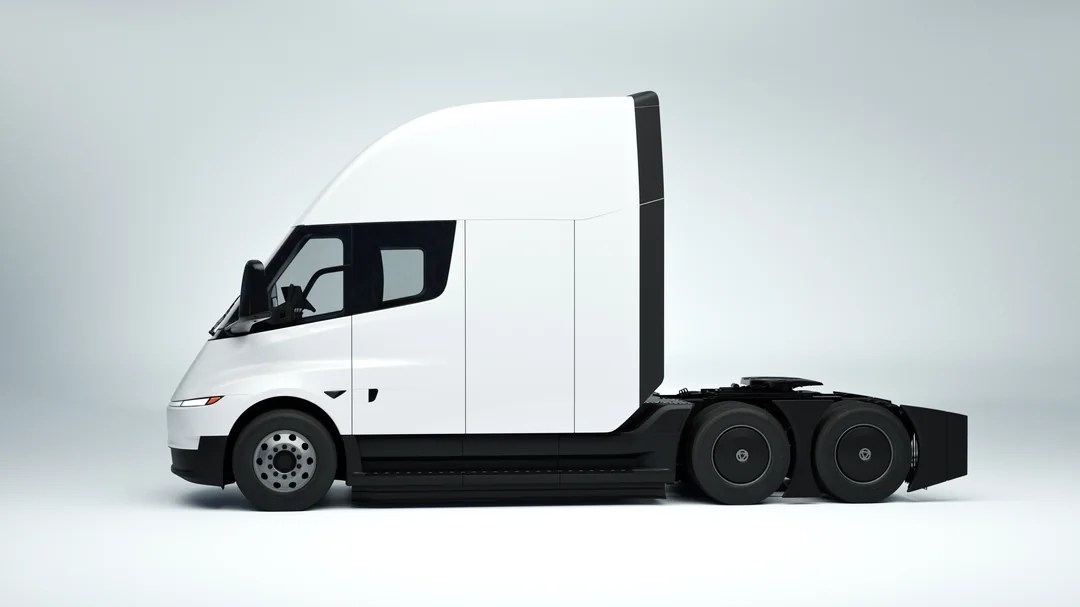
The opening of the dedicated 1.7-million-square-foot high-volume production line at Gigafactory Nevada in April 2026 fundamentally changed that narrative. Designed specifically to scale up to an output of 50,000 units annually, the facility has transformed the Semi from a perpetually delayed novelty into an industrial-scale commercial product.
Recent commercial milestones validate this manufacturing push. Major logistics players are putting their capital behind the vehicle. Swedish freight-tech company Einride made headlines by securing the largest Tesla Semi order to date—a massive commitment for 500 trucks. While Einride’s initial deployment is targeted at North American shipping corridors, the scale of the order demonstrates growing institutional trust in the platform’s long-term total cost of ownership (TCO). In parallel, early adopter PepsiCo continues to validate the truck’s operational viability, running a fleet of nearly 100 Semis across demanding freight routes in California, frequently posting data on heavy-load performance over mountain passes.
Official Responses and Industry Context
Tesla’s arrival in Europe does not happen in a vacuum. In fact, industry analysts point out that Tesla is entering a market that European manufacturers have spent years systematically cultivating and electrifying.
Unlike the United States—where electric Class 8 adoption has faced infrastructural hurdles and slower regulatory pushes—Europe has fostered a mature ecosystem of electric heavy goods vehicles (HGVs).

- Mercedes-Benz has already deployed its eActros 600, a dedicated long-haul electric truck boasting roughly 500 kilometers of range and a 600-kWh battery pack, which is actively operating across 15 European nations.
- Volvo Trucks, the reigning market leader in European electric heavy-truck sales, raised the bar further by unveiling an entirely new generation of electric HGVs.
- MAN, Scania, Renault Trucks, and DAF all possess production-ready battery-electric heavy tractors already rolling through commercial depots and delivering goods for major European retailers.
These legacy manufacturers possess a distinct incumbent advantage: established service networks, deeply ingrained dealer support, localized homologation compliance, and immediate access to spare parts. European fleets have been successfully running battery-electric trucks from domestic brands for years, relying on well-established relationships with service centers across the continent.
For Tesla, overcoming this institutional loyalty will require more than just impressive raw specifications; it demands a robust, reliable commercial service ecosystem that can guarantee minimal downtime for fleet operators whose profitability depends on relentless asset utilization.
Strategic Implications: Can Tesla Disruption Play Out in Europe?
The European introduction of the Tesla Semi carries profound strategic implications for both the company and the global commercial transport sector.
On one hand, Tesla enters Europe with proven cost and efficiency advantages demonstrated in North America. The company has aggressively positioned the Semi as the lowest-priced Class 8 battery-electric tractor in its domestic market, leveraging vertical integration and structural battery pack designs to drive down capital expenditures for fleet managers. If Tesla can successfully port these economic efficiencies across the Atlantic—while navigating EU import tariffs, localized manufacturing considerations, and regulatory approvals—it could trigger a disruptive pricing war in Europe’s burgeoning electric truck sector.

On the other hand, the margin for error in commercial trucking is razor-thin. Fleet operators cannot afford unexpected delays or prolonged vehicle downtime waiting for specialized parts. European commercial brands have spent decades optimizing their supply chains and customer support structures specifically for regional highways and tight urban distribution hubs.
When Tesla takes the stage next month at IAA Transportation in Hannover, the industry will not just be looking at a truck on a revolving pedestal. They will be looking for a comprehensive business blueprint: a clear roadmap detailing how an American EV pioneer plans to challenge Europe’s entrenched heavy-duty trucking giants on their home turf.
