

Main Facts
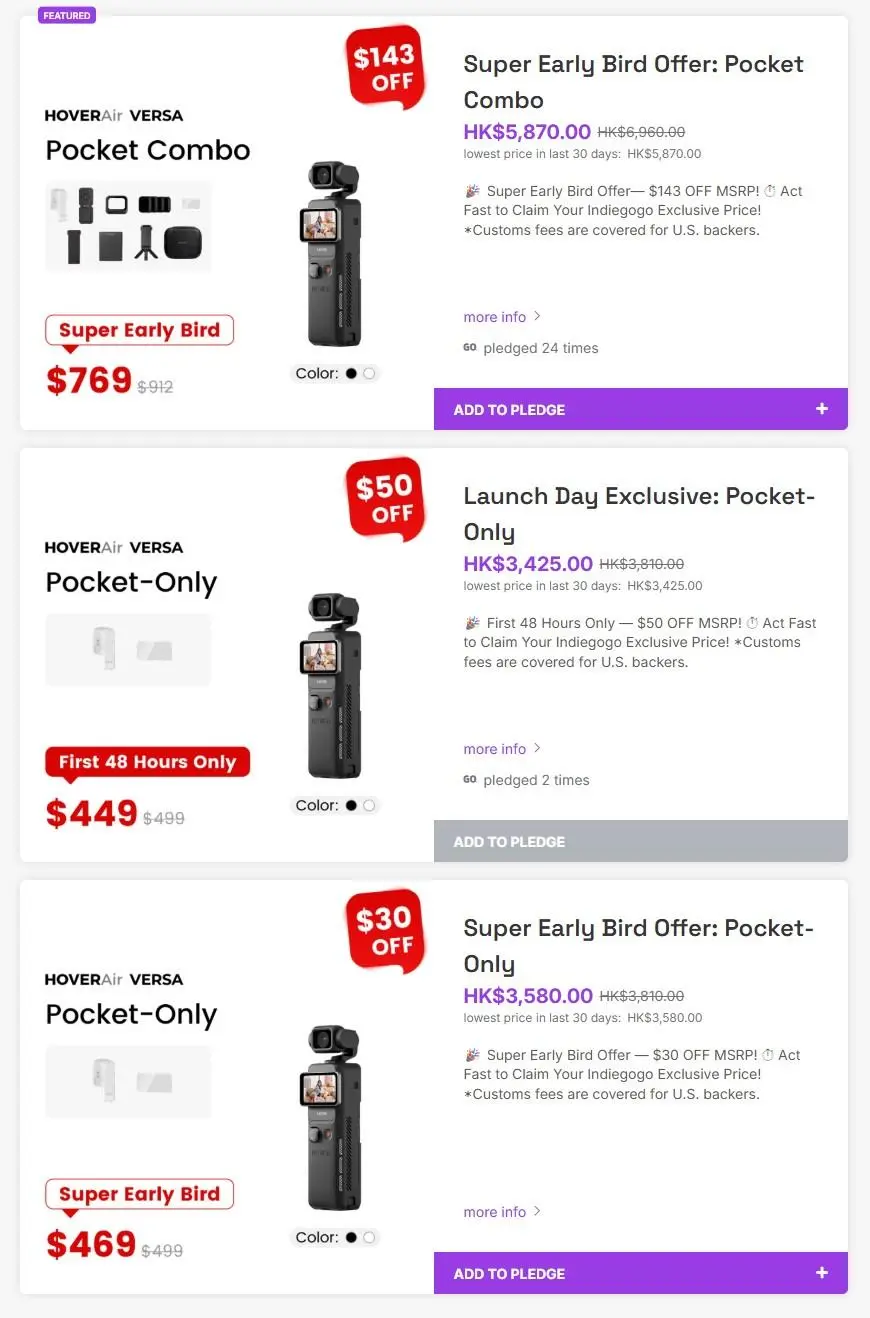
The United States gadget enthusiast community is once again reeling from the long arm of federal regulatory enforcement. The HoverAir Versa—an innovative hybrid device designed to function as a compact steadycam that transforms into a flying drone via snap-on propeller wings—has abruptly halted US sales and distribution plans. This sudden standstill comes mere days after its much-anticipated debut on the crowdfunding platform Indiegogo.
Manufactured by the Chinese tech company Zero Zero Robotics, the HoverAir Versa promised a versatile, pocket-sized multimedia solution. However, its unique dual-nature design has triggered a severe regulatory clash with the Federal Communications Commission (FCC). While initial reports indicated that the device had cleared regulatory hurdles in August, it has since become apparent that the approval applied exclusively to its camera functionality, completely bypassing its capability to operate as an aerial drone.
Consequently, Zero Zero Robotics has begun restricting US-based orders. Backers attempting to secure the device from within the United States are finding themselves blocked from purchasing the "Flight Kit"—the critical accessory required to give the camera wings. Worse yet, because the FCC classifies cameras as integral components of drones under its stringent "Covered List" policies, even the standalone camera portion of the pledge is facing severe fulfillment roadblocks, leaving early supporters uncertain whether their orders will ever arrive.

Chronology
To understand how a promising crowdfunding campaign unraveled in a matter of days, it is necessary to examine the rapid sequence of events:
- August 9: The HoverAir Versa successfully navigates the initial FCC review process, securing an authorization grant. At the time, manufacturer Zero Zero Robotics frames the product primarily as a portable camera, successfully decoupling it from the stricter regulatory classifications applied to aerial hardware.
- Late August (Indiegogo Debut): Zero Zero Robotics launches the HoverAir Versa on Indiegogo. The campaign attracts immediate global interest, positioning the pocket steadycam-turned-drone as a revolutionary consumer tech product.
- Three Days Post-Launch: The reality of US regulatory compliance catches up with the campaign. US-based backers begin noticing anomalies on the checkout page, specifically the sudden disappearance of the "Flight Kit" option for American IP addresses.
- The "Logistics" Pivot: Zero Zero Robotics updates its Indiegogo community page, issuing a statement attributing the absence of the Flight Kit to "a few remaining logistics updates." However, independent investigations and database tracking reveal a starkly different reality: the FCC has seemingly scrubbed the device from its database, pointing toward a revoked authorization grant rather than a simple supply chain delay.
- Present Day: US backers report receiving notifications that their pledges cannot be fulfilled to their delivery addresses. While international buyers—such as those in Canada, verified via VPN testing—retain access to the complete combo packages including the Flight Kit, the US market faces an effective ban.
Supporting Data
The entanglement of the HoverAir Versa highlights the rigorous, uncompromising nature of current US telecommunications and hardware policy regarding foreign-manufactured unmanned aerial systems (UAS) and related components.
- The Covered List Policy: Under current federal guidelines, companies associated with specific foreign jurisdictions face automatic restrictions or intense scrutiny regarding drones and critical drone components.
- Component Classification: While Zero Zero Robotics initially argued that its product was fundamentally a camera and therefore exempt from the overarching drone bans, the FCC maintains a broad definition of critical components. Cameras integrated into flying systems or modular platforms capable of flight are scrutinized under the same regulatory umbrella as motors, flight controllers, and transmitters.
- Database Scrubbing: A primary indicator of the regulatory reversal is the status of the FCC equipment authorization database. Entries previously logged for the HoverAir Versa have vanished, a technical marker that typically signifies an administrative hold, compliance re-evaluation, or outright revocation of the marketing and import grant.
- Historical Precedent: This is not Zero Zero Robotics’ first brush with regulatory friction in the US market. Last December, the company faced a similar ordeal when it failed to secure proper waterproof certification for the HoverAir Aqua. In that instance, the company opted to string backers along for months with assurances of imminent shipping rather than promptly addressing compliance failures or issuing swift refunds.
Official Responses
As the situation develops, obtaining official transparency from both the regulatory body and the manufacturing firm has proven exceptionally difficult.

- Zero Zero Robotics: Aside from vague communications directed at backers in the Indiegogo comments section—attributing the missing hardware to "logistics updates with the Flight Kit"—the company has remained largely silent. Zero Zero Robotics has not yet responded to formal media inquiries regarding whether it intends to proactively offer refunds to disappointed US backers, or if it will attempt a costly structural redesign to bypass the FCC’s component definitions.
- The Federal Communications Commission: True to institutional form, the FCC has declined to comment on the record regarding the specific administrative actions taken against the HoverAir Versa. Agency representatives have maintained a policy of nondisclosure concerning active regulatory reviews, echoing similar recent silences surrounding other targeted consumer tech hardware, such as the rumored restrictions on the DJI Osmo Pocket series.
Implications
The HoverAir Versa fiasco carries far-reaching implications for both the consumer electronics industry and the crowdfunding ecosystem at large.
1. The Death of the "Loophole" Strategy
Hardware startups attempting to introduce modular consumer technology to the United States can no longer rely on clever categorization strategies. Designing a device as a "camera first, drone second" is no longer an effective way to navigate the FCC’s expansive definitions of critical drone components. Regulators are increasingly looking past marketing semantics to evaluate the total functional capabilities of imported tech.
2. Growing Risks for Crowdfunding Backers
Platforms like Indiegogo and Kickstarter are inherently risky, but regulatory crackdowns add an entirely new layer of volatility. US consumers who back hardware projects on these platforms now face the distinct possibility that a fully funded, highly desirable gadget may be rendered legally dead on arrival due to sudden shifts in federal trade and telecommunications policy.

3. Fallout for Brand Trust
For Zero Zero Robotics, the reputational damage threatens to overshadow its technological innovations. Having previously stumbled over regulatory compliance with the HoverAir Aqua, repeating a pattern of opaque communication—masking regulatory bans as mere "logistics updates"—risks alienating its core user base. If the company fails to pivot quickly toward a transparent refund policy for its American backers, future campaigns may face severe skepticism from a wary consumer market.
Ultimately, the HoverAir Versa serves as a cautionary tale: in today’s geopolitical and regulatory climate, no amount of engineering ingenuity can take flight without first clearing the formidable barriers of Washington’s airwaves and customs enforcement.
