

By Oscar Gonzalez
Enriched and Expanded Reporting
Main Facts: The Battle for Grand Theft Auto 6 Control
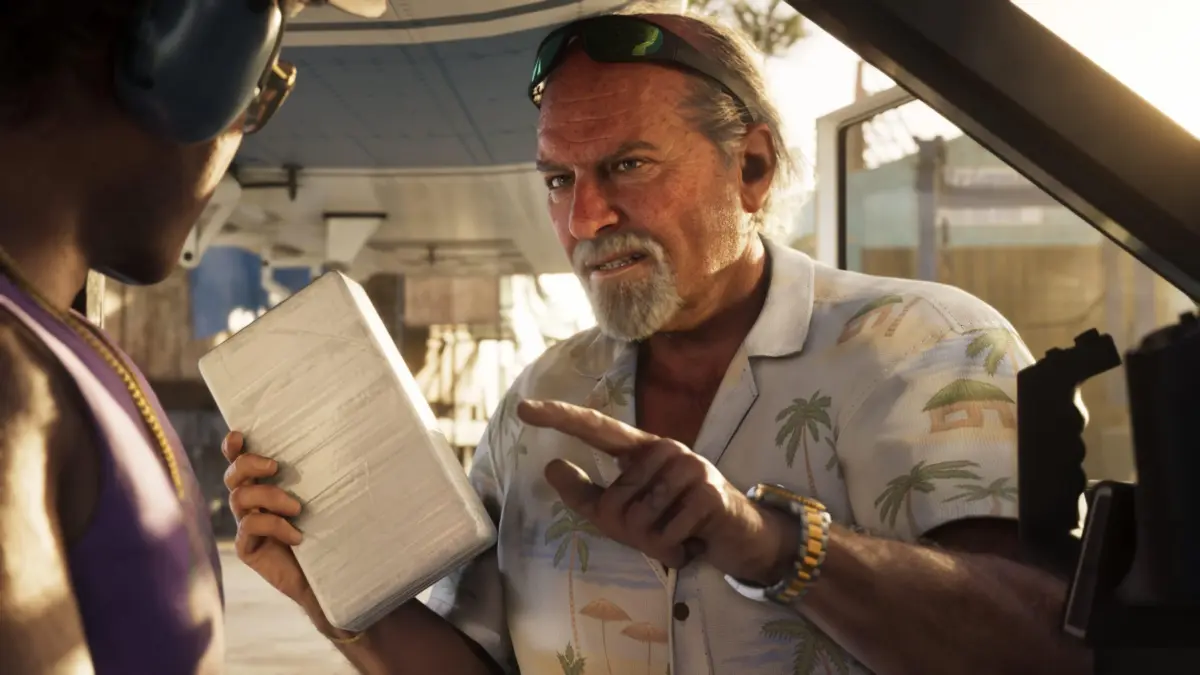
With the most anticipated video game in history sitting just months away from its scheduled November 19 release date, publisher Take-Two Interactive has taken aggressive legal action to plug a series of damaging security breaches. Over the past week, snippets of unreleased gameplay, internal cutscenes, and tutorial screens from Grand Theft Auto 6 have circulated widely across the internet. The leaks appear to originate from an individual or group currently possessing an active, internal build of the blockbuster title.
In response to the intellectual property violations, Take-Two Interactive—the parent company of developer Rockstar Games—filed a formal petition in the US District Court for the Southern District of New York. The legal maneuver seeks Digital Millennium Copyright Act (DMCA) subpoenas targeting tech giants Microsoft and Discord. Take-Two aims to compel these platforms to surrender identifying records, user logs, and backend metadata that could unmask the perpetrators behind the unauthorized leaks.
The commercial stakes for Take-Two and the broader interactive entertainment industry are monumental. Grand Theft Auto 6 is projected to achieve unprecedented sales volumes upon arrival for the PlayStation 5 and Xbox Series X/S consoles. Its towering cultural and economic gravity has completely warped the 2026 release calendar; competing publishers have intentionally cleared the late-November window, crowding their own product launches into preceding months or delaying them until February 2027 at the absolute earliest.
Official promotional materials for the game consistently command tens of millions of views within hours of dropping. The anticipation is so intense that streaming giant Netflix secured exclusive rights to debut a heavily anticipated teaser ahead of its public dissemination. Because Rockstar and Take-Two have meticulously orchestrated a controlled, information-dripping marketing strategy, these sudden, chaotic leaks threaten to disrupt years of careful planning, prompting a swift and unforgiving judicial crackdown.
Chronology of the Breach: From Social Media Taunts to Federal Subpoenas
The latest chapter in the Grand Theft Auto 6 saga began unfolding in mid-August, setting off a rapid chain of events that culminated in federal court filings:
- Mid-August: A shadowy collective calling itself "CyberLeek" begins publishing short, fragmented gameplay clips on various social media networks and video-sharing platforms. The footage features one of the game’s dual protagonists, Jason, navigating urban environments, engaging in vehicle thefts, and demonstrating rudimentary open-world mechanics.
- Late August: The leaks expand beyond isolated clips. A dedicated GitHub repository titled
zyrexdz/cyberleek-leak-researchis established, serving as a hub for cataloging the leaked footage, tracking related discussions, and attempting to crowdsource the identities of the leakers. Across multiple platforms, approximately nine distinct gameplay videos surface, showcasing disjointed cutscenes and tutorial menus out of narrative sequence. - Wednesday: The leakers up the ante with an explicit threat directed at Rockstar Games. Alongside a newly uploaded gameplay segment, the group posts a provocative message: "No physical discs? Then more leeks!" This statement ties the security breach directly to consumer discontent surrounding Rockstar’s distribution model.
- Thursday: Armed with evidence of copyright infringement, Take-Two Interactive submits a formal petition for DMCA subpoenas to the US District Court in Manhattan, targeting both Microsoft (as the owner of GitHub) and Discord.
- Friday: Discord issues a public statement acknowledging the legal request and confirming its standard corporate policy of compliance. Meanwhile, Microsoft declines to offer an immediate public comment. The court filings establish a compliance deadline of September 4 for the requested user data and server logs to be produced.
Supporting Data: The Scope of Take-Two’s Subpoena Demands
Take-Two’s legal filings leave little to the imagination regarding the depth of the data requested from service providers. The publisher is casting a wide net to ensure that whoever accessed and distributed the copyrighted assets can be positively identified and held legally liable.
Discord User Records Demanded
In its petition, Take-Two explicitly lists multiple Discord user accounts suspected of involvement in hosting or promoting the leaked materials. To unmask these individuals, the publisher is requesting a comprehensive suite of digital footprints, including:

- Original message logs and chat histories within specific servers.
- IP access logs detailing the network connections used by the accounts.
- Associated email addresses and verified phone numbers.
- Connected third-party accounts and linked authorization services (such as Google, Xbox, and Steam).
- Backend metadata, telemetry, and detailed device identifiers.
Microsoft and GitHub Data Demanded
While the Discord subpoenas focus heavily on pinning down specific user profiles, Take-Two’s request directed at Microsoft is more structurally focused. The publisher has demanded detailed transactional and hosting data from the specific GitHub repository (zyrexdz/cyberleek-leak-research) utilized to aggregate and analyze the leaks. While the initial filings do not explicitly detail whether user-level logs for the repository contributors are being targeted to the same extent as the Discord accounts, the inclusion of the repository points to a multi-pronged strategy to dismantle the digital infrastructure supporting the leak community.
Official Responses and Industry Reactions
The standoff between the multi-billion-dollar publisher and the decentralized leak syndicates has drawn reactions from corporate entities and media watchdogs alike:
- Take-Two Interactive / Rockstar Games: True to their historical posture regarding leaks—echoing the massive structural breach that occurred during the game’s early development phases—executive leadership has maintained a strict public silence regarding the specific content of the leaks. Instead, they have channeled their response entirely through the legal system, emphasizing the protection of intellectual property under the DMCA. The court filings stress that the subpoena requests are strictly purposed toward identifying infringers and safeguarding proprietary assets.
- Discord: Responding through an official spokesperson on Friday, the communication platform stated, "Discord will review and comply with valid subpoenas when received." The company routinely cooperates with lawful federal court orders regarding copyright violations and criminal investigations.
- Microsoft: As the corporate parent of GitHub, Microsoft has not yet issued an official comment regarding the specific GitHub repository subpoena request.
- The CyberLeek Collective: Operating from the shadows of decentralized messaging boards and open-source code repositories, the group behind the leaks has attempted to frame their actions as a form of consumer protest. Their Wednesday manifesto—demanding that Rockstar reverse its decision to abandon traditional physical discs—attempts to weaponize fan nostalgia and collector grievances to justify the unauthorized distribution of proprietary software code.
Implications: The War Over Digital Distribution and Game Security
Beyond the immediate legal battles unfolding in a New York courtroom, this incident highlights deep, systemic friction points within the modern video game industry.
The Death of the Physical Disc and Consumer Backlash
The root ideological justification offered by the leakers—protesting Rockstar’s decision to forgo traditional physical game discs—touches a nerve among hardcore collectors and preservationists. When Rockstar announced its preorder pricing and packaging details in June, it confirmed that Grand Theft Auto 6 would not ship with a traditional game disc inside the box. Instead, physical retail boxes will merely contain a digital download code.
While publishers increasingly favor all-digital distribution models to cut manufacturing costs, combat the used-game market, and secure digital margins, a vocal segment of the consumer base views this shift as an erosion of ownership. The CyberLeek group’s attempt to use leaks as leverage against this corporate policy demonstrates a dangerous new precedent: disgruntled actors attempting to hijack high-profile software releases to force commercial policy changes.
Economic Realities of a $80 Blockbuster
With the Grand Theft Auto 6 Standard Edition priced at $80 and the Ultimate Edition climbing to $100, the financial thresholds for AAA gaming have reached new heights. Consumers are paying more than ever for premium entertainment experiences, heightening expectations for absolute polish and day-one stability. Consequently, leaks—which often present early, unoptimized, or buggy builds out of context—can distort public perception, damage pre-release hype, and force developers into defensive public relations postures.
The Future of Leak Prevention
Take-Two’s aggressive employment of DMCA subpoenas signals a clear message to the modding, datamining, and leak communities: unauthorized pre-release material will be met with the full weight of federal copyright law. As the industry braces for the November 19 launch, the outcome of these subpoenas will likely set a major legal benchmark for how gaming corporations track down and prosecute digital piracy and insider leaks in an increasingly interconnected, decentralized digital landscape.
