

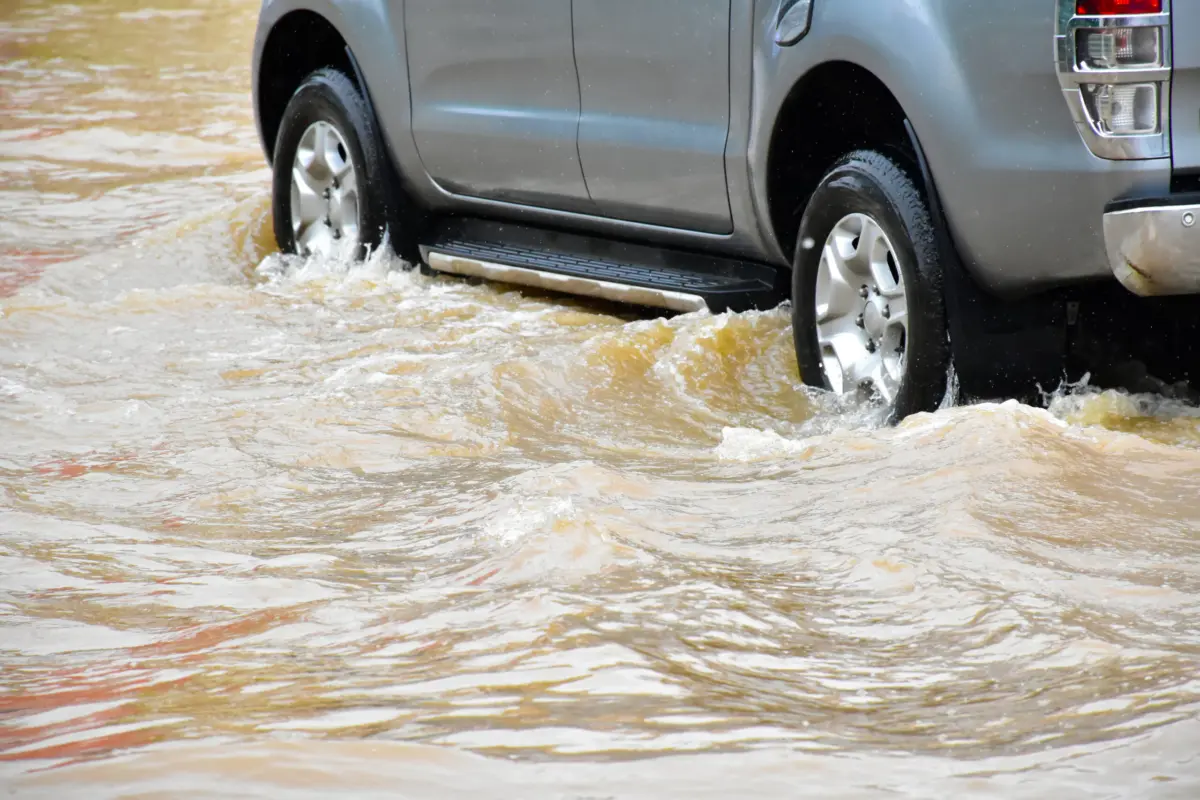
Few natural phenomena pack the terrifying, sudden destructive power of a flash flood. Arriving with little to no advance warning, tens of thousands of gallons of fast-moving water can surge through streets, tear up root systems, collapse bridges, and transform quiet neighborhoods into treacherous waterways within minutes. Whether triggered by relentless torrential thunderstorms, tropical systems, or the rapid spring thaw of heavy winter ice packs, flash floods push rivers, streams, and man-made containment structures like levees past their absolute limits.
Understanding the mechanics of these events and taking proactive steps to safeguard your home and family can mean the difference between tragedy and survival.
The Anatomy of a Flash Flood: Main Facts
Flash floods are defined by their speed. Unlike riverine floods, which develop over days from sustained regional rainfall, flash floods occur within hours—and sometimes mere minutes—of a primary causal event.
- The Lethality Factor: According to the National Weather Service (NWS), flash flooding claims an average of 88 lives every year in the United States alone. This toll surpasses the annual fatalities caused by hurricanes, lightning, or tornadoes.
- Deceptive Depth: People routinely underestimate the physical force of moving water. The NWS notes that a mere 6 inches of fast-moving floodwater is enough to knock an adult off their feet.
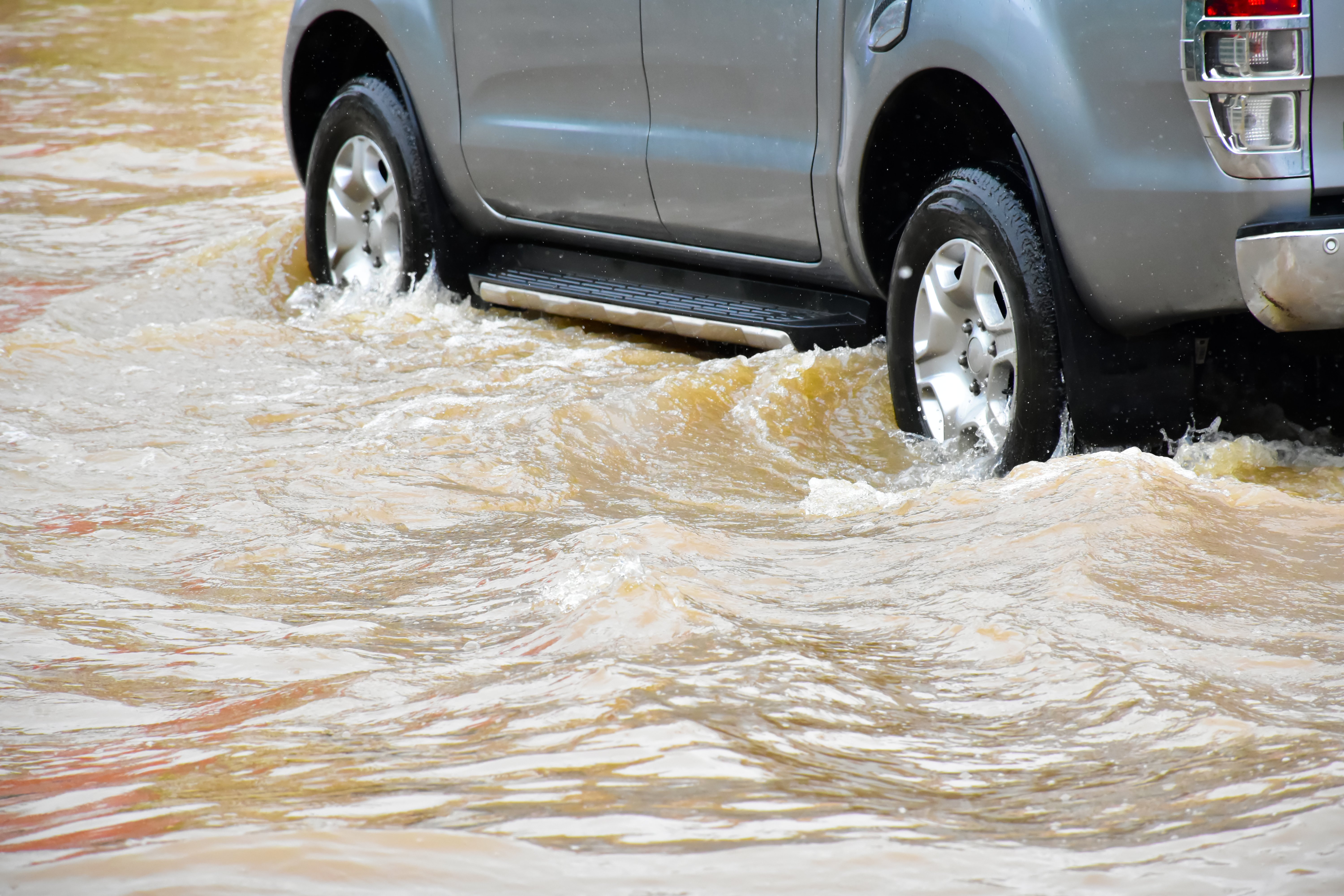
- Vehicular Peril: Just 12 inches of rushing water can float and carry away most standard passenger cars, while 24 inches of rushing water can sweep away SUVs and trucks.
A Timeline of Crisis: From Warning to Aftermath
Understanding how a flash flood evolves can help you anticipate the dangers and react appropriately at every stage of the emergency lifecycle.

Phase 1: Pre-Event and Alert (Hours to Days Prior)
Meteorological agencies monitor atmospheric rivers, saturated soils, and heavy precipitation forecasts. This is when the National Weather Service issues Flash Flood Watches (indicating conditions are favorable for flooding) and eventually Flash Flood Warnings (indicating imminent or ongoing flooding).
Phase 2: The Onset (Minutes to Hours)
Heavy rain overwhelms storm drains, local creeks breach their banks, and water begins pooling on roadways. If you receive a Wireless Emergency Alert (WEA) on your smartphone, the window for preparation narrows to minutes. This is the time to gather emergency kits, secure pets, and move to higher levels of the home or evacuate if ordered.
Phase 3: The Peak Surge (Active Flooding)
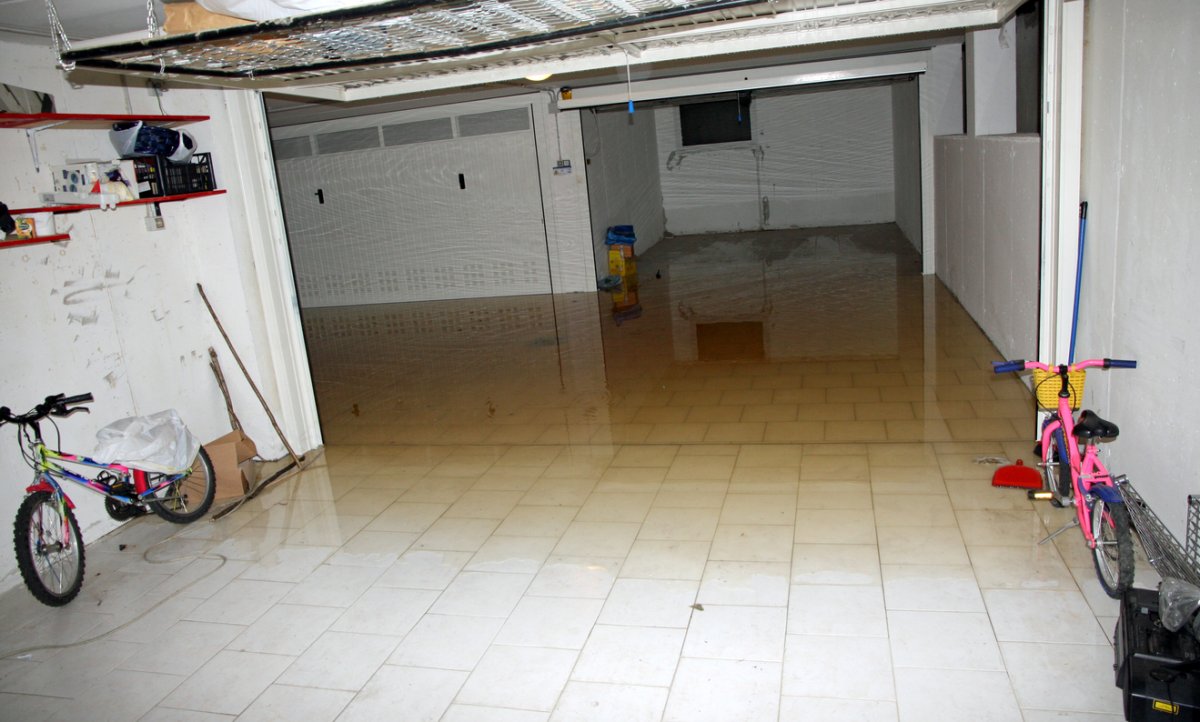
Water levels rise rapidly, submerging vehicles, breaching basements, and cutting off local power grids. First responders issue stay-put or evacuation mandates. Venturing outside during this phase exposes individuals to submerged hazards, downed high-voltage power lines, and structural collapses.
Phase 4: The Immediate Aftermath (Hours to Days After)
Once the rain stops and waters recede, the danger shifts to structural instability, contamination, and electrocution risks. Returning evacuees must navigate utility shutdowns, mold mitigation, and damage assessments alongside insurance adjusters.

Supporting Data and Risk Factors
The Federal Emergency Management Agency (FEMA) underscores that water damage is among the most pervasive and expensive natural disasters facing property owners.
- Financial Impact: FEMA statistics reveal that a mere 1 inch of water inside a standard residential structure can easily cause upwards of $25,000 in structural and personal property damage.
- Insurance Gaps: Despite these statistics, standard homeowners insurance policies explicitly exclude flood damage. Property owners outside designated high-risk flood zones frequently forgo supplemental flood insurance, assuming they are safe—yet roughly 25% of all flood insurance claims originate in low-to-moderate risk areas.
- Infrastructure Strain: Urban and suburban developments exacerbate flash flooding risks due to impermeable surfaces like asphalt, concrete, and rooftops, which prevent rainwater from naturally absorbing into the soil and instead direct massive volumes directly into municipal storm systems.
Official Responses and Safety Protocols
When local authorities and meteorological agencies issue emergency directives, compliance is critical. Emergency management organizations stress several non-negotiable safety rules:

- "Turn Around, Don’t Drown": This foundational NWS mantra reminds motorists never to attempt driving across flooded roadways. It is impossible to gauge the depth of the water or the structural integrity of the road underneath; a missing section of pavement or a washed-out culvert can instantly swallow a vehicle.
- Heed First Responders: If local law enforcement or emergency management personnel issue an evacuation order, residents must comply immediately. Conversely, if officials advise sheltering in place, residents should stay indoors on upper levels to avoid becoming stranded in moving water.
- Barricade Respect: Never move or drive around physical warning barricades set up by city crews or emergency responders. They are placed to block hazards that are often invisible beneath the water’s surface.
8 Essential Steps for Flash Flood Preparedness
Preparation is your best defense against the unpredictability of flash floods. Integrate these eight steps into your household safety plan:
1. Subscribe to Extreme Weather Alerts
Relying on a single source for emergency news is dangerous. Ensure you are signed up for multiple notification channels:

- Wireless Emergency Alerts (WEAs): Automatically pinged to your mobile device by the FCC through your wireless carrier based on your precise geographic location.
- National Weather Service: Monitor active alerts via weather.gov or follow official NWS updates on social media platforms with push notifications enabled.
- Local Broadcasts: Keep a battery-powered or hand-crank emergency radio tuned to regional TV and radio stations for hyper-local updates.
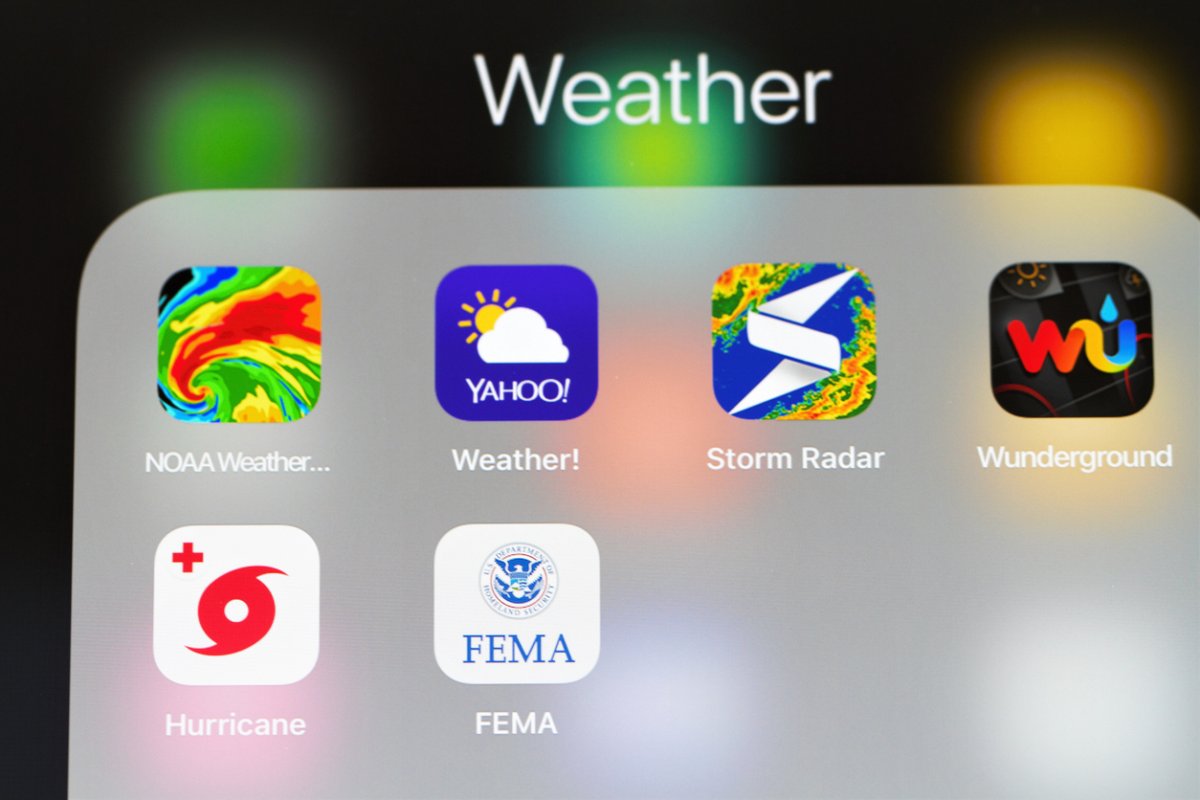
- Weather Apps: Download dedicated apps (such as The Weather Channel, AccuWeather, or FEMA’s official app) to receive real-time radar tracking and local bulletins.
2. Formulate a Family Emergency Plan
When a crisis hits, stress impairs cognitive processing. Creating a detailed emergency plan ahead of time ensures everyone knows their responsibilities. Prioritize the safety of family members and pets above all material possessions. Conducting periodic family emergency drills can alleviate panic and make the process second nature.
3. Build and Maintain a Comprehensive Emergency Kit
Power outages frequently accompany flash floods, and attempting to navigate a flooded basement to check a tripped circuit breaker is lethally dangerous. Every home should maintain a "bug-out bag" or shelter-in-place emergency kit containing:

- Reliable Lighting: Avoid candles and matches due to fire risks. Instead, stock up on high-efficiency, battery-powered LED flashlights and lanterns (such as the Lepro LE Super Bright LED Camping Lantern).
- First Aid Supplies: Keep a fully stocked medical kit ready for minor injuries.
- Non-Perishable Food: Store high-energy food bars and canned goods in airtight containers.
- Emergency Drinking Water: The American Red Cross recommends storing a minimum of one gallon of water per person per day for at least three days, as municipal water supplies can easily become compromised by floodwaters.
4. Clear Rain Gutters and Downspouts
Flash floods are not always massive wall-of-water events; they can be generated simply by intense, localized rainfall overwhelming a property’s drainage capabilities. Cleaning your home’s gutters and downspouts ensures that rainwater is channeled safely away from your foundation rather than pooling around the base of your home and seeping into the basement.
5. Inspect and Maintain Your Sump Pump
Because water flows downhill, basements bear the brunt of residential flooding. A well-maintained sump pump is your primary line of defense against sub-grade water accumulation. Ensure your sump pump is fully operational, test it periodically by pouring a bucket of water into the pit, and consider investing in a battery backup system to keep it running during municipal power failures. For post-storm cleanup, having a heavy-duty wet/dry shop vacuum (such as the Ridgid 12-Gallon 5.0 Peak HP NXT Wet/Dry Vac) on hand will make water extraction significantly faster.
6. Relocate Basement Valuables to Higher Ground
If your home sits in an area with a moderate-to-high risk of rising water, evaluate the contents of your basement. Sentimental items, important documents, and electronics should be moved to upper levels or stored securely on elevated steel shelving units in a garage or shed. Raising items even a couple of feet off the floor can prevent total destruction.
7. Create a Home Inventory and Review Insurance Policies
Documenting your possessions is crucial for insurance claims. Walk through your home with a smartphone video camera, recording the makes, models, purchase dates, and estimated values of major electronics, appliances, and furniture. Store this digital inventory in the cloud. Additionally, consult your insurance agent to determine if adding a dedicated flood insurance policy through the National Flood Insurance Program (NFIP) is necessary for your property.

8. Follow Strict Post-Flood Recovery Guidelines
Returning to a flooded home requires extreme caution. Adhere to these protocols to protect your health and property:
- Wait for the All-Clear: Only return to your property after local officials confirm it is safe to do so.
- Avoid Electrical Systems: Do not touch or attempt to reset electrical breakers or appliances until an electrician or utility provider clears them.
- Discard Compromised Food: Throw away any food items that have come into direct contact with floodwaters.
- Sanitize and Dry: Clean hard surfaces with a diluted bleach solution. Combat mold growth—which poses severe respiratory hazards—by running commercial box fans, dehumidifiers, and HVAC fans to circulate air.
- Call Professionals: For extensive damage, hire certified water damage restoration specialists to structurally dry and sanitize the property.
Implications for Communities and Property Owners
As shifting climate patterns increase the frequency and intensity of severe weather events across the globe, community infrastructure and individual property management must evolve. Municipalities are increasingly investing in green infrastructure—such as permeable pavements, bioswales, and expanded retention basins—to manage sudden runoff.

However, individual preparedness remains the most reliable safeguard. By respecting the destructive potential of rising waters, subscribing to early warning systems, maintaining property drainage, and securing adequate insurance coverage, homeowners can drastically mitigate the risks posed by flash floods and protect what matters most.
