

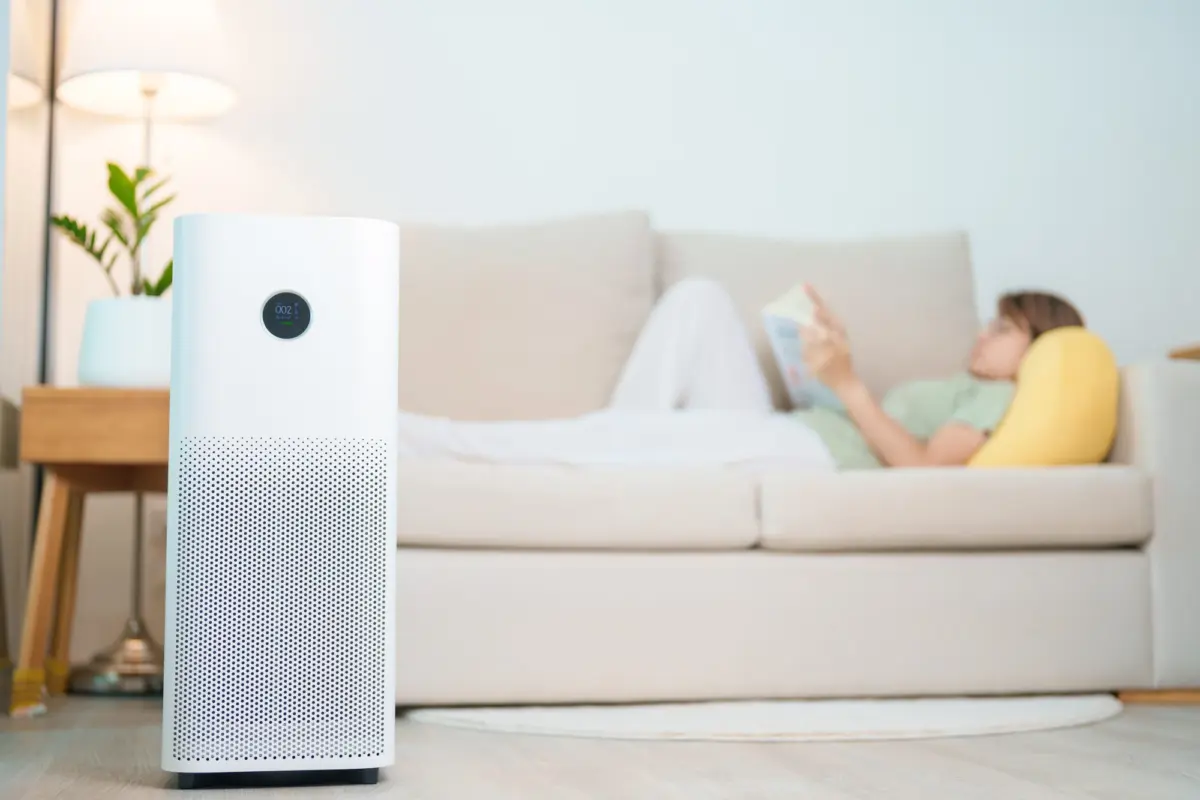
In an era defined by tighter building envelopes, energy-efficient architecture, and rising environmental concerns—ranging from seasonal wildfire smoke and persistent urban smog to indoor allergens like mold spores, pet dander, and dust mites—indoor air quality has transitioned from a background consideration to a frontline health priority. According to environmental health data, the average person spends approximately 90 percent of their life indoors. Consequently, the air trapped within our homes plays a monumental role in overall health, respiratory wellness, and daily comfort.
While portable air purifiers have become ubiquitous household appliances, simply plugging one in and walking away is rarely enough to reap their full benefits. To demystify the art and science of indoor air filtration, we consulted leading industry authorities: Michael Rubino, a prominent mold and air quality expert, environmental wellness advocate, founder of HomeCleanse, and chair of the Change the Air Foundation based in Tampa, Florida; and Edwin Cheung, co-founder and vice president of business development at Rabbit Air in Pasadena, California.
Together, these experts break down how to evaluate your home’s air quality needs, select the correct unit size, optimize placement, execute proper setup, maintain your equipment, and steer clear of common user pitfalls.
Main Facts: Why Air Purifiers Matter More Than Ever
Indoor air can often be significantly more polluted than outdoor air. Everyday activities—cooking, cleaning with chemical-laden products, burning candles, shedding pet dander, and tracking in outdoor pollens—continually introduce microscopic particulates and volatile organic compounds (VOCs) into living spaces.
- The Exposure Route: Air is one of our primary routes of biological exposure. Because we spend the vast majority of our time indoors, airborne contaminants constantly interact with our respiratory and immune systems.
- Versatile Defense: High-efficiency particulate air (HEPA) purifiers, activated carbon filters, UV-C light technologies, and specialized ionization systems target different facets of indoor pollution, from foul odors and toxic gases to microscopic allergens and pathogens.
- Strategic Placement: Experts emphasize that air purifiers are not one-size-fits-all magical fix-alls; they require intentional deployment in rooms where occupants spend the most time, as well as in high-traffic or pollution-dense zones.
"Air is one of the greatest routes of exposure we face," explains Michael Rubino. "With more tightly built homes and an increasing number of airborne contaminants, improving indoor air quality is critical to supporting our wellness. Air purifiers are a vital piece of the puzzle in improving the air we breathe every day."
Chronology: The Evolution of Indoor Air Management and Best Practices
Understanding how to use an air purifier effectively requires looking at how our approach to indoor environments has evolved over the past several decades.
1. The Era of Leaky Homes (Pre-1980s)
Historically, residential structures were built with loose construction standards. Natural drafts, unsealed window frames, and porous building materials meant that indoor air exchanged rapidly with the outdoors. While energy efficiency was poor, indoor pollutant stagnation was rarely a widespread crisis because fresh air constantly infiltrated living spaces.
2. The Energy Efficiency Shift (1980s–2000s)
As energy costs climbed and building science advanced, the focus shifted sharply toward weatherization. Homes became tightly sealed capsules designed to retain heating and cooling. While successful in reducing utility bills, this architectural tightness trapped moisture, chemical off-gassing from synthetic building materials, and everyday pollutants inside, leading to a noticeable rise in indoor air quality complaints and allergic sensitivities.
3. The Modern Filtration Revolution (2010s–Present)
Today, portable air filtration has moved from a specialty medical device for severe asthma sufferers to a mainstream consumer appliance. Driven by heightened awareness around global pandemics, recurring wildfire seasons, and chronic urban air pollution, consumers now demand sophisticated multi-stage filtration units capable of handling everything from sub-micron particulate matter to complex chemical odors.
Supporting Data: Sizing, Air Changes, and Technical Metrics
Selecting the right air purifier is a mathematical exercise, not a guessing game. Both Rubino and Cheung emphasize that matching a unit’s Clean Air Delivery Rate (CADR) and square footage rating to your specific room dimensions is non-negotiable.
Calculating Room Capacity and Air Changes Per Hour (ACH)
To ensure optimal performance, an air purifier must be capable of processing the total volume of air within a given space multiple times every hour.
- Standard Living Spaces: Select a purifier capable of exchanging the total volume of room air at least two times an hour.
- Allergy and Asthma Sufferers: Experts recommend stepping up performance to four air changes per hour to rapidly capture transient allergens before they settle.
- The Oversizing Strategy: Choosing an air purifier rated for a larger space than your actual room footprint is a proven industry hack. This allows you to operate the device on lower, quieter fan speeds while still achieving the necessary air turnover rate.
Special Environmental Factors to Consider
Raw square footage is only part of the equation. Several structural and lifestyle variables dictate whether you need a higher-capacity unit:
- High Ceilings: Rooms with vaulted or high ceilings contain a significantly larger volume of air than standard 8-foot-ceiling rooms of the same floor area. They require units rated for larger square footages.
- High-Traffic Zones: Open-concept living areas connected to kitchens or high-foot-traffic entryways experience constant air disruption, demanding stronger continuous filtration.
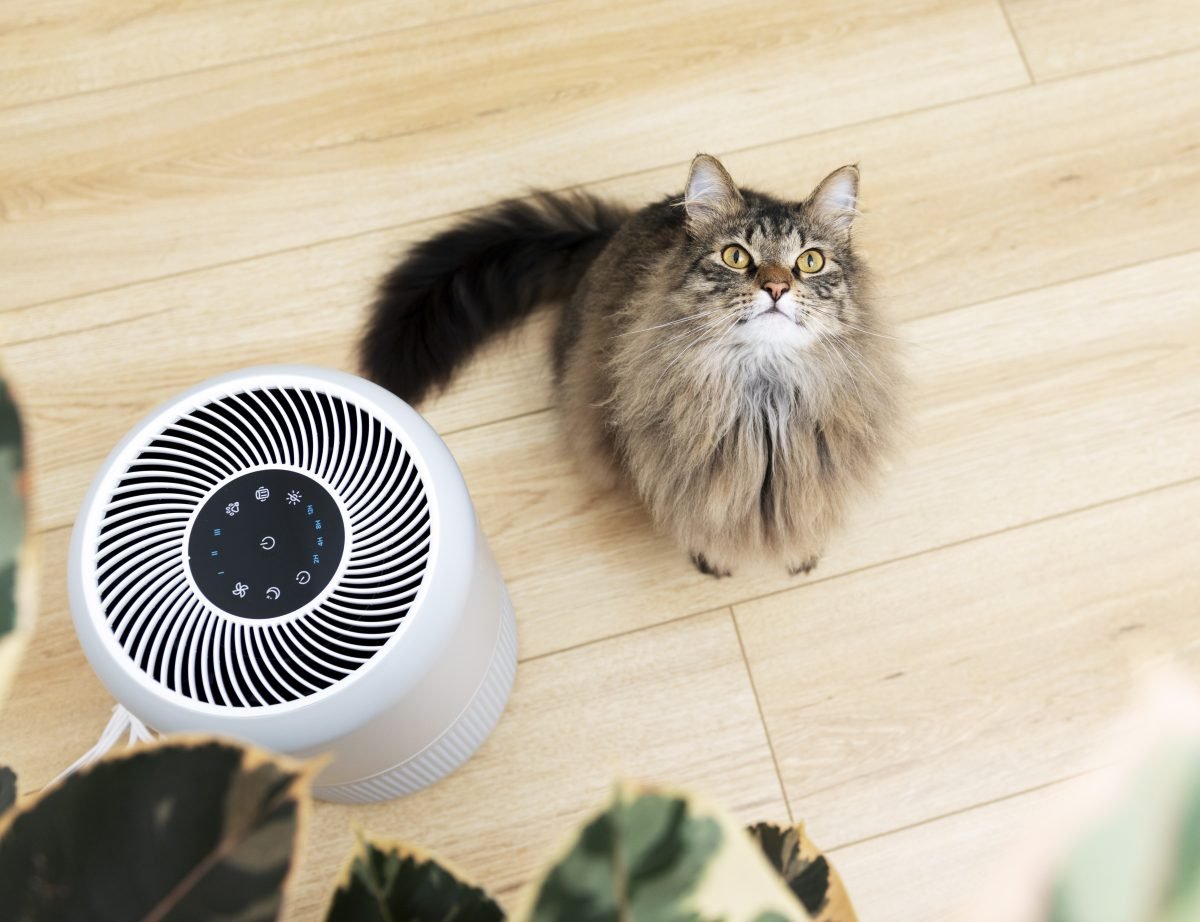
- Household Pets: Multiple shedding or dander-producing animals necessitate robust pre-filtration layers and frequent maintenance.
- Active Renovations: Ongoing home improvement projects kick up drywall dust, sawdust, and chemical particulates that can quickly overwhelm standard domestic purifiers.
Official Recommendations: Placement, Setup, and Maintenance
To extract maximum value from your investment, industry professionals recommend adhering to a disciplined framework for placement, initial setup, and routine upkeep.
Optimal Placement Guidelines
Where you park your air purifier directly dictates its efficiency.
- The Primary Bedroom: Because humans spend roughly one-third of their lives sleeping, the bedroom is the most logical starting point for continuous nighttime recovery and respiratory rest.
- High-Traffic Areas: Family rooms, home offices, and spaces adjacent to kitchens benefit immensely from continuous air turnover.
- Proximity to Pollutants: Position units near known sources of contamination—such as pet beds, entryways, or litter box areas—while maintaining adequate clearance around the unit’s intake and exhaust vents to prevent airflow restriction.
Setting Up a New Air Purifier
While modern appliances are designed for out-of-the-box simplicity, skipping foundational setup steps can damage the unit or render it useless:
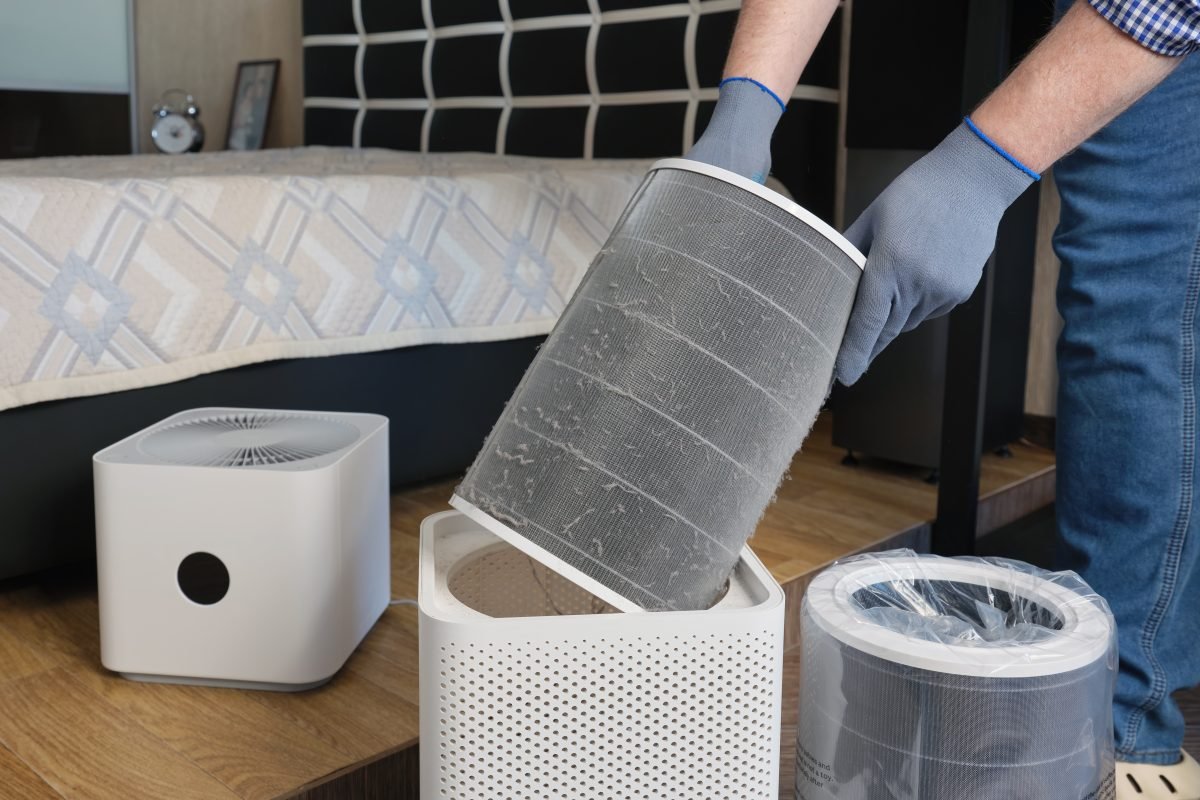
- Unpack Internal Filters: Most manufacturers ship air filters wrapped in protective plastic bags to preserve freshness during transit. Always open the housing panel and remove all plastic wrapping from the filters before turning the unit on.
- Clear Surrounding Obstructions: Ensure the unit is placed away from heavy drapery, walls, or furniture that could block air intake grilles.
- Verify Electrical Compatibility: Plug the unit directly into a grounded wall outlet rather than daisy-chaining it through overloaded extension cords or unrated power strips.
Routine Maintenance Protocols
An air purifier is only as clean as its filters. Neglecting maintenance leads to motor strain, reduced airflow, and potential re-dispersion of trapped contaminants.
- Pre-Filter Cleaning: Vacuum or wipe down mesh pre-filters every few weeks to capture larger dust bunnies, hair, and debris before they clog the primary HEPA layer.
- Filter Replacement Schedules: Adhere strictly to manufacturer timelines for HEPA and activated carbon filter replacements—typically ranging from every 6 to 12 months depending on usage intensity and local air quality.
- Exterior Wipe-Down: Keep the outer chassis and intake vents free of dust accumulation using a damp microfiber cloth.
Implications: Avoiding Common Pitfalls for Long-Term Wellness
Failing to operate air purifiers correctly can lead to a false sense of security. Homeowners frequently fall into several trap doors when managing indoor air quality:
- Treating the Symptom, Not the Source: An air purifier is a powerful mitigation tool, but it cannot solve root-cause issues like active water leaks fueling mold growth or unvented gas appliances spewing combustion byproducts. Environmental wellness requires pairing filtration with source remediation.
- Ignoring Noise and Energy Trade-offs: Running an air purifier exclusively on its highest, loudest setting often leads users to turn the unit off entirely out of frustration. Selecting a unit sized correctly for the room allows it to run quietly on low or medium speeds for 24/7 continuous operation.
- Falling for Ozone Gimmicks: Consumers should exercise caution with unverified air cleaning technologies—such as cheap ozone generators—that intentionally introduce reactive gases into the living space, which can irritate respiratory linings. Stick to proven mechanical filtration mechanisms like true HEPA and activated carbon.
By taking a calculated, expert-backed approach to selecting, placing, and maintaining home air purifiers, households can successfully transform their indoor environments into sanctuaries of clean, breathable air—safeguarding long-term health and enhancing everyday living.
