

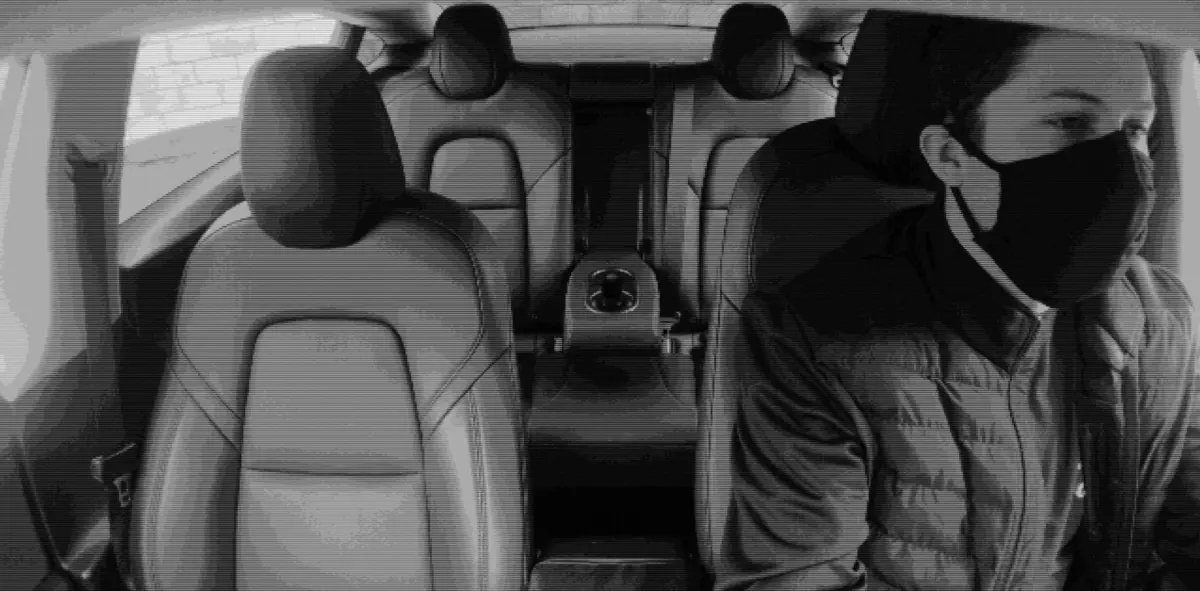
BEIJING — In one of the most sweeping regulatory actions targeting advanced driving assistance systems to date, Tesla has initiated a massive recall encompassing 2,740,642 vehicles across China. Mandated by the State Administration for Market Regulation (SAMR), the recall aims to fundamentally overhaul how the electric vehicle manufacturer monitors driver engagement.
Regulators determined that Tesla’s reliance on simple steering-wheel torque detection was profoundly insufficient to ensure motorists maintain active visual oversight of the road while utilizing the company’s "combination driving assistance" features. Consequently, the automotive giant is being forced to integrate active cabin-camera eye-tracking to prevent dangerous driver distraction.
The sweeping measure underscores a growing global consensus among transportation authorities: semi-autonomous driving systems require strict, multi-layered safeguards that go far beyond rudimentary physical inputs. For Tesla, which has long championed over-the-air software interventions over physical retrofits, the recall represents a significant regulatory hurdle in its second-largest market.
Main Facts: The Scope of the Mandate
The newly announced recall impacts an astonishing volume of the company’s fleet in China. Specifically, it covers 2,740,642 domestically manufactured Model 3 sedan and Model Y crossover vehicles produced over a nearly seven-year window, spanning from March 4, 2019, through December 7, 2025.
The core of the issue lies in the operational limitations of Tesla’s Level 2 automated driving functions—marketed broadly under terms like Autosteer and the newly rolled-out "Tesla Assisted Driving" (previously referred to internationally as Full Self-Driving, or FSD). When these features are engaged, the vehicle assumes lateral and longitudinal control under driver supervision.

However, SAMR’s investigation concluded that Tesla’s historical method of monitoring engagement—which relies exclusively on measuring the physical torque or pressure a driver applies to the steering wheel—fails to verify whether the driver is actually looking forward. Because a driver can keep a weighted hand or a specialized counter-weight on the steering wheel while completely ignoring the roadway, the regulatory body ruled the setup a direct and escalating threat to public safety.
To resolve the defect, Tesla is deploying an immediate, mandatory over-the-air (OTA) software update. This update fundamentally alters the car’s sensory hierarchy, layering direct cabin-camera eye-tracking on top of the existing steering-wheel torque monitoring system.
Chronology of Events: From Resistance to Enforcement
The path toward this massive Chinese regulatory intervention has been marked by years of tension surrounding data privacy, technological limits, and regulatory catch-up.
The Privacy Stance and Early Camera Restrictions
Years ago, Tesla fiercely resisted utilizing the interior-facing cabin cameras of its vehicles sold in mainland China. In 2021, amidst mounting geopolitical scrutiny and strict Chinese data localization and privacy laws, Tesla publicly assured consumers and regulators that its China-market vehicles had "not turned on their in-vehicle cameras." For a long period, the cabin optics remained dormant, forcing the automaker to rely entirely on exterior sensors and capacitive or torque-based steering wheels to manage driver attention.
The Introduction of Assisted Driving and Creative Workarounds
As Tesla prepared to roll out its supervised "Tesla Assisted Driving" software suite in China, the company finally began leveraging the cabin cameras to monitor operator alertness. Yet, the introduction of this software exposed immediate vulnerabilities in the hardware’s detection logic.
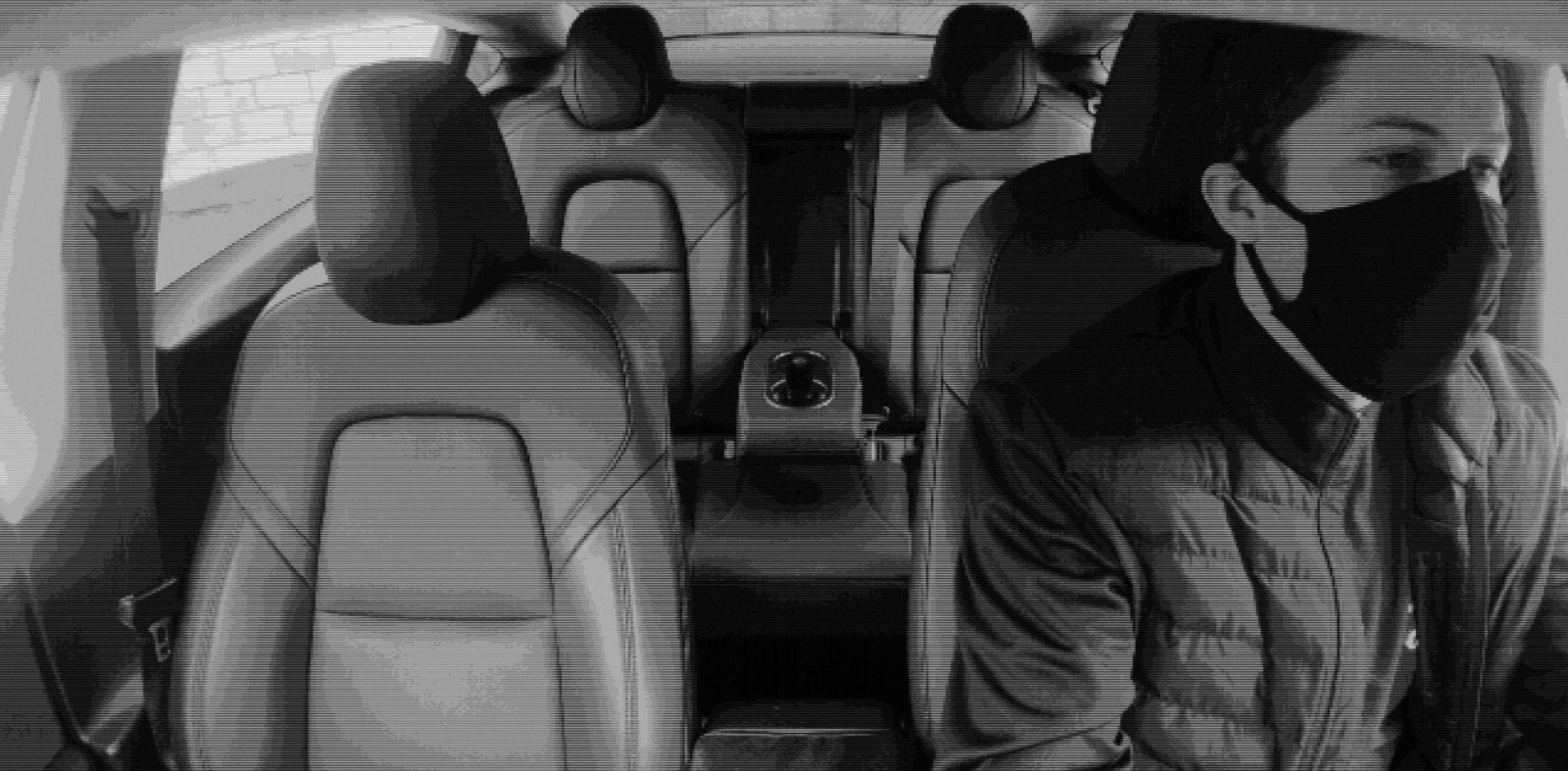
Within weeks of the feature deployment, ingenious motorists discovered ways to circumvent the camera-based monitoring system entirely. Drivers began purchasing inexpensive plastic doll heads—ranging from cartoon characters to celebrity likenesses like a Dwayne "The Rock" Johnson figurine—and mounting them near the rearview mirror. These crude props successfully fooled the vehicle’s interior monitoring algorithms into registering a human face looking forward. Publicized violations included one Model 3 owner who managed to drive for 30 uninterrupted minutes while eating sunflower seeds behind the gaze of a plastic toy.
Regulatory Crackdown and Simultaneous Filings
Prompted by these high-profile exploits and a growing number of safety concerns regarding Level 2 automation, SAMR stepped up its oversight. Following Tesla’s formal market launch of its updated assisted-driving suite, regulators moved quickly to close regulatory loopholes.
The driver-monitoring recall was not issued in a vacuum; it was part of a staggering double-blow delivered by Chinese regulators on a single day. Alongside the 2.74-million-vehicle driver-monitoring recall, Tesla was forced to file a separate, even larger recall affecting nearly 3 million vehicles due to interior emergency door release mechanisms that regulators deemed too difficult to locate and operate following a collision. Combined, the two simultaneous actions cover a staggering 5,716,552 vehicles—marking the largest aggregate recall total in Tesla’s history within the Chinese market.
Supporting Data: Comparative Global Standards
China’s aggressive stance on Tesla’s automation suites does not exist in a vacuum; it closely mirrors regulatory actions previously initiated by transportation authorities in the United States and Europe.
- The NHTSA Precedent: In December 2023, the U.S. National Highway Traffic Safety Administration (NHTSA) forced Tesla into a massive recall covering roughly 2 million vehicles equipped with Autopilot. That American recall was explicitly designed to address the inadequacies of the "Autopilot nag," compelling Tesla to introduce stricter driver-engagement tracking, more frequent visual and acoustic alerts, and stricter revocation protocols for motorists who repeatedly ignore warnings.
- The Scale of Exposure: Tesla’s reliance on China as both a manufacturing hub (via Gigafactory Shanghai) and a primary sales market means that regulatory shifts in Beijing carry immense financial and operational weight. With over 2.7 million vehicles impacted by the driver-monitoring software patch—and nearly 5.7 million vehicles touched by the day’s dual recalls—the scale represents a significant portion of Tesla’s cumulative global fleet footprint.
- Hardware vs. Software Fixes: While traditional automakers frequently rely on physical component redesigns for recalls, modern software-defined electric vehicles allow for rapid, instantaneous remediation. However, the ease with which motorists bypassed Tesla’s initial camera deployments highlights the ongoing arms race between automated driving software developers and end-users attempting to bypass safety limitations.
Official Responses and Industry Context
Neither Tesla nor Chinese regulatory officials have signaled any intention to back down from the newly imposed standards.

From the perspective of Chinese safety regulators, the era of treating driver-assistance systems as self-driving novelties has officially ended. SAMR’s mandate establishes a clear legal and technical precedent: systems classified as "combination driving assistance" must incorporate active, failsafe biological verification of driver attention. Simply checking for passive physical resistance on a steering wheel is no longer considered legally compliant.
Tesla, for its part, has complied with the directive by immediately rolling out the required software patches via its OTA network. The company has publicly affirmed its commitment to working alongside global regulators to enhance vehicle safety. However, industry analysts note that the unfolding situation creates a persistent public relations challenge for the automaker, which has continuously faced scrutiny over the marketing nomenclature of its driver-assist features.
By transitioning away from pure torque sensing toward integrated eye-tracking, Tesla must now train its machine-learning models to reliably handle diverse lighting conditions, prescription eyewear, face coverings, and nighttime driving scenarios without triggering false-positive alerts that frustrate users.
Implications for the Future of Autonomous Driving
The massive dual recalls in China carry profound implications not only for Tesla, but for the entire autonomous and semi-autonomous vehicle ecosystem moving forward.
1. The Death of Passive Monitoring
The days of relying on "steering wheel nags"—where a vehicle merely prompts a driver to wiggle the wheel every few minutes—are rapidly coming to an end. Regulators globally are recognizing that passive physical contact is an inadequate proxy for cognitive awareness. Future iterations of Level 2 and Level 3 systems will almost certainly require active, multi-modal biometric monitoring (including infrared eye-tracking, head-position sensing, and vital sign detection) as a mandatory baseline requirement for market entry.

2. Heightened Scrutiny in International Markets
As regulatory bodies share safety data and coordinate cross-border standards, rules pioneered in the U.S. and hardened in China are cascading into other jurisdictions. Automakers attempting to deploy autonomous features globally must now build systems robust enough to satisfy the world’s most stringent regulatory watchdogs from day one. This diminishes the viability of shipping half-baked driver-monitoring features with the intention of patching them later via software updates following regulatory pushback.
3. The Arms Race Against User Exploitation
The ease with which Chinese drivers fooled Tesla’s interior cameras using cheap plastic doll heads underscores a fundamental reality of human-machine interaction: drivers frequently seek to bypass safety annoyances for the sake of convenience. As AI-powered cabin monitoring becomes mandatory, manufacturers will be forced to continuously upgrade their computer vision algorithms to detect spoofing attempts, such as static images, silicone masks, and automated props designed to trick occupancy and attention sensors.
Ultimately, Tesla’s record-breaking recall in China marks a definitive maturation point for the electric vehicle industry. As government oversight catches up to rapid technological advancements, the emphasis is shifting decisively away from raw autonomous capabilities and toward rigorous, uncompromised human accountability.
