

Main Facts
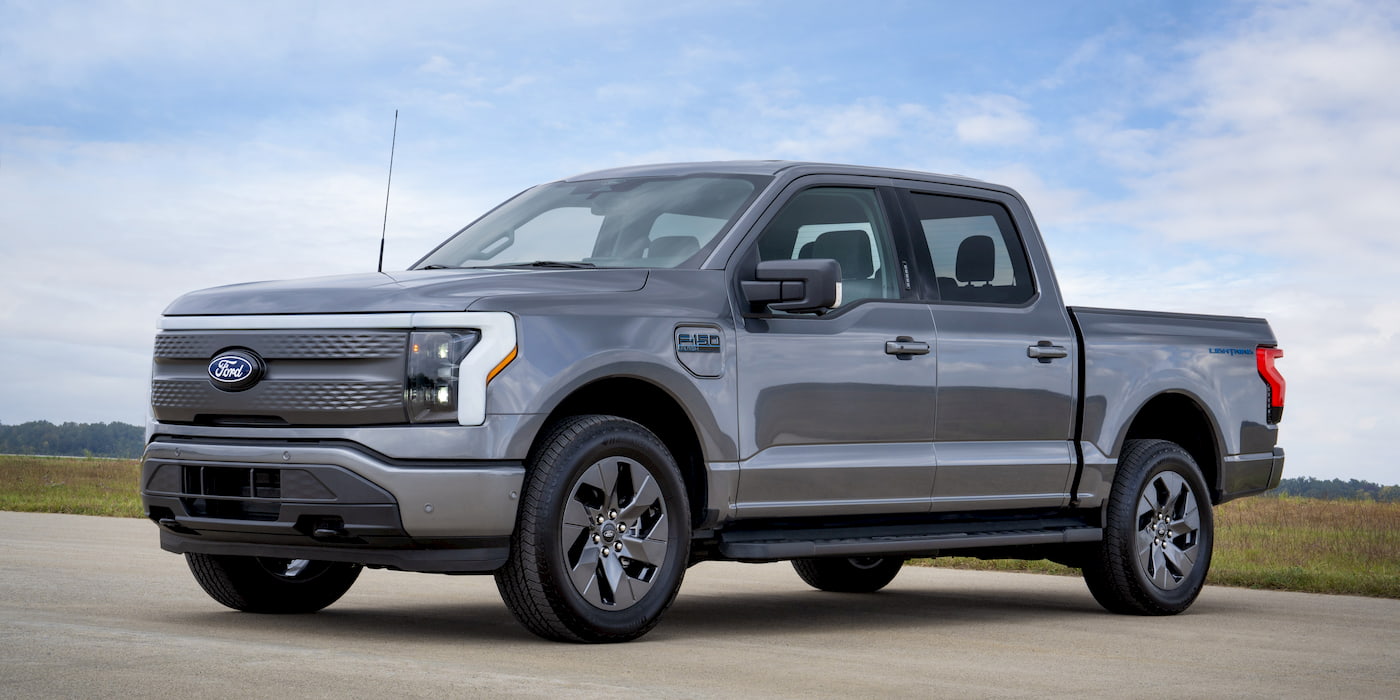
The automotive landscape is full of ironic twists, but few are as striking as the current renaissance of the Ford F-150 Lightning. Once hailed as the vanguard of America’s electric vehicle revolution, the battery-powered pickup ultimately stumbled in the showroom due to inflated sticker prices and steep manufacturing costs. Production officially ceased last December, with Ford CEO Jim Farley acknowledging that high-end EVs priced between $50,000 and $80,000 simply failed to capture the mass market at the volume required to sustain profitability.
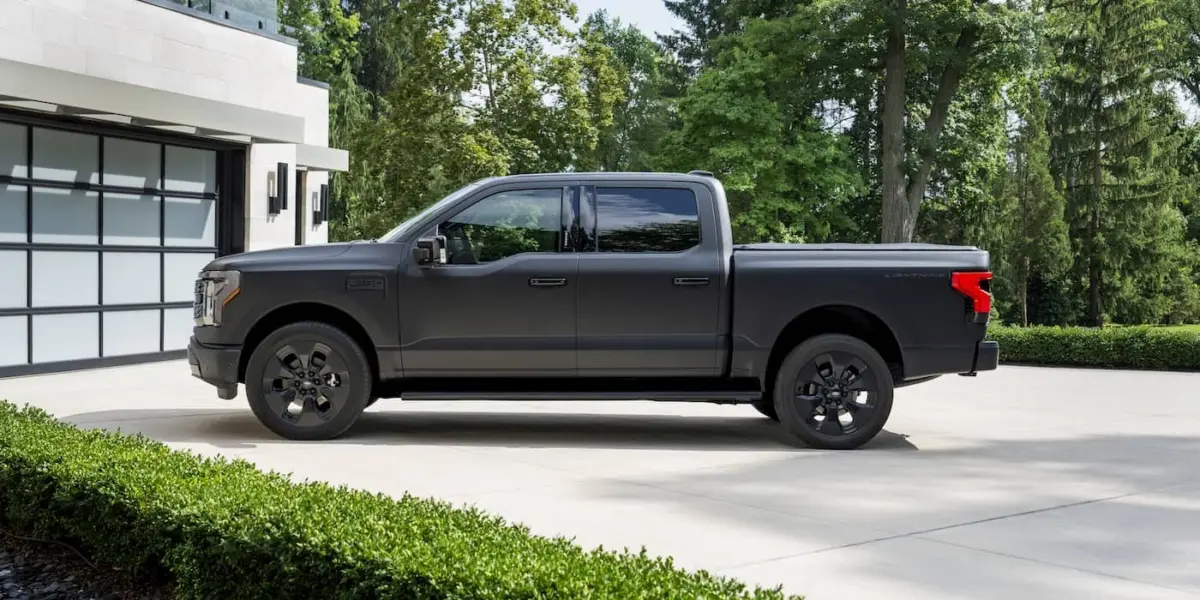
Yet, the story of the Lightning is far from over. Today, the vehicle is experiencing an unprecedented second act on the used market. Rather than fading into automotive obscurity, second-hand F-150 Lightnings are selling at a blistering pace—flying off dealer lots in an average of just 20 days. This is less than half the 44-day average for standard used vehicles in the United States.
The primary catalyst for this sudden surge in popularity is simple: profound depreciation. With used models trading at 50% to 60% off their original sticker prices, the Lightning has hit a pricing sweet spot. According to data from Edmunds.com, used transaction prices have ticked up roughly 4% since the beginning of the year, averaging around $50,000, while budget-conscious buyers are finding individual deals hovering near the $40,000 mark.
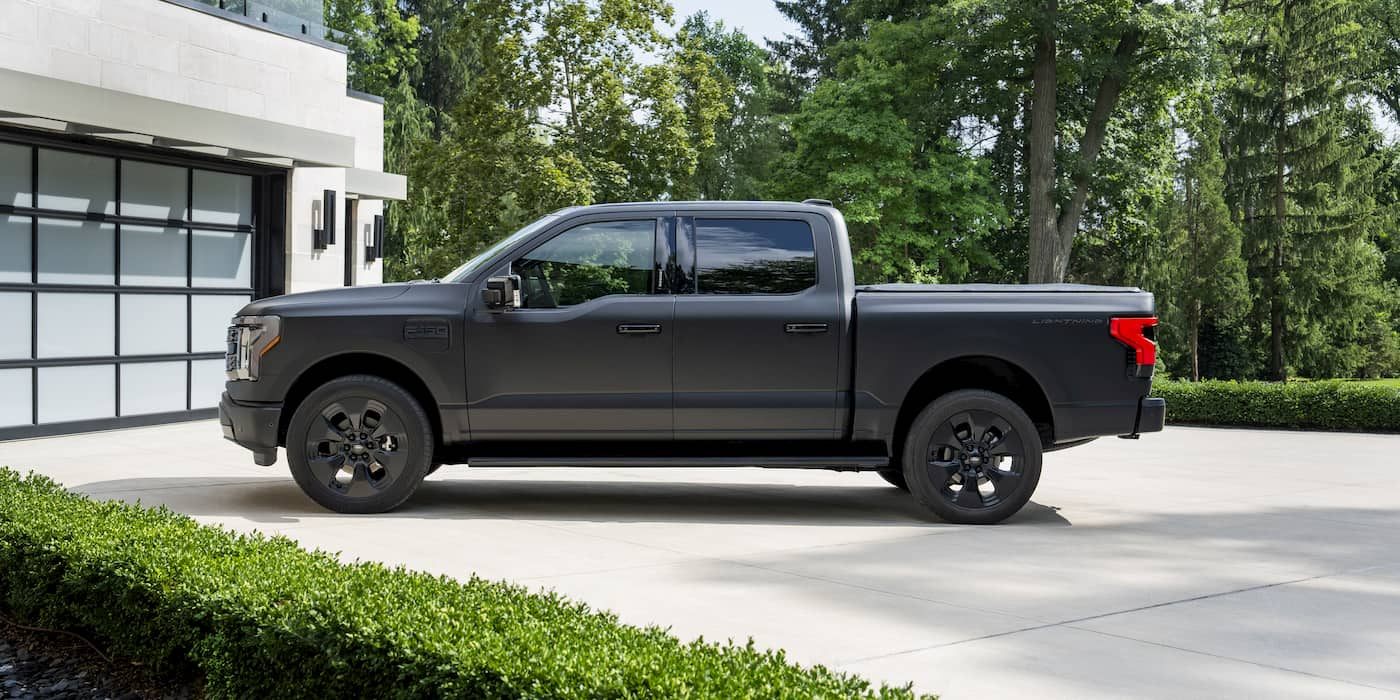
For consumers who balked at the vehicle’s initial launch pricing, the used Lightning represents an irresistible value proposition—offering the utility of a traditional F-150, instantaneous electric torque, zero tailpipe emissions, and a familiarly rugged silhouette at a fraction of its original cost.
Chronology: From Factory Floor to Second-Hand Phenomenon
To understand how the F-150 Lightning transitioned from a high-priced corporate headache to a sought-after second-hand commodity, it is necessary to examine the vehicle’s compressed and tumultuous timeline:
- May 2021: Ford pulls back the curtain on the F-150 Lightning, generating immense public excitement. The entry-level "Pro" trim makes waves with a heavily publicized starting MSRP of $39,974, drawing hundreds of thousands of reservation holders.
- 2022–2023: Economic realities, supply chain bottlenecks, and skyrocketing raw material costs—particularly for battery-grade lithium and cobalt—force Ford’s hand. The automaker steadily hikes prices across the lineup. The base Pro model quickly climbs toward $60,000, while better-equipped trims push average transaction prices past $79,000 during the vehicle’s debut sales year.
- Early 2024: Ford’s EV division absorbs staggering financial losses. By the first quarter of 2024, financial reports reveal that the company is losing upwards of $100,000 on every single electric vehicle it manufactures, prompting production adjustments and a strategic pivot.
- December 2025: The final first-generation F-150 Lightning rolls off the assembly line. CEO Jim Farley candidly addresses the media, explaining that high-end, premium-priced EVs are failing to sustain healthy sales volumes.
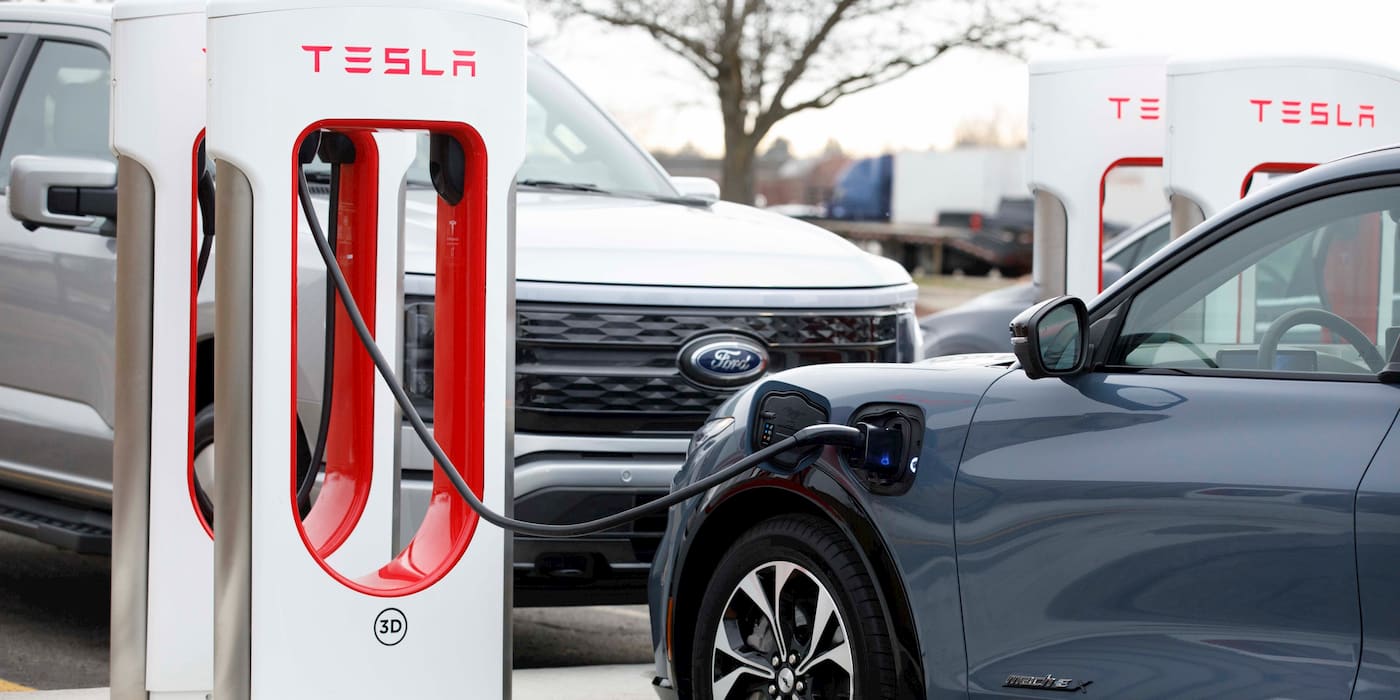
- Summer 2026: Spy shots emerge showing a heavily camouflaged prototype of Ford’s upcoming midsize electric pickup—tentatively dubbed the Fathom—utilizing a North American Charging Standard (NACS) port while charging at a Tesla Supercharger.
- September 2026: Ford formally outlines its future EV roadmap at the Automotive News Congress, confirming that the Fathom will serve as the debut vehicle for its new Universal Electric Vehicle (UEV) platform.
- Present Day: Used F-150 Lightnings experience a massive boom in demand, outperforming broader automotive market trends and cementing a vital secondary market presence.
Supporting Data and Market Dynamics
The resurgence of the F-150 Lightning is not merely an anecdotal trend; it is backed by compelling quantitative data from across the automotive sector. Wholesale dealers, pre-owned platform executives, and independent retail analysts are all witnessing a paradigm shift in how consumers perceive pre-owned electric trucks.
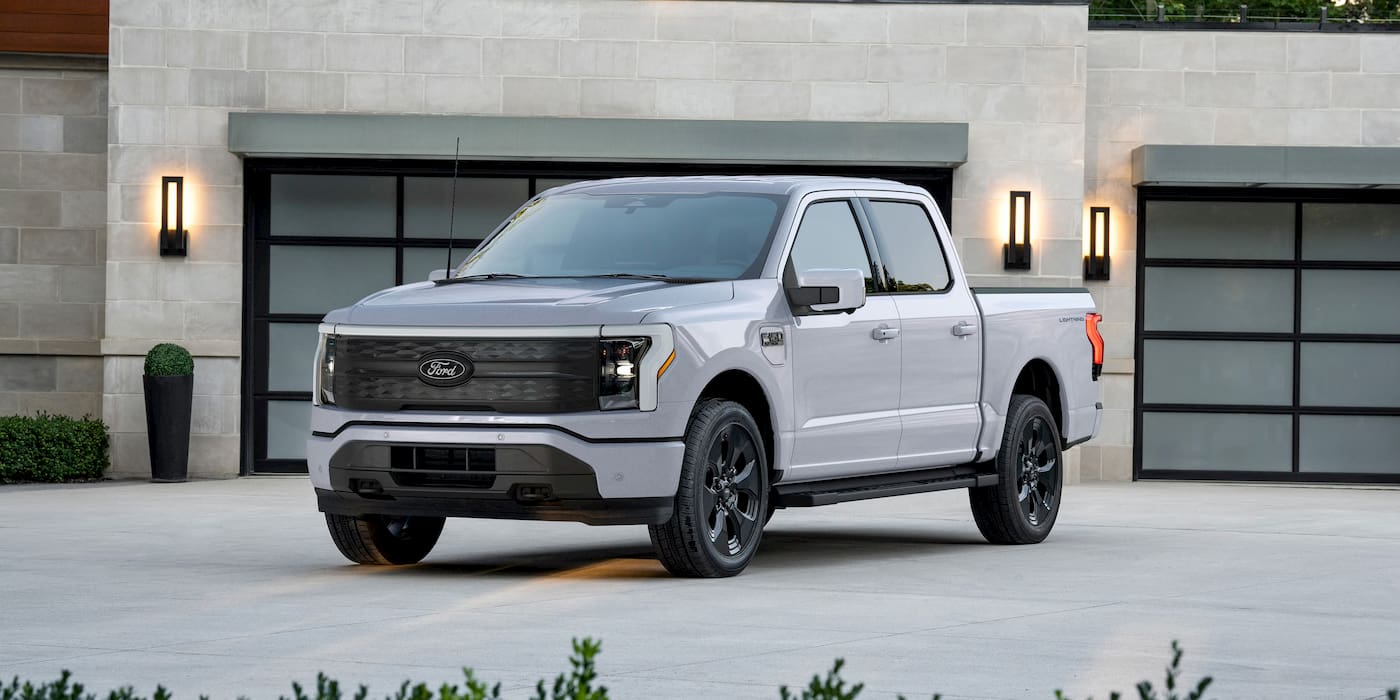
Jimmy Douglas, CEO of wholesale EV dealer Plug, highlighted the mathematical shift to Bloomberg, noting that while buying a brand-new Lightning required complex financial justifications, paying half to 60% of the original sticker price hits the psychological sweet spot for modern truck buyers.
This sentiment is reflected in inventory turnover rates. While the national average for a used vehicle to find a buyer sits at 44 days, pre-owned Lightnings are commanding attention in a brisk 20 days. Interestingly, traditional dealership networks are altering their inventory strategies. Approximately one-third of used Lightnings are being retained and sold directly by rival or non-Ford dealerships rather than being flipped back through corporate wholesale auctions, driven purely by strong consumer pull.
Alex Lawrence, CEO and co-founder of EV Group, notes that acquiring reasonably priced used Lightnings has become increasingly difficult due to fierce competition among buyers. Many of these consumers are leveraging the truck as a secondary vehicle—utilizing its electric powertrain to slash weekly commuting costs while keeping a traditional gas vehicle for long-haul heavy towing.
When new, the financial equation was heavily skewed against the consumer. Edmunds data confirms that the average transaction price (ATP) for a brand-new Lightning during its inaugural year hovered around $79,000—roughly $19,000 more expensive than its internal combustion engine (ICE) counterpart. This pricing tier alienated budget-minded tradespeople and everyday consumers who had initially fallen in love with the sub-$40,000 promise of the 2021 reveal.
Official Responses and Future Implications
The lessons learned from the commercial trajectory of the F-150 Lightning are serving as the foundation for Ford’s next-generation strategy. Company leadership is acutely aware that to achieve mainstream adoption and long-term financial viability, future electric trucks must be engineered from the ground up for affordability and manufacturing efficiency.
Enter the upcoming Ford Fathom. Scheduled to launch in 2027, the Fathom will be the first vehicle underpinned by Ford’s proprietary Universal Electric Vehicle (UEV) platform. During recent industry conferences, CEO Jim Farley didn’t mince words regarding the logistical hurdles ahead, noting that bringing the vehicle to scale, on time, and at cost will require "a heck of an effort."
However, the specifications and pricing targets released by Ford indicate a dramatic course correction. The entry-level standard-range Fathom is slated to start at an aggressive $28,350. Even after factoring in a $1,595 delivery fee, the vehicle will clear the critical psychological barrier of starting under $30,000.
Ford has also made bold claims regarding the Fathom’s packaging and technology ecosystem. The automaker promises that the midsize electric pickup will offer interior cabin space exceeding that of a Toyota RAV4. Furthermore, it will break new ground as the first vehicle to integrate Apple Maps directly into its native navigation architecture, alongside standard NACS hardware for seamless access to the expansive Tesla Supercharger network.
Despite these ambitious targets, vital questions remain unanswered. Ford has yet to release definitive specifications regarding battery capacities, EPA-estimated ranges, payload metrics, or towing capacities for the Fathom. Industry analysts anticipate that these critical details will be disclosed closer to the vehicle’s official production rollout.

Electrek’s Take
The roaring success of the F-150 Lightning on the used market delivers a glaringly obvious message to legacy automakers: consumers are intensely interested in electric pickups, but price sensitivity remains the ultimate gatekeeper.
When priced in the stratosphere of $60,000 to $80,000, the Lightning was relegated to a niche luxury status symbol for early adopters and fleet operators with deep pockets. But at a depreciated used price point of $40,000, the vehicle suddenly makes undeniable financial and practical sense.
This phenomenon suggests that Ford may indeed be onto something vital with its upcoming UEV-based Fathom. By targeting a sub-$30,000 starting price, Ford is attempting to meet the market where the demand actually lives rather than where profit margins are most heavily padded. Whether the Blue Oval can successfully deliver on its lofty cost-cutting and manufacturing promises with the Fathom remains to be seen, but the used Lightning has proven that the appetite for an affordable, capable electric American truck is fundamentally limitless—provided the math finally adds up.
