

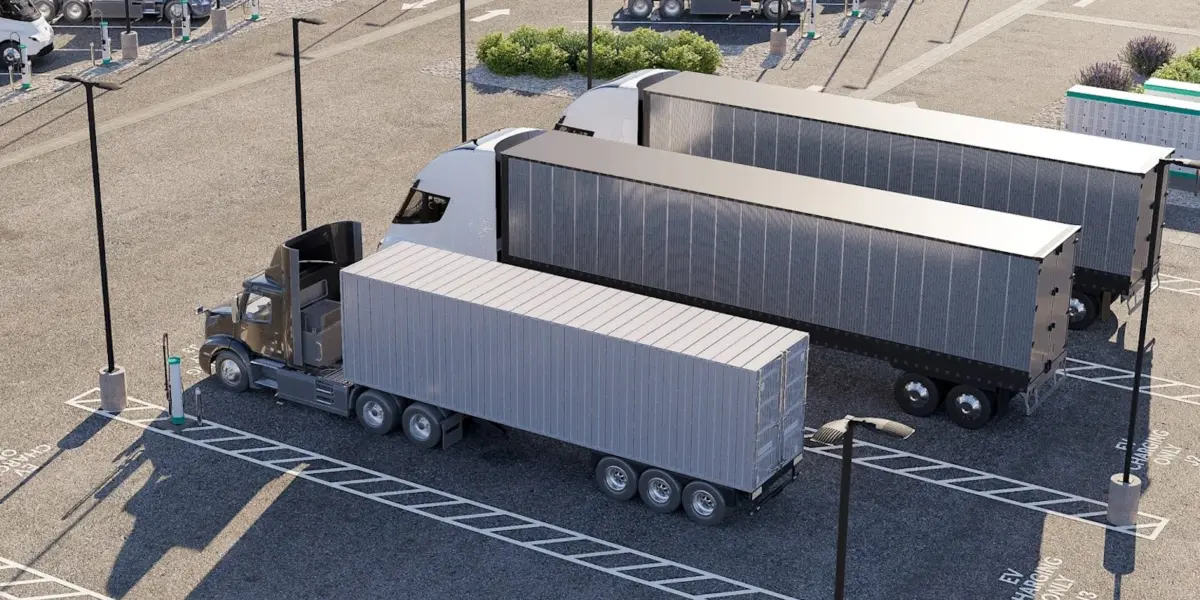
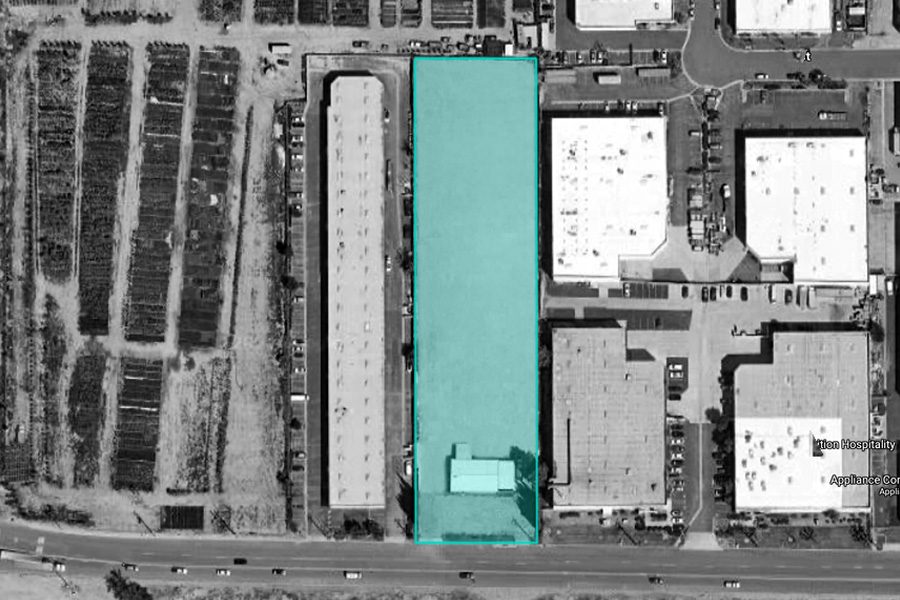
ONTARIO, Calif. — As volatile fossil fuel markets and record-setting diesel prices continue to squeeze commercial transport budgets, the transition toward zero-emission freight is accelerating rapidly. Meeting the surging demand for commercial heavy-duty infrastructure, EV Realty has officially announced the acquisition of a strategic industrial property located at 2151 E. Philadelphia Street in Ontario, California.
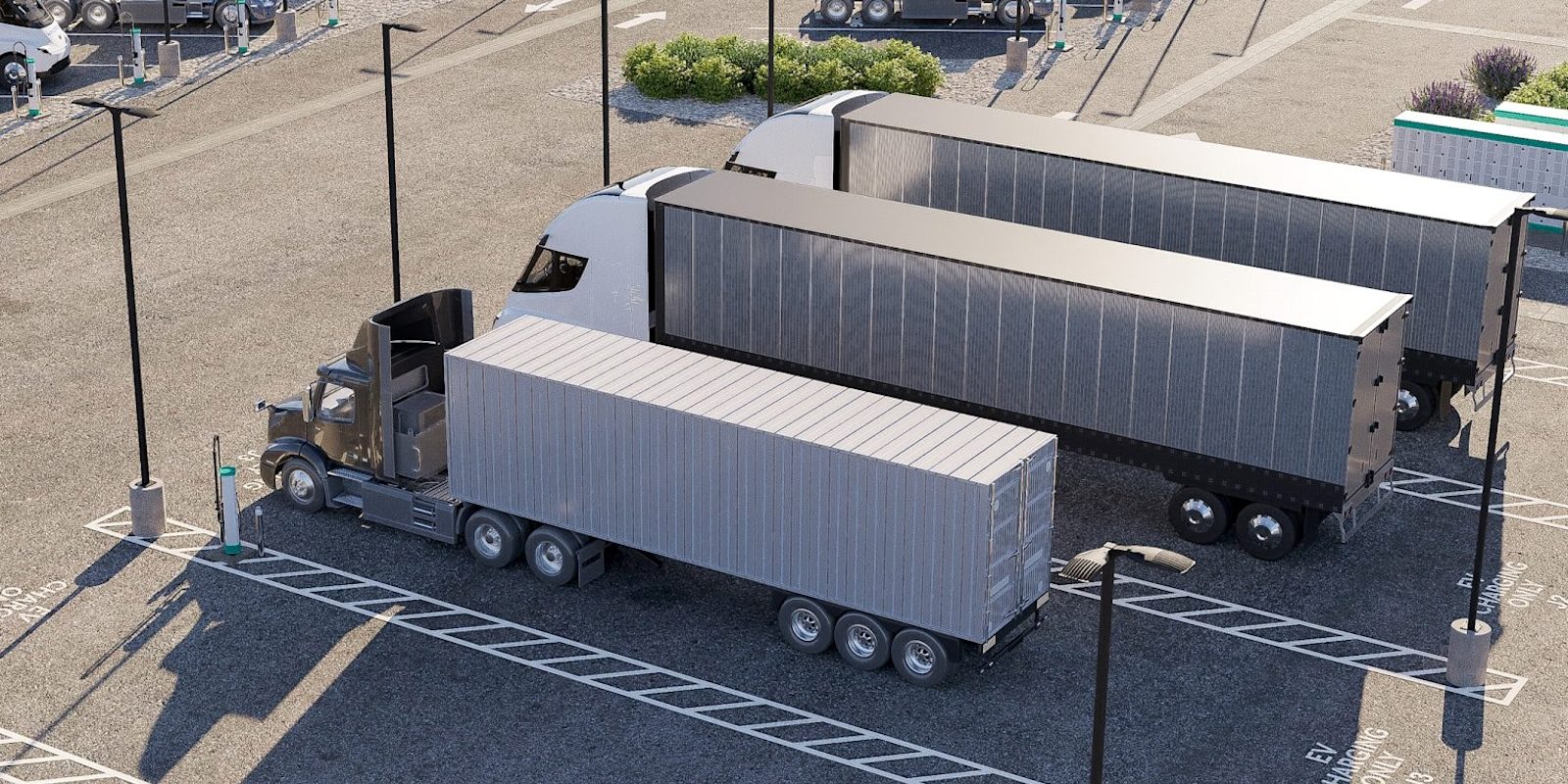
The newly acquired site is slated for transformation into a high-capacity electric semi-truck charging hub. Positioned directly within what the company describes as the West Coast’s largest and most concentrated warehousing submarket, the project represents a critical milestone in scaling heavy-duty EV infrastructure where American freight operations run heaviest.
Main Facts
The newly acquired commercial site in Ontario, California, anchors EV Realty’s ongoing expansion strategy to support the booming adoption of commercial electric vehicles (EVs).
- Location: 2151 E. Philadelphia Street, Ontario, California—situated within the Inland Empire, North America’s densest warehouse cluster.
- Strategic Proximity: The property boasts immediate access to the east-west State Route 60 (SR-60) and the north-south Interstate 15 (I-15) freeways. It is located just three miles from Ontario International Airport, a top-10 national cargo airport servicing logistics giants like UPS and FedEx.
- Capacity Impact: Upon completion of this project and existing developments, EV Realty will command a total of 27 megawatts (MW) of simultaneous heavy-duty truck charging capacity across strategic Southern California corridors.
- Timeline: Construction is scheduled to break ground in early next year, with the facility targeted to come online and begin delivering power to commercial fleets before 2028.
- Target Audience: Commercial fleet operators seeking predictable operational costs, emissions-free heavy-duty transit, and scalable charging infrastructure in grid-constrained regions.
Chronology
The path toward commercializing heavy-duty electric trucking in North America has been marked by decades of technological iteration, infrastructural bottlenecks, and a recent surge in fleet electrification spurred by economic pressures.
The Long Road to Fleet Electrification (2015–2025)
For years, the commercial trucking sector lagged behind passenger vehicles in electrification due to battery weight constraints, high upfront capital costs, and a near-total absence of megawatt-class charging infrastructure. However, the paradigm began to shift as major manufacturers poured billions into research and development.
Over the past decade, next-generation platforms emerged. Companies like BYD and Volvo refined their commercial offerings, rolling out advanced electric semi-trucks boasting extended ranges capable of handling regional and long-haul logistics. Meanwhile, alternative-fuel logistics strategies were tested across various pilot programs by global shipping leaders such as FedEx and UPS, laying the groundwork for widespread corporate commitments to green fleets.
The Diesel Price Shock and Fleet Pivots (2025–2026)
By 2025 and into 2026, persistent fluctuations and record highs in diesel prices forced fleet operators to rethink their long-term economic models. Unpredictable fuel expenses introduced severe volatility into supply chain budgeting, ultimately translating to higher consumer prices. Fleet managers increasingly realized that transitioning to electricity offered a fixed, manageable fuel cost model that drastically de-risked operations.
This economic realization triggered a wave of commercial EV purchases. Automakers responded in kind: Volvo updated its electric semi-truck lineup to offer ranges up to 700 kilometers, BYD celebrated milestones with high-horsepower commercial New Energy Vehicles (NEVs), and the heavily anticipated Tesla Semi finally entered volume production at its Nevada facility following years of development.
The Infrastructure Bottleneck and Strategic Site Acquisition (Late 2026)
As fleets committed to electrification in record numbers, the primary hurdle shifted from vehicle availability to charging infrastructure. Developing commercial hubs requires vast amounts of electrical power—a scarce commodity in grid-constrained regions like Southern California.
Addressing this shortfall, EV Realty targeted the Inland Empire, culminating in this week’s acquisition of the industrial property on E. Philadelphia Street in Ontario. By securing a prime parcel with access to major logistics corridors, the company positioned itself to alleviate the acute power deficits faced by regional fleet operators.
Supporting Data
The urgency behind EV Realty’s new facility is underscored by broader economic and logistical data governing North American freight movement.
- The Economics of Fuel Predictability: According to industry logistics data, predictable energy expenses allow fleet operators to shield themselves against the unpredictable spikes associated with fossil fuels, which have historically fluctuated dramatically based on geopolitical events and refining capacity.
- The Port and Air Freight Corridor: Southern California handles a massive percentage of U.S. international trade. The Inland Empire warehousing market supports the Ports of Los Angeles and Long Beach, as well as critical intermodal facilities in Los Angeles and San Bernardino counties.
- Ontario International Airport: Ranked consistently among the top 10 cargo airports in the United States, Ontario serves as a vital nexus for air-to-ground freight transfer, generating intensive daily heavy-duty truck traffic that requires rapid, localized replenishment solutions.
- Grid Capacity Constraints: Southern California Edison and other regional utilities face severe grid congestion. By establishing localized, high-capacity mega-sites capable of delivering 27 MW of simultaneous charging capacity, developers like EV Realty are bypassing localized power availability bottlenecks to ensure fleets can reliably charge their vehicles overnight or during turnaround windows.
Official Responses
Industry leaders have emphasized the strategic necessity of placing heavy-duty charging infrastructure directly at the throat of North America’s supply chain networks.

"Ontario sits at the convergence of the nation’s largest container gateway and the densest warehouse cluster in North America," said EV Realty CEO Patrick Sullivan. "This part of Southern California is among the most important freight hubs in the world and is the epicenter of truck electrification for this country."
Sullivan highlighted the cumulative impact of the company’s regional footprint, adding: "When this site comes online, EV Realty will have 27 MW of simultaneous truck charging capacity between the ports and the Inland Empire. This is how we start to see real scale—finding power in the right locations and building infrastructure to meet growing demand."
Implications
The establishment of EV Realty’s new charging hub in Ontario carries profound implications for the logistics industry, regional environmental policy, and the broader macroeconomy.
Operational and Economic Implications for Fleets
For logistics providers operating in Southern California, access to dedicated, high-capacity charging hubs eliminates range anxiety and operational downtime. Traditional passenger-vehicle chargers are fundamentally unsuited for commercial semi-trucks, which require pull-through designs, broad turning radiuses, and high-voltage, megawatt-class power delivery. By offering a purpose-built facility near major freight arteries, EV Realty provides fleets with a reliable refueling ecosystem that mirrors—and eventually surpasses—the convenience of traditional diesel truck stops.

Furthermore, predictable electricity pricing insulates logistics companies from fuel market volatility. In turn, stable shipping costs help stabilize consumer goods pricing, mitigating inflationary pressures driven by transport overhead.
Environmental and Public Health Outcomes
The Inland Empire has long suffered from severe air quality challenges due to its status as the nation’s premier warehousing and distribution hub. The relentless circulation of diesel-powered big rigs contributes disproportionately to particulate matter and greenhouse gas emissions in surrounding residential communities. Transitioning these fleets to zero-emission electric alternatives significantly reduces local smog and carbon footprints, aligning with California’s aggressive regulatory mandates to eliminate internal combustion engines from commercial transport over the coming decades.
Infrastructure Scalability and Grid Integration
The project also serves as a case study for overcoming grid constraints. As electrification scales, utilities and charging network developers must coordinate closely to manage peak load demands without destabilizing local power grids. Facilities designed with dedicated high-capacity output—such as EV Realty’s 27 MW cumulative Southern California footprint—demonstrate that private sector real estate acquisition can successfully intercept infrastructure deficits, paving the way for a fully electrified commercial freight network across North America.
