

By Tech & Gaming Desk
Published: August 2025
Introduction and Main Facts
CD Projekt Red, the acclaimed Polish game development studio renowned for The Witcher franchise and Cyberpunk 2077, has officially staked out a target launch window for its highly anticipated next-generation epic, tentatively known as The Witcher 4 (currently developed under the working title Project Polaris). According to a newly released corporate video featuring joint CEO Michał Nowakowski, the studio is aiming to bring the game to market sometime in 2028.
While CD Projekt Red has been publicly discussing the transition of the franchise to Unreal Engine 5 for years, and has periodically teased the community with conceptual tech demos and visual showcases, this revelation marks the first concrete timeline provided by studio leadership regarding when players can realistically expect to step back onto the Path.
However, the wait for the next mainline installment will be buffered by additional content within the same dark fantasy universe. During Gamescom, CD Projekt Red is slated to debut a brand-new expansion for 2015’s critically acclaimed The Witcher 3: Wild Hunt, titled Songs of the Past. Set for a 2027 release, this unexpected narrative addition will take center stage during Geoff Keighley’s Opening Night Live broadcast.
At the same time, the studio’s broader multimedia expansion strategy faces internal headwinds. CD Projekt Red recently confirmed a round of layoffs affecting Project Sirius, an in-development multiplayer spinoff set within the Witcher universe.
Chronology of the Next-Generation Witcher Saga
Understanding how CD Projekt Red arrived at a 2028 target requires looking back at the winding developmental timeline of Project Polaris and its surrounding ecosystem.
The Unreal Engine 5 Pivot (2022)
In March 2022, CD Projekt Red shocked the industry by announcing that it was moving away from its proprietary REDengine—which powered both The Witcher 3: Wild Hunt and Cyberpunk 2077—in favor of Epic Games’ Unreal Engine 5. This strategic partnership marked a major philosophical shift for the studio, which had built its reputation on custom internal tech. The transition was designed to streamline development pipelines, leverage Unreal’s robust open-world toolsets, and enter a long-term technical collaboration with Epic Games. Project Polaris was confirmed at that time as the opening title of a brand-new trilogy.
Teases, Tech Demos, and The Game Awards (2022–2024)
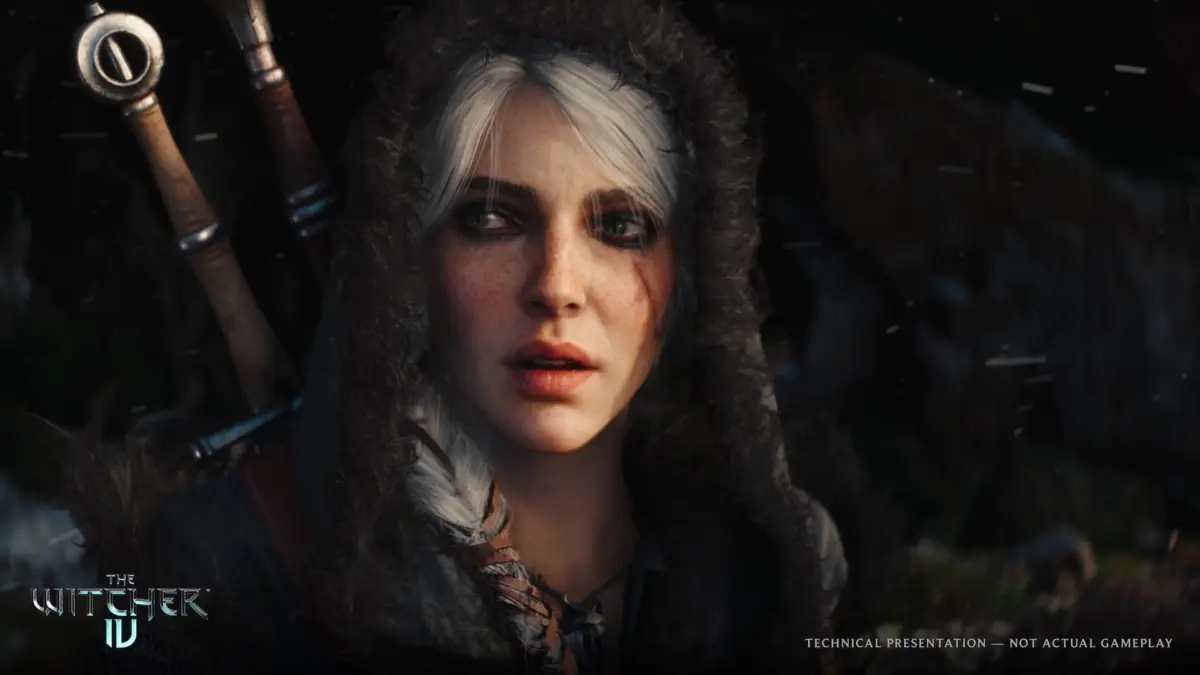
Over the subsequent years, details trickled out at a deliberate pace. Executives emphasized that Project Polaris would establish the foundations for future sequels, aiming to build a cohesive narrative arc across three games. By late 2024, enthusiasm reached a fever pitch when CD Projekt Red showcased visual assets and technical capabilities at The Game Awards, giving fans their first genuine glimpse at the fidelity and atmospheric tone targetable on current-generation hardware such as the PlayStation 5, Xbox Series X/S, and high-end PCs.
The 2028 Horizon (August 2025)
In the newly published executive video address featuring joint CEO Michał Nowakowski, the studio solidified its multi-year roadmap. By officially signaling a 2028 release target, CD Projekt Red has given investors and fans a clearer boundary for development, setting expectations for a roughly six-year production cycle from the initial engine migration announcement to the final product hitting shelves.
Supporting Data and Portfolio Overview
To understand the immense scope of CD Projekt Red’s current operations, one must look at the studio’s parallel projects. The Polish developer is no longer a single-project studio; instead, it operates multiple concurrent production pipelines under ambitious strategic initiatives.
| Project Name | Franchise / Universe | Genre / Scope | Status & Timeline |
|---|---|---|---|
| Project Polaris (The Witcher 4) | The Witcher | Single-player Open-World RPG | In development on Unreal Engine 5; Target release: 2028 |
| Songs of the Past | The Witcher 3: Wild Hunt | Single-player Narrative Expansion | Announced for Gamescom; Target release: 2027 |
| Project Sirius | The Witcher | Multiplayer Spinoff / Action RPG | In development; affected by restructuring and recent layoffs (August 2025) |
| Project Orion | Cyberpunk | AAA Sequel to Cyberpunk 2077 | Led by CDPR’s North American studios (Boston/Vancouver); Early production |
The Songs of the Past Phenomenon
The announcement of Songs of the Past caught many industry analysts by surprise. More than a decade after the original release of The Witcher 3, CD Projekt Red is returning to its masterpiece to deliver fresh narrative content. Scheduled for 2027, the expansion will be highlighted during Gamescom’s Opening Night Live. This move mirrors the studio’s historical ability to sustain long-tail engagement for its intellectual properties, keeping the Witcher brand vibrant and profitable while the core development team focuses on the heavy lifting required for Project Polaris.

The Multiplayer Pivot and Project Sirius
While single-player experiences remain CD Projekt Red’s bread and butter, the studio has long expressed a desire to incorporate multiplayer elements into its universes. Project Sirius, developed with support from external studios under CDPR oversight, has experienced a rocky path. Originally conceptualized with a strong narrative multiplayer focus, the project underwent a significant creative reboot in early 2023 before encountering further turbulence in August 2025, when management confirmed structural layoffs within the development team.
Official Responses and Industry Context
The strategy updates provided by joint CEO Michał Nowakowski offer a transparent look into how CD Projekt Red is balancing creative ambition with sustainable project management—a lesson the studio learned the hard way following the turbulent launch of Cyberpunk 2077 in December 2020.
In the wake of that launch, CD Projekt Red leadership instituted sweeping internal reforms designed to eliminate crunch culture, improve technical QA across platforms, and provide realistic development roadmaps. The decision to announce a 2028 target for The Witcher 4 three years in advance reflects a maturation in corporate communication. Rather than keeping fans in the dark or setting overly aggressive release dates that risk staff burnout and unfinished code, the studio is opting for measured, predictable disclosures.
Regarding Project Sirius, CD Projekt Red issued a formal statement acknowledging the workforce reductions. Studio representatives reiterated that restructuring is sometimes necessary to align team sizes with project milestones, emphasizing that creative integrity and psychological safety for developers remain primary organizational goals.
Meanwhile, industry watchers have reacted positively to the Songs of the Past announcement. Bringing new life to The Witcher 3 provides a bridge for millions of players who may have exhausted the base game and its legendary expansions, Hearts of Stone and Blood and Wine. It also serves as a soft marketing funnel, reminding consumers of the richness of the franchise ahead of the 2028 blockbuster.
Implications for the Industry and Franchise Fans
The timeline laid out by CD Projekt Red carries profound implications for the gaming landscape, the trajectory of the studio, and the expectations of millions of role-playing game enthusiasts worldwide.
1. The Maturity of Unreal Engine 5 Adoption
By committing to a 2028 release for The Witcher 4, CD Projekt Red is positioning itself as a premier showcase for Unreal Engine 5 at scale. While other major studios have stumbled with performance optimization on Epic’s engine, CDPR’s multi-year investment suggests they are building bespoke rendering pipelines and open-world streaming tech tailored specifically to high-end fantasy exploration. The success or failure of Project Polaris will heavily influence how other AAA developers approach engine migration over the remainder of the decade.
2. Managing Fan Expectations and Fatigue
Announcing a game three years ahead of its intended launch window is a double-edged sword. While it satisfies immediate curiosity and stabilizes investor relations, it also risks creating severe anticipation fatigue. However, by strategically dropping intermediate content—such as the Songs of the Past expansion in 2027—CD Projekt Red has cleverly engineered a rolling content cadence. Fans will not be left sitting in absolute silence between now and 2028.
3. Economic Pressures and Studio Stability
The layoffs on Project Sirius underscore the ongoing financial and operational volatility within the global video game industry. Even top-tier developers with massive cash reserves are not immune to macroeconomic pressures, shifting consumer habits, and the sheer cost of scaling multi-project pipelines. How CD Projekt Red manages its workforce morale while simultaneously steering Project Polaris, Project Orion (the Cyberpunk sequel), and the Witcher 3 expansion will be a critical test of leadership resilience.
Conclusion
As Gamescom kicks off and the spotlight turns to Geoff Keighley’s Opening Night Live, the focus will briefly rest on Songs of the Past. But looking further down the road, the horizon is firmly set on 2028. For fans of Geralt, Ciri, and the brutal, morally ambiguous world crafted by Andrzej Sapkowski, the Path is clear—even if it is still a few years away.
