

By Global Energy & Maritime Desk
Published: August 2026
Main Facts
In a development that could reshape the geopolitical and economic architecture of the Middle East, Iran’s military announced on Wednesday that it has secured a bilateral revenue-sharing agreement with Oman regarding the management of the strategically vital Strait of Hormuz. The announcement marks a critical step forward in ongoing negotiations between Tehran and Muscat aimed at forging a comprehensive, long-term framework for the governance and navigation of one of the world’s most crucial maritime chokepoints.
According to statements released by the Islamic Revolutionary Guard Corps (IRGC), the pact establishes agreed-upon boundaries for territorial waters within the strait and delineates a clear revenue-sharing model between the two neighboring states. Speaking through the state-run Sepah News agency, IRGC spokesman Hossein Mohebbi outlined the breakthrough: “Agreements have been reached regarding each country’s share of the strait’s waters as well as Iran and Oman’s share of its revenues.”
However, Mohebbi was quick to point fingers at external actors for complicating the process. He asserted that Washington is actively obstructing the diplomatic and logistical momentum, noting that “the US is obstructing this process, causing progress to be delayed,” though he refrained from offering detailed operational specifics.
The IRGC’s public disclosures go significantly further than the cautious diplomatic messaging released just a day earlier. On Tuesday, a joint statement issued by the foreign ministries of Iran and Oman merely acknowledged that the two nations had discussed an “interim framework” designed to facilitate the eventual resumption of commercial ship transits. That joint communique conspicuously omitted any mention of a finalized deal, territorial divisions, or maritime user fees, highlighting a notable divide between the diplomatic postures of the civilian foreign ministries and the more assertive declarations of the military apparatus.
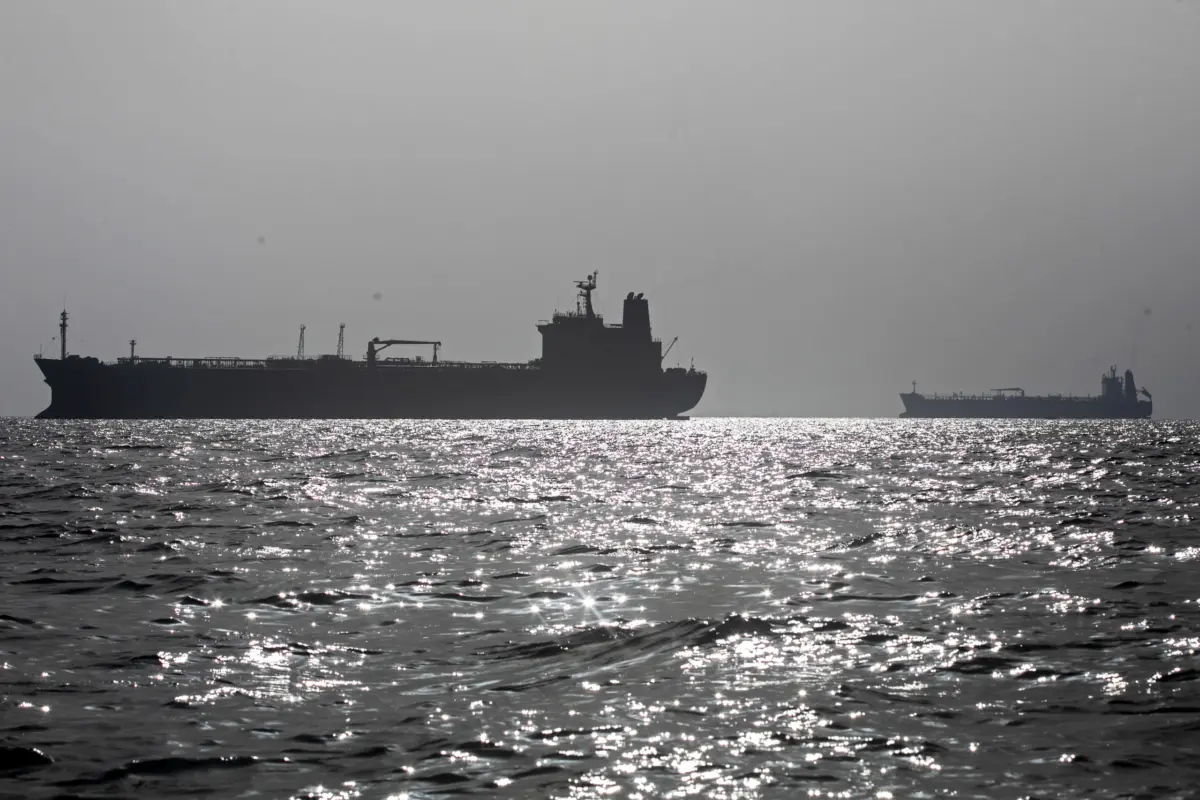
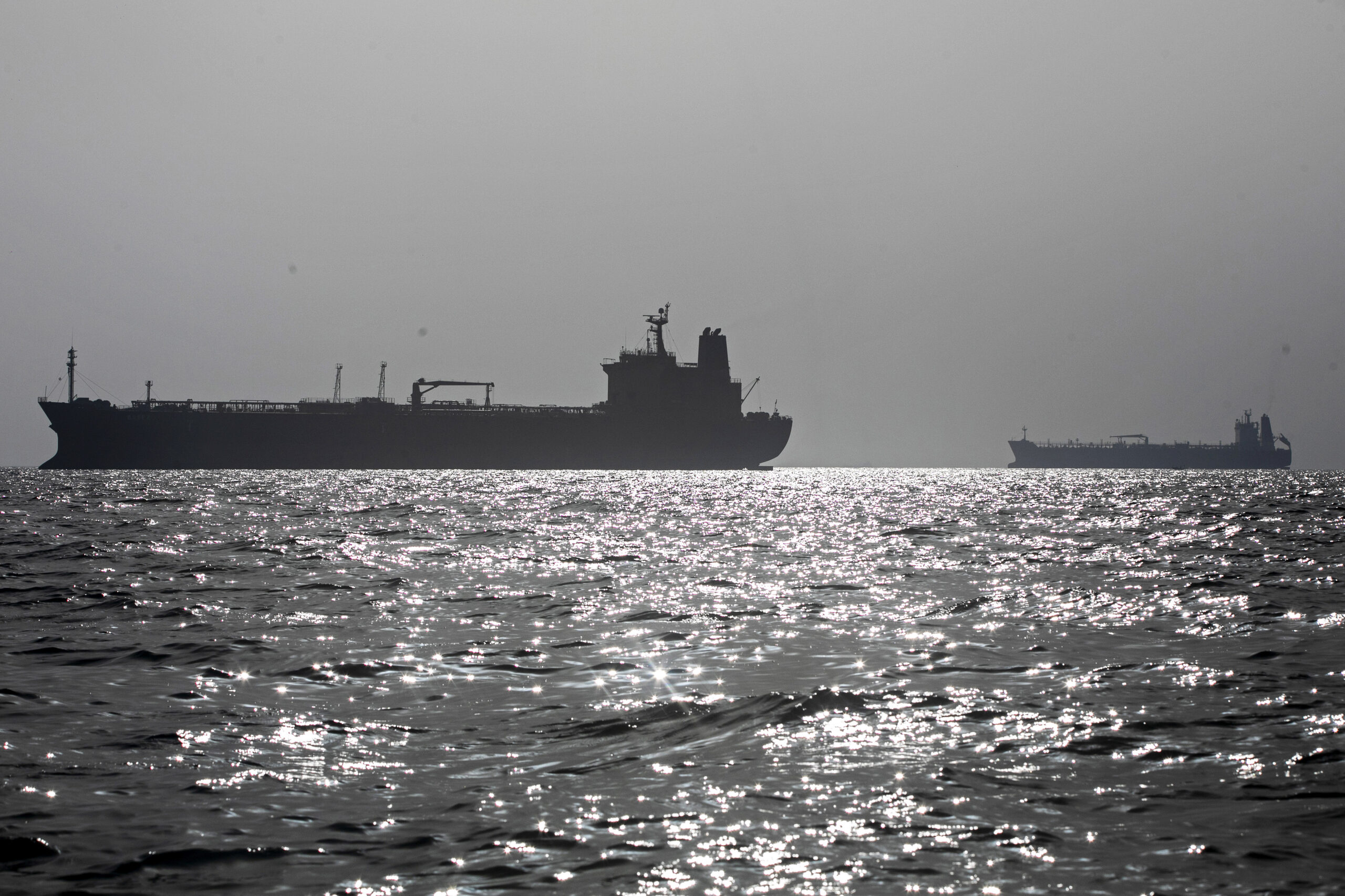
Despite the breakthrough on revenue-sharing, regional experts and Iranian officials have repeatedly cautioned that striking an accord with Oman does not equate to an immediate, unrestricted reopening of the strait. Before the outbreak of the ongoing conflict on February 28, the Strait of Hormuz served as the literal jugular vein of global energy logistics, handling roughly one-fifth of the world’s petroleum and liquefied natural gas (LNG). Today, the waterway remains heavily militarized, heavily restricted, and fraught with ongoing security hazards.
Chronology
To understand the current precarious state of the Strait of Hormuz, it is necessary to examine the cascading events that transformed a peaceful commercial highway into an active theater of geopolitical confrontation:
- February 28: The geopolitical landscape of the Middle East shifted dramatically when a joint military campaign initiated by the United States and Israel was launched against Iran. The ensuing conflict immediately paralyzed commercial maritime traffic through the Strait of Hormuz, transforming the vital energy corridor into a high-risk zone characterized by naval blockades and targeted vessel attacks.
- Early March: Within the initial weeks of the hostilities, Iranian authorities began unilaterally levying transit fees on select commercial vessels attempting to navigate the chokepoint. As international pushback mounted, Tehran adjusted its legal and political framing, pivoting away from "transit fees" to designate the charges as "service fees" rendered for navigational and safety support within its sphere of control.
- June: Seeking a diplomatic off-ramp to the crippling energy blockade, Washington and Tehran executed a temporary Memorandum of Understanding (MoU). This 60-day interim deal was designed to build mutual confidence, ease tensions, and gradually restore commercial throughput through the strait. Concurrently, confidential intelligence reports surfaced indicating that while Oman officially opposed mandatory transit tolls to the United Nations’ shipping agency, Muscat had privately warned European diplomats that ship operators might ultimately have to foot the bill for specialized regional maritime services.
- Early July: Oman formally communicated its official opposition to the imposition of transit fees to the UN International Maritime Organization (IMO), emphasizing the legal principles of freedom of navigation under international law. Despite this public stance, backchannel diplomacy between Muscat and Tehran continued to intensify behind closed doors.
- Mid-August: The fragile 60-day interim agreement brokered in June officially lapsed. The expiration was marred by repeated, mutual breaches from both the US and Iran, who frequently clashed over operational control, security protocols, and enforcement mechanisms within the strait.
- Late August (Tuesday): The foreign ministries of Iran and Oman issued a joint statement announcing that they had formally discussed an "interim framework" aimed at reviving ship transits through the waterway, though avoiding final commitments on revenue collection.
- Late August (Wednesday): The IRGC shattered the cautious diplomatic consensus by publicly announcing that a concrete revenue-sharing and territorial water agreement had indeed been reached between Iran and Oman, while directly accusing the United States of throwing roadblocks in the path of full implementation.
Supporting Data
The global economic significance of the Strait of Hormuz cannot be overstated. Connecting the Persian Gulf with the Gulf of Oman and the Arabian Sea, this narrow maritime passage is flanked by Iran to the north and Oman and the United Arab Emirates to the south. Historically, approximately 20% of the world’s petroleum supply and a massive share of global liquefied natural gas exports pass through its waters on a daily basis.
+-------------------------------------------------------------------------+
|                  THE STRATEGIC IMPORTANCE OF HORMUZ                     |
+--------------------------+----------------------------------------------+
| Global Energy Share      | ~20% of global oil & LNG supplies            |
| Primary Geographic Axis  | Persian Gulf to Gulf of Oman/Arabian Sea     |
| Bordering Nations        | Iran (North), Oman & UAE (South)             |
| Conflict Trigger Date    | February 28 (US-Israeli campaign vs. Iran)   |
| Current Status           | Marginally operational; frequent attacks     |
+--------------------------+----------------------------------------------+
Since the outbreak of hostilities on February 28, the physical flow of energy commodities has been severely disrupted. While millions of barrels of crude oil continue to escape the waterway daily via alternative overland pipelines or daring maritime crossings, the volume is a fraction of historical norms. More critically, the lingering threat of military strikes, sea mines, and asymmetric naval attacks has driven marine insurance premiums sky-high, forcing major shipping conglomerates to absorb unprecedented operational overhead or bypass the region entirely.
The financial mechanics of the newly announced Iran-Oman agreement introduce a novel and highly contentious element to international maritime law. By carving up the strait’s waters and establishing joint revenue streams, Tehran and Muscat are attempting to institutionalize a user-pays model for a body of water long recognized under international conventions as an international strait subject to transit passage rights.
The transition of these charges—from early-war "transit fees" to formalized "service fees"—represents a sophisticated legal maneuver by Tehran to generate badly needed state revenue while circumventing sweeping international sanctions.
Official Responses
The international community’s reaction to the emerging Iran-Oman pact has been characterized by diplomatic silence, strategic calculation, and underlying apprehension.
As of Wednesday afternoon, neither the Iranian Foreign Ministry nor the Omani Ministry of Foreign Affairs had responded to formal requests for comment from international media outlets regarding the IRGC’s expansive claims. This notable silence from civilian diplomatic quarters suggests potential internal friction between pragmatic foreign policy makers—who seek a negotiated settlement to ease economic pressures—and hardline military factions within the IRGC, who view the strait primarily through the lens of national security, sovereignty, and confrontation with the West.
The United States government has maintained a posture of staunch resistance to any arrangement that validates Iranian control or taxation of international waters. Washington views Tehran’s efforts to monetize the Strait of Hormuz as an illegal shakedown and a direct challenge to the rules-based international maritime order.
Crucially, Tehran has maintained an uncompromising stance regarding broader normalization: Iranian officials have reiterated that any sustainable, wide-scale reopening of commercial traffic is inextricably linked to complete US compliance with the June MoU. This includes demands for the lifting of punishing economic sanctions, the complete removal of the US naval blockade on Iranian ports, and the unfreezing of billions of dollars in Iranian assets held in foreign financial institutions. To date, Western officials have given zero indication that Washington is prepared to meet these sweeping pre-conditions.
Furthermore, European maritime nations and shipping associations have expressed deep anxiety over the prospect of paying transit or service fees to entities linked to the IRGC. Such payments could potentially violate domestic and international counter-terrorism and anti-money laundering sanctions currently targeting the Iranian military apparatus.
Implications
The announcement of a revenue-sharing accord between Iran and Oman carries profound, far-reaching implications for global economics, geopolitics, and maritime security:
1. The Weaponization of Maritime Chokepoints
The formalization of revenue collection in the Strait of Hormuz establishes a dangerous precedent for international shipping. If regional actors can successfully impose bilateral user or service fees on vital international straits under the duress of conflict, global supply chains could face a Balkanization of maritime governance, where passage rights are dictated by local military strength rather than international maritime law.
2. Energy Markets and Inflationary Pressures
For global energy markets, the ongoing restrictions in the Strait of Hormuz represent a persistent structural risk. Even though some crude continues to leak past the blockade, the lack of full operational capacity keeps baseline energy prices elevated. If the Iran-Oman framework eventually leads to a controlled, partial reopening—even under a paid-service model—it could provide some psychological and physical relief to battered global supply chains. However, if US opposition stalls the agreement indefinitely, energy markets must price in a protracted period of Middle Eastern maritime insecurity, fueling global inflationary pressures.
3. Diplomatic Leverage and Conflict Resolution
Paradoxically, while the dispute over Hormuz is a primary driver of the current conflict, an eventual agreement on its management may serve as the indispensable catalyst for a broader peace process. The fact that Oman—a traditional diplomatic intermediary in the region—is intimately involved suggests that backchannel diplomacy remains active. A successful, albeit transactional, framework for managing commercial transits could pave the way for formal cease-fire negotiations and a comprehensive end to hostilities.
4. US-Iran Brinkmanship
The direct collision course between Washington and Tehran over the strait highlights the fragility of any interim diplomatic architecture. By accusing the US of sabotaging the agreement, the IRGC is attempting to frame Washington as the primary obstacle to regional peace and economic recovery. This rhetoric not only pressures the Biden administration (or its successor) but also places Oman in an increasingly delicate balancing act between its Western security partners and its powerful northern neighbor.
As the international community watches closely, the coming weeks will determine whether the Iran-Oman revenue-sharing pact is a pragmatic stepping stone toward stability or merely another flashpoint in an enduring geopolitical struggle for control of the world’s most vital energy corridor.
