

Main Facts: A New Chapter for a Cult-Classic Brewer
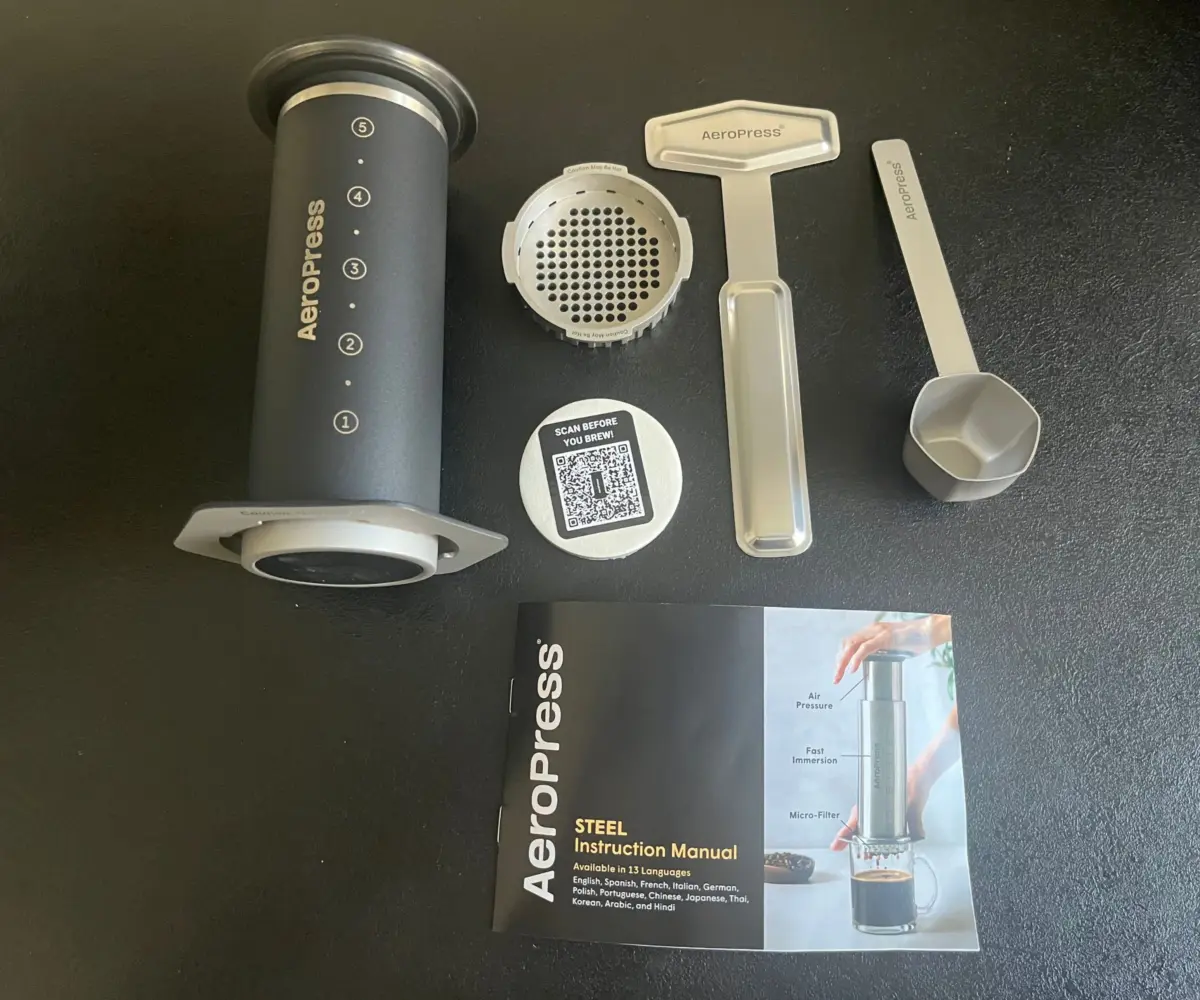
For coffee enthusiasts worldwide, the AeroPress has long held a revered status as an essential, travel-friendly gadget. Combining elements of a French press, a pour-over cone, and an espresso machine, it delivers a complex, well-rounded cup of coffee in under two minutes. Now, the iconic brand has elevated its product line with the introduction of the Steel AeroPress Coffee Maker.
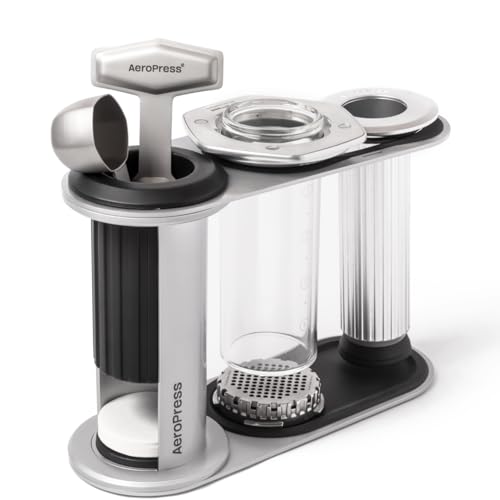
Crafted from professional-grade 304 stainless steel and food-safe silicone, this iteration reimagines the beloved manual brewer. It replaces the classic BPA-free plastic body with a double-wall, vacuum-insulated metal chamber. Available in a traditional stainless steel finish and a sleek matte black, the Steel AeroPress commands attention on any kitchen counter.
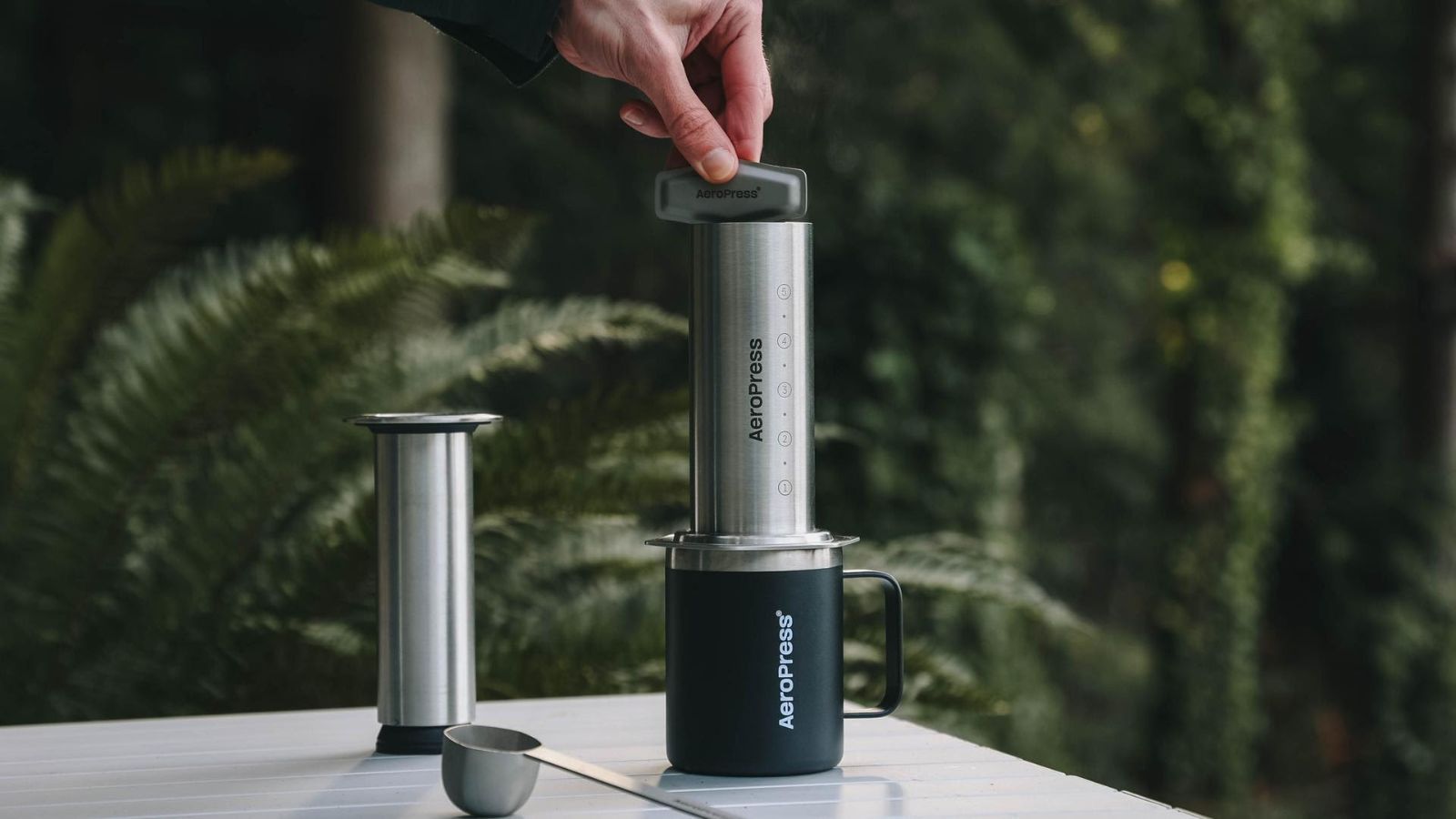
However, this premium transformation comes with a distinct shift in market positioning. Retailing at approximately $169.95, it is substantially more expensive than its plastic predecessor. While it stands out as one of the best non-toxic, plastic-free coffee makers currently on the market, it invites a critical question: Does the stainless-steel upgrade justify the hefty price tag for everyday coffee lovers?
Product Specifications at a Glance
| Feature | Specification |
|---|---|
| Type | Manual / portable coffee maker |
| Weight | 1.4 lbs (635 g) |
| Capacity | 12 fl. oz (360 ml) |
| Materials | 304 stainless steel, food-safe silicone, paper micro-filters |
| Dimensions | 6.75" x 4.375" |
| Colorways | Stainless Steel and Matte Black |
| Warranty | 1 Year Limited Warranty |
Chronology: Putting the Steel AeroPress Through Its Paces
Unboxing and First Impressions
Upon unboxing the Steel AeroPress, the build quality is immediately apparent. The packaging is minimalist, clean, and almost entirely recyclable, save for a thin plastic protective layer safeguarding the paper filters.
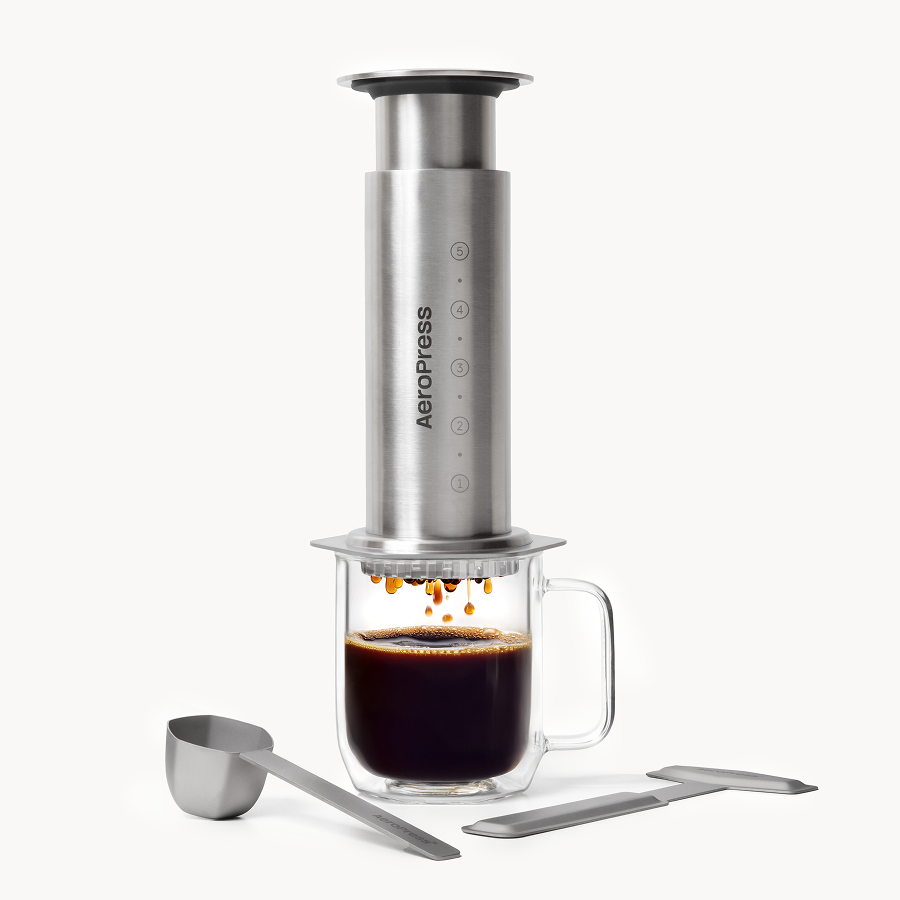
The reviewer tested the matte black colorway, a finish that successfully deters the smudges and fingerprint smears typically associated with plain metal appliances. Structurally, it follows the familiar three-part blueprint of its predecessor: a main brewing chamber, a silicone-edged plunger, and a screw-on filter cap.
However, two distinct physical upgrades stand out immediately:
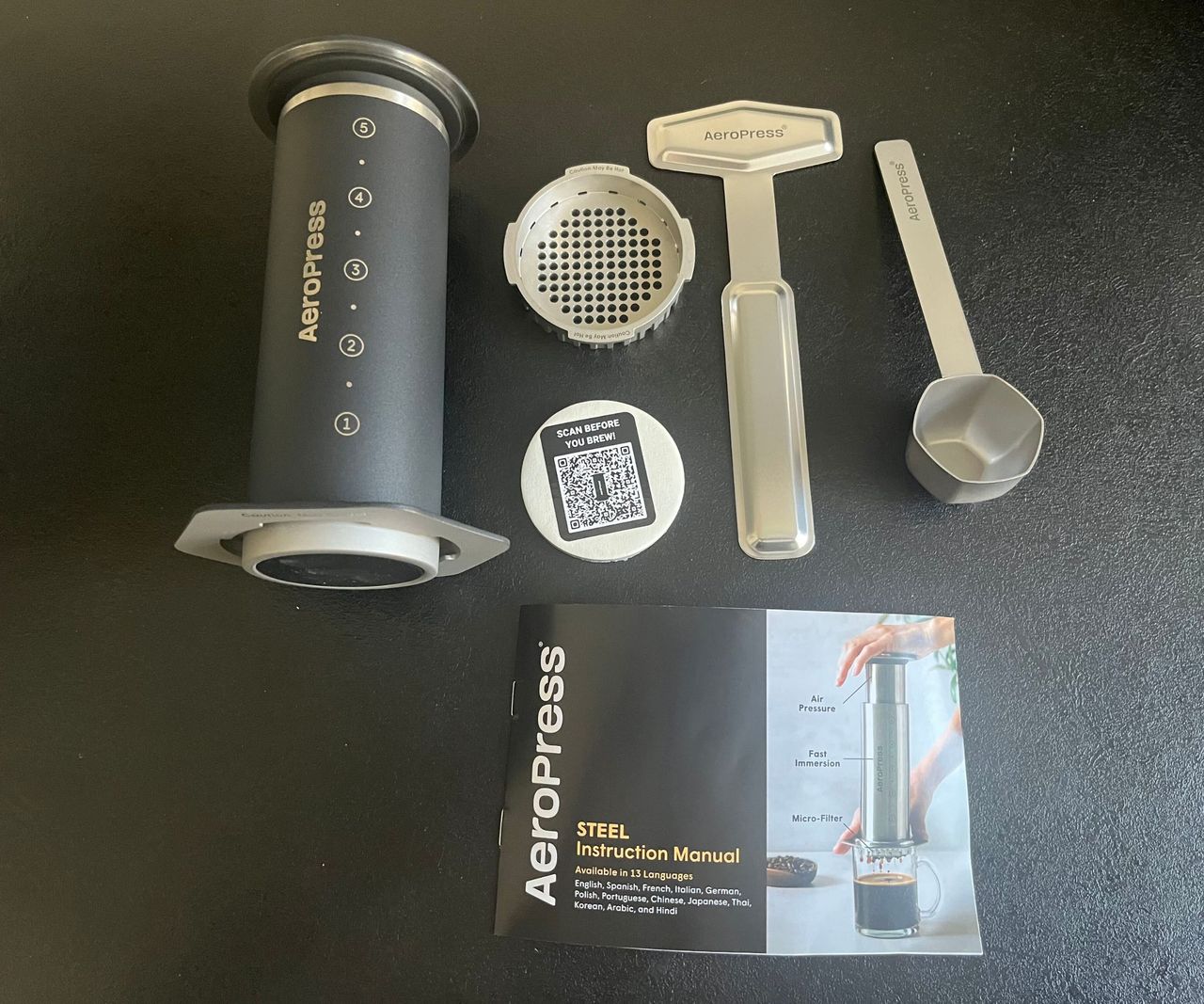
- Size: The steel model is roughly 20% larger than the standard plastic AeroPress, offering a generous 12-ounce capacity.
- Thermal Performance: Thanks to the double-wall vacuum insulation, the exterior chamber remains completely cool to the touch during the brewing process, eliminating the risk of accidental burns.
After a quick rinse under warm tap water, the brewer was ready for its maiden run.
The Brewing Process: Simplicity Meets Precision
The brewing workflow remains true to the AeroPress ethos: accessible, fast, and remarkably forgiving for beginners.
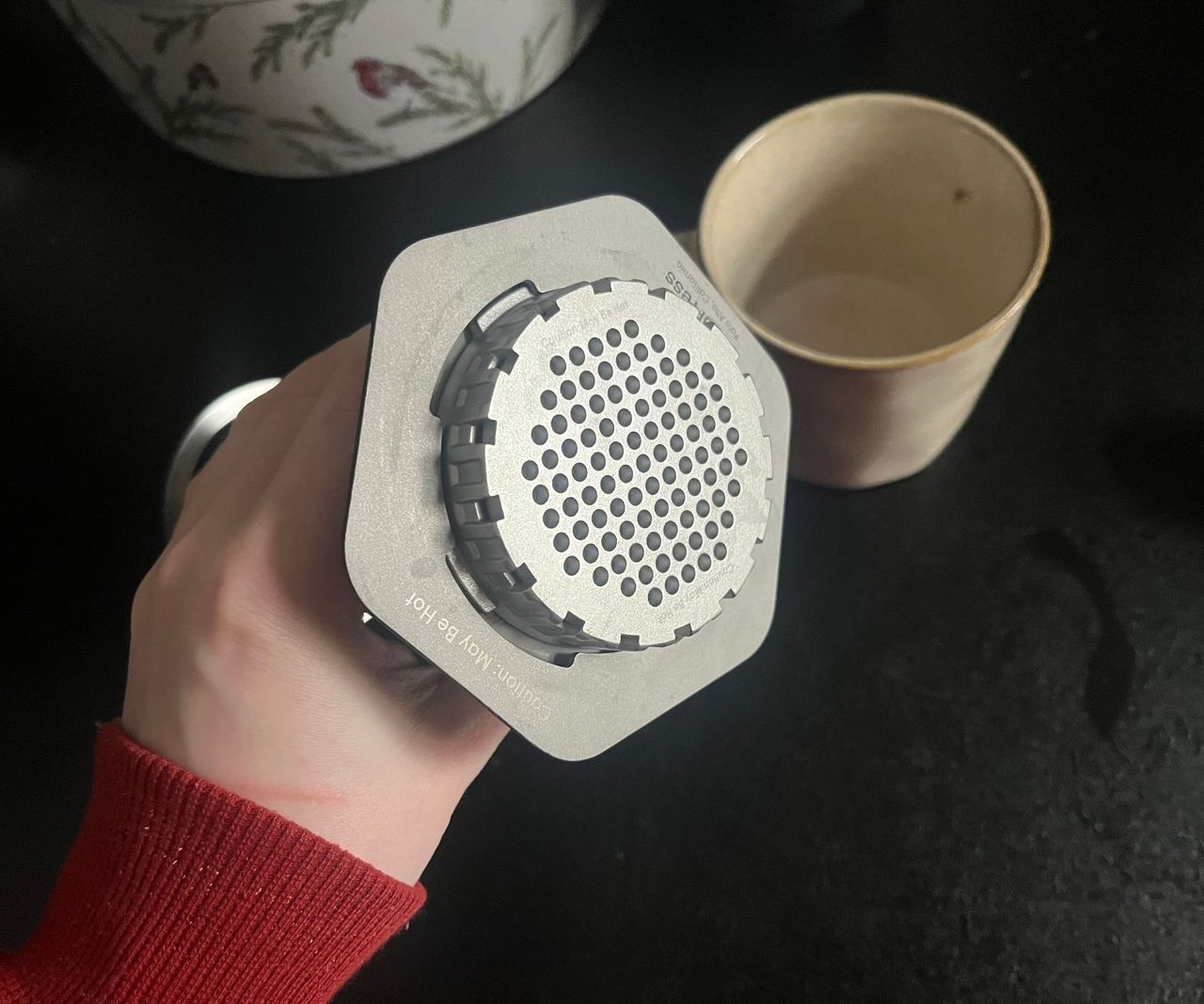
- Setup: The bottom filter cap unscrews smoothly. A single paper micro-filter is placed inside before the cap is securely fastened back onto the chamber. The unit is then positioned directly over a mug.
- Loading Coffee: Fresh coffee beans are ground to a medium-fine consistency. Following the manufacturer’s instructions, two scoops of grounds are tipped into the chamber, which is then gently shaken to level the bed.
- Water and Extraction: Boiling water is poured up to the maximum fill line, guided by clear interior markings. The included stainless steel stir stick easily reaches the bottom of the chamber to agitate the grounds.
- The Plunge: After allowing the coffee to steep for roughly 30 seconds, the plunger is inserted. Pushing down creates a vacuum seal that stops immediate dripping. Pressing the plunger requires a steady, deliberate pace.
Note on Grind Size: Experimenting with an ultra-fine, espresso-like grind proved problematic. The grounds compacted too tightly against the paper filter, creating high resistance during plunging and putting unnecessary downward strain on the mug. Sticking to a medium-fine grind yields a smooth, effortless plunge that concludes with the signature "hissing" sound of a completed brew.
The Taste Test
The ultimate test of any coffee maker is the flavor in the cup. Even a skeptical, self-proclaimed coffee purist—accustomed exclusively to traditional nine-bar espresso machine extractions—was thoroughly impressed. The resulting Americano delivered a rich, full-bodied profile with unexpected sweetness and zero bitterness, earning a rare nod of approval.
Supporting Data: Cleaning, Maintenance, and Portability
Effortless Cleanup
Cleaning traditional coffee makers is frequently cited as a major household chore, but the Steel AeroPress excels in this area:
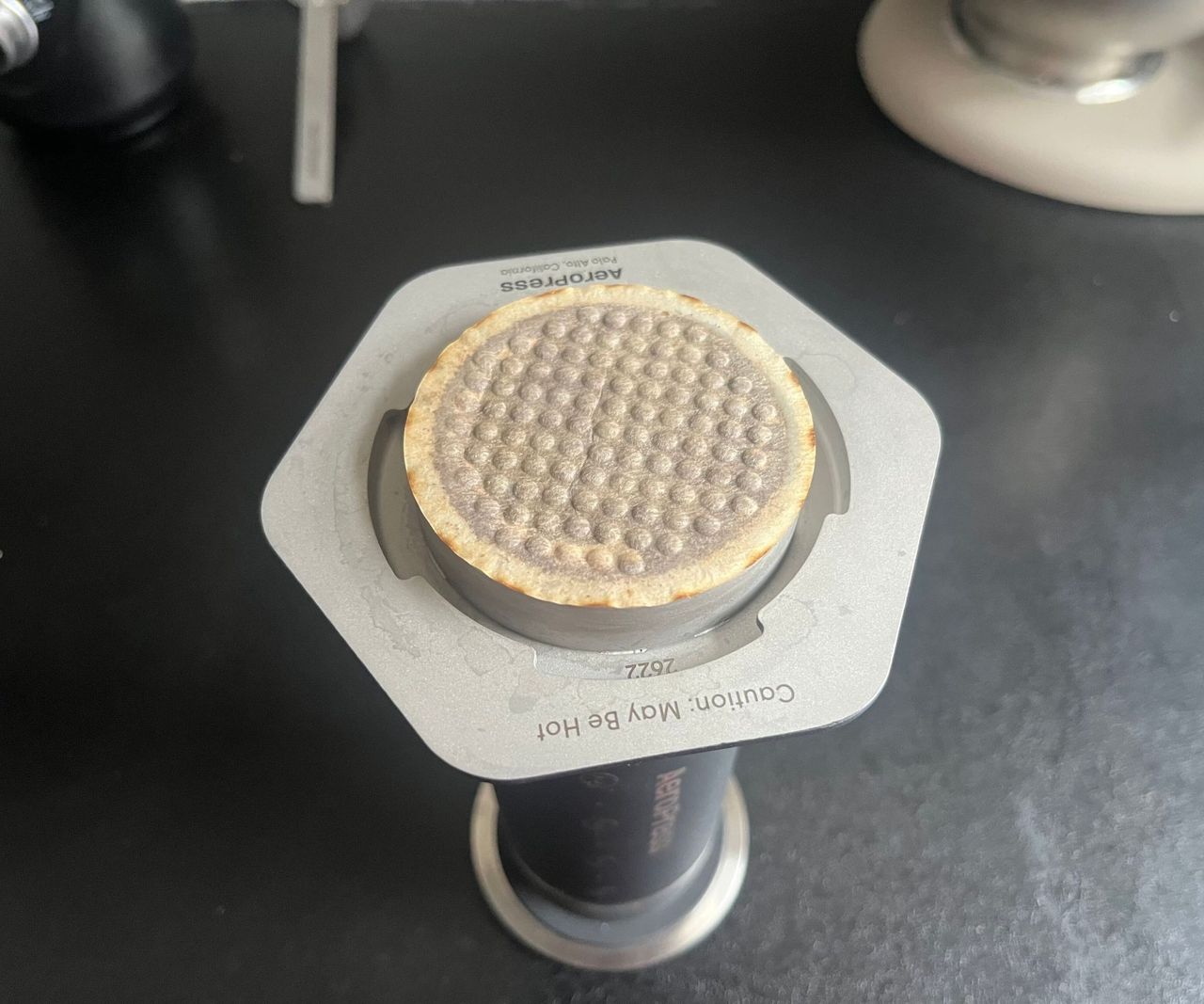
- The Filter: Once cooled, the bottom cap unscrews effortlessly. The paper filter—along with the spent coffee grounds—is fully compostable. More often than not, the filter adheres neatly to the coffee puck, making it easy to peel away.
- The Puck: Because the plunger extends slightly beyond the bottom of the chamber, holding the device over a food waste bin and pressing down expels the compressed coffee puck with a satisfying "pop."
- Final Rinse: A quick rinse under warm water is all that is required to restore the unit to pristine condition.
Storage and Travel Considerations
In small kitchens, counter space is at a premium. The Steel AeroPress solves this neatly: the plunger nests back into the chamber, the cap screws on, and accessories like the scoop and stir stick tuck securely into the plunger cavity. It can stand vertically on a counter or slip into a cabinet drawer.
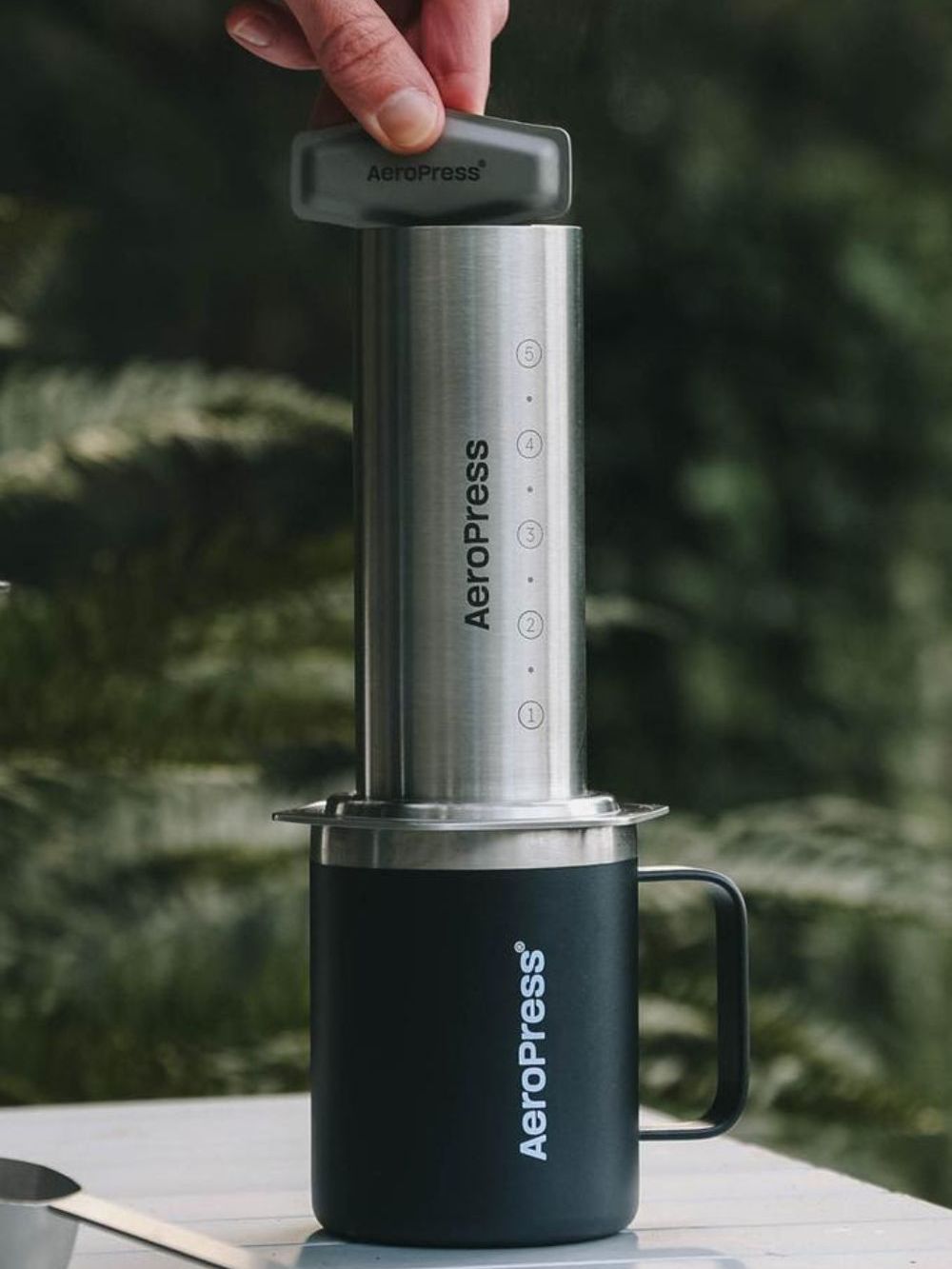
For travel, however, weight is a factor. While the stainless steel construction offers vastly superior durability compared to plastic, the unit weighs 1.4 lbs (635 g)—roughly 14 ounces heavier than the original model. While negligible for office commutes or road trips, backpackers and ultralight campers will need to factor this extra weight into their gear lists.
Consumer Sentiment and Official Perspectives
What Verified Shoppers Are Saying
Consumer feedback on the Steel AeroPress is overwhelmingly positive, averaging 4.7 out of 5 stars on official retail channels.
- The Praise: Buyers consistently highlight the premium aesthetics, the satisfying tactile feel of the metal construction, the larger 12-ounce capacity, and the elimination of plastics in the brewing path.
- The Criticism: The primary friction point among buyers is the price point. Many consumers who upgraded from the original plastic model argue that because the flavor profile of the resulting coffee is virtually identical, a price tag north of $160 is a difficult pill to swallow—especially when weighed against the added weight for travel.
Brand Positioning
AeroPress developed the Steel model to target a growing demographic of consumers seeking "non-toxic," durable kitchenware free from synthetic polymers. By eliminating plastic from the primary brewing vessel, the company successfully captures the wellness-oriented and premium homeware market, albeit at a luxury price point.
Implications: Is the Steel AeroPress Worth Your Investment?
The launch of the Steel AeroPress marks a fascinating evolutionary step for a brand built on utilitarian, lightweight, and affordable plastic innovation.
- Buy it if: You prioritize a plastic-free, non-toxic kitchen, value heavy-duty commercial-grade durability, and want a sophisticated piece of coffee gear that doubles as a countertop statement piece. Its thermal insulation and refined matte black finish elevate the morning routine.
- Skip it if: You already own a standard AeroPress, operate on a strict budget, or require an ultralight brewer for backpacking. The original plastic model produces an identical cup of coffee, weighs significantly less, and costs a fraction of the price.
Ultimately, while the Steel AeroPress is a luxury indulgence rather than an essential upgrade for current owners, it remains an engineering triumph that bridges the gap between manual brewing simplicity and high-end aesthetic appeal.
