In the world of celebrity real estate and high-end interior design, the prevailing assumption is that a multimillion-dollar Manhattan home must be exclusively outfitted with bespoke millwork, rare antiques, and ultra-luxury designer labels. However, Academy Award-winning actress Julianne Moore has recently upended this traditional design dogma. In a revealing look inside her stunning, light-filled Manhattan kitchen, Moore proudly showcased an unexpected centerpiece: an industrial-style, highly affordable storage unit from mass-market Swedish furniture giant IKEA.
For design enthusiasts and home decor aficionados alike, Moore’s embrace of high-low styling serves as a masterclass in modern interior architecture. Rather than relying solely on exorbitant custom builds to solve spatial challenges, the celebrated actress turned to an accessible, flat-pack staple, proving that true elegance lies not in a price tag, but in contextual placement, color cohesion, and thoughtful curation.
Main Facts: The IKEA KOLBJÖRN Meets Manhattan Chic
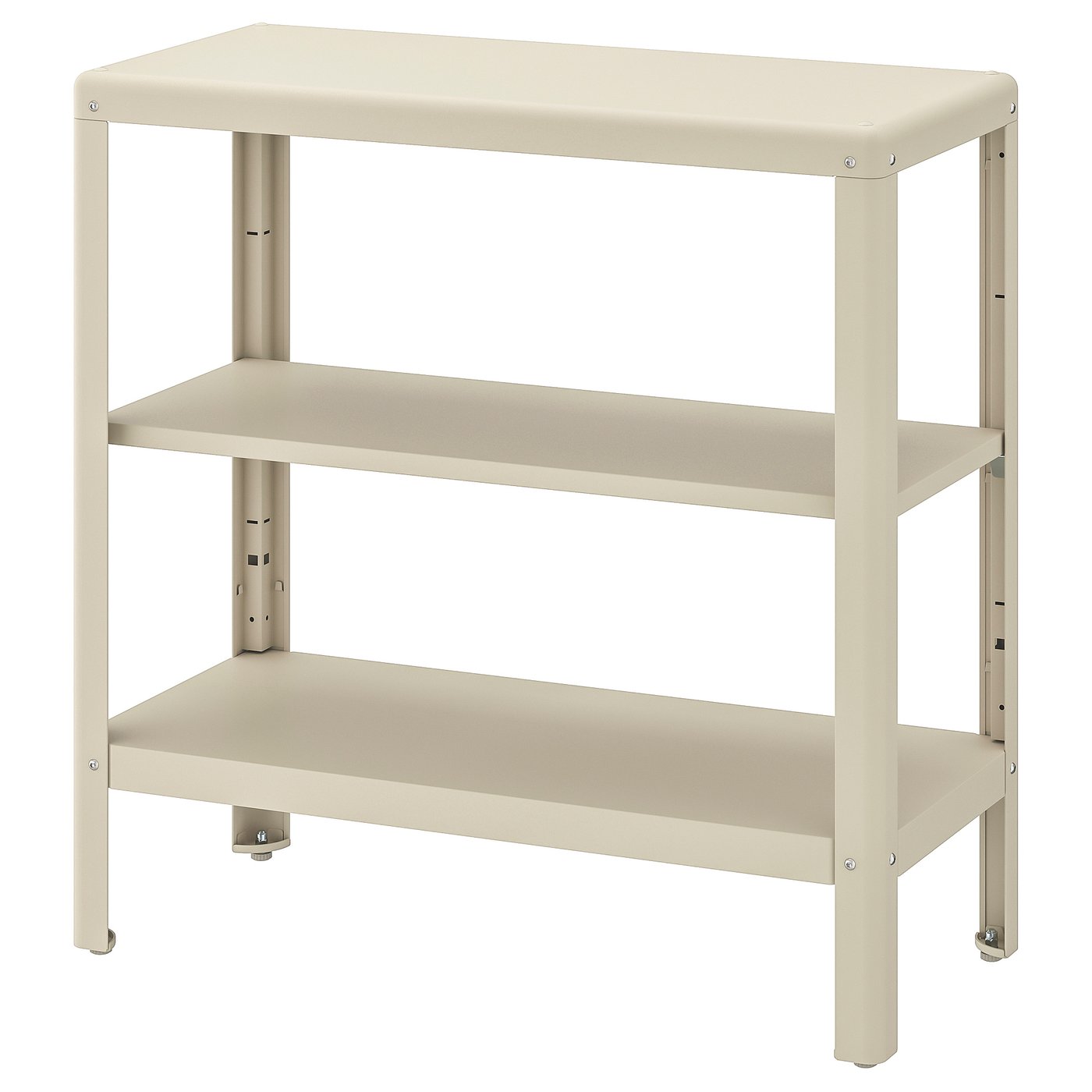
At the heart of this design revelation is the IKEA KOLBJÖRN shelf unit. Tucked seamlessly into the corner of Moore’s crisp white kitchen, the piece functions as an open-storage display for her everyday dishware.
The Piece: The IKEA KOLBJÖRN is traditionally marketed as an indoor/outdoor cabinet or shelving unit, celebrated for its durable galvanized steel construction and utility-driven aesthetic.
The Problem: Facing a distinct lack of cabinet storage in her kitchen, Moore initially weighed the expensive route of commissioning custom-built architectural millwork.
The Solution: Instead of spending thousands on a custom carpentry project, she opted for the flat-pack metal shelving unit, assembled it herself, and found that its muted, creamy-mushroom hue and industrial lines integrated effortlessly with her pre-existing design scheme.
The Styling: Rather than letting the budget-friendly metal piece look out of place, Moore styled it with a sophisticated palette of cream and charcoal ceramics, turning functional storage into an artistic focal point.
Chronology: From Spatial Dilemma to Design Triumph
To understand how a mass-market retailer found its way into an elite New York City kitchen, it helps to examine the timeline of Moore’s kitchen evolution.
Phase 1: The Storage Crunch
Like many historic or urban residences, Moore’s Manhattan home features plenty of character but suffers from limited kitchen storage. Confronted with the daily friction of inaccessible dishware and cluttered countertops, the actress began conceptualizing solutions to maximize vertical wall space without overwhelming the room’s airy proportions.
Phase 2: The Custom Build Debate
Initially, standard architectural routes were considered. In high-end real estate, the default response to a storage deficit is hiring a specialized cabinet maker to design fitted, integrated cabinetry. However, custom builds require significant financial investment and extended lead times, often stalling home improvement projects for months.
Phase 3: The Retail Discovery
While browsing for alternatives, Moore stumbled upon the IKEA KOLBJÖRN. Attracted by its utilitarian silhouette and industrial texture, she decided to take a chance on the budget-friendly shelving unit, purchasing it with the intent to test its viability in a high-end space.
Phase 4: Assembly and Integration
Upon delivery, Moore assembled the piece herself. Much to her surprise, the color and metallic finish did not clash with her refined, neutral-toned kitchen; instead, they anchored it. By pairing the utilitarian frame with sculptural, high-end ceramics and everyday dishware, she transformed an industrial utility shelf into a bespoke-looking statement piece.
Supporting Data: The Economics and Aesthetics of High-Low Decorating
Moore’s design choices reflect broader shifts in contemporary interior design. According to recent interior architecture trends, the concept of "high-low" mixing has evolved from an experimental styling trick into a cornerstone of sophisticated, lived-in luxury.
Why High-Low Styling Works
Traditional interior design dictated that staples should always be expensive, high-end investments, while trendy or fun accent pieces could be thrifty. Moore flips this script entirely, demonstrating that functional utility staples can be sourced affordably if they possess good bones and are integrated with intention.
Texture Balancing: A common pitfall in mixing budget furniture with luxury goods is a stark contrast in material quality. Moore avoids this by establishing a diverse tactile landscape within her kitchen. Her space features an interplay of natural wood (such as her prized cutting boards), warm metals, delicate glass, and heavy ceramics. Because the room already thrives on mixed textures, an affordable steel shelf doesn’t read as "cheap"—it reads as texturally native.
The Shift in Consumer Values: Modern homeowners increasingly reject hyper-curated, showroom-style perfection in favor of homes that reflect personal narrative and practical reality. Even A-list celebrities are leaning into accessible design solutions that prioritize function and aesthetic harmony over brand prestige.
Official Responses and Expert Design Commentary
Interior designers and home decor experts have been quick to weigh in on Moore’s unexpected retail choice, praising her intuitive approach to spatial design.
"The chicest people aren’t the ones who only buy the most expensive furnishings; they are the people who know how to mix in affordable pieces and make them look designer," notes design commentary from leading home aesthetics publications. "In her space, a simple piece of storage becomes an artwork because it respects the foundational color palette and material weight of the room."
Designers point out three specific technical reasons why Moore’s IKEA hack succeeds where others might fail:
Color Continuity: By selecting a unit that echoes the neutral undertones of her kitchen, the shelf blends into the architecture rather than acting as a jarring focal point.
Foreground vs. Background Curation: The eye is naturally drawn to the artistic, sculptural dishes and ceramics neatly arranged on the shelves rather than the steel frame itself. The inexpensive item serves a quiet, structural purpose, while the accessories draw the visual praise.
Intentional Imperfection: High-end interiors often risk feeling cold or sterile. By introducing an industrial, mass-market utility piece, Moore introduces an element of down-to-earth authenticity that grounds the entire room.
Implications: What This Means for Modern Interior Design
Julianne Moore’s endorsement of an accessible IKEA shelving unit carries broader implications for the future of home decor, retail partnerships, and celebrity influence.
1. The Democratization of Luxury Design
For decades, public perception linked celebrity homes exclusively to high-end interior designers like Kelly Wearstler or minimalist European showrooms. When an Oscar-winning actress casually highlights a flat-pack metal shelf, it dismantles the intimidation factor of high-end interior design. It sends a clear message to everyday consumers: good taste is about curation, not capital.
2. The Rise of "Anti-Posh" Authenticity
In an era saturated by highly curated, overly polished social media aesthetics, authenticity resonates deeply. Consumers are increasingly fatigued by unattainable luxury. Celebrity homes that incorporate accessible, everyday items foster a sense of relatability and trust, bridging the gap between aspirational living and attainable domestic comfort.
3. Sustainable and Practical Longevity
Opting for flexible, modular storage over permanent, custom-built millwork also points toward a more adaptable approach to home living. As urban dwellers frequently move or reconfigure spaces, modular pieces that can transition from an indoor kitchen to an outdoor patio offer unmatched versatility—proving that smart design is just as much about utility as it is about prestige.
Shop the Rest of Julianne Moore’s Kitchen Aesthetic
For those looking to channel the elevated, eclectic-neutral aesthetic of Julianne Moore’s Manhattan kitchen, interior experts have identified several key pieces that complete the space:
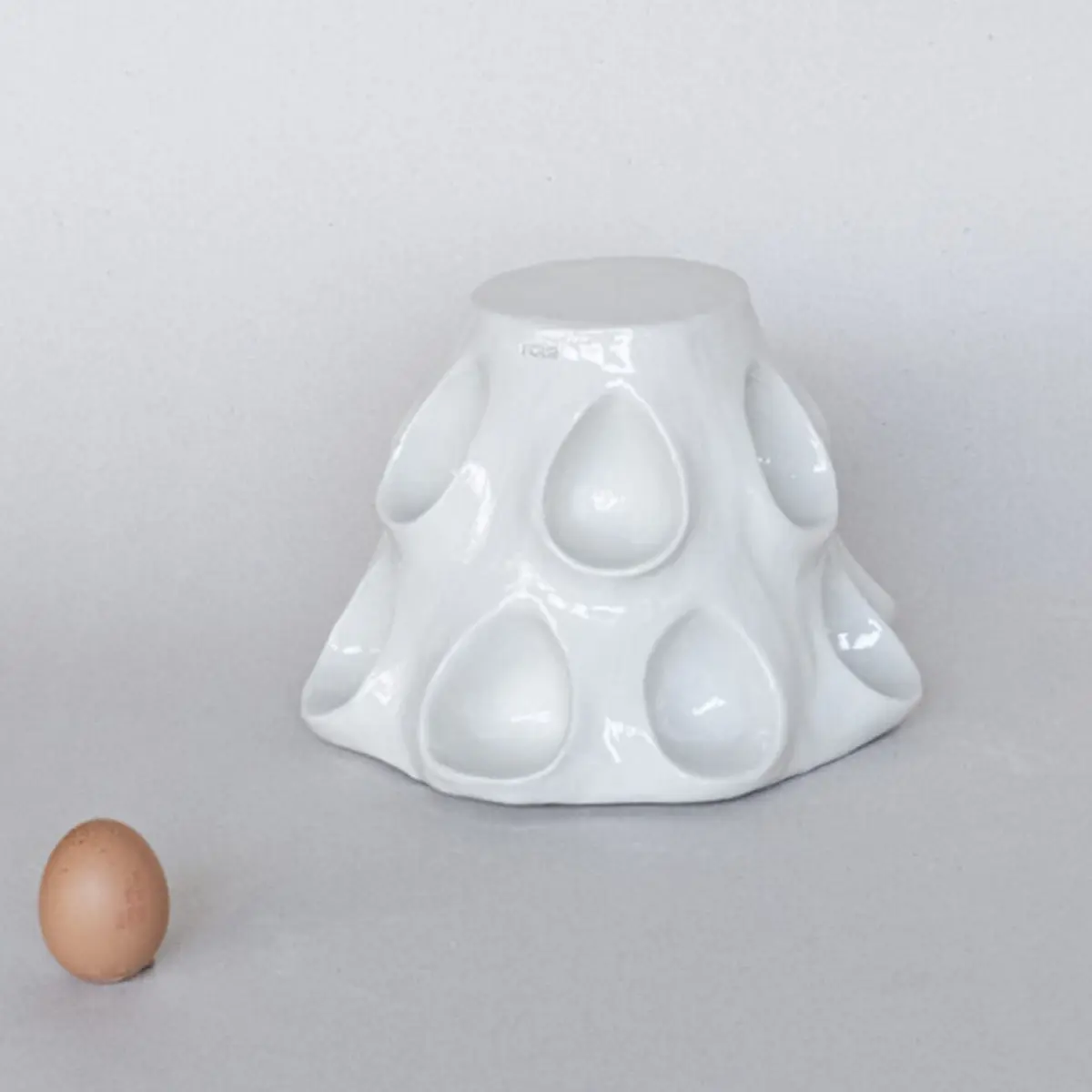
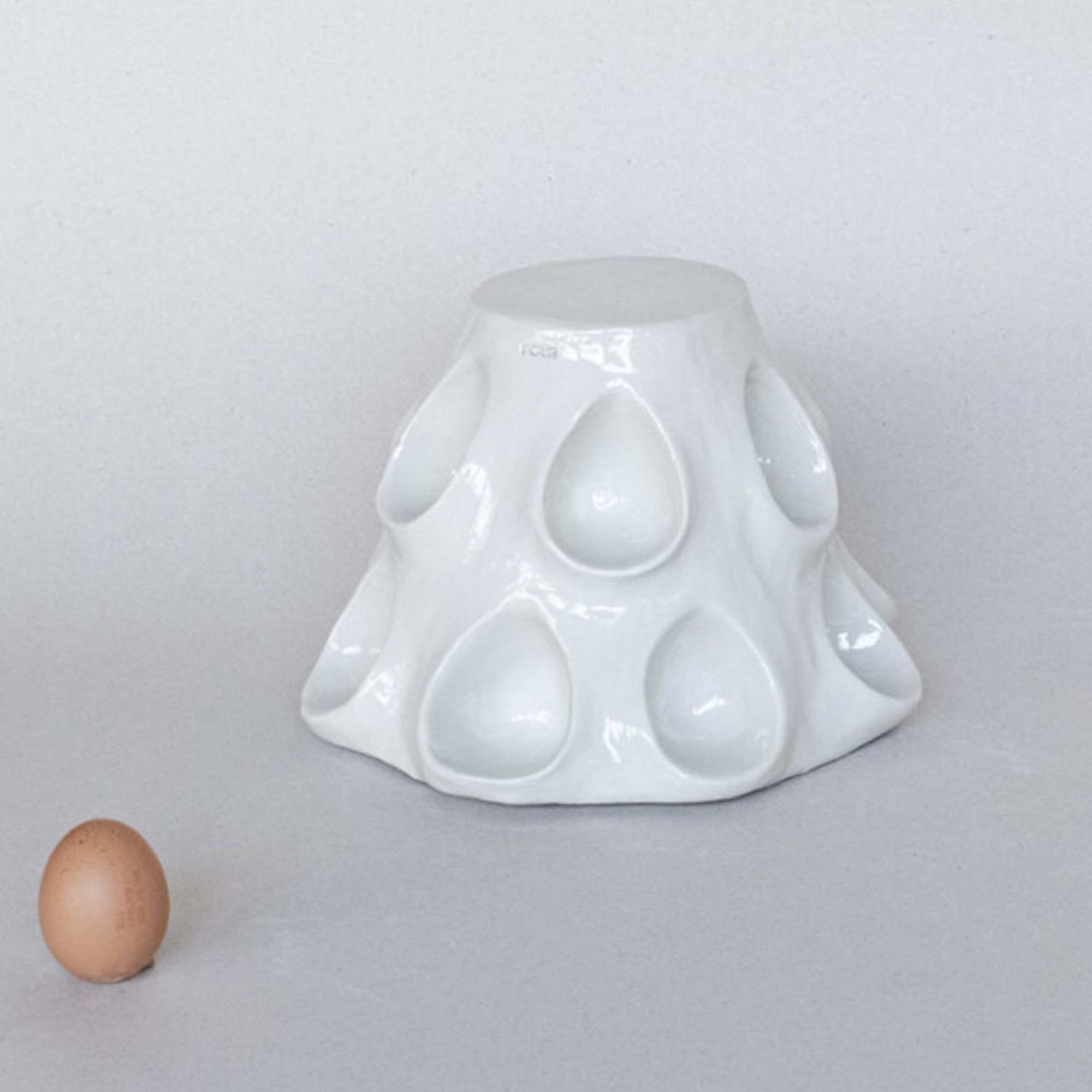
The Egg Tower: A sculptural, artistic take on countertop food storage that functions as an everyday statement piece.
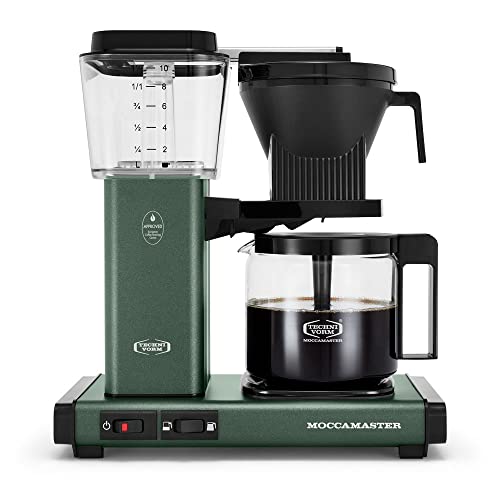
The Technivorm Moccamaster Coffee Maker: A gold-certified, stylish drip coffee maker favored by design-conscious celebrities for its quiet operation and retro-industrial aesthetic.
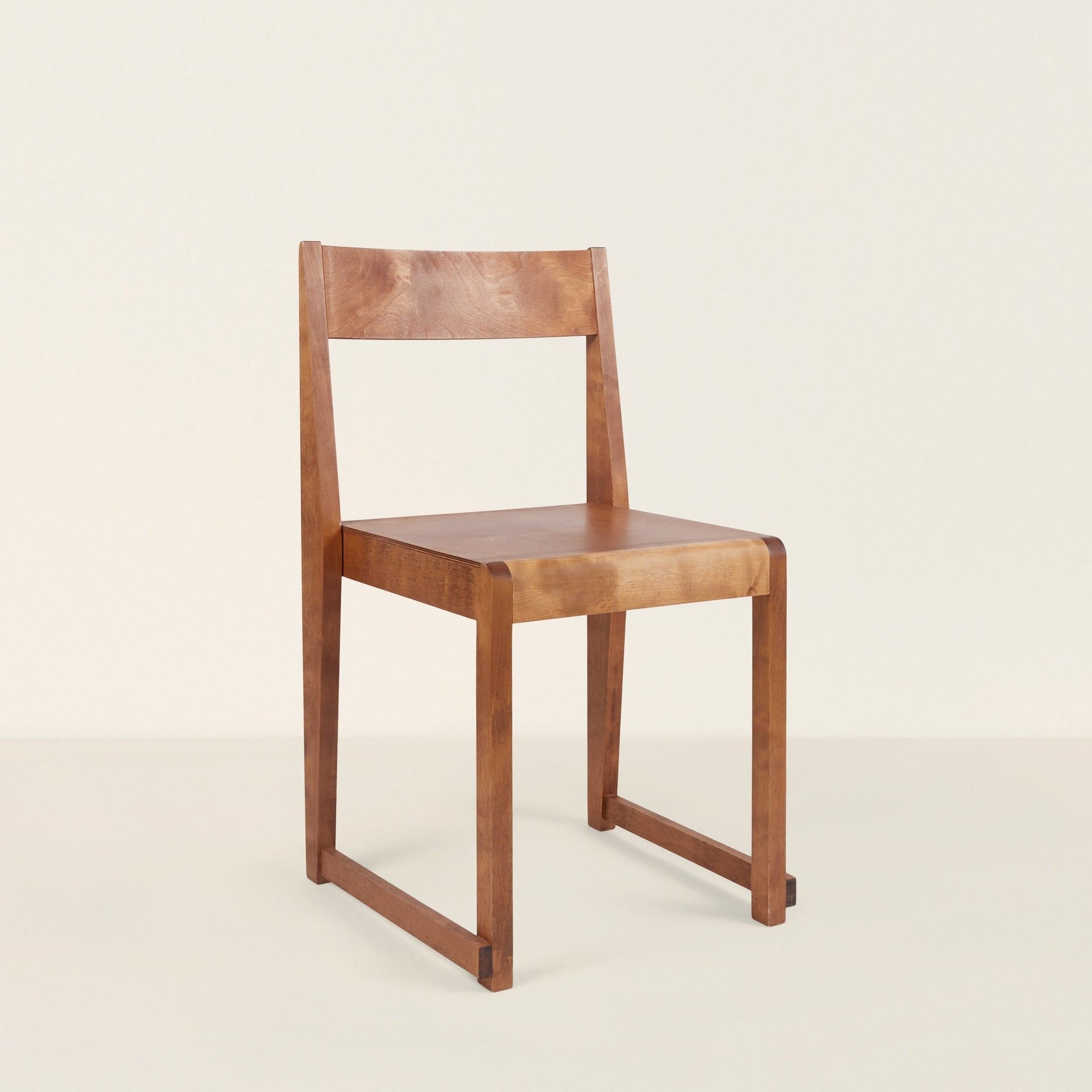
Mid-Century Dining Chairs: Similar to the Parisian vintage chairs Moore has carried across multiple home moves since 1995, offering a warm, classic contrast to industrial elements.
End-Grain Wooden Cutting Boards: High-end maple butcher blocks that introduce organic warmth and natural character to neutral stone countertops.
Reactive-Glaze Stoneware Canisters and Vases: Hand-molded ceramics with soft, organic silhouettes that elevate everyday storage into quiet works of art.