

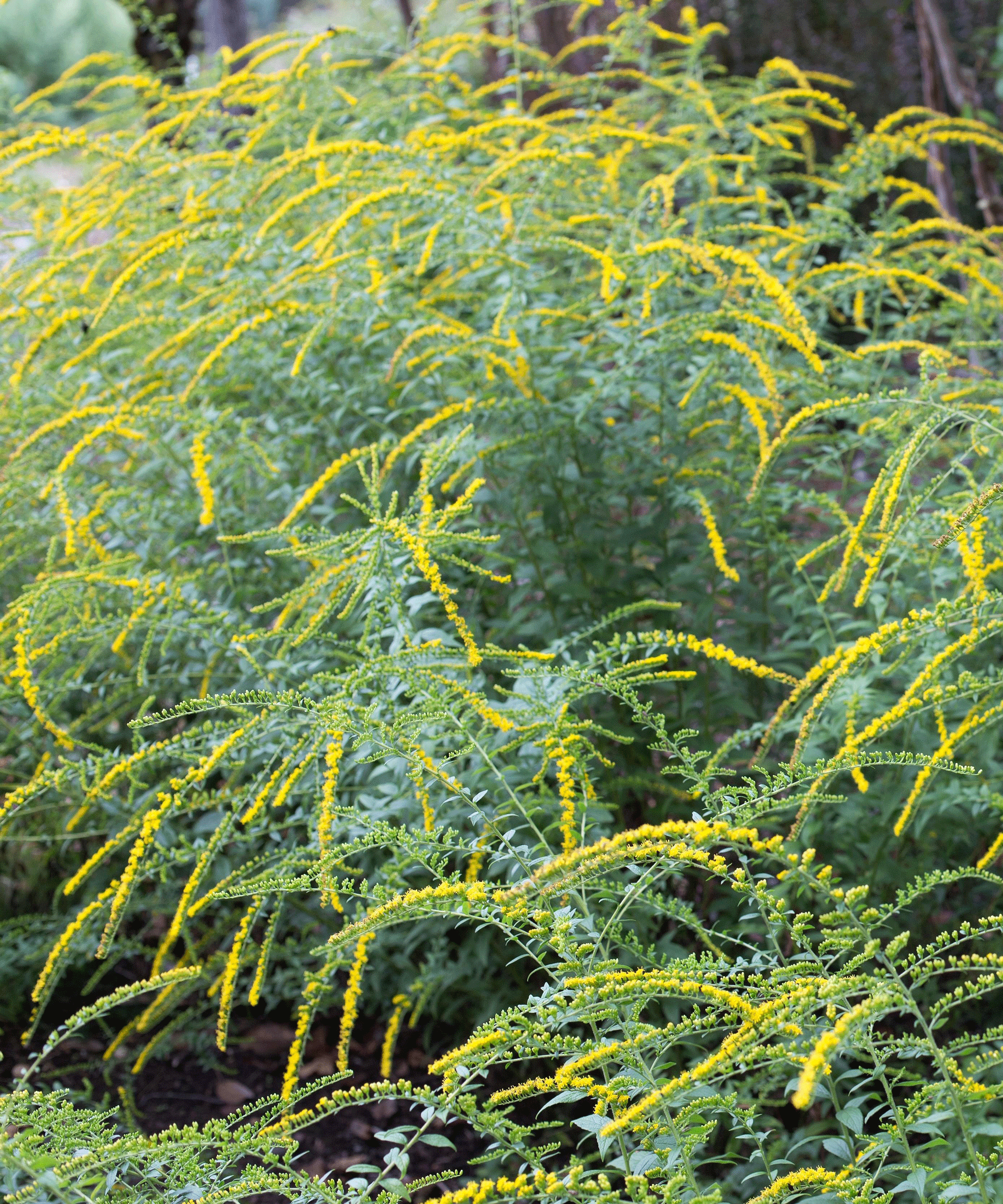
As the vibrant energy of summer fades and the landscape transitions into the mellow, amber tones of October, maintaining a lively and color-filled yard might seem like an uphill battle for many gardeners. However, sustaining a brilliant display well into the autumn months is entirely achievable with the right selection of hardworking, resilient flora. Heading into the cooler season, the glorious goldenrod—scientifically known as Solidago—stands out as one of the smartest, most visually dazzling, and ecologically vital choices a gardener can make.
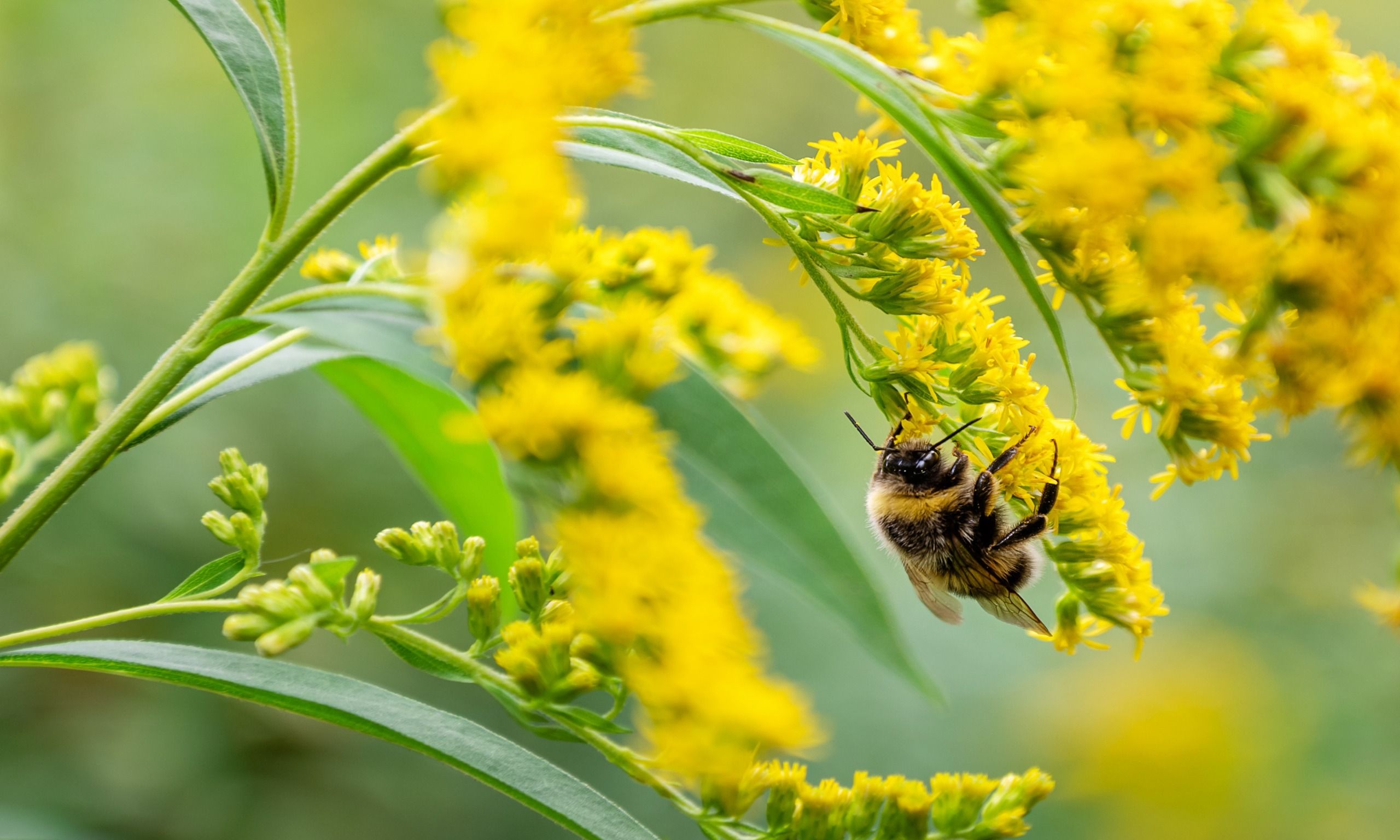
Dazzling with plumes of tiny sunshine-yellow flowers, goldenrod is much more than an aesthetic anchor for autumn borders. Native to North America, this resilient perennial is a keystone species that plays an irreplaceable role in supporting local ecosystems. As summer-blooming plants bow out, goldenrod steps into the spotlight, offering an abundant, long-lasting profusion of pollen and energy-giving nectar. Its dramatic personality, combined with its unmatched ability to nourish wildlife, makes it arguably the single best plant to cultivate for gardeners looking to attract and support bees during a critical seasonal bottleneck.
Main Facts: Understanding the Ecological Value of Solidago
Closely related to asters, goldenrod is a long-lived, easy-going perennial that demands remarkably little upkeep. Being clump-forming, it establishes quickly and spreads reliably via rhizomes, making it adaptable to a vast array of landscape designs. With roughly 75 distinct species native to North America, there is a goldenrod variety suited for almost any sunny or partially shaded yard, whether expansive or compact.
The core appeal of goldenrod lies in its precise timing and floral architecture.
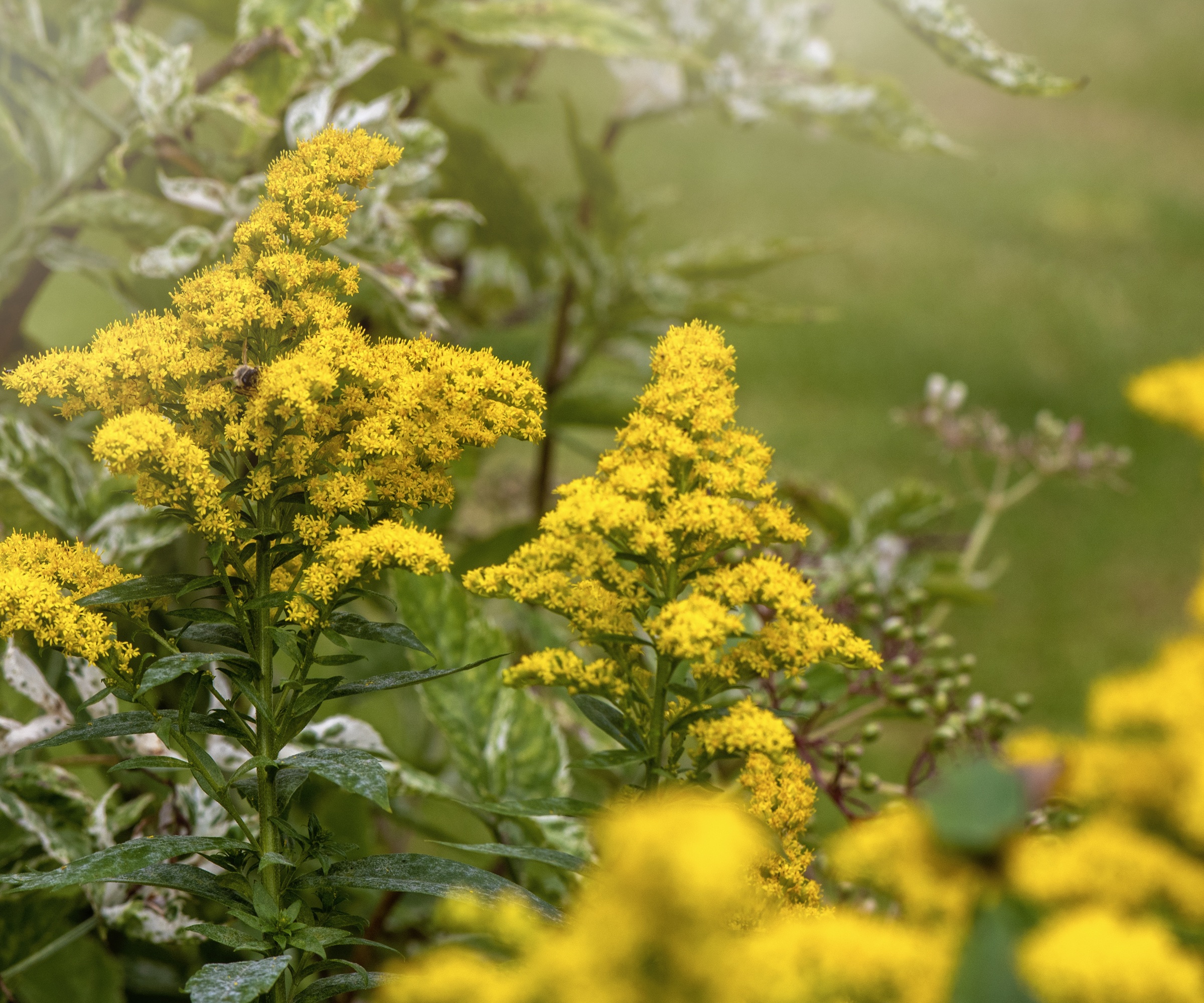
- Abundant Energy Reserves: Each plume is densely packed with hundreds of tiny flowers, allowing bees and other pollinators to harvest massive amounts of nectar and pollen in a single landing without expending precious energy flying from plant to plant.
- The Late-Season Lifeline: Most summer nectar sources disappear by September, leaving a dangerous food gap just as many native bees and overwintering queens are trying to bulk up. Goldenrod blooms precisely during this vulnerable window.
- Evolutionary Partners: According to habitat experts, goldenrod has co-evolved alongside more than 50 species of specialist native bees—including leafcutter, longhorn, mining, carpenter, and sweat bees—making it an irreplaceable ecological anchor.
Chronology and Seasonal Shift: Why Fall is Make-or-Break for Bees
To understand why goldenrod is so heavily sought out in October, one must examine the biological timeline of North American pollinators as autumn sets in.
Late Summer to Early Fall: The Final Push
As the calendar turns toward September and October, the biological imperatives for bees shift dramatically. For solitary bees, the late-season window marks the completion of the reproductive stage of their life cycle. Nectar provides the instant carbohydrates and flight energy required for these final foraging flights, while protein-rich pollen is gathered to provision nests and feed developing broods.
Preparing for Diapause and Winter
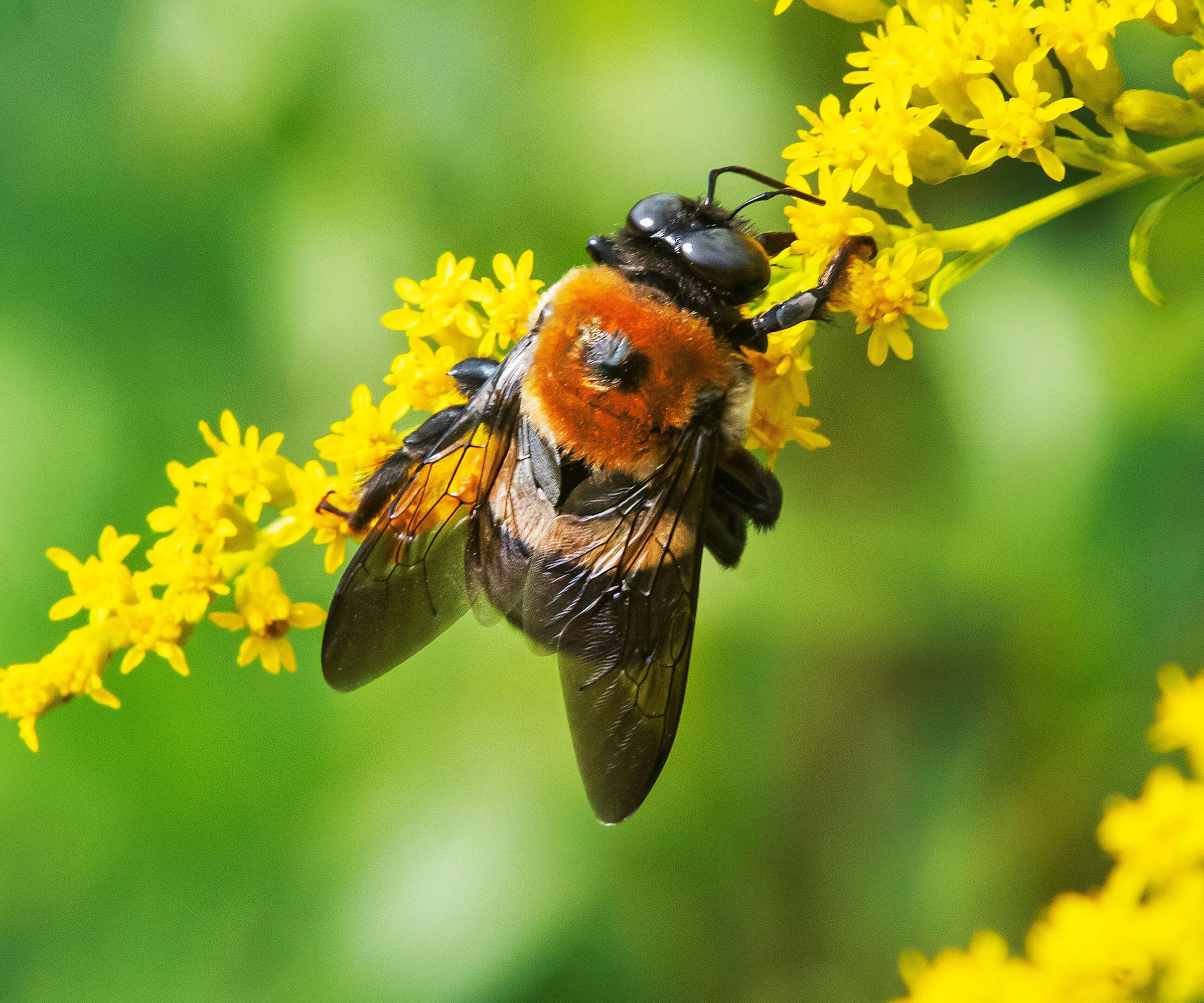
For social species like bumble bees, the stakes are equally high. New queens emerge in late summer and early autumn with a singular mission: to consume as much nutrient-dense food as possible. These young queens must build up substantial fat reserves to survive the cold months of diapause (hibernation).
Without adequate late-season resources like those provided by goldenrod, survival rates plummet. Protecting and feeding these autumn queens is crucial because they are the sole survivors who will emerge the following spring to establish entirely new colonies. Therefore, a robust patch of goldenrod in October directly dictates the health of next year’s pollinator populations.
Supporting Data and Expert Insights
Horticultural and wildlife experts widely emphasize the unmatched ecological status of Solidago.
"Goldenrod produces masses of tiny flowers packed into its showy plumes, giving bees access to a lot of nectar and pollen without having to travel from plant to plant," explains Tabar Gifford, a Master Gardener and plant expert. "And it blooms just as many of the summer’s major nectar sources are fading, so its timing is especially valuable."
Mary Phillips, Head of Native Plant Habitat & Certifications at the National Wildlife Federation (NWF), reinforces this perspective, noting that goldenrod’s late-season flowers are an essential resource that helps native bees build up the vital physiological reserves they need before winter dormancy takes hold.
Furthermore, Phillips highlights that goldenrod is a true "keystone plant." Ecologically speaking, keystone plants are native species that are critical to the food web; without them, local ecosystems collapse. By supporting dozens of specialist bee species that rely exclusively on or heavily favor Solidago, gardeners who plant goldenrod are actively stabilizing regional biodiversity.

Choosing the Right Goldenrod: Varieties to Plant (and How to Manage Them)
Because goldenrod encompasses dozens of species thriving in diverse habitats, selecting the correct variety for your specific landscape design and ZIP code is essential. Vigorous spreaders that thrive in wild prairies may overwhelm a small suburban flowerbed, whereas select cultivars offer disciplined, well-behaved growth.
1. Fireworks Goldenrod (Solidago rugosa ‘Fireworks’)
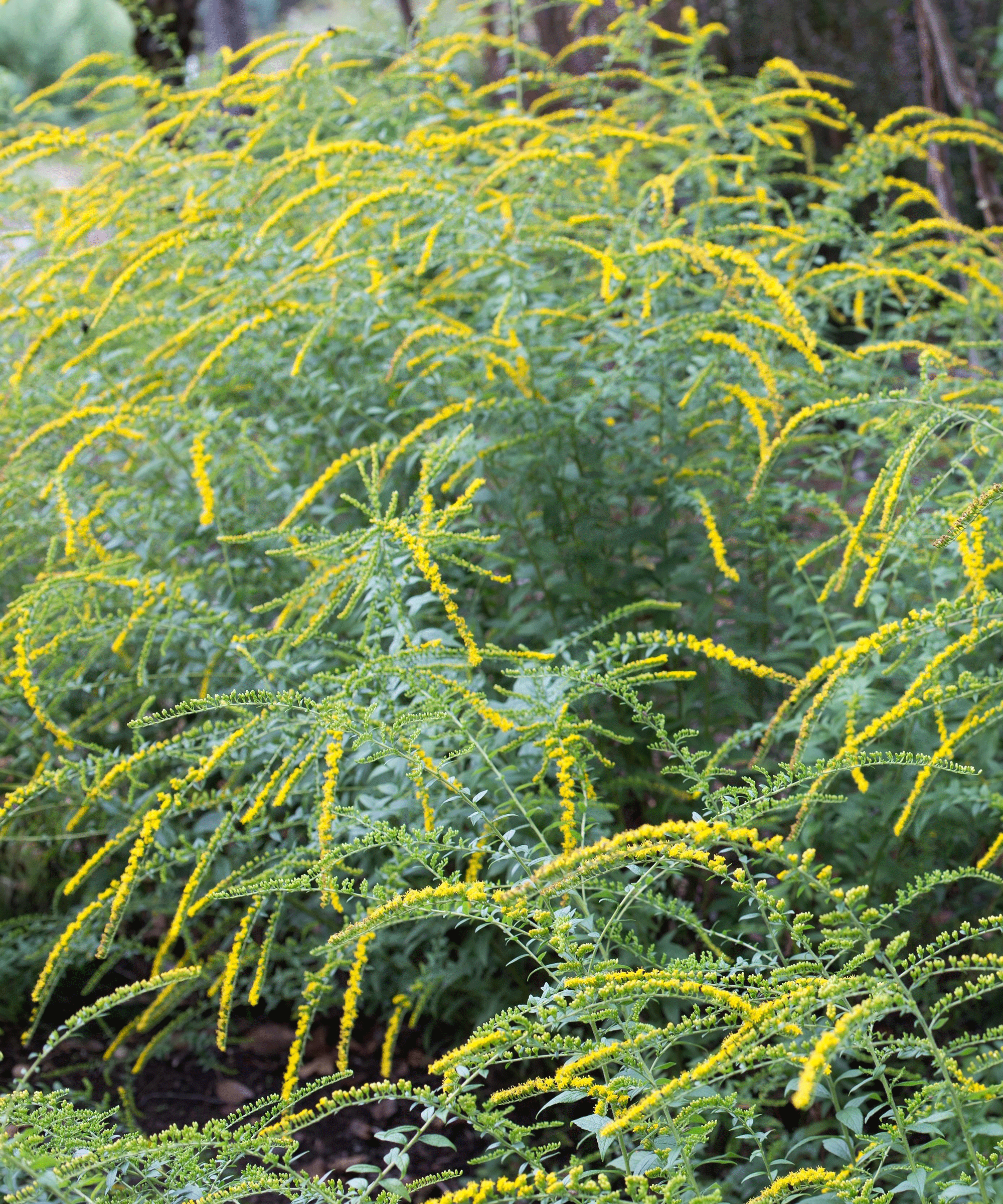
For gardeners with adequate space, Fireworks is an absolute showstopper. Named for the way its arching, slender stems spray outward like golden pyrotechnics, this plant is lined with starry yellow blooms from late summer through late fall. Thriving in USDA Zones 4 through 9, it typically reaches heights of 3 to 4 feet with a 2-to-3-foot spread. It makes a magnificent mid-to-back border plant.

2. Golden Fleece Goldenrod (Solidago sphacelata ‘Golden Fleece’)
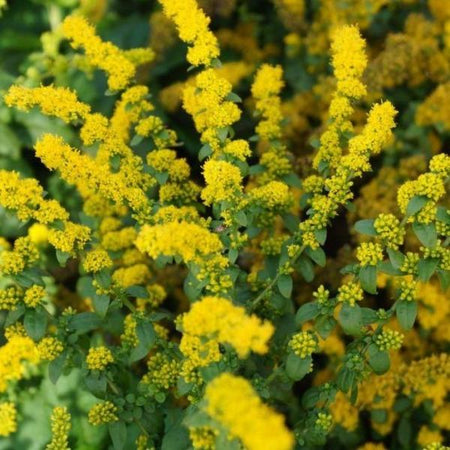
If you are working with a smaller urban garden or want a plant suitable for the front of a border, Golden Fleece is a fantastic, compact choice. Reaching manageable heights of just 1 to 2 feet, it forms neat, dense mounds smothered in frothy, golden-yellow flowers throughout the autumn months.
3. Zigzag Goldenrod (Solidago flexicaulis)
For shady yards or areas beneath the canopy of mature trees, Zigzag goldenrod is an ideal solution. Growing up to 4 feet tall with a zig-zagging stem structure, this shade-tolerant native thrives in dappled sunlight or woodland edges, proving that goldenrod is not exclusively reserved for wide-open, baking meadows.

Pro-Tip: Gardeners can utilize the National Wildlife Federation’s online Native Plant Finder tool to input their specific ZIP code and identify the exact, locally adapted goldenrod species native to their immediate region.
Official Responses and Ecological Implications
Environmental organizations and conservation groups increasingly stress that private residential yards hold immense power in shaping regional conservation outcomes. As natural habitats face ongoing fragmentation due to urban development, suburban and rural gardens are no longer viewed merely as aesthetic landscaping projects; they are recognized as critical wildlife corridors.
Conservation biologists point out several broader ecological implications of incorporating goldenrod into home landscapes:
- Ecosystem Resilience: By providing guaranteed food sources during seasonal transitions, native perennial plantings buffer pollinators against the stresses of habitat loss and climate shifts.
- Multi-Tiered Wildlife Support: The benefits of goldenrod extend far beyond bees. When plants are left standing through the winter rather than cut back in a premature autumn cleanup, their heavy seedheads become an invaluable food source for overwintering birds such as goldfinches and juncos. Furthermore, the hollow standing stems provide safe overwintering cavities and nesting sites for beneficial insects.
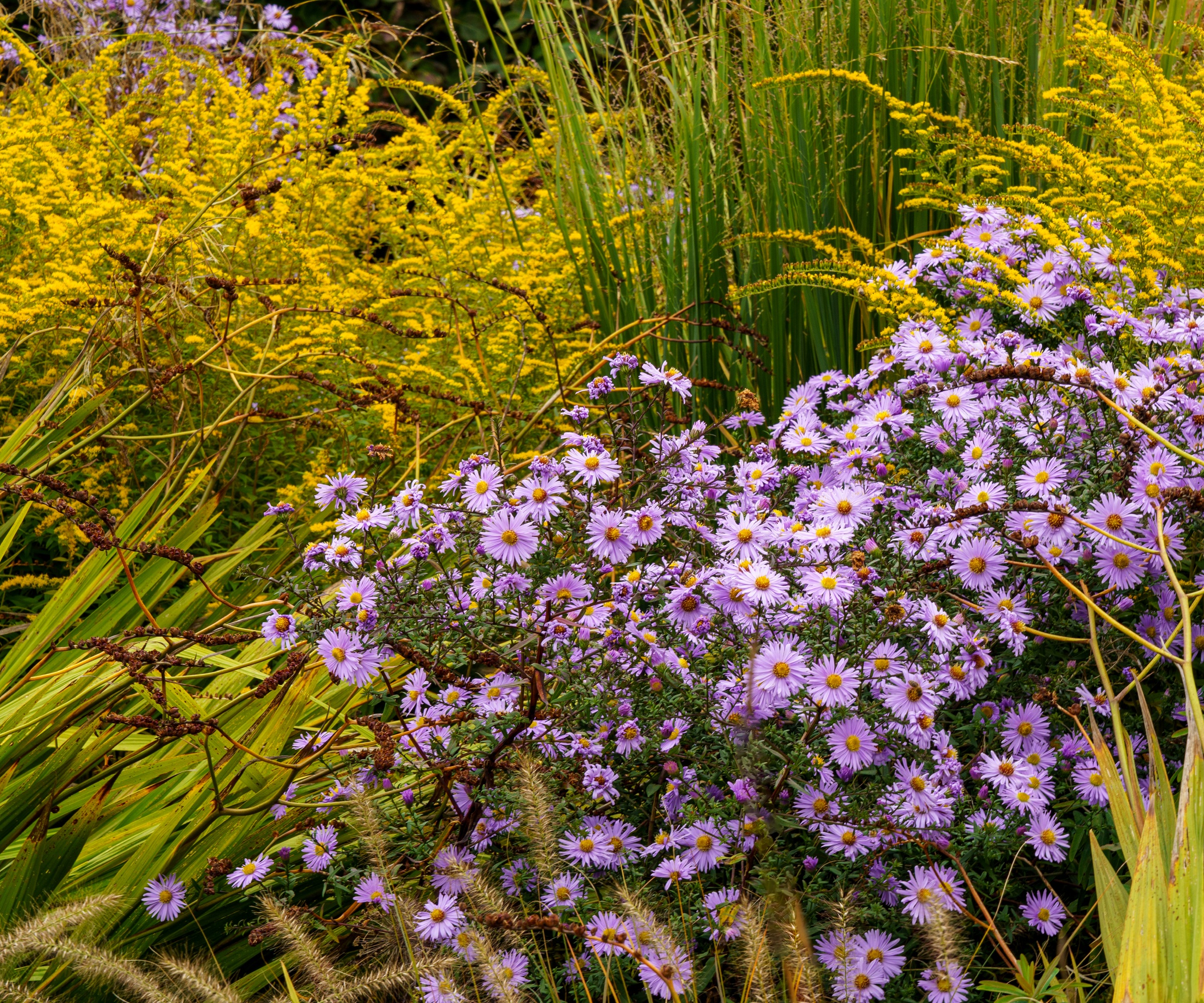
- Plant-Partnering Synergy: Goldenrod achieves maximum ecological impact when paired with other late-blooming native perennials. Horticultural experts recommend combining Solidago with native New England asters, coneflowers, and sedum. This layered approach creates an uninterrupted buffet of nectar and pollen, ensuring that pollinators have sustained nourishment right up until the first hard frost.
Conclusion: Cultivating a Sustainable Future One Yard at a Time
Incorporating goldenrod into your October garden is a masterclass in smart, sustainable horticulture. It dispels the myth that autumn yards must look barren or require intensive maintenance as the growing season winds down. Instead, by choosing hardworking native perennials like Solidago, gardeners can enjoy a vibrant, sun-drenched landscape while actively participating in vital conservation efforts.
Whether you plant a compact mound of Golden Fleece at the front of a sunny border, let a cascade of Fireworks illuminate the back of your yard, or tuck Zigzag goldenrod beneath the shade of a tree, your garden will become a buzzing sanctuary for hardworking pollinators. By providing vital nutrition when bees need it most—and leaving the stalks standing through the winter to shelter beneficial insects—home gardeners can transform their plots into resilient, ecologically rich habitats that support the natural world for generations to come.
