


LOS ANGELES — For decades, the color beige has suffered from an undeserved reputation in the interior design world. Often dismissed as the ultimate safety net for risk-averse renovators, it has spent years being categorized as bland, uninspired, and predictable. However, a quiet revolution is taking place in high-end residential architecture—one that proves beige is not inherently boring; rather, it simply requires a masterclass in execution.
No home demonstrates this philosophy quite the Pacific Palisades kitchen of musician Adam Levine and supermodel Behati Prinsloo. Designed in collaboration with the world-renowned studio Clements Design, the celebrity couple’s culinary space has emerged as a blueprint for contemporary neutral styling. By masterfully layering natural textures, contrasting metals, and artisanal finishes, Levine and Prinsloo have transformed a foundational neutral into one of the most sophisticated, tactile, and visually rich environments in modern celebrity real estate.
As interior design trends pivot toward warmth, authenticity, and understated luxury, the Levine-Prinsloo kitchen serves as a master class for homeowners looking to elevate neutral spaces. Far from flat, their approach is shaping up to be one of the most influential interior design movements of the coming years.
The Anatomy of a Masterpiece: Main Facts and Design Elements
At first glance, the Pacific Palisades kitchen feels effortlessly serene, yet every square inch reveals deliberate, high-end decision-making. The backbone of the space is a sophisticated cabinetry system finished in a warm, light beige wood. Rather than feeling stark or clinical—a common pitfall of minimalist modern kitchens—the wood grain introduces an organic, grounding quality that anchors the sprawling room.

The cabinetry is beautifully contrasted by veined gray marble countertops and backsplashes, introducing movement and geological depth. This interplay between soft, tactile wood and hard, polished stone creates a dynamic visual dialogue that prevents the neutral palette from reading as monotonous.
The focal point of the space, however, is a dramatic, matte-black La Cornue range. Serving as a masterclass in color-blocking, the dark, statement appliance commands attention, punctuated by bright silver hardware that catches the light. The kitchen is further accessorized with polished stainless steel elements—such as a high-end espresso machine and a matte filler tap—proving that mixing metals and finishes is essential to achieving a multi-dimensional aesthetic.
According to design industry insiders, this meticulous attention to detail is precisely what elevates the space from a standard luxury kitchen to a genuine trendsetter.
The Chronology of Neutral: From Bland to Bold
To understand why the Levine-Prinsloo kitchen feels so revolutionary, it helps to examine the evolution of kitchen design over the past two decades.

- The White Kitchen Era (2010–2018): For years, ultra-glossy, all-white kitchens dominated luxury real estate. While bright and expansive, these spaces often lacked personality, frequently criticized by designers for feeling cold and sterile.
- The Industrial Gray Wave (2015–2021): As a reaction to clinical white, industrial grays, concrete finishes, and stark stainless steel took over. While moody, this trend frequently resulted in heavy, dark spaces that lacked warmth.
- The Return to Warmth and Tactility (2022–Present): Interior designers began shifting toward organic modernism. Beige, cream, and terracotta made a comeback, but with a crucial twist: texture became the primary focus.
- The 2027 Horizon (Current Outlook): Today, spaces like Adam and Behati’s Pacific Palisades home are setting the standard for the future of interior design. The integration of light beige wood, veined marble, and bold, color-blocked focal appliances represents the pinnacle of modern, livable luxury.
Supporting Data: Why Light Wood and Neutrals Dominate 2027 Design Trends
Industry experts note that the combination of light beige wood and veined marble seen in the Levine-Prinsloo home is rapidly becoming a dominant market preference. Market analyses of high-end architectural renovations indicate a massive surge in demand for organic, tactile materials over synthetic or high-gloss alternatives.
Shelley Cochrane, a leading design expert, notes that consumer psychology is shifting toward spaces that evoke calm and well-being. "Natural materials and textures have never fallen out of favor, but they are proving especially popular right now," Cochrane explains.
"Light wood, in particular, brings a serene and tranquil quality to a home," she continues. "It evokes the natural world while feeling approachable and airy. Furthermore, the natural grain of wood adds an eye-catching and distinctive charm to a dining space or kitchen, preventing neutral palettes from ever feeling flat."
Data from interior architecture firms also highlights the functional benefits of light-toned wood and beige finishes, particularly in urban environments where square footage is at a premium.
Official Insights: Expert Perspectives on the Trend
To unpack why the Levine-Prinsloo kitchen works so well, prominent voices in the interior design space have weighed in on its core components: texture and color-blocking.
The Power of Light Finishes in Compact Spaces
While Adam and Behati’s Pacific Palisades residence is expansive, the design principles applied to their kitchen translate seamlessly to smaller homes. Georgia Metcalfe, a renowned interior design specialist, emphasizes the versatility of lighter tones.
"Lighter woods and finishes are generally better for smaller spaces as they feel less imposing, especially when it comes to larger architectural elements and cabinetry," Metcalfe states. "Lighter colors will naturally reflect the light, bouncing it around the room and helping to keep your space feeling bright, open, and airy, even in a bijou kitchen."
The Rise of Intentional Color-Blocking
Another striking element of the Levine-Prinsloo kitchen is their use of the all-black matte La Cornue oven, which introduces a bold, contrasting anchor to the soft beige backdrop. According to design experts, this technique—known as color-blocking—is taking over high-end residential projects.
Graham Duke, a design expert at Everhot, explains the psychological and aesthetic impact of this approach. "Color-blocking is all about putting bold blocks of color together to create contrast and interest in a space," Duke says. "Think complementary shades that sit opposite each other on the color wheel, or deeper hues used in specific areas rather than letting everything blend into one uniform palette."
Duke points out that homeowners do not necessarily need to undergo a massive, multi-thousand-dollar kitchen gut-reno to achieve this look. Instead, the appliance itself can do the heavy lifting.
"In the kitchen, the cooker can do much of the work," Duke advises. "For example, a vibrant cooker or a sleek matte black statement range can act as a focal point against a more neutral kitchen, drawing the eye and adding a point of architectural interest. Rather than overhauling a kitchen entirely, investing in a statement centerpiece allows you to introduce character and a profound sense of personal flair."
Implications: How to Recreate the Look at Home
The overarching takeaway from Adam Levine and Behati Prinsloo’s culinary space is that luxury is no longer defined by excess or flashiness, but by curation, materiality, and restraint. For homeowners looking to translate this celebrity-approved aesthetic into their own spaces without undertaking a full-scale architectural remodel, designers recommend focusing on accessible, high-impact accessories and finishes.
1. Introduce Tactile Countertop Accessories
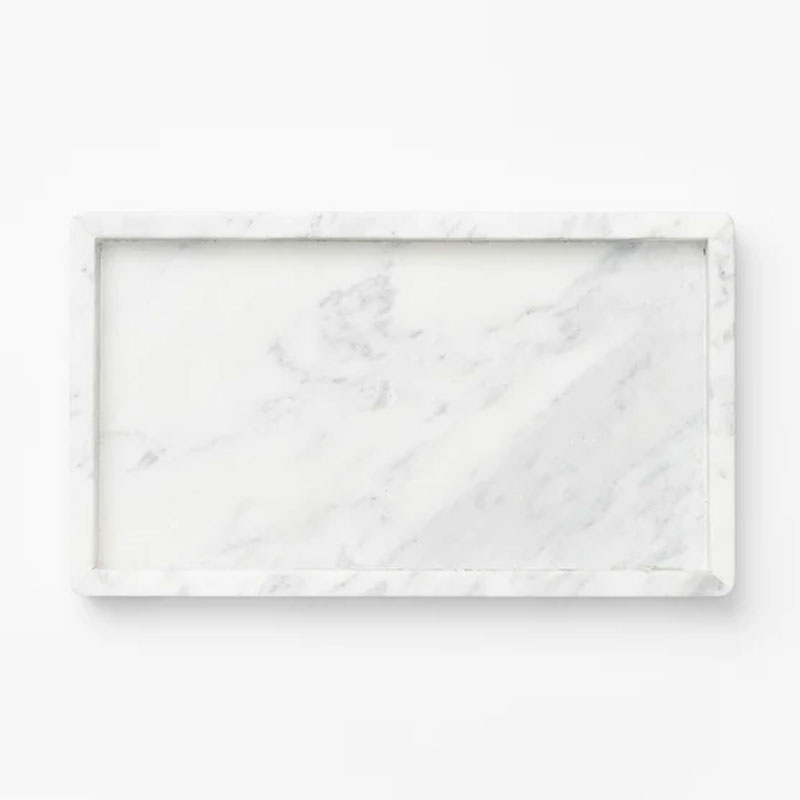
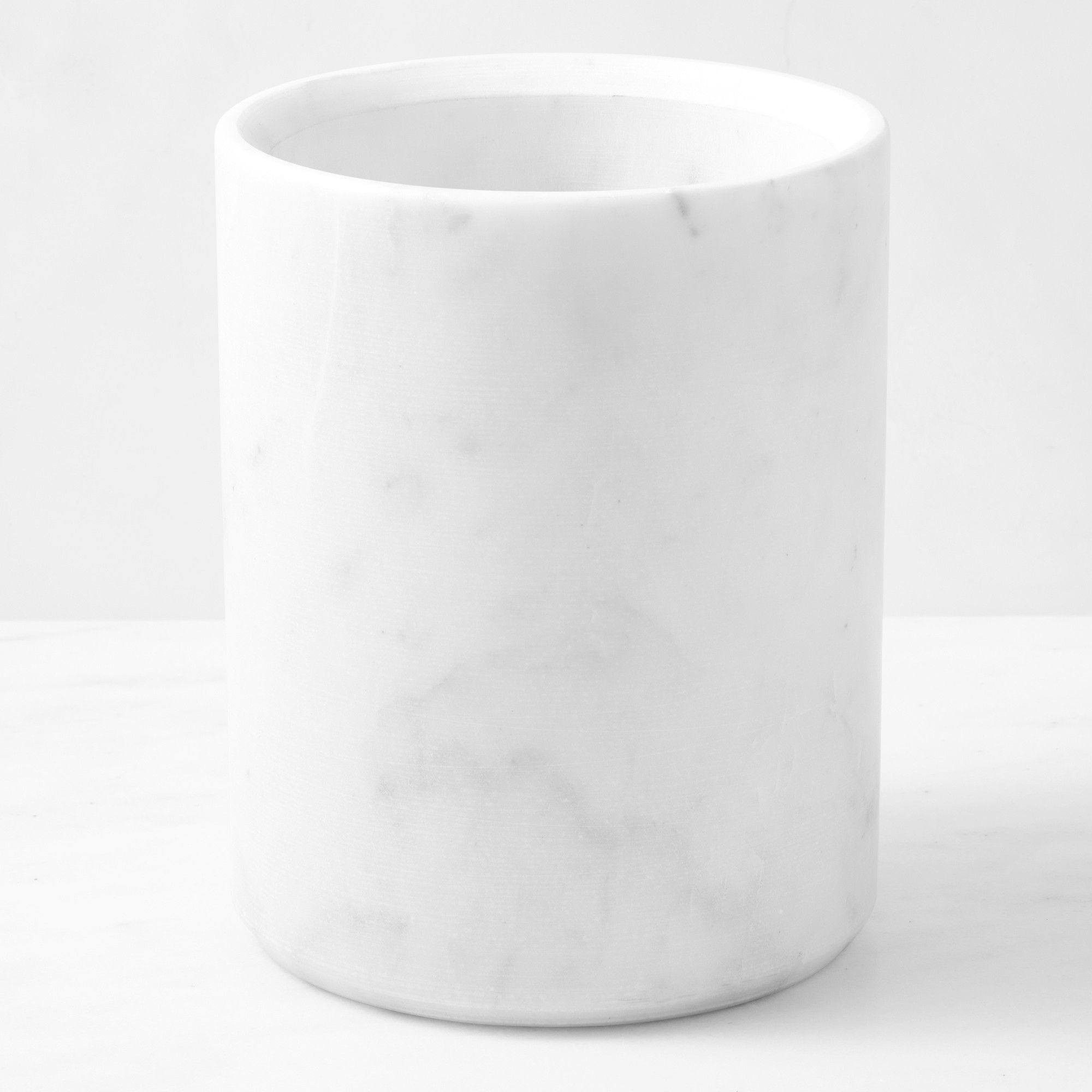
You don’t need a custom marble slab to capture the essence of the Pacific Palisades look. Introducing smaller, high-end marble accents—such as a beveled white marble tray or a heavy marble utensil holder—brings in the required cool, veined stone texture in an organic way.
2. Layer Warm Woods
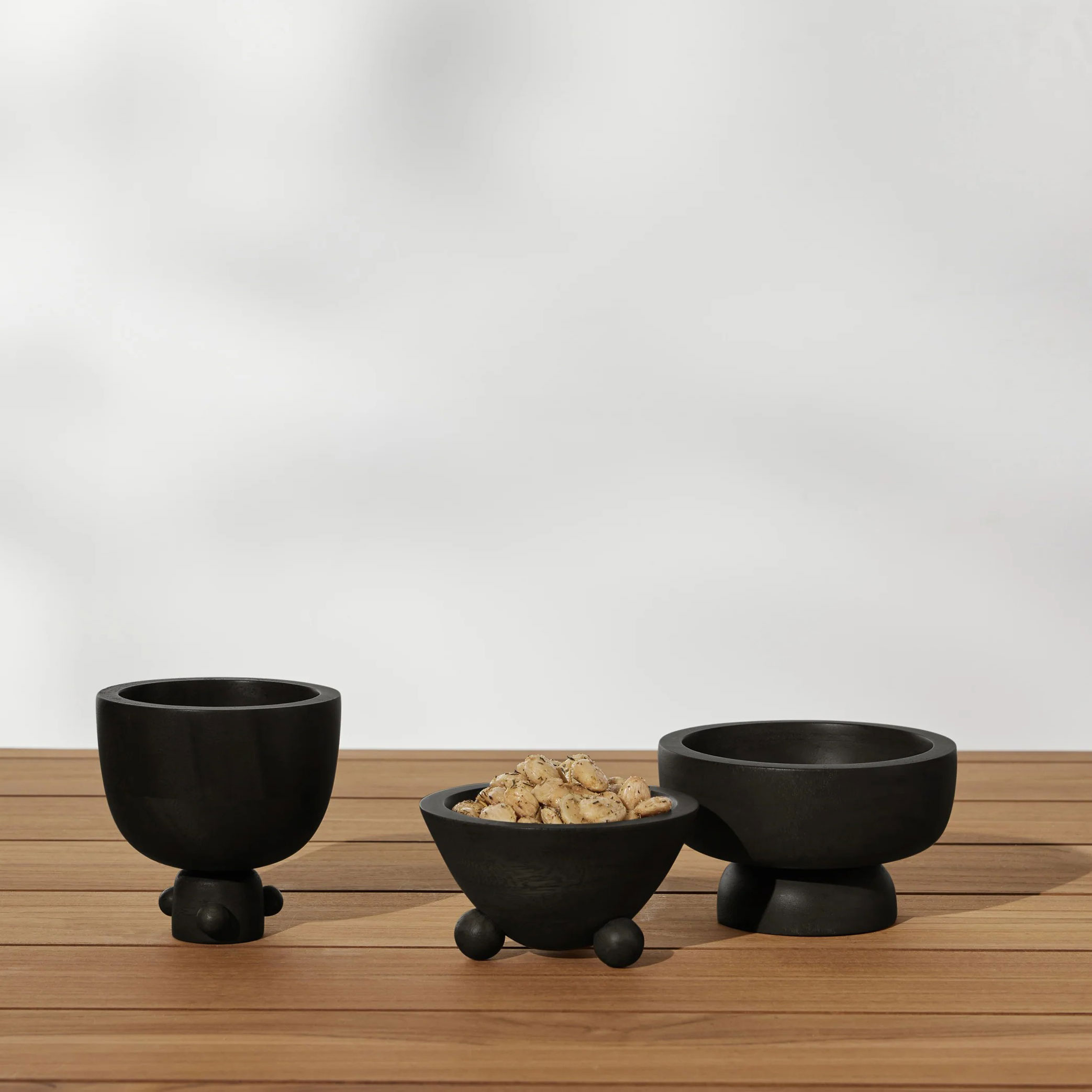
If your cabinets are currently painted or neutral, you can warm up the space instantly by incorporating grained wooden elements. Items like an artisan-made set of mini wooden bowls for mise en place or a thick acacia wood serving board propped against the backsplash will instantly inject warmth and organic grain into the room.
3. Upgrade Your Hardware and Small Appliances
Take a cue from the stainless steel espresso machine and matte metal fixtures in the Levine-Prinsloo home. Swapping out generic cabinet pulls for brushed brass or polished nickel, and investing in sleek, design-forward countertop appliances, can completely shift the tactile experience of a kitchen.
4. Embrace Contrast
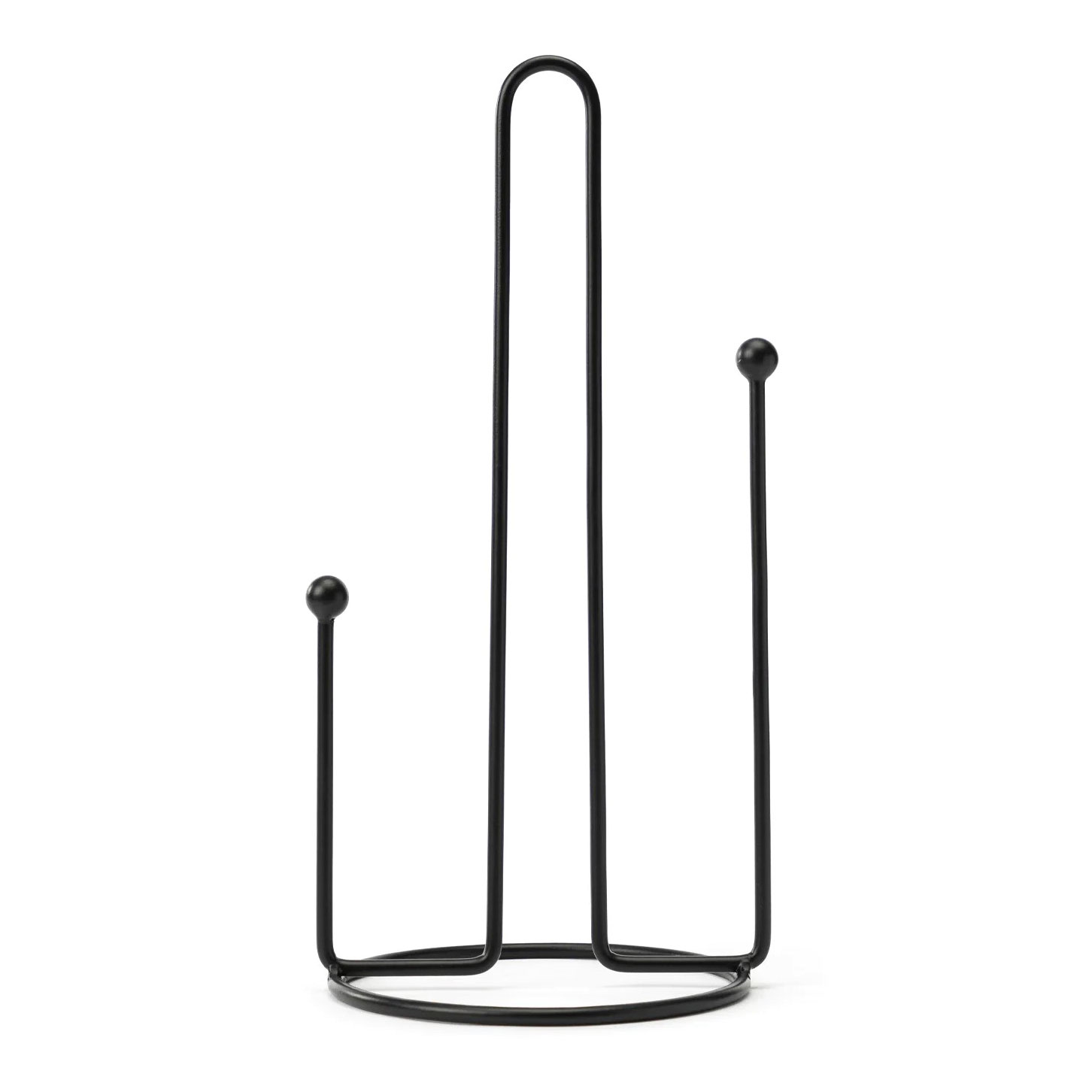
Don’t be afraid to introduce a dark, moody element to anchor a sea of beige. Whether through a matte black paper towel holder, dark iron accents, or a statement range, strategic contrast is the secret weapon that keeps a neutral interior vibrant and alive.
Ultimately, the Pacific Palisades kitchen proves once and for all that beige never needs to be boring. By prioritizing natural textures, thoughtful finishes, and bold focal points, Adam Levine and Behati Prinsloo have provided a masterclass in how to make neutrality feel profoundly rich, inviting, and utterly timeless.
