

By Staff Technology & Sports Correspondent
Published: October 2023
Main Facts
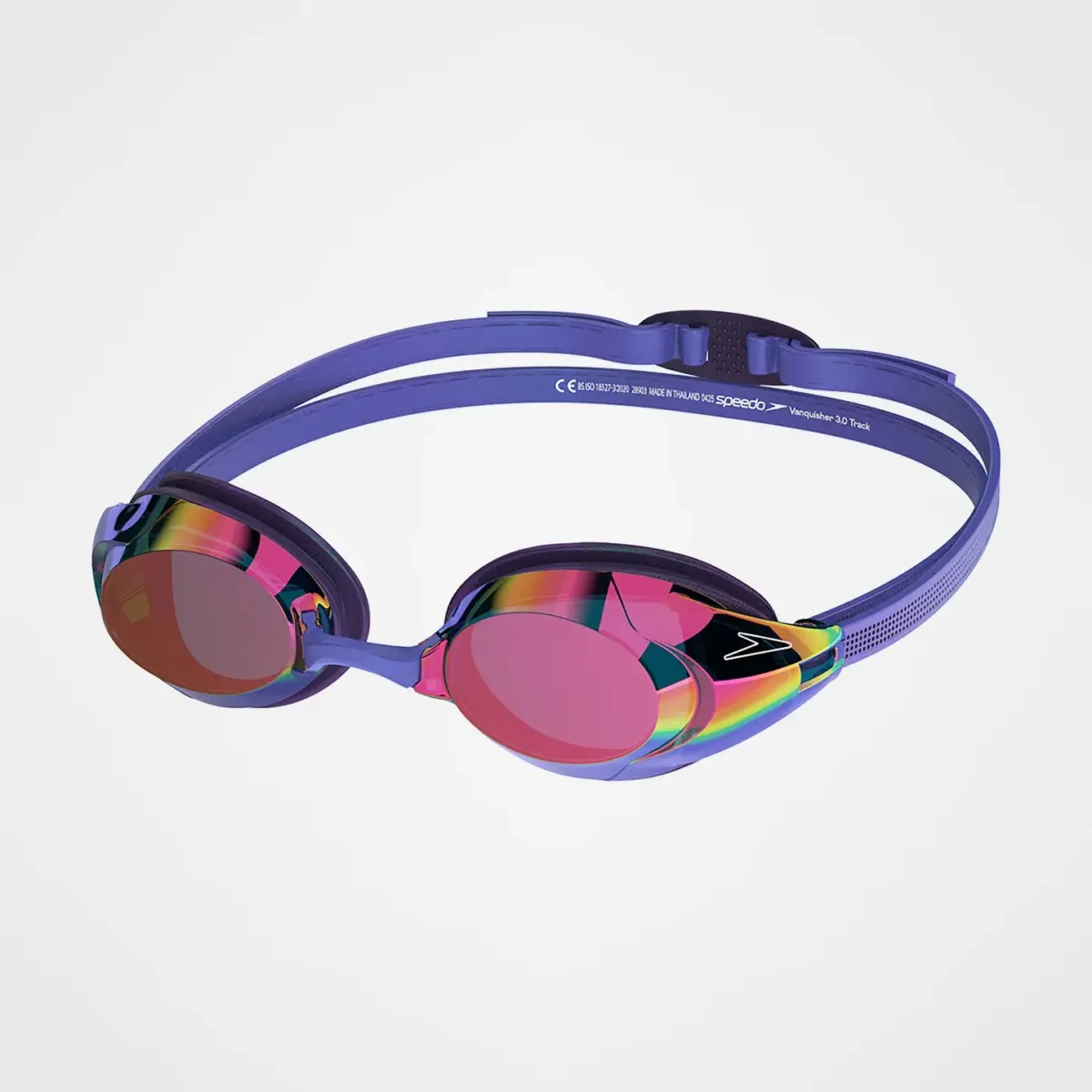
The landscape of competitive and recreational swimming is undergoing a technological revolution, and one of the most iconic names in aquatic sports is officially taking the plunge. Speedo, a brand synonymous with competitive swimming history, has announced the launch of the Speedo iQ system—a modular, removable smart-tracking device designed specifically for its flagship Vanquisher goggles.
Unlike conventional smart fitness trackers or rival augmented-reality swim goggles that feature heads-up displays embedded directly into the lenses, the Speedo iQ takes a fundamentally different approach. It is a lightweight, swim-specific sensor module that records advanced biomechanical metrics beneath the surface and syncs the data to a companion smartphone app once the workout is complete.
The core capabilities of the Speedo iQ system include:
- Comprehensive Stroke Analysis: The device tracks performance across all four competitive swimming strokes: freestyle, backstroke, breaststroke, and butterfly.
- Biomechanical Tracking: It utilizes specialized motion-sensing algorithms to evaluate head stability and positioning in the water.
- Breath and Efficiency Metrics: The module precisely times breathing intervals and calculates distance per stroke to help swimmers optimize their hydrodynamic efficiency.
- Modular Design: The sensor can be easily detached and transferred to a fresh pair of Vanquisher goggles when the old frames wear out, eliminating the need to repurchase expensive electronics.
- Subscription-Free Access: Unlike many modern fitness ecosystems that lock data behind monthly paywalls, the Speedo iQ app is entirely free to use upon purchase.
- Regulatory Compliance: Crucially, the system is fully compliant with World Aquatics regulations, making it entirely legal for use in sanctioned competitive events.
The Speedo iQ system bundled with a pair of Vanquisher goggles is currently available for purchase on Speedo’s official platform, retailing at $189 in a variety of colorways.
Chronology: The Evolution of Swimming Tech and Speedo’s Journey
To understand the significance of the Speedo iQ release, it is essential to trace how swimming technology has evolved from manual stopwatches to sophisticated, biometric wearables.
The Era of Manual Tracking (Pre-2010s)
For decades, swimming was notoriously difficult to track accurately outside of timed pool sessions. While runners and cyclists easily embraced early GPS watches and heart rate monitors in the 2000s, water proved to be a hostile environment for consumer electronics. Water blocks radio frequencies, pressure ruins waterproof seals, and erratic arm movements make step-counting accelerometers useless. Swimmers relied heavily on coach feedback, pool-side wall clocks, and manual lap counting.
The Rise of the Smart Goggle (2019–2022)
The paradigm shifted dramatically with the introduction of augmented-reality (AR) swim goggles. Companies like Form introduced smart goggles equipped with micro-displays projected directly onto the lens, allowing athletes to view split times, stroke rates, and distance in real-time while swimming. While revolutionary for pacing during long training sets, these devices came with notable drawbacks: they were expensive, required bulky electronics embedded permanently into the eyewear, and often locked advanced training analytics behind recurring subscription fees. Furthermore, their in-lens displays were prohibited in official World Aquatics competitions, limiting their utility for elite racers.
The Development of the Speedo iQ (2022–Present)
Recognizing a gap in the market for a streamlined, competition-legal, and economically sustainable training tool, Speedo began developing the iQ platform. Rather than attempting to cram a digital screen into a goggle lens—which can obstruct vision and add unnecessary weight—Speedo focused on post-workout analytics. By partnering with motion-sensor engineers, the brand developed a discrete module capable of deciphering complex swimming kinematics across all four strokes. The result is the current iteration: a seamless blend of traditional race-proven ergonomics (the Vanquisher line) and modern telemetry.
Supporting Data: Understanding the Metrics
Swimming efficiency is fundamentally dictated by hydrodynamics, stroke mechanics, and energy conservation. The Speedo iQ aims to demystify these variables by capturing hard data that is typically invisible to the naked eye.
1. The Four Competitive Strokes
Each of the four strokes presents unique biomechanical challenges:

- Freestyle: Relies heavily on body roll, a high elbow recovery, and a steady, rhythmic kick. The iQ module tracks whether head movement disrupts horizontal alignment.
- Backstroke: Because the face remains exposed, maintaining a neutral head position without water splashing into the nose and mouth is vital. The sensor measures breath timing relative to body rotation.
- Breaststroke: Characterized by an interrupted rhythm (glide phase), breaststroke requires precise timing between the pull, kick, and breath. The iQ captures the duration of the glide and stroke frequency.
- Butterfly: Widely considered the most exhausting stroke, butterfly demands immense core strength and a rolling wave motion of the body. Monitoring stroke efficiency here helps athletes conserve energy over longer distances.
2. Distance Per Stroke (DPS) and Stroke Rate
In swimming, swimming faster isn’t just about moving your arms quicker; it is about moving further with every single stroke. The Speedo iQ calculates Distance Per Stroke (DPS), allowing swimmers to analyze whether increasing their cadence actually results in forward momentum or simply causes drag.
3. Cost-to-Value Analysis
At $189, the Speedo iQ positions itself competitively against other high-end swim trackers:
- Form Smart Swim 2: Retails upwards of $249, plus an ongoing monthly subscription fee for premium workout analytics.
- Apple Watch / Garmin Smartwatches: Ranging from $300 to $800+, these general-purpose multi-sport watches track laps and basic SWOLF scores, but they cannot measure fine-grained head movement, breath timing, or stroke-specific nuances as accurately as a head-mounted sensor.
- Speedo iQ: Costs $189, includes the physical goggles, features no subscription fees, and allows users to swap out the module to new frames when the gear naturally degrades.
Official Responses and Industry Perspectives
The announcement of the Speedo iQ has generated significant discussion among coaches, athletes, and industry analysts alike.
In official statements accompanying the launch, Speedo representatives emphasized that the product was designed with both elite competitors and everyday lap swimmers in mind. "We wanted to remove the barriers that typically keep swimmers from embracing wearable technology," a Speedo product spokesperson noted. "Bulky screens can be distracting in the water, and ongoing subscription fees frustrate consumers. With the iQ system, we are delivering professional-grade data straight to the palm of the swimmer’s hand, packaged in the trusted design of the Vanquisher."
Industry analysts have praised the modular nature of the release. In the traditional consumer electronics market, planned obsolescence is a frequent criticism—when a battery degrades or a strap snaps, the entire device must be replaced. By separating the sensor module from the goggle frame itself, Speedo has introduced a sustainable hardware model. If a swimmer’s Vanquisher goggles scratch, stretch, or break after months of chlorine exposure, they simply pop the iQ module out and snap it into a new, affordable pair of frames.
Coaching staff from various collegiate and club swim programs have also weighed in on the potential utility of post-swim data analytics. While real-time feedback (such as that offered by AR goggles) has its place during long aerobic sets, many coaches argue that staring at numbers on a lens mid-stroke can disrupt a swimmer’s "feel" for the water. A post-workout review app allows athletes to focus entirely on their technique while in the pool, reserving data analysis for the deck or locker room.
Implications for the Future of Aquatic Sports
The launch of the Speedo iQ system signals a broader shift in how aquatic technology will develop over the coming years.
1. Bridging the Gap Between Amateur and Elite Training
Historically, advanced biomechanical analysis—such as underwater video motion capture and pressure-sensor testing—was reserved for Olympic training centers and collegiate athletic departments with massive budgets. By democratizing stroke analytics through a $189 consumer device, Speedo is giving everyday club swimmers and fitness enthusiasts access to insights that were previously out of reach.
2. The Battle for the Digital Swimmer
Speedo’s entry into smart wearables intensifies the competition in the aquatic tech space. While brands like Form have captured the attention of tech-forward triathletes who love real-time data heads-up displays, Speedo is banking on brand loyalty, traditional swimming ergonomics, and a refusal to adopt subscription models. If the iQ system proves successful, competitors may be forced to rethink their pricing structures and hardware designs to appeal to cost-conscious and competition-focused swimmers.
3. Compliance and the Acceptance of Tech in Competition
One of the most profound implications of the iQ system is its World Aquatics legality. For years, tech companies struggled to build training tools that swimmers could wear both during grueling morning practice sessions and in actual races. Because the Speedo iQ lacks a visual display that could be used for external coaching communication during a race, it remains within regulatory boundaries. This allows athletes to train with the exact same device they use to analyze their stroke mechanics, creating a seamless bridge between preparation and performance.
Conclusion
As consumer technology continues to permeate every corner of human athletics, swimming is finally catching up to running and cycling. With the introduction of the Speedo iQ, swimmers no longer have to choose between traditional, race-proven gear and modern digital analytics. By combining the legendary fit of the Vanquisher goggles with intelligent, subscription-free stroke tracking, Speedo has laid down a marker for the future of aquatic performance enhancement.
